Wealtie logoWealtie

Money & budgeting blog: Plain answers, sources included

Straight answers to everyday money questions: how much to save, how to set a budget you'll keep, what to do when your pay changes from month to month. Every post works through real numbers and shows where they come from.
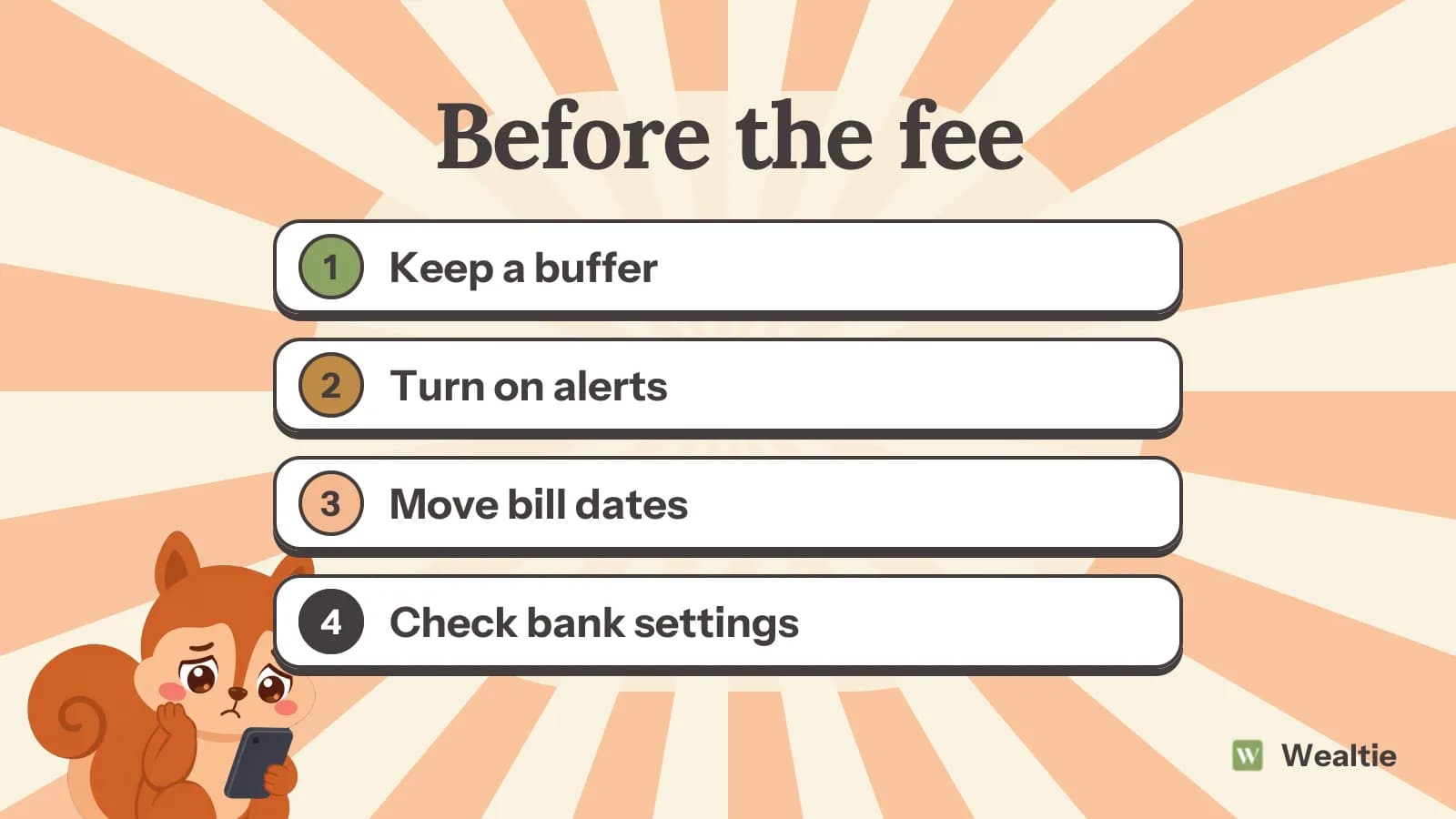
  • Illustration: Wally sitting and looking worried at a phone beside "Before the fee" and the steps: Keep a buffer; Turn on alerts; Move bill dates; Check bank settings.
    BUDGETING

    How to avoid overdraft fees: the settings and habits that work

    To avoid overdraft fees, keep a small buffer in your account, turn on low-balance alerts, move bill dates to just after payday, and ask your bank whether it can decline a payment instead of overdrawing. Most fees come from timing, not overspending.

    · 3 min read
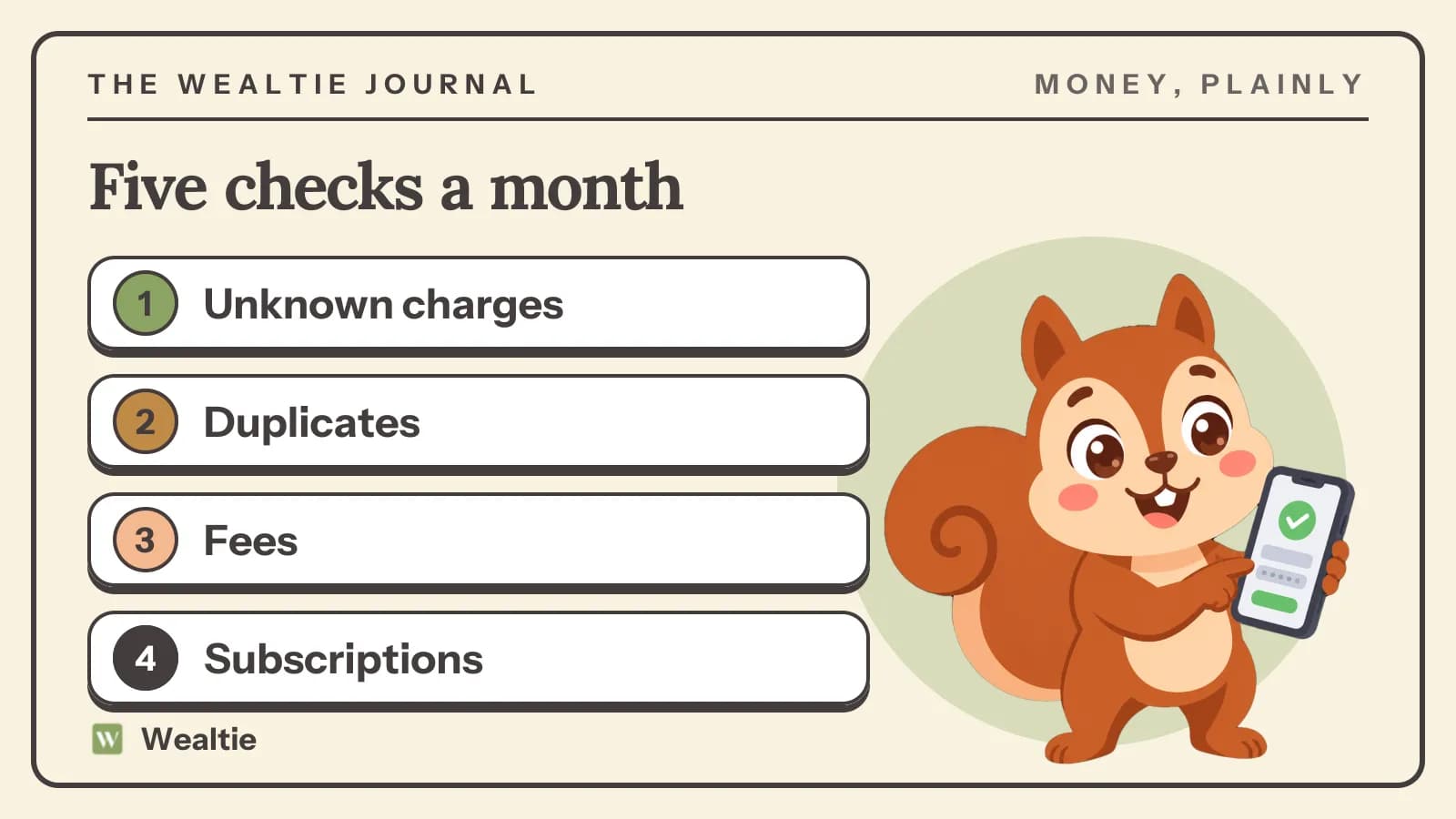
  • Illustration: Wally holding a phone with a green checkmark beside "Five checks a month" and the steps: Unknown charges; Duplicates; Fees; Subscriptions.
    BUDGETING

    How to read a bank statement and spot what's costing you

    To read a bank statement, start with the opening and closing balance, then go down the transactions checking each one is yours. How to read a bank statement well comes down to five checks: unknown charges, duplicates, fees, subscriptions and refunds.

    · 3 min read

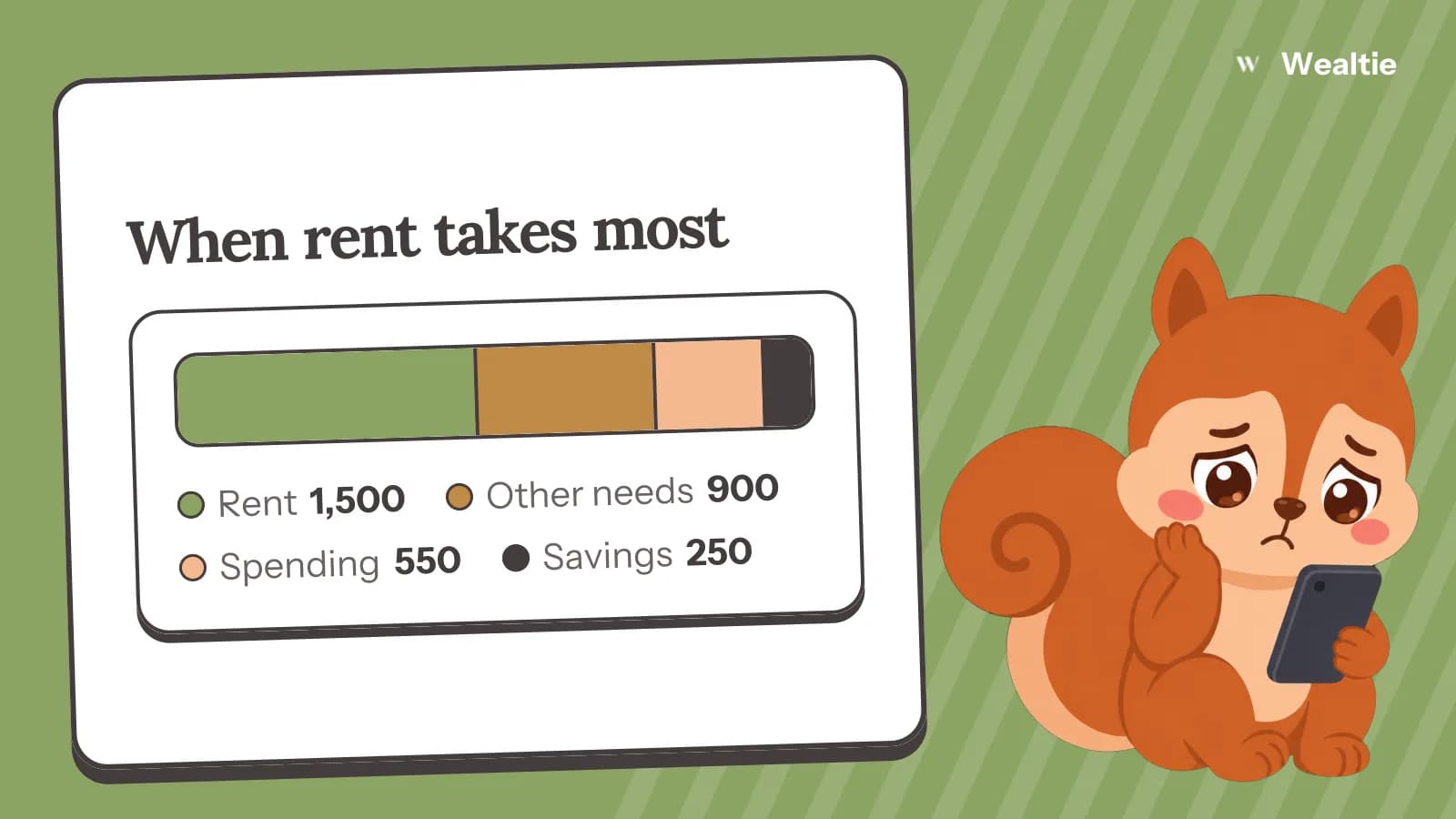
  • Illustration: Wally sitting and looking worried at a phone beside "When rent takes most" and a bar split into Rent 1,500, Other needs 900, Spending 550, Savings 250.
    BUDGETING

    How to budget in an expensive city when rent takes most of your pay

    To budget in an expensive city, accept that rent may take a bigger share of your pay than the usual rules suggest, then make up for it on transport, food and fixed costs. In a worked example, rent of 1,500 on take-home of 3,200 still leaves room to save 250.

    · 3 min read

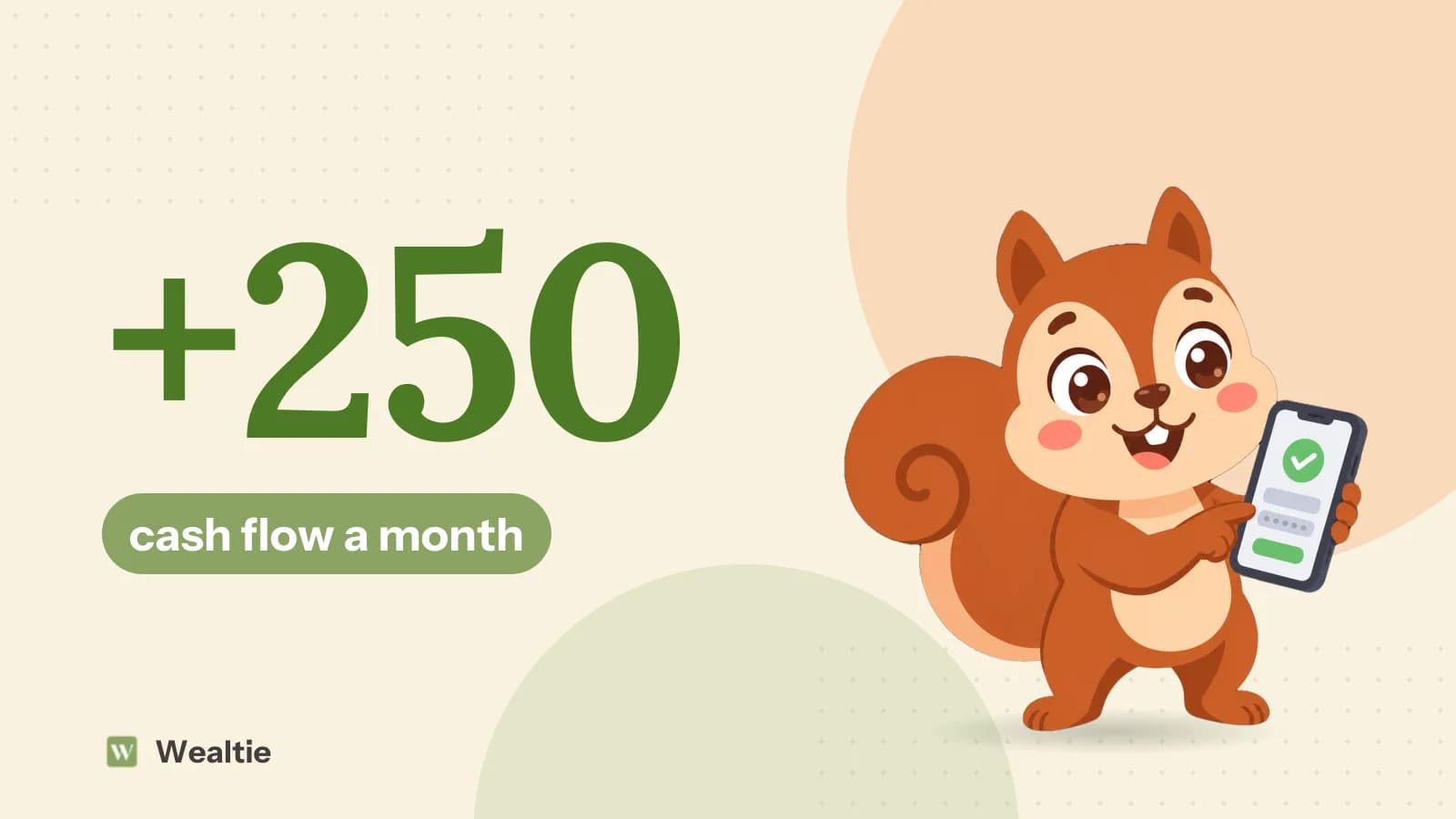
  • Illustration: Wally holding a phone with a green checkmark beside "+250", cash flow a month.
    BUDGETING

    What is personal cash flow, and how do you make it positive?

    Personal cash flow is the money that comes in each month minus the money that goes out. If it's positive, you're building savings, and if it's negative, you're drawing on savings or borrowing to cover the gap.

    · 3 min read

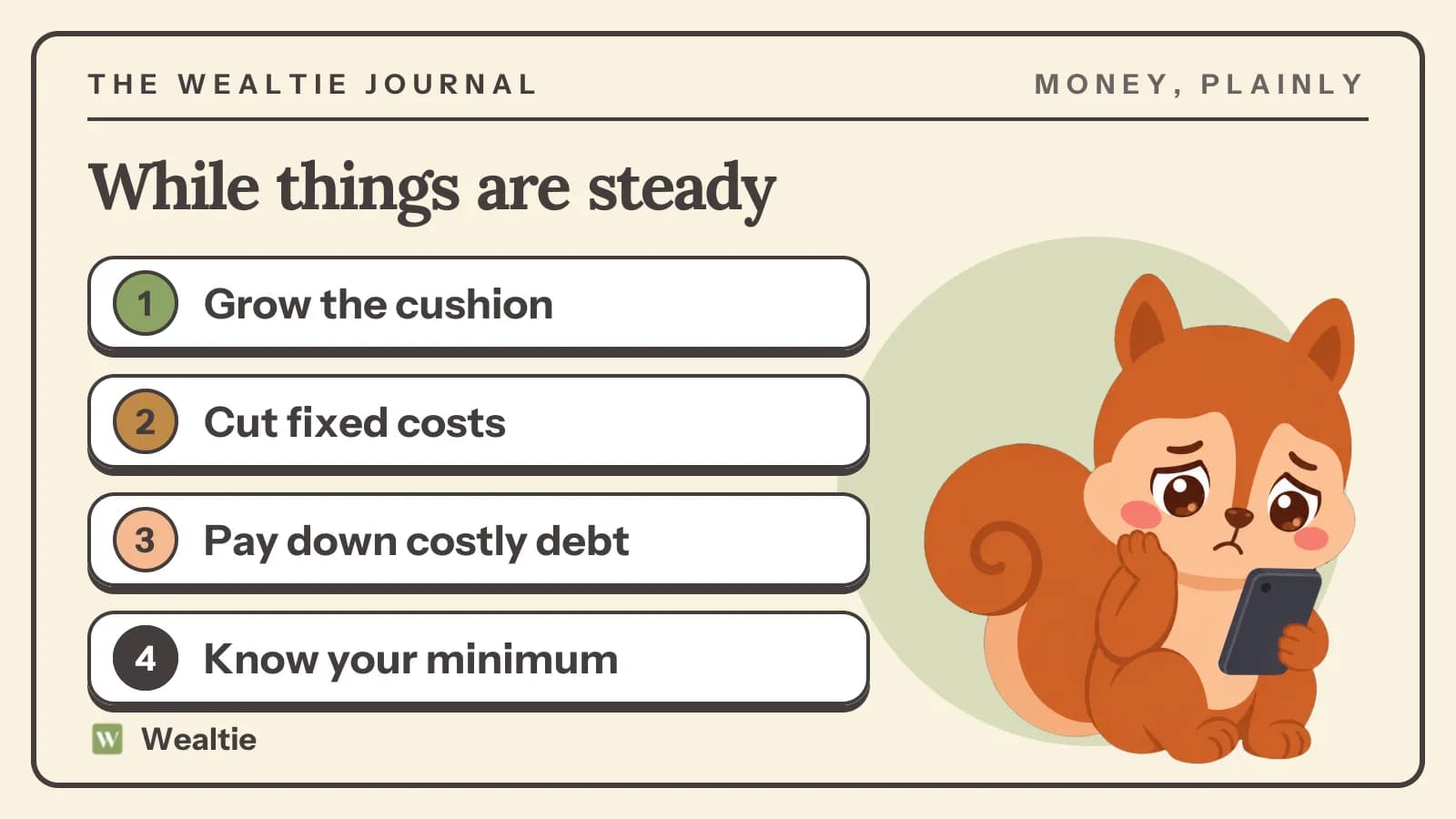
  • Illustration: Wally sitting and looking worried at a phone beside "While things are steady" and the steps: Grow the cushion; Cut fixed costs; Pay down costly debt; Know your minimum.
    BUDGETING

    How to make a recession-proof budget before you need one

    A recession-proof budget is one that could survive a drop in income: a larger emergency fund, lower fixed costs, less high-interest debt and a known bare minimum. The best time to build it is while things are still steady.

    · 3 min read

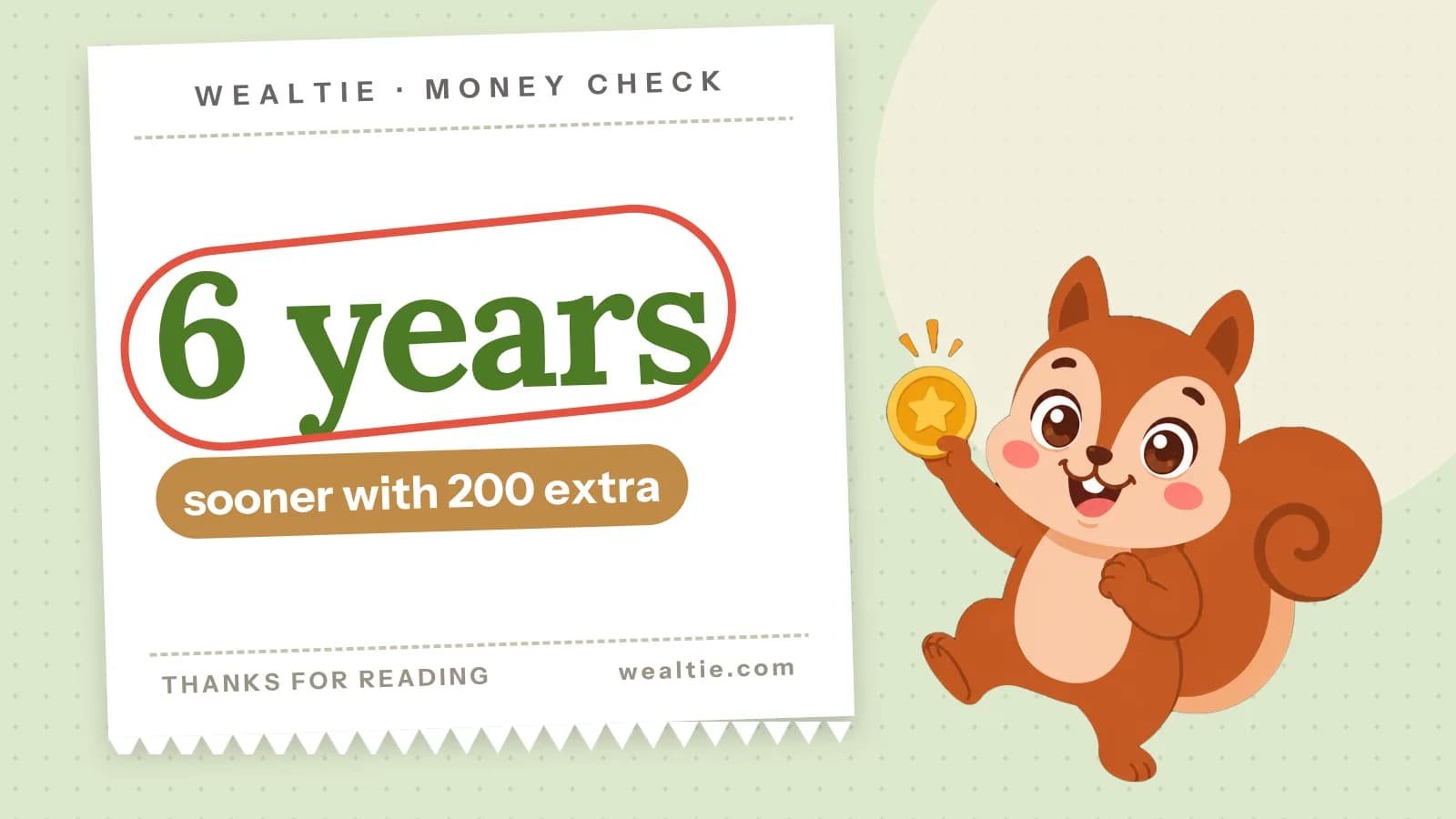
  • Illustration: Wally jumping with a gold coin held up beside "6 years", sooner with 200 extra.
    SAVING

    Should you pay off your mortgage early? What overpaying saves

    Should you pay off your mortgage early? It saves interest and gets you debt-free sooner: On a 200,000 mortgage at four percent over 25 years, an extra 200 a month saves about 31,000 in interest and six years, in a worked example.

    · 3 min read

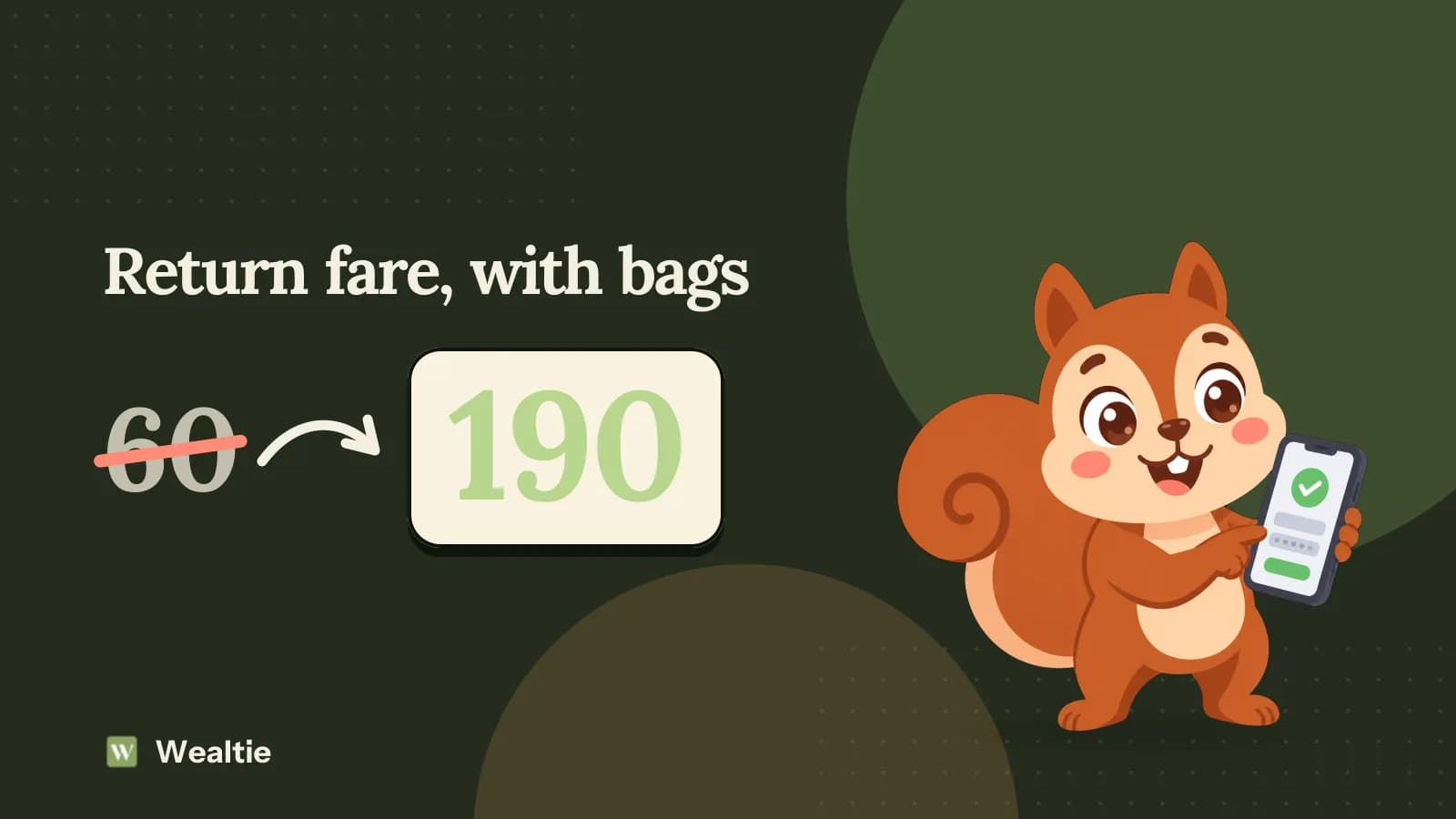
  • Illustration: Wally holding a phone with a green checkmark beside "Return fare, with bags": 60 crossed out, then 190.
    MULTI-CURRENCY & TRAVEL

    How to save money on flights without spending hours searching

    Here's how to save money on flights: be flexible on dates and airports, compare the total price including bags and seats, and book when fares are reasonable instead of waiting for a perfect deal. Fees can turn a cheap fare into an expensive one.

    · 3 min read

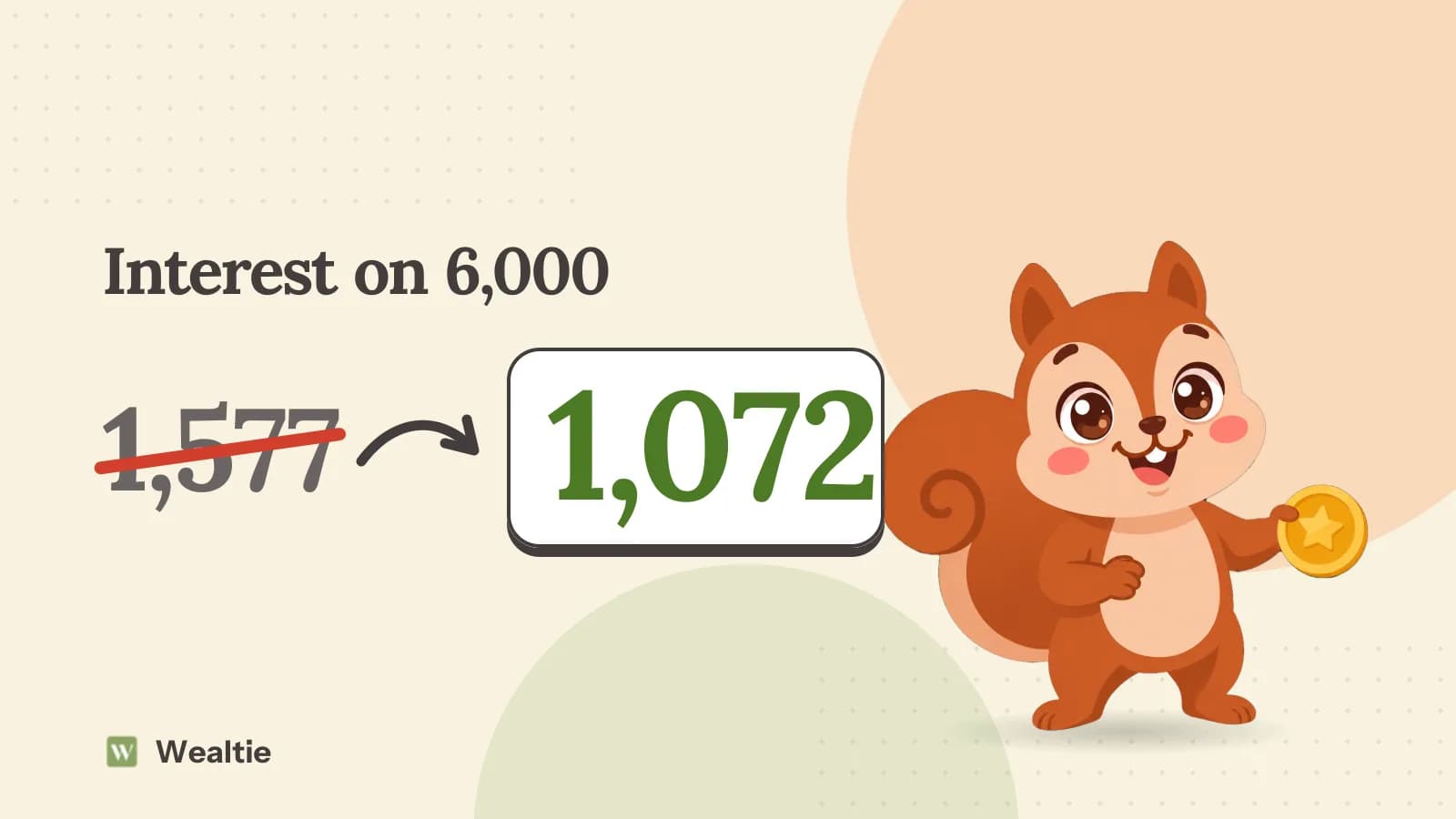
  • Illustration: Wally holding out a gold coin beside "Interest on 6,000": 1,577 crossed out, then 1,072.
    BUDGETING

    Is a debt consolidation loan worth it? Compare it with your cards

    A debt consolidation loan is worth it when its total cost, fees included, is lower than paying your cards down at the same monthly amount. At the Fed's latest average rates, 6,000 costs about 1,072 on a two-year loan with a 300 fee, against about 1,577 on cards.

    · 3 min read

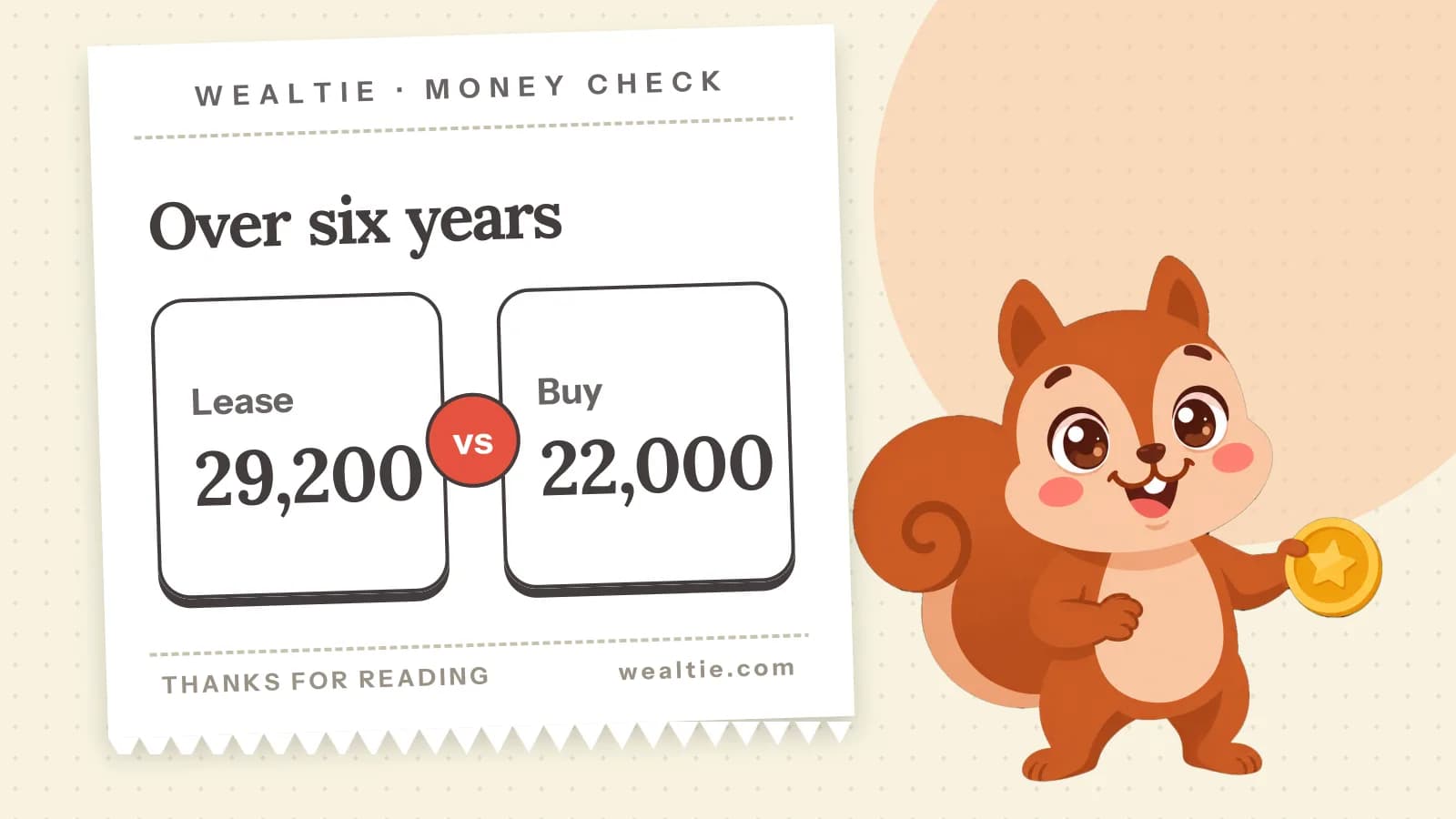
  • Illustration: Wally holding out a gold coin beside "Over six years" comparing Lease (29,200) with Buy (22,000).
    BUDGETING

    Should you lease or buy a car? Compare the total cost

    Whether to lease or buy a car comes down to how long you'll keep it. In a worked example, leasing costs 14,600 over three years against 13,500 for buying, and over six years buying wins by 7,200.

    · 3 min read

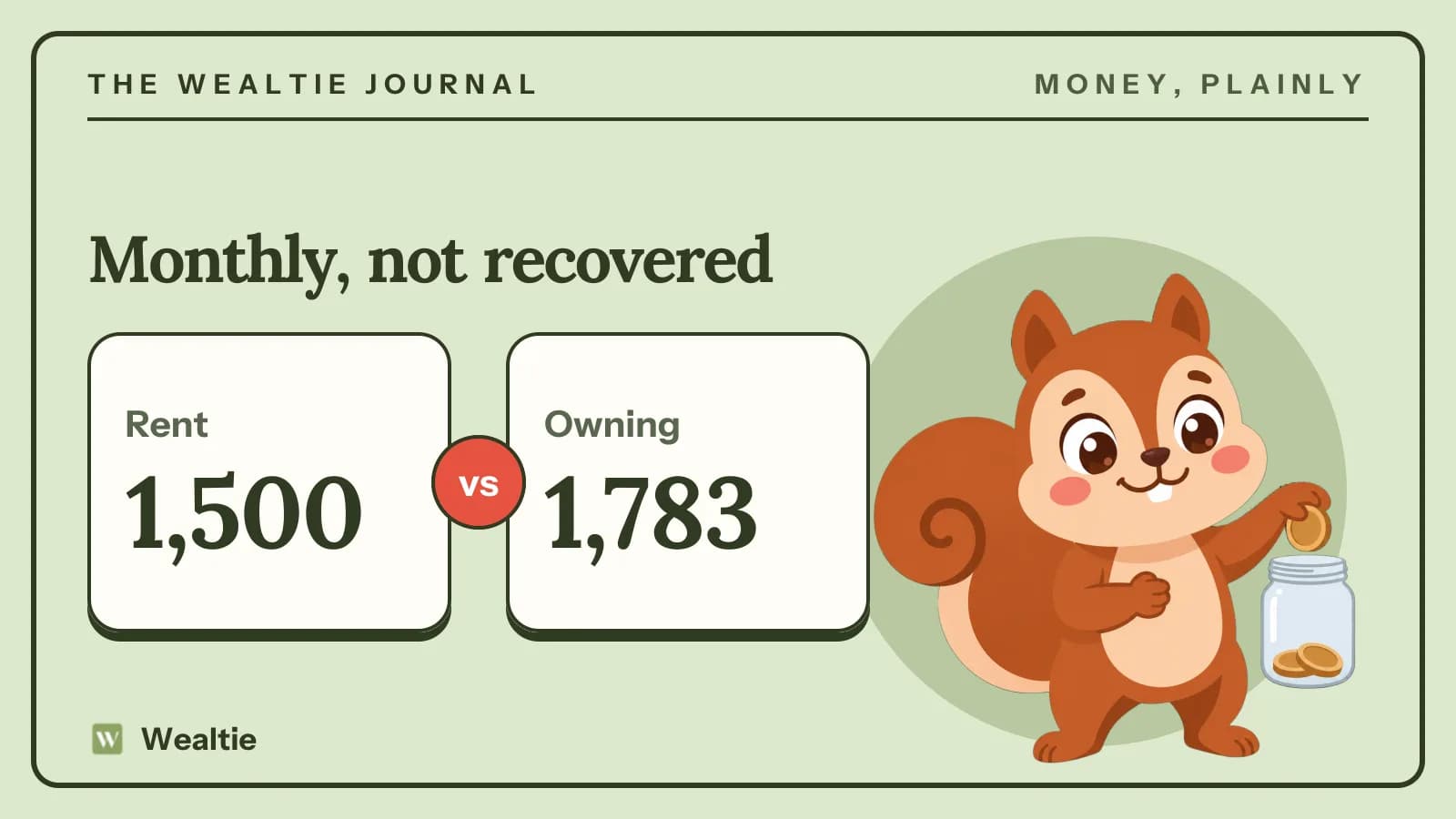
  • Illustration: Wally dropping a coin into a jar beside "Monthly, not recovered" comparing Rent (1,500) with Owning (1,783).
    SAVING

    Should you rent or buy a house? Compare the costs you don't get back

    Whether to rent or buy a house depends on comparing rent with the costs of owning that you never get back: interest, taxes, maintenance, insurance and what your deposit could have earned. In a worked example, those come to about 1,783 a month against rent of 1,500.

    · 3 min read

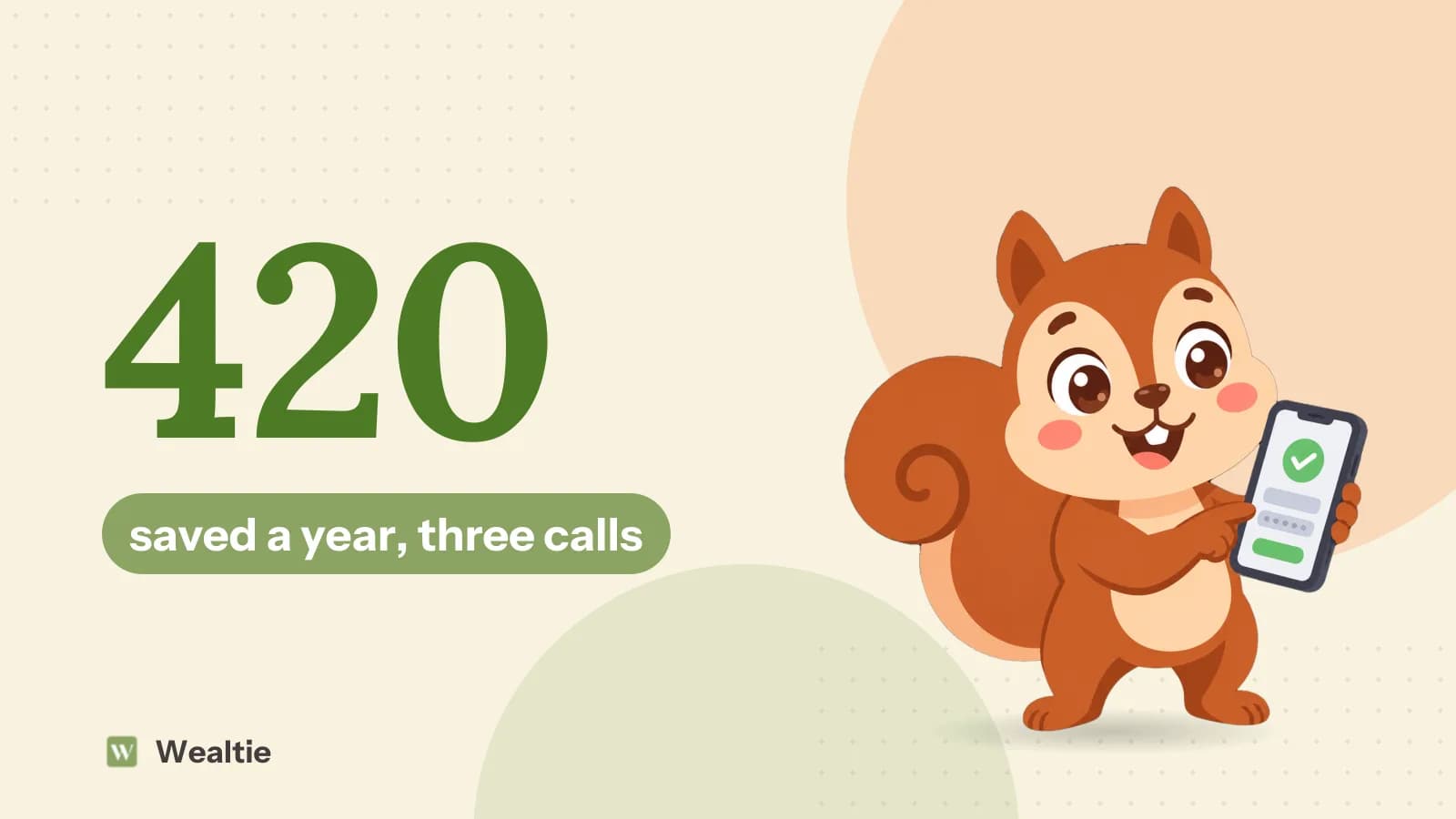
  • Illustration: Wally holding a phone with a green checkmark beside "420", saved a year, three calls.
    BUDGETING

    How to negotiate bills: phone, internet and insurance

    Here's how to negotiate bills: get a competing quote, call before the contract ends and ask for the best price for an existing customer. In a worked example, that saves 35 a month across phone, internet and insurance.

    · 3 min read

The weekly email

New posts, once a week

Once a week, the new posts on budgeting, saving and everyday money. Nothing else, and one click to leave.