Wealtie logoWealtie

Money & budgeting blog: Plain answers, sources included

Straight answers to everyday money questions: how much to save, how to set a budget you'll keep, what to do when your pay changes from month to month. Every post works through real numbers and shows where they come from.
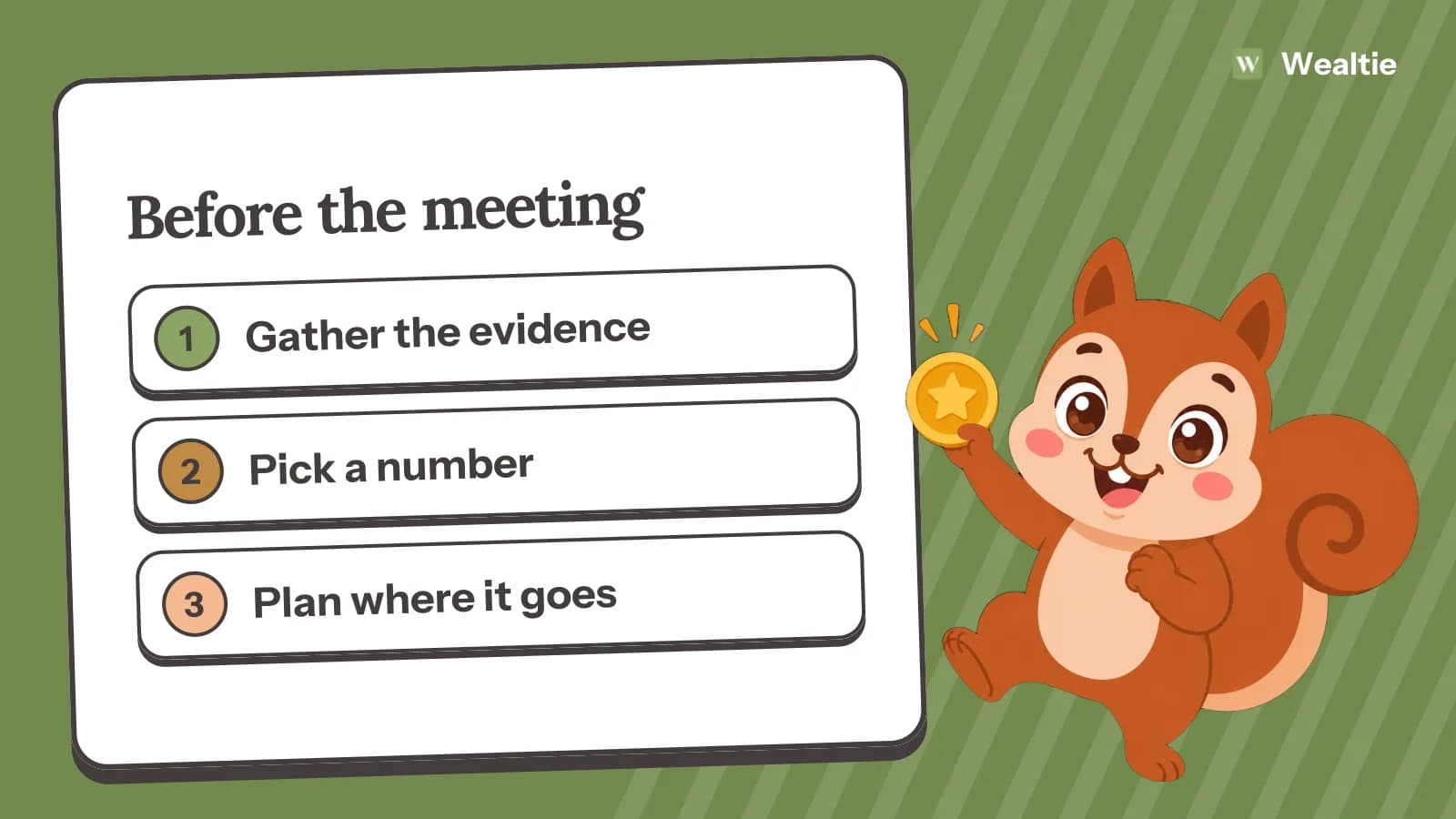
  • Illustration: Wally jumping with a gold coin held up beside "Before the meeting" and the steps: Gather the evidence; Pick a number; Plan where it goes.
    INCOME & FREELANCING

    How to negotiate a pay rise, and what to do with it after

    Here's how to negotiate a pay rise: gather evidence of what you've delivered and what the role pays elsewhere, ask for a specific number at the right time, and decide in advance where the extra money will go.

    · 3 min read
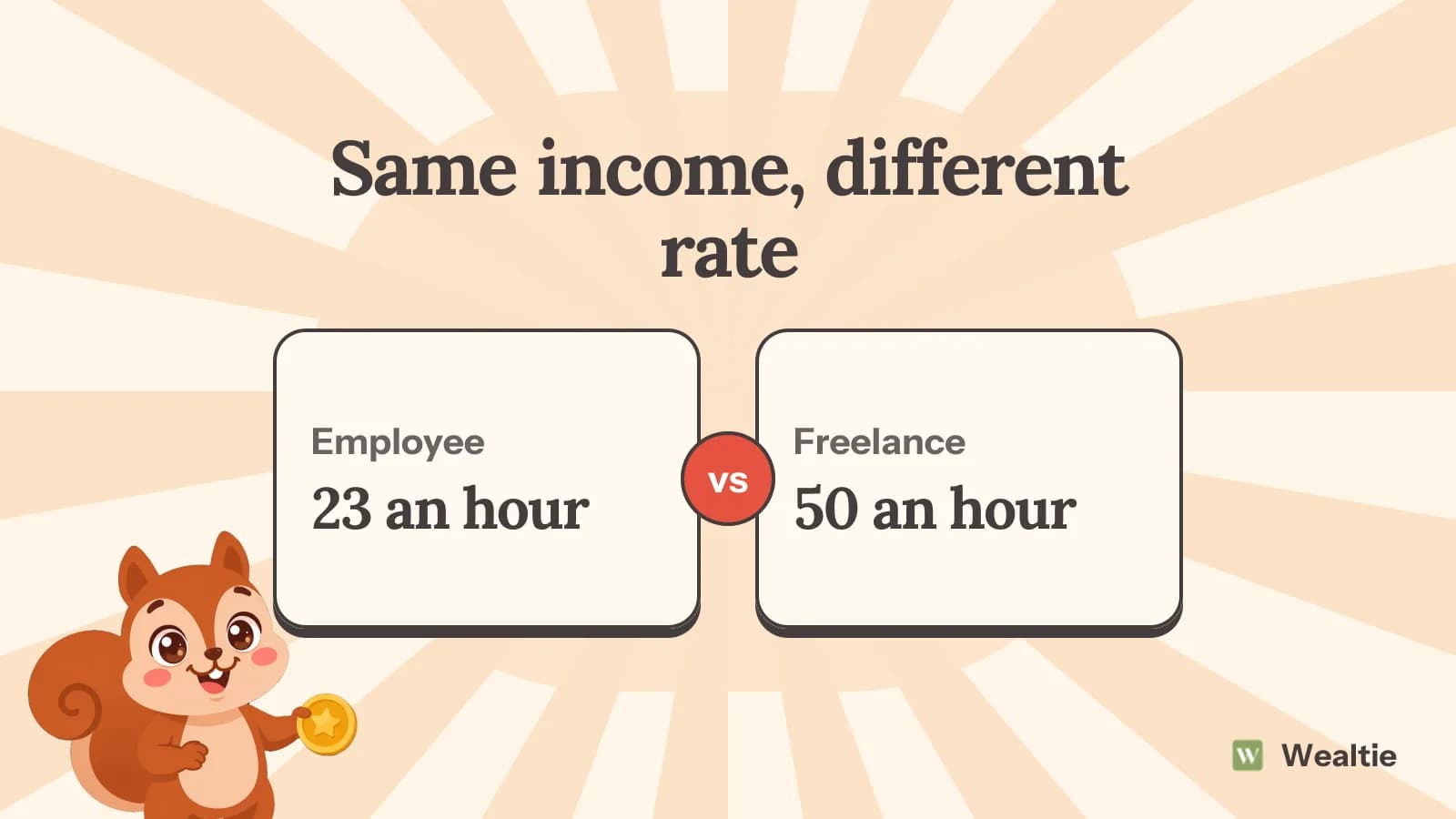
  • Illustration: Wally holding out a gold coin beside "Same income, different rate" comparing Employee (23 an hour) with Freelance (50 an hour).
    INCOME & FREELANCING

    How to compare a freelance rate to a salary, with the sums

    Converting a freelance rate to salary terms means adding what an employer pays for besides wages, then dividing by the hours you can bill. A 45,000 salary works out at about 23 an hour, but matching it as a freelancer takes about 50.

    · 3 min read

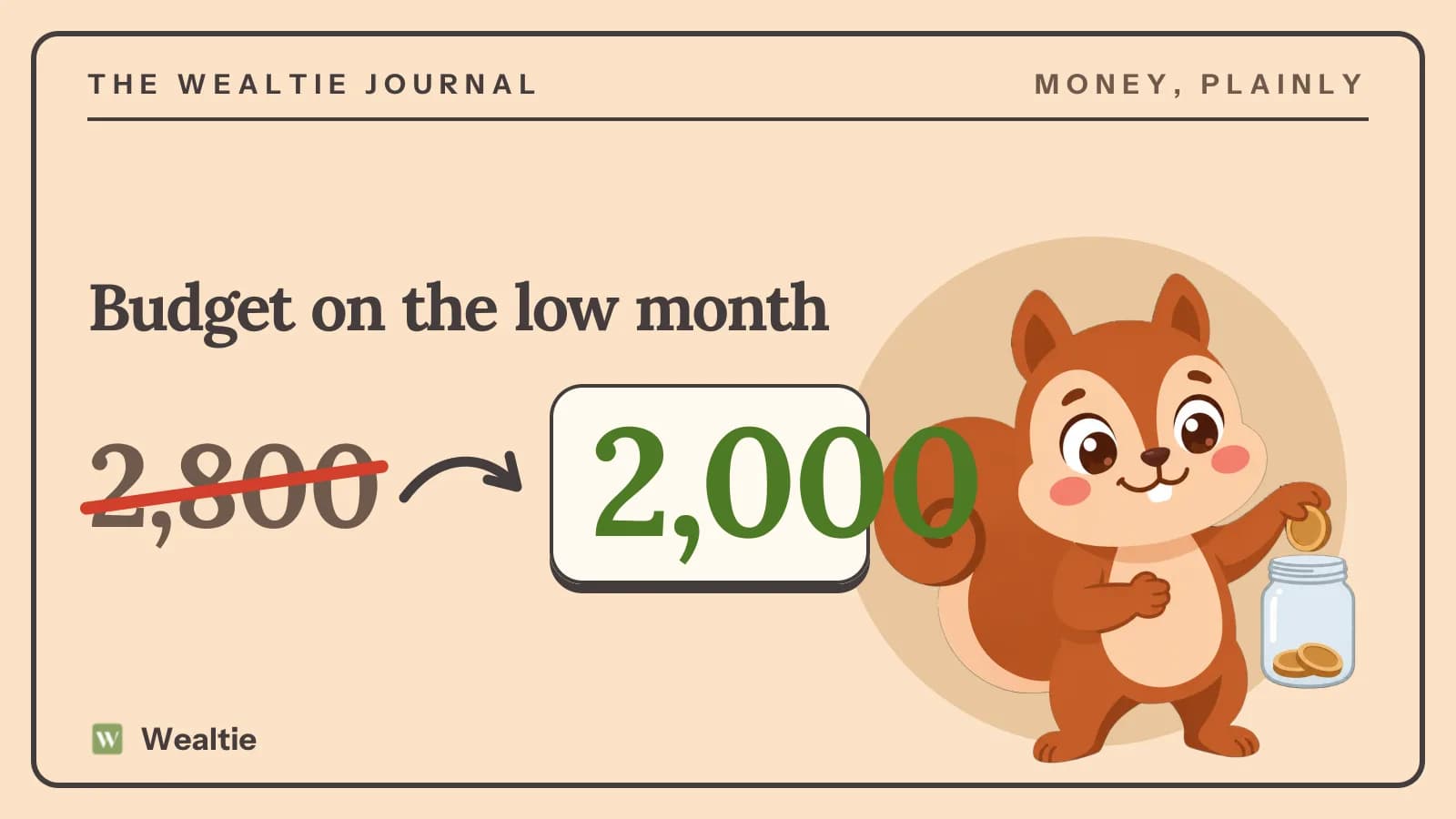
  • Illustration: Wally dropping a coin into a jar beside "Budget on the low month": 2,800 crossed out, then 2,000.
    INCOME & FREELANCING

    How to budget with tips when your income changes every shift

    To work out how to budget with tips, plan your bills on base pay plus your lowest typical tips, then move everything above that into a separate pot. In a worked example, that means budgeting on 2,000 a month while earning between 2,000 and 2,800.

    · 3 min read

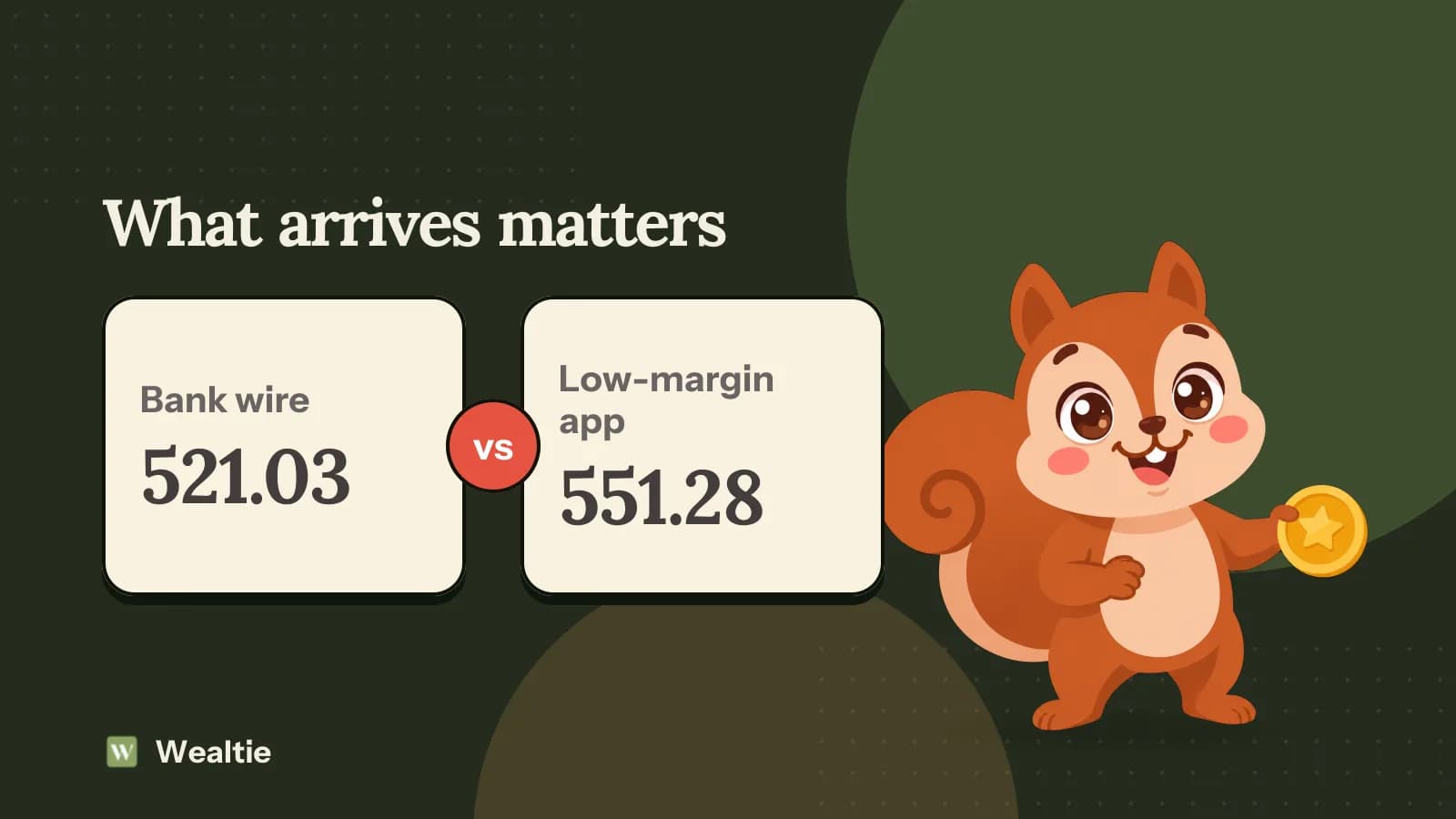
  • Illustration: Wally holding out a gold coin beside "What arrives matters" comparing Bank wire (521.03) with Low-margin app (551.28).
    MULTI-CURRENCY & TRAVEL

    How to send money abroad cheaply: compare what arrives

    To send money abroad cheaply, compare how much arrives at the other end, since that includes the fee and the exchange rate margin together. On 500 euros sent as dollars, the gap between the best and worst option was about 30 dollars in a worked example.

    · 3 min read

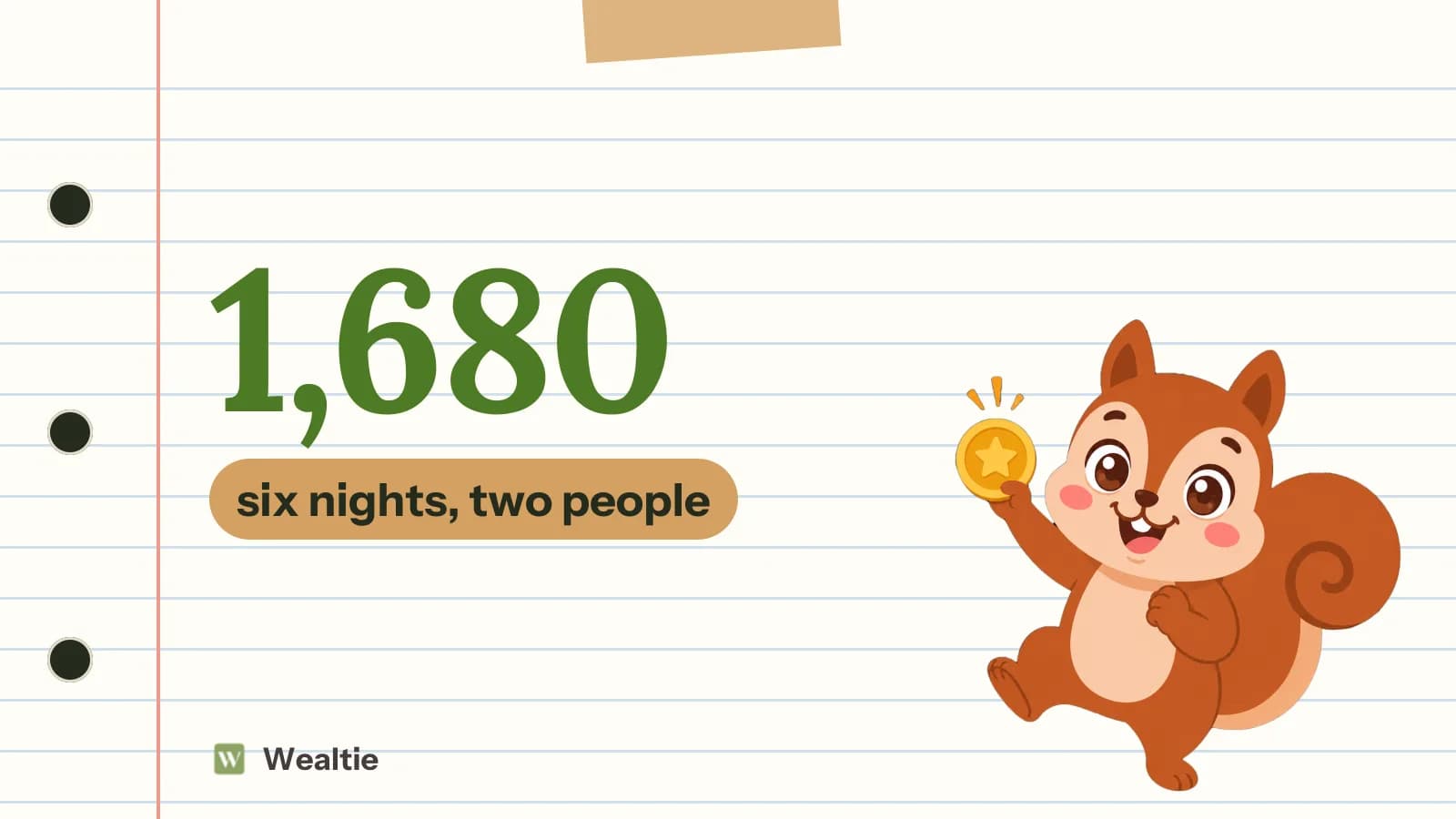
  • Illustration: Wally jumping with a gold coin held up beside "1,680", six nights, two people.
    MULTI-CURRENCY & TRAVEL

    How to make a road trip budget: fuel, beds, food and a buffer

    A road trip budget starts with fuel, worked out from distance and your car's consumption, then adds beds, food, tolls, activities and a buffer. A six-night trip for two over 1,800 km comes to about 1,680 in a worked example.

    · 3 min read

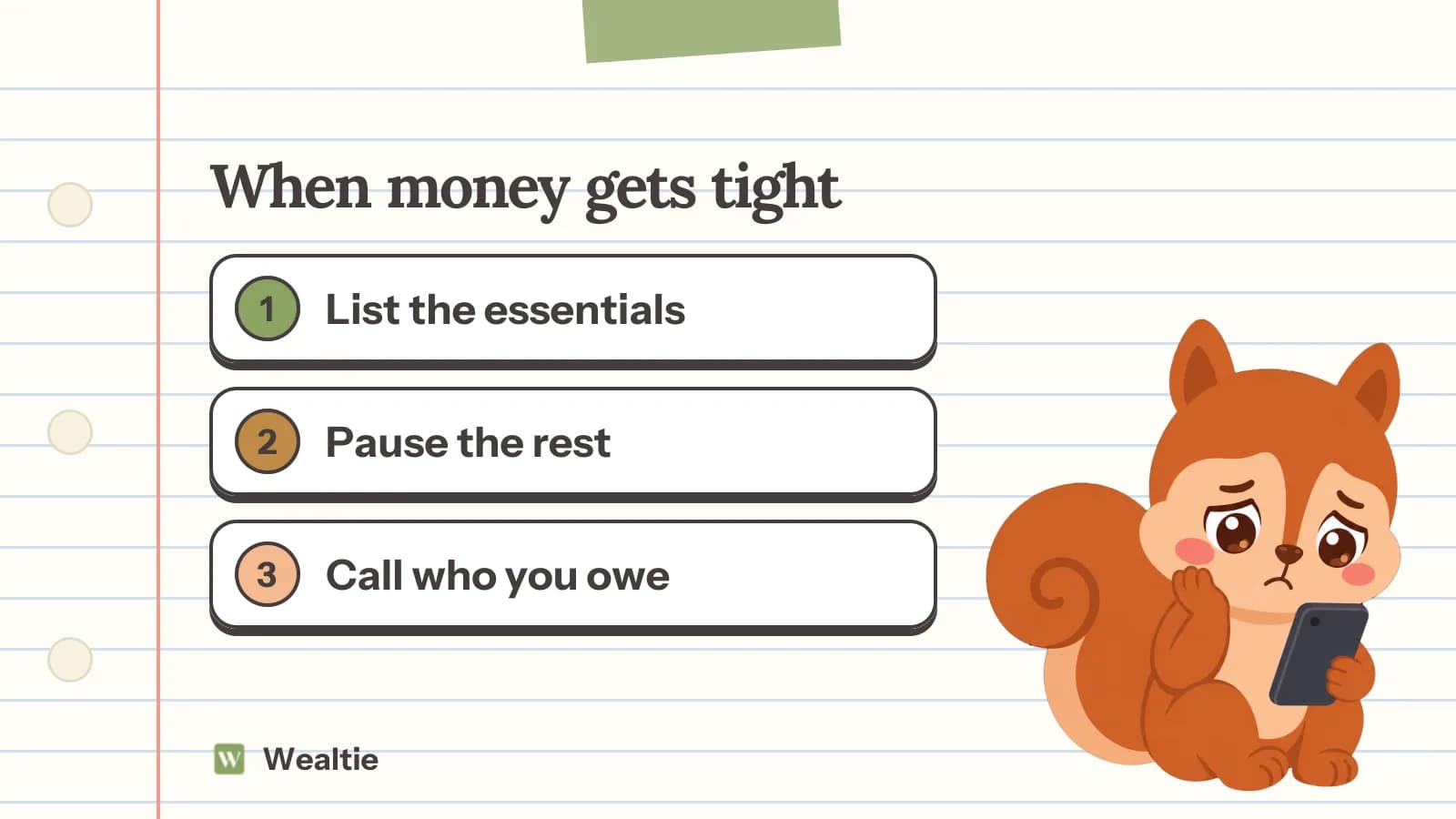
  • Illustration: Wally sitting and looking worried at a phone beside "When money gets tight" and the steps: List the essentials; Pause the rest; Call who you owe.
    BUDGETING

    How to make a bare bones budget when money gets tight

    A bare bones budget covers only what keeps you housed, fed, working and out of default. In a worked example, that takes monthly costs down to 1,880, and it's meant for a few hard months, not for good.

    · 3 min read

  • Illustration: Wally sitting and looking worried at a phone beside "Wait 48 hours first".
    BUDGETING

    How to stop impulse buying: a few rules that hold up

    To work out how to stop impulse buying, find when it happens, then add friction at that moment: a waiting period, no saved cards and fewer shopping emails. Leave a small amount in your budget to spend freely.

    · 3 min read

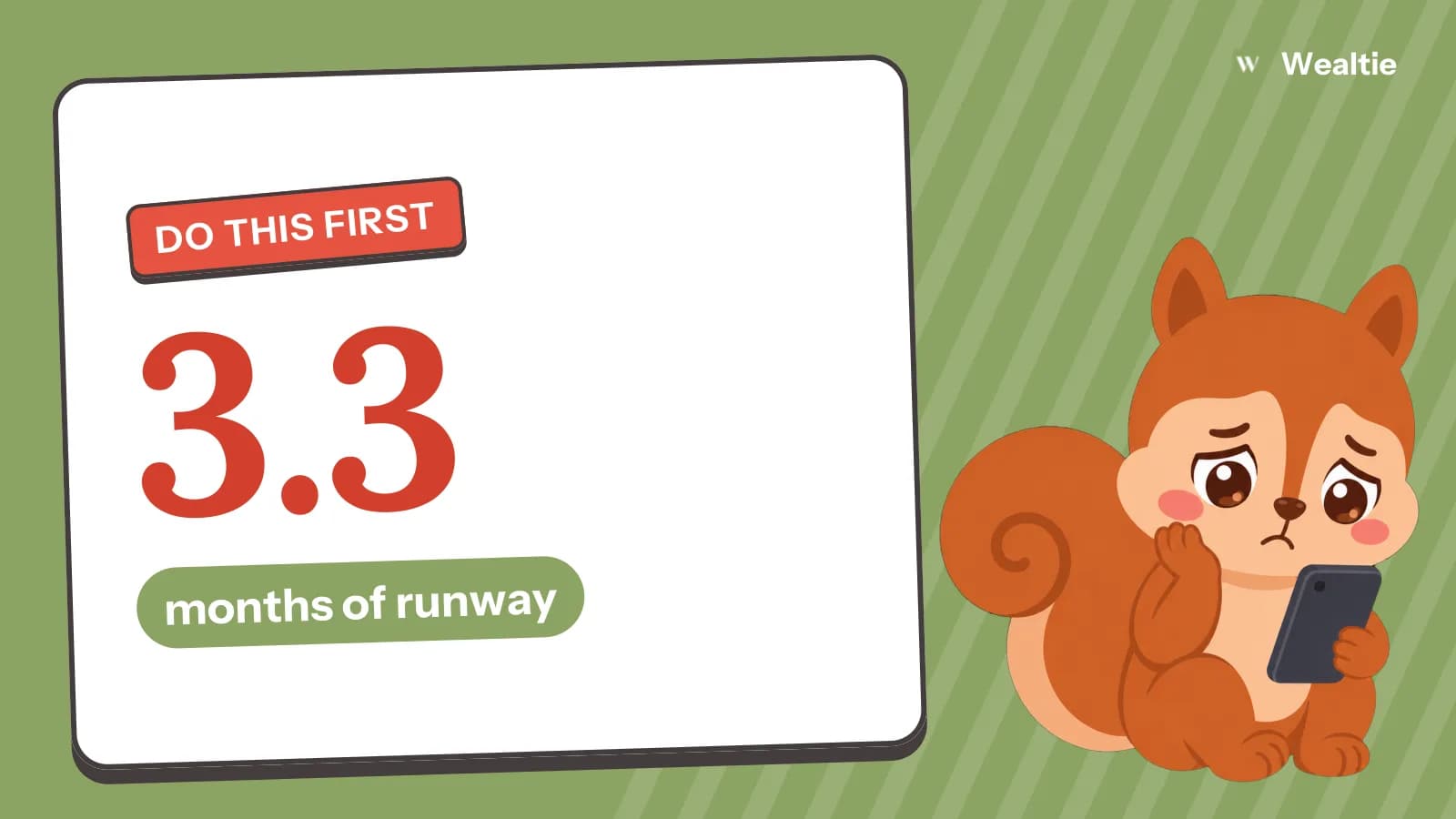
  • Illustration: Wally sitting and looking worried at a phone beside "3.3", months of runway with a "Do this first" badge.
    BUDGETING

    How to budget after losing your job: the first 30 days

    To budget after losing your job, add up your cash and final pay, divide by your bare minimum monthly costs, and that's your runway. On 6,000 of cash and 1,800 a month, you've got just over three months.

    · 3 min read

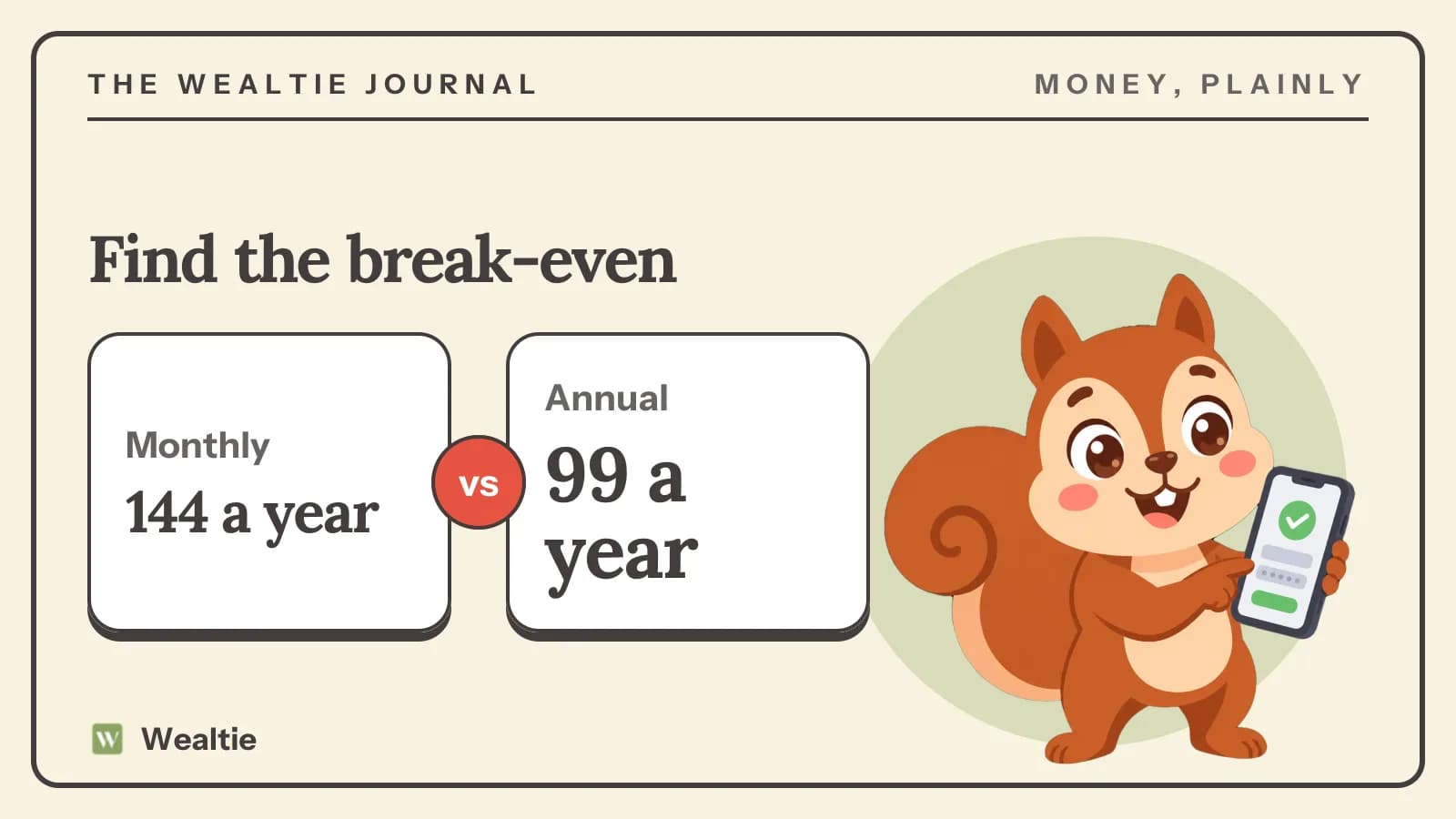
  • Illustration: Wally holding a phone with a green checkmark beside "Find the break-even" comparing Monthly (144 a year) with Annual (99 a year).
    BUDGETING

    Annual or monthly subscription: which is cheaper, and when

    An annual or monthly subscription comes down to one sum: divide the yearly price by the monthly price to find your break-even month. At 99 a year or 12 a month, annual pays off if you'll stay more than about eight months.

    · 3 min read

The weekly email

New posts, once a week

Once a week, the new posts on budgeting, saving and everyday money. Nothing else, and one click to leave.