Wealtie logoWealtie

Money & budgeting blog: Plain answers, sources included

Straight answers to everyday money questions: how much to save, how to set a budget you'll keep, what to do when your pay changes from month to month. Every post works through real numbers and shows where they come from.
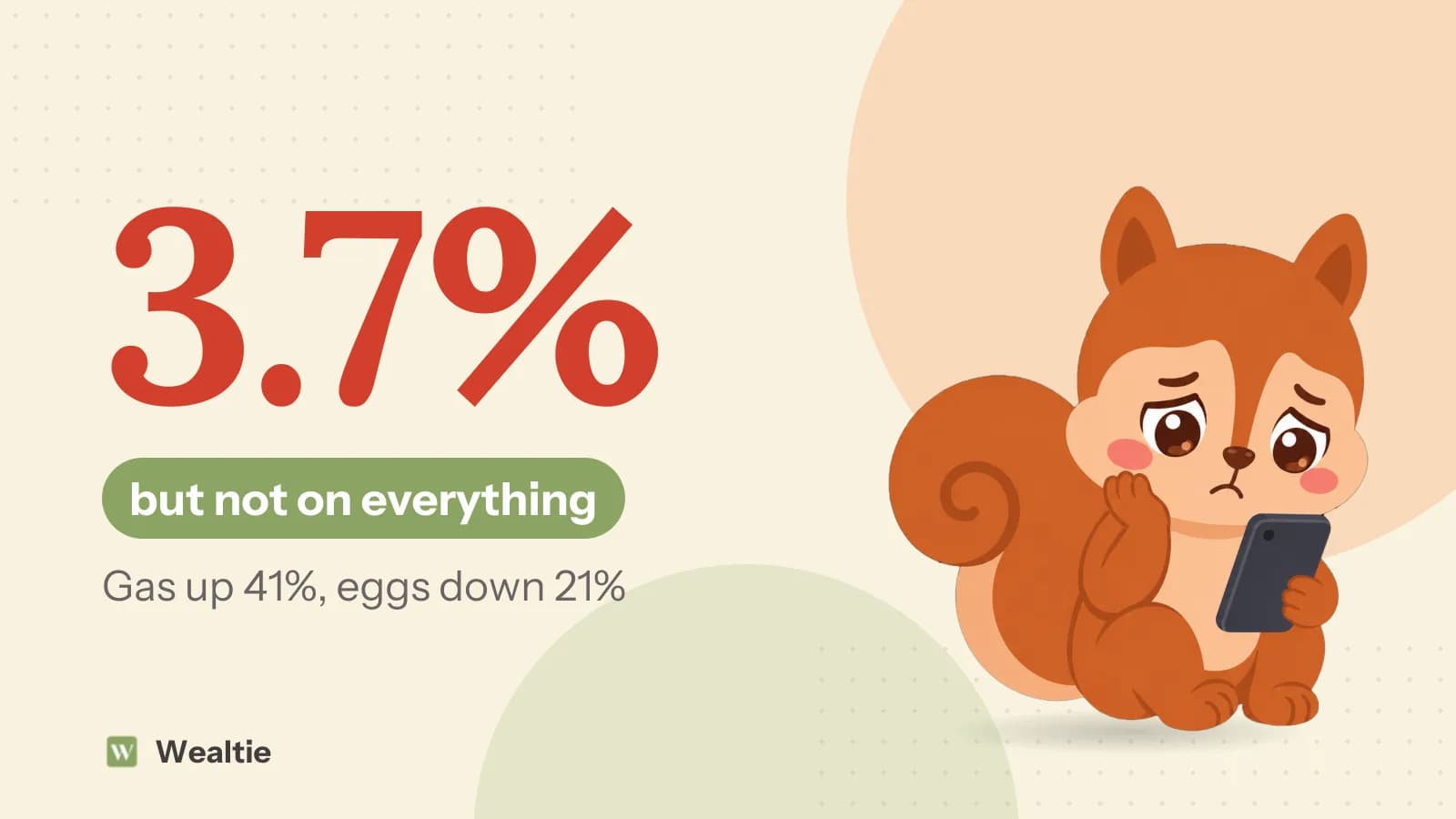
  • Wally looking worried beside 3.7% inflation, but not on everything: gas up 41%, eggs down 21%.
    BUDGETING

    How to budget for inflation when prices rise 3.7% a year

    To budget for inflation, update each category by what its prices actually did, not by the headline rate. US prices rose 3.7% overall in the year to September 2026, but gas rose far more while car insurance and eggs fell. Raise the categories that jumped, look for swaps in those, and recheck your budget every quarter.

    · 3 min read
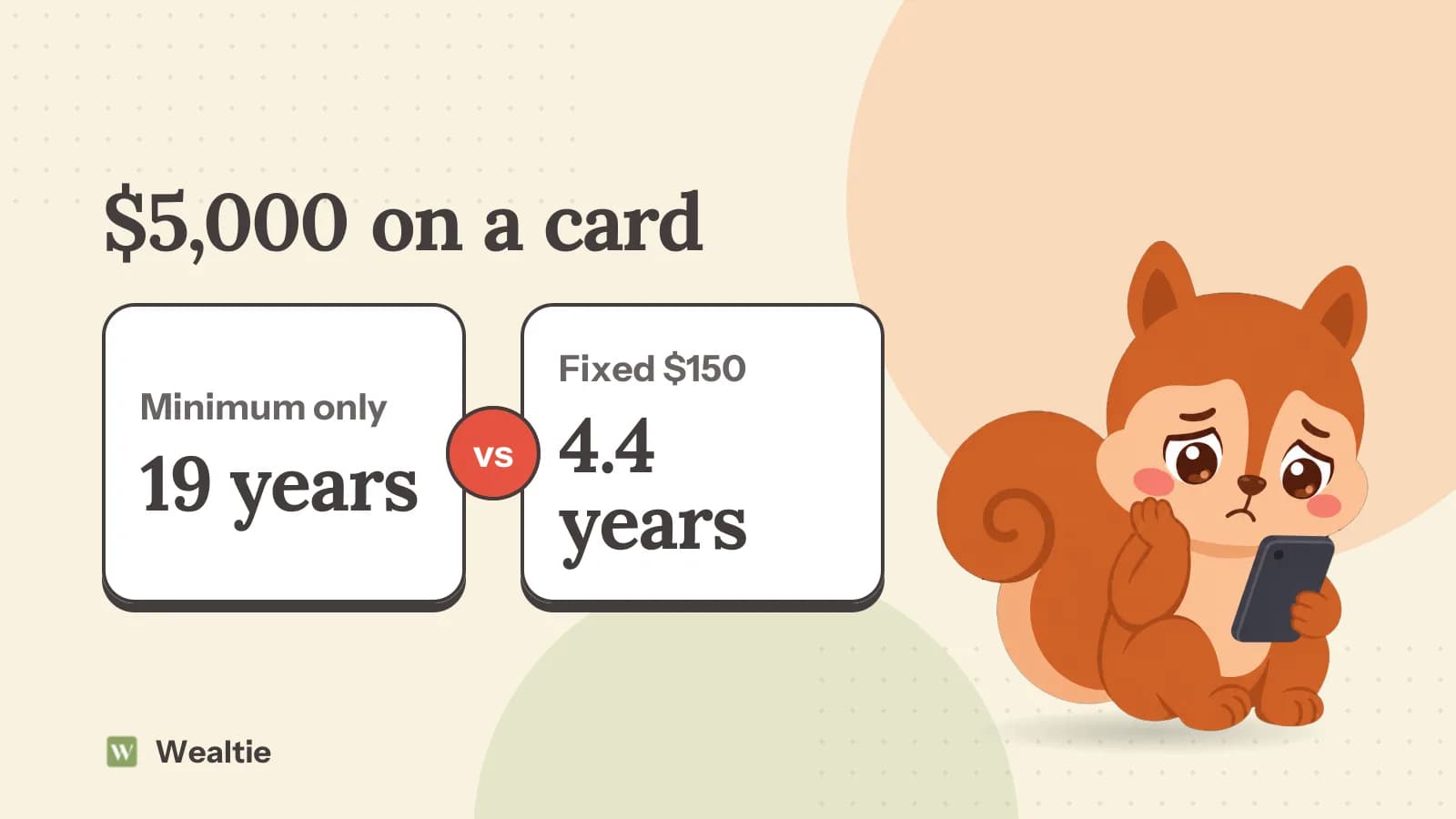
  • Wally looking worried beside '$5,000 on a card': minimum payments take 19 years, a fixed $150 takes 4.4 years.
    BUDGETING

    How long to pay off a credit card with minimum payments? 19 years

    Paying only the minimum, a $5,000 credit card balance at 22.36%, the August 2026 average on cards charging interest, takes about 19 years to clear and costs $8,241 in interest. Keep paying the first minimum of about $150 as a fixed amount instead, and it's gone in under four and a half years for $2,886.

    · 3 min read

  • Wally giving a thumbs up beside 'One Pro, two people': the owner invites on Pro, the partner joins on Free, costs are split to the cent.
    USING WEALTIE

    How to share a budget with your partner in Wealtie, roles and all

    To share a budget with your partner in Wealtie, the account owner, on Pro, invites them to a shared account and gives them a role: editor to log spending, viewer to see it. Your partner can join on any plan, Free included. Shared costs go in the shared account; everything else stays in your own accounts, private.

    · 3 min read

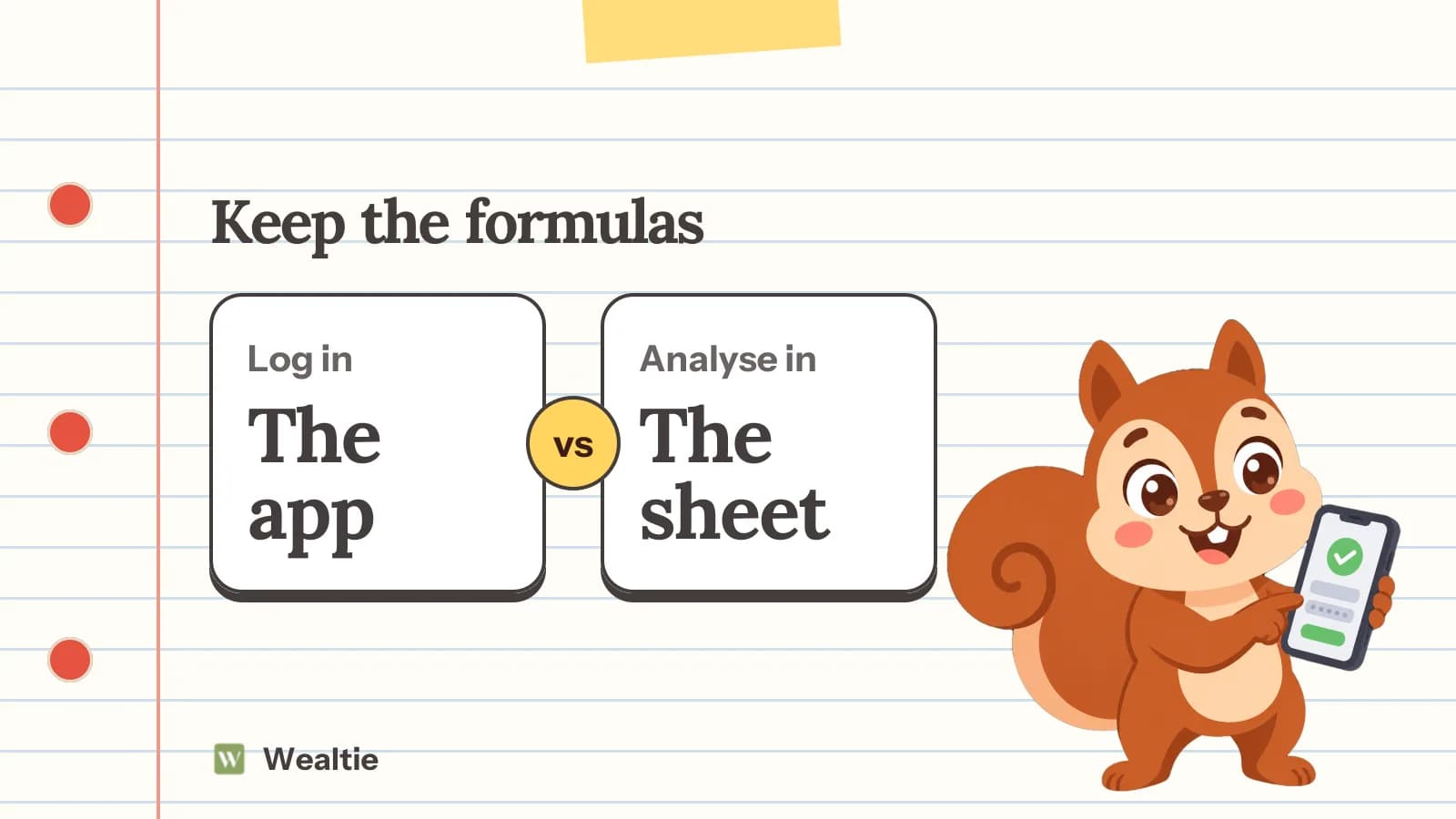
  • Wally checking his phone beside a notebook: keep the formulas. Log in the app, analyse in the spreadsheet.
    USING WEALTIE

    How to move from a budget spreadsheet to Wealtie, keeping what works

    To move from a budget spreadsheet to Wealtie, carry over your categories and monthly amounts, add your accounts with today's balances, and start logging on the 1st. Old history stays in the spreadsheet; Wealtie doesn't import it, but it exports every transaction as CSV, so your formulas keep working.

    · 3 min read

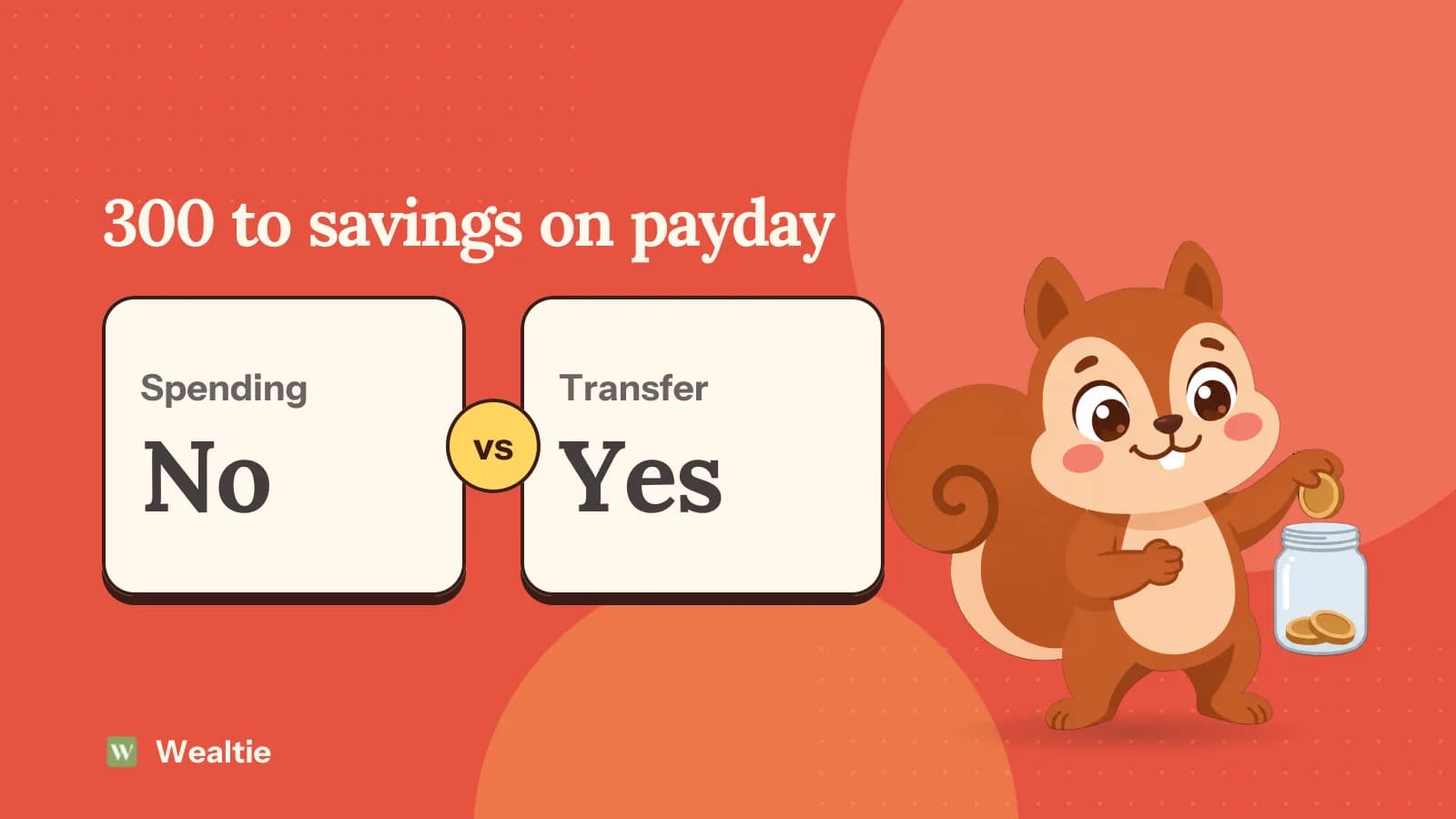
  • Wally dropping a coin into a jar beside '300 to savings on payday': it's a transfer, not spending.
    USING WEALTIE

    How to track an emergency fund in Wealtie, step by step

    To track an emergency fund in Wealtie, add it as its own account, log each payday deposit as a transfer from your everyday account, and set your monthly budget to take-home pay minus that transfer. Transfers between your own accounts aren't spending, so the fund grows in net worth while the budget shows what you spent.

    · 3 min read

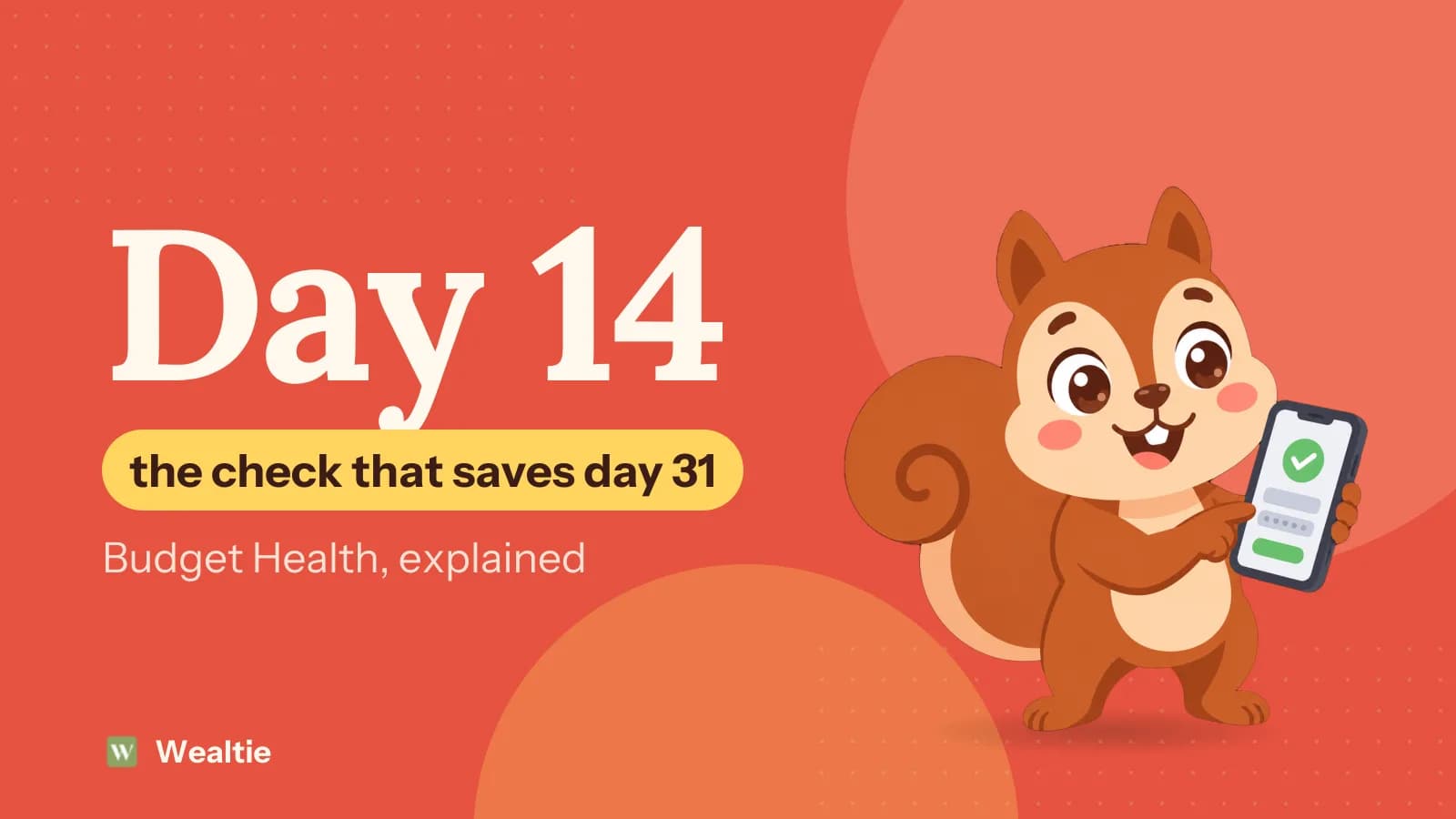
  • Wally checking his phone beside 'Day 14: the check that saves day 31. Budget Health, explained'.
    USING WEALTIE

    Budget Health: what the mid-month warning in Wealtie means

    Budget Health, explained: it's Wealtie's mid-month check on your spending pace. It looks at how fast you're spending against your monthly budget and warns you if, at that pace, you'll go over before the month ends. It's on the Free plan, and the point is timing: a warning on the 14th leaves two weeks to adjust.

    · 3 min read

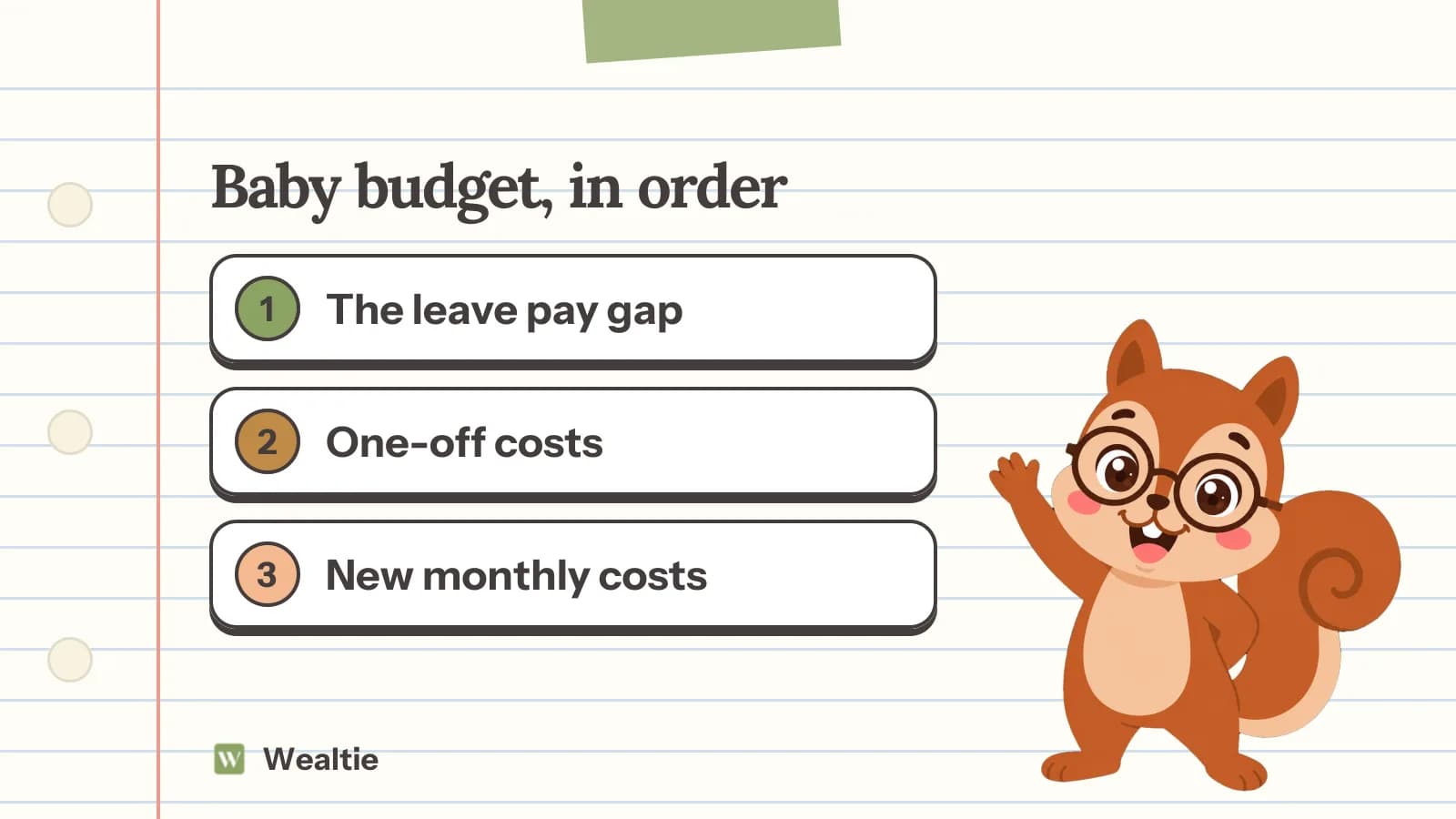
  • Wally waving beside a notebook: baby budget, in order. The leave pay gap, one-off costs, new monthly costs.
    BUDGETING

    How to budget for a baby: one-off costs, monthly costs and leave

    To budget for a baby, plan three things separately: one-off costs before the birth, new monthly costs once the baby arrives, and any drop in income during parental leave. The income drop is usually the biggest, so work it out first, then save for the one-off costs and test the new monthly budget before the due date.

    · 3 min read

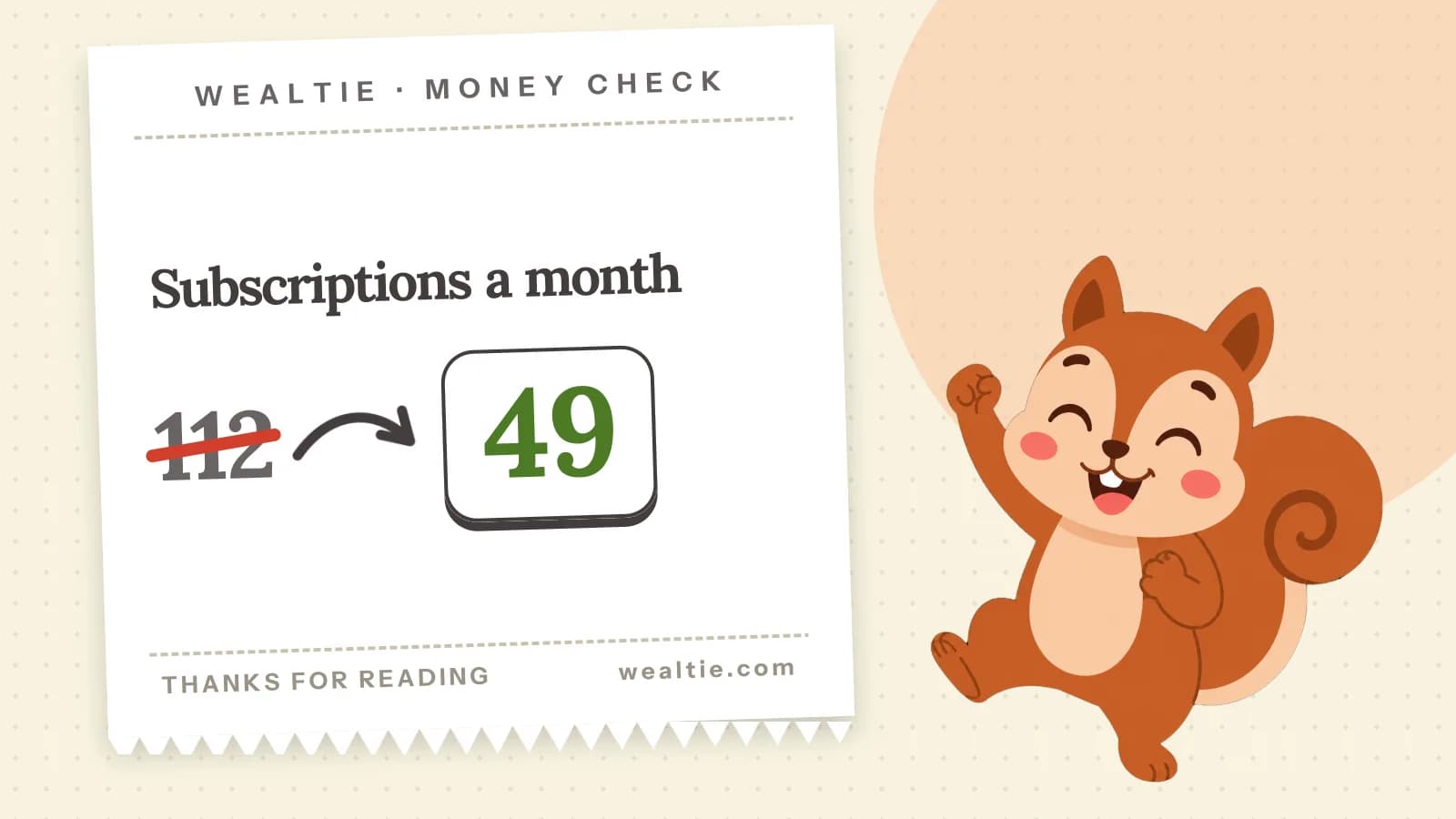
  • Wally celebrating beside a receipt: subscriptions cut from 112 to 49 a month in a worked example.
    BUDGETING

    How to cut subscription costs: a 30-minute audit and what to keep

    To cut subscription costs, list every recurring charge from three months of statements, then decide for each one: keep, downgrade, pause or cancel. Rotating streaming services instead of paying for all of them at once, and switching the ones you keep to yearly billing, usually cuts the total without losing much.

    · 3 min read

  • Wally giving a thumbs up beside −5.0%: US car insurance prices fell 5.0% in the year to September 2026.
    BUDGETING

    How to save money on car insurance while prices are falling

    The best way to save money on car insurance in 2026 is to compare quotes at every renewal: prices fell 5.0% in the year to September, according to the BLS, so last year's premium may now be above the market. Then raise your deductible if your savings can cover it, and check every discount.

    · 3 min read

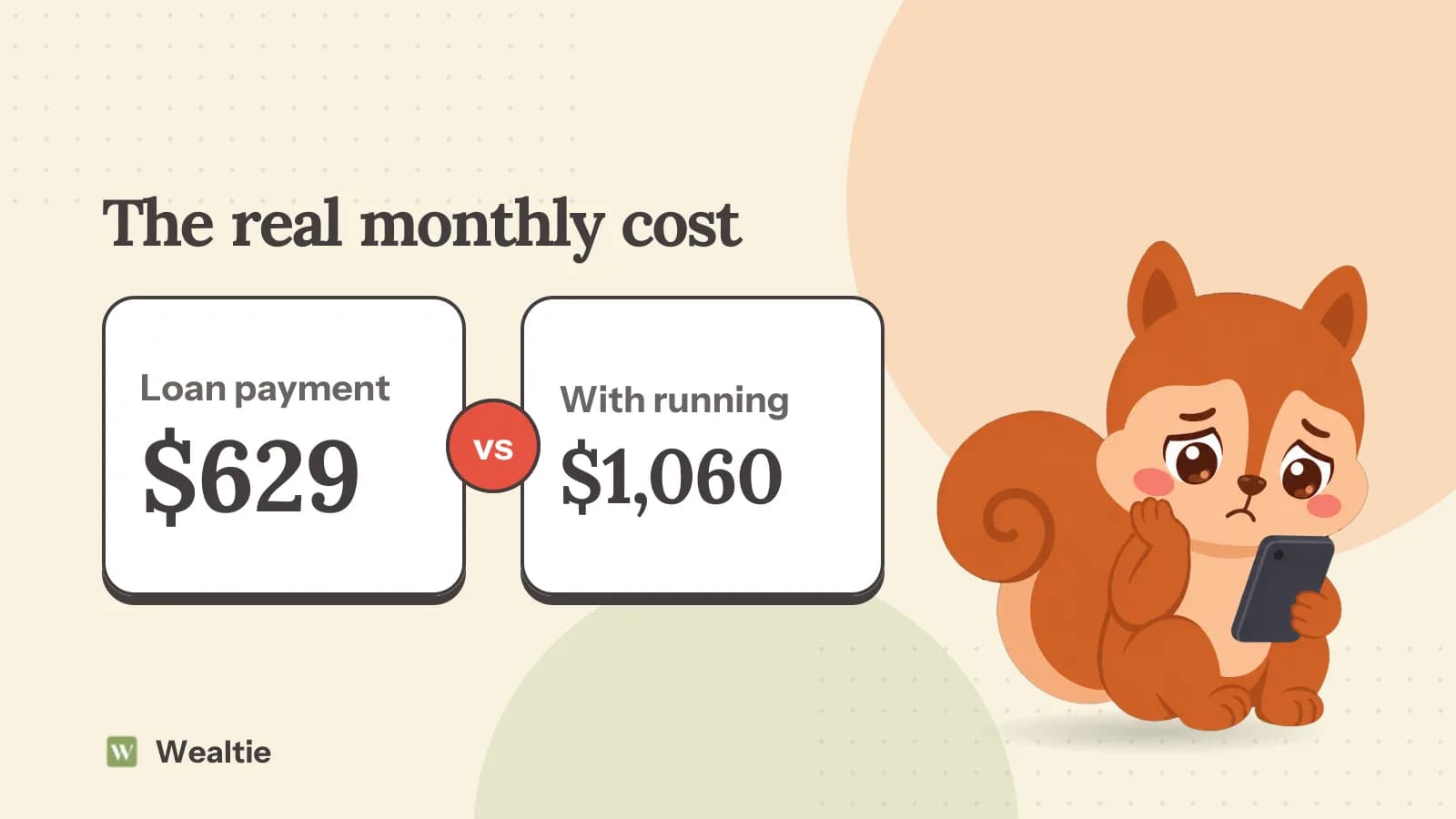
  • Wally looking worried beside 'The real monthly cost': a $629 loan payment becomes about $1,060 a month with insurance, fuel and maintenance.
    BUDGETING

    How much car can I afford? The payment, the full cost and a table

    The car you can afford is the one whose full monthly cost, loan payment plus insurance, fuel and upkeep, fits your budget alongside rent and savings. With the average new car at $50,562 and new car loans averaging 9.45% in September 2026, a $30,000 loan over 60 months costs about $629 a month before anything else.

    · 3 min read

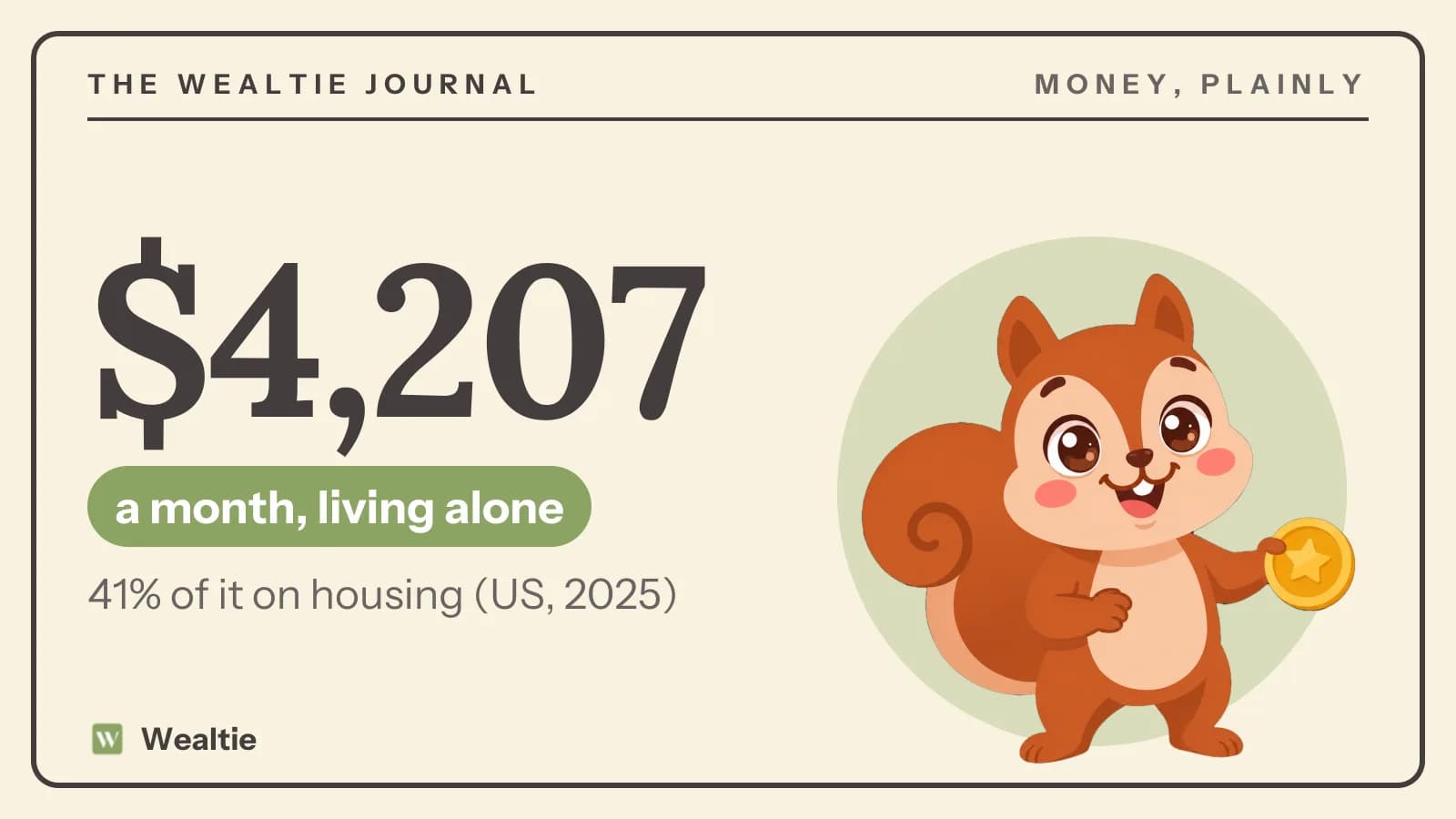
  • Wally holding out a coin beside $4,207 a month, the average spending of a one-person US household in 2025, 41% of it on housing.
    BUDGETING

    Average monthly expenses for one person: the 2025 numbers

    The average monthly expenses for one person living alone in the US were about $4,207 in 2025, according to the Bureau of Labor Statistics: $50,479 for the year. Housing took $1,708 a month, 41% of the total, followed by transport at $592 and food at $474.

    · 3 min read

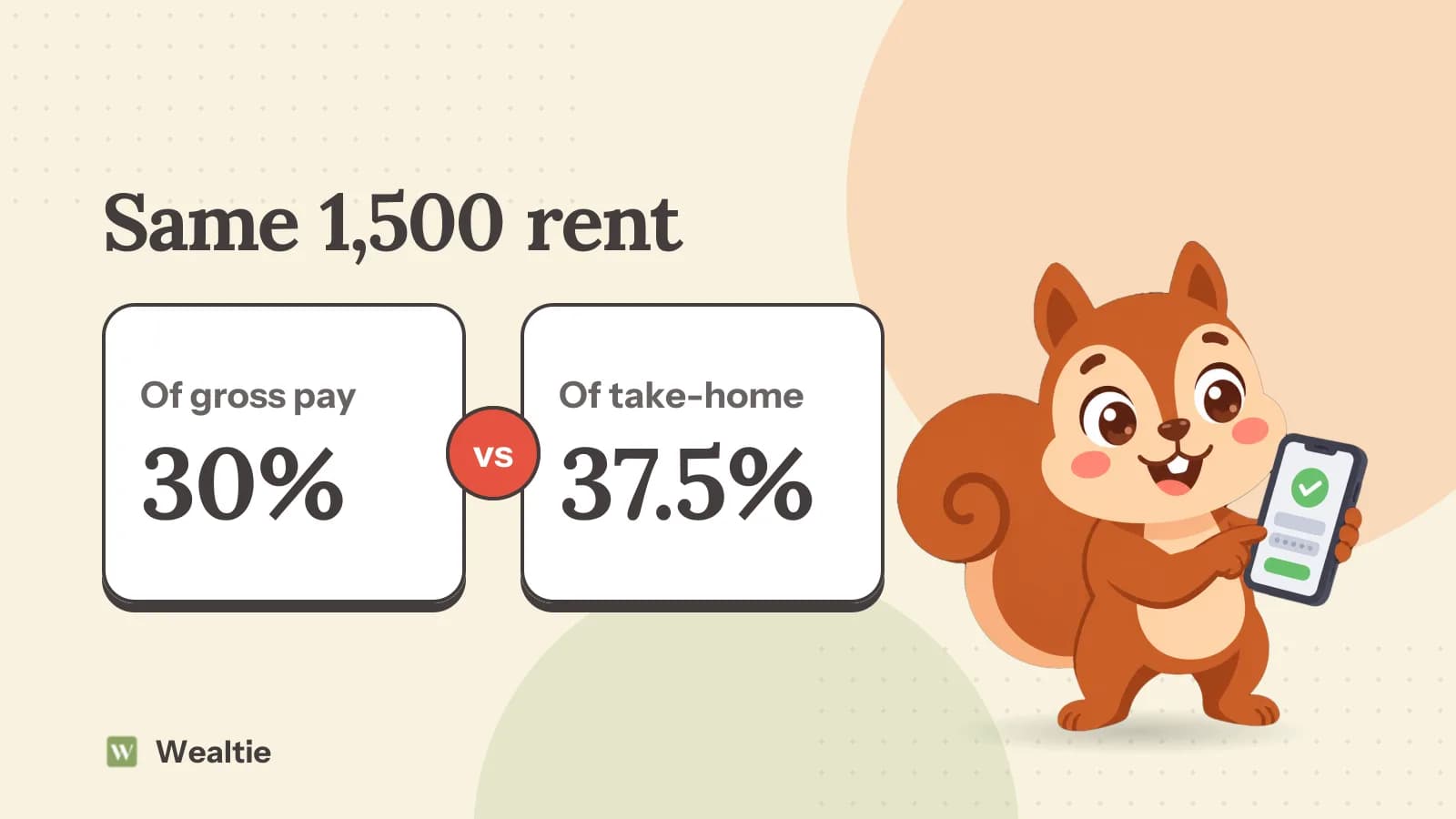
  • Wally checking his phone beside 'Same 1,500 rent': 30% of gross pay is 37.5% of take-home pay.
    BUDGETING

    How much rent can I afford? A rule, a table and the budget check

    A common answer to how much rent can I afford is 30% of gross income. A safer test uses take-home pay: keep rent to about 25% to 30% of what reaches your account, then check that rent, bills, groceries and debt payments together fit in half of it. On 4,000 a month take-home, that's rent of 1,000 to 1,200.

    · 3 min read

The weekly email

New posts, once a week

Once a week, the new posts on budgeting, saving and everyday money. Nothing else, and one click to leave.