Wealtie logoWealtie

Money & budgeting blog: Plain answers, sources included

Straight answers to everyday money questions: how much to save, how to set a budget you'll keep, what to do when your pay changes from month to month. Every post works through real numbers and shows where they come from.
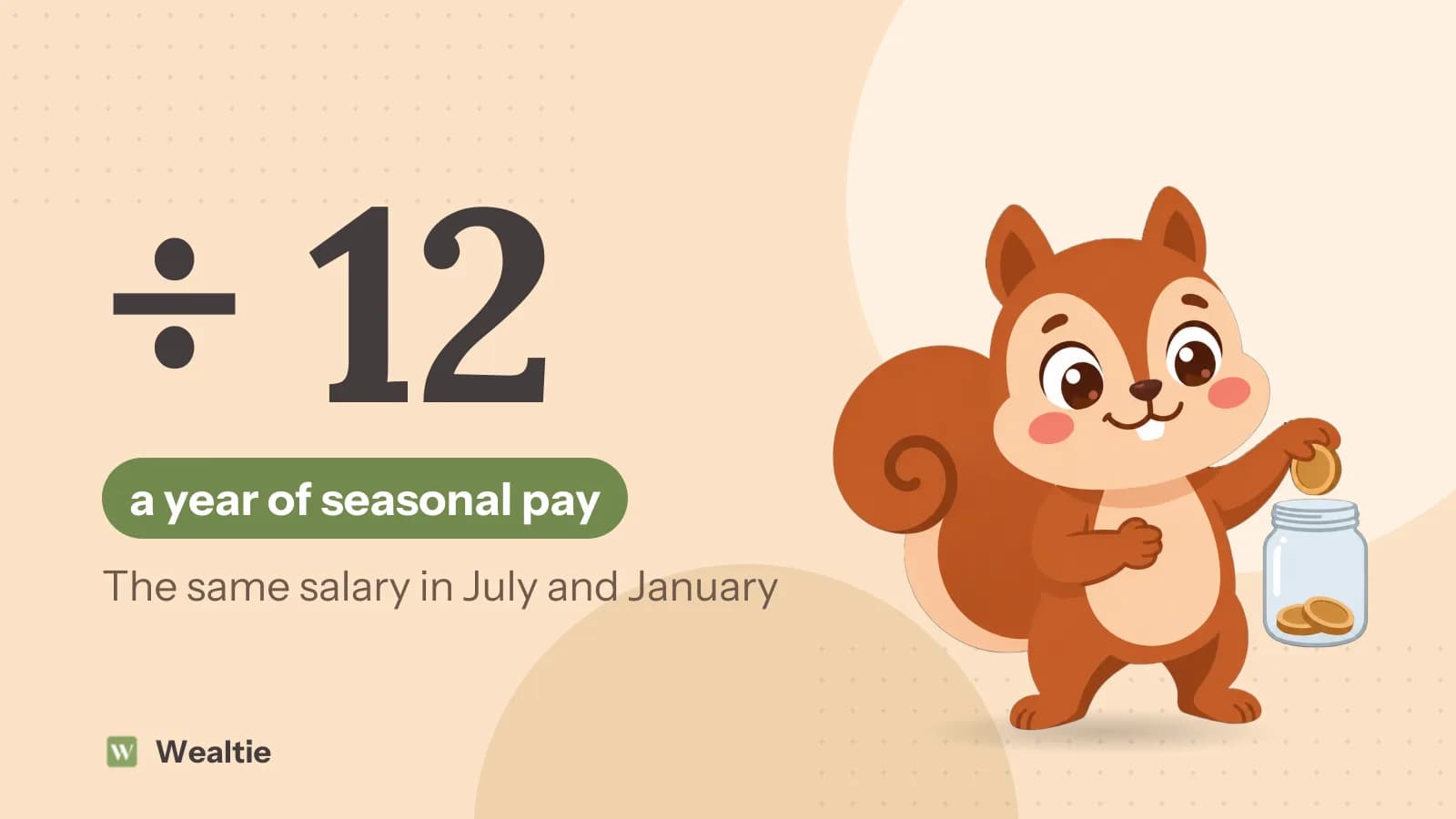
  • Wally with a coin jar beside '÷ 12': a year of seasonal pay divided into the same monthly salary in July and January.
    INCOME & FREELANCING

    How to budget seasonal income so the off-season is already paid for

    To budget seasonal income, add up what you expect to earn in the whole year, divide it by twelve, and pay yourself that amount every month from a holding account. Busy months fill the account; quiet months draw it down. The off-season is then already paid for before it starts.

    · 3 min read
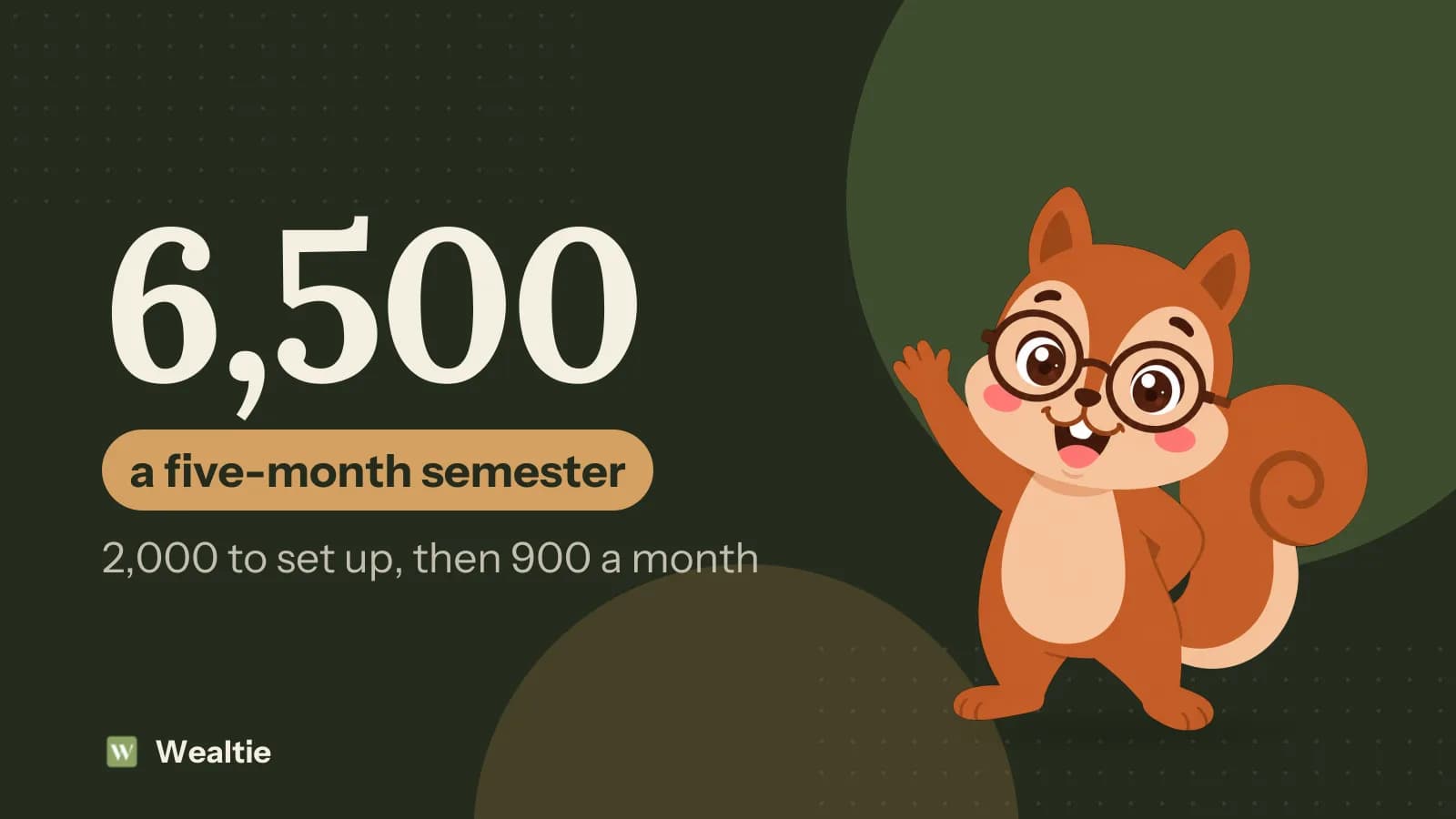
  • Wally waving beside 6,500: a five-month study abroad semester, with 2,000 of one-off costs and then 900 a month.
    MULTI-CURRENCY & TRAVEL

    How to budget for study abroad: before you go and month by month

    To budget for study abroad, split the costs in two: one-off costs before and on arrival, like visas, flights, deposits and insurance, and a monthly budget in the local currency for rent, food, transport and travel. Budget in the currency you'll spend, and keep a buffer for the first month, which costs most.

    · 3 min read

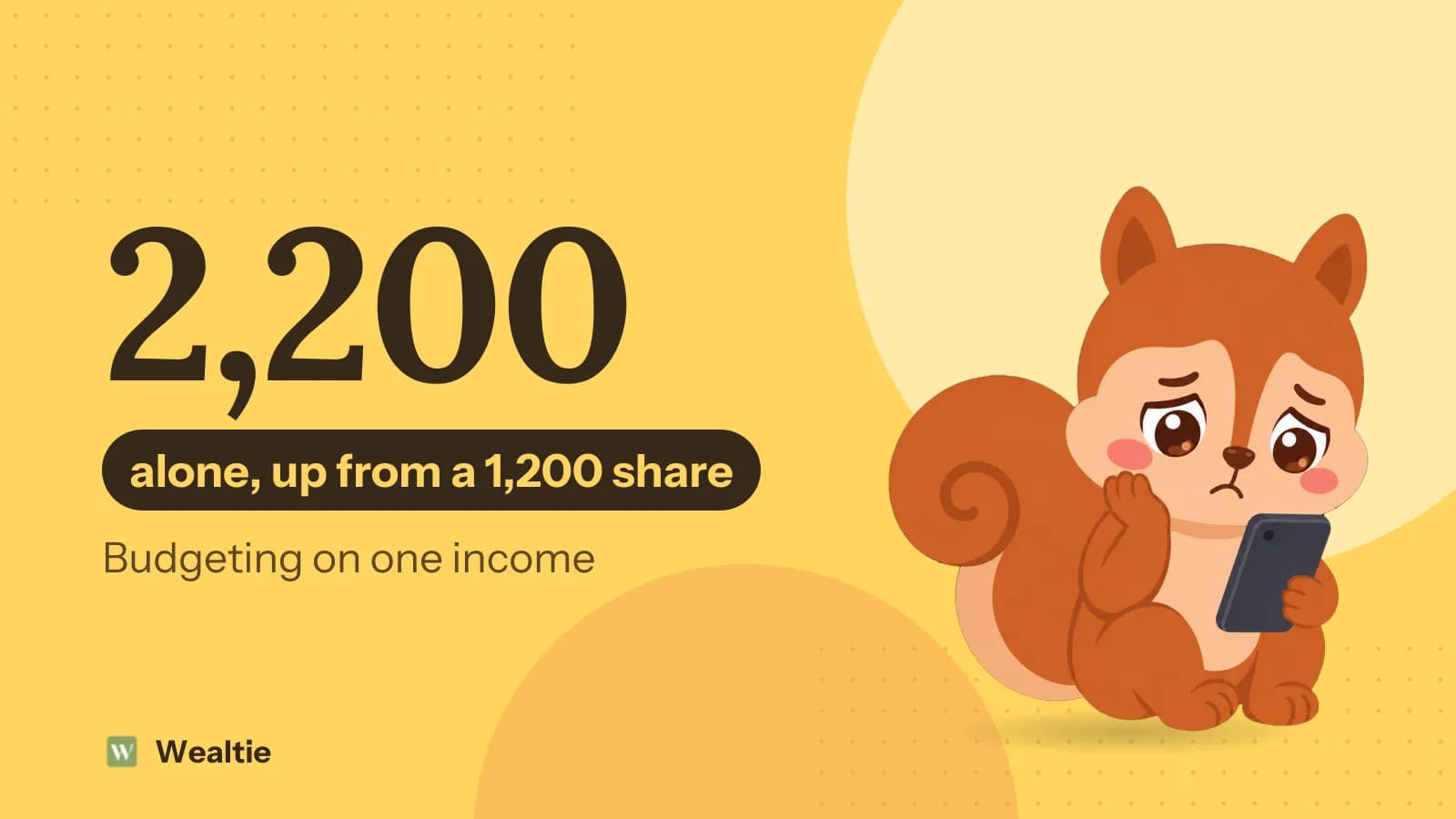
  • Wally looking worried beside 2,200: monthly costs living alone, up from a 1,200 share, when budgeting on one income after a breakup.
    MONEY AS A COUPLE

    How to budget after a breakup: the first month, then a new normal

    To budget after a breakup, first make sure your own pay lands in an account only you control, then list every joint account, bill and debt, and build a budget on one income. The first month is about stability, not savings: covering rent, bills and food while the shared money is untangled.

    · 3 min read

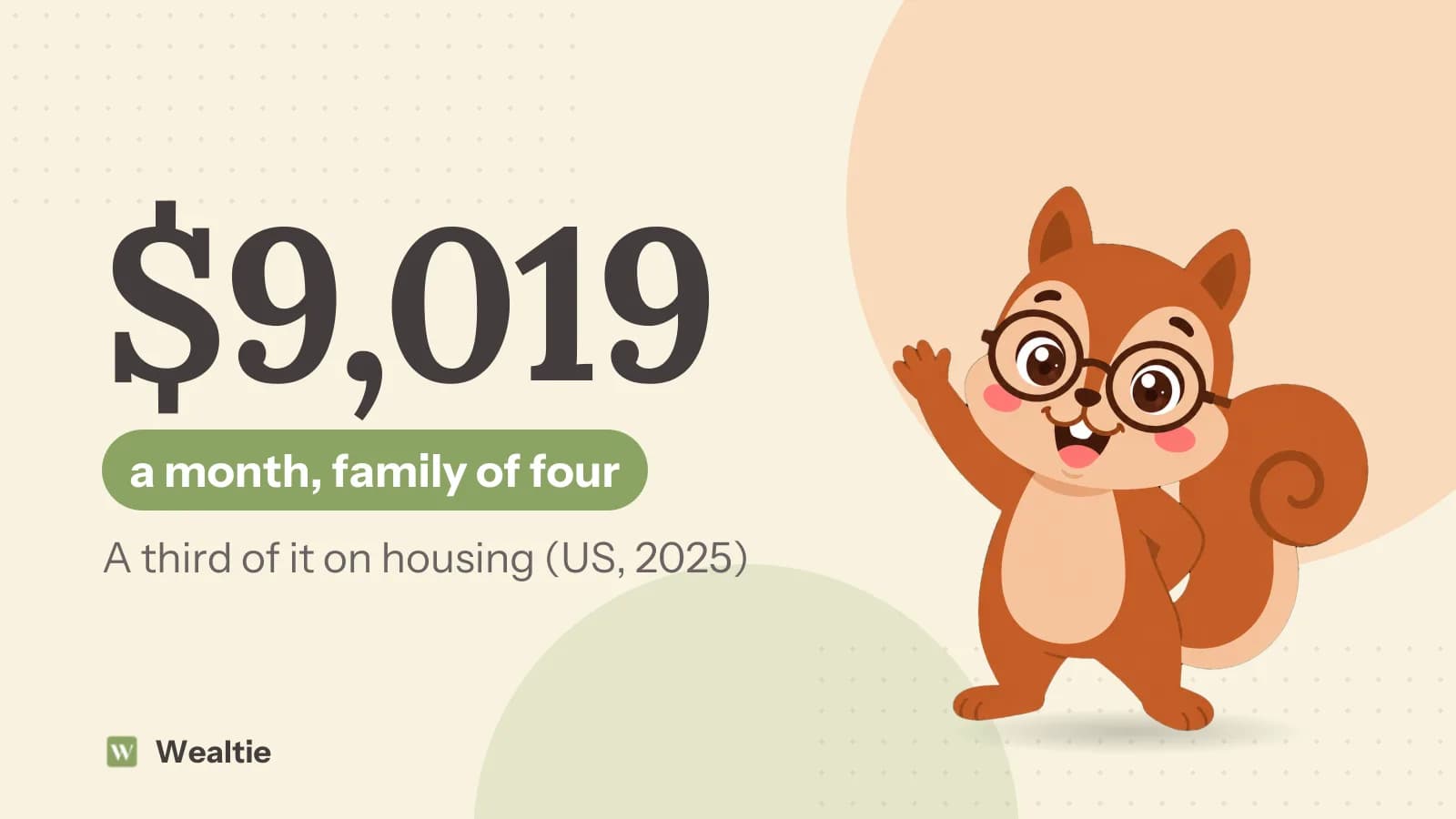
  • Wally waving beside $9,019 a month, the average spending of a four-person US household in 2025, a third of it on housing.
    BUDGETING

    How to make a family budget: what a family of four spends, and a plan

    To make a family budget, start from take-home pay, take off fixed bills and savings, then give every other category a monthly amount based on your last three months. For scale, US four-person households spent about $9,019 a month in 2025, by BLS data, a third of it on housing.

    · 2 min read

  • Wally holding out a coin beside 155 a month for a dog, plus a vet fund, from the post's worked example.
    BUDGETING

    How to budget for a pet: first-year costs, monthly costs and the vet

    To budget for a pet, plan three things: first-year setup costs, a monthly amount for food, routine care and insurance, and a separate fund for vet emergencies. US households spent an average of $997 on pets in 2025, by BLS data, but that average includes homes without pets, so an owner's figure is usually higher.

    · 3 min read

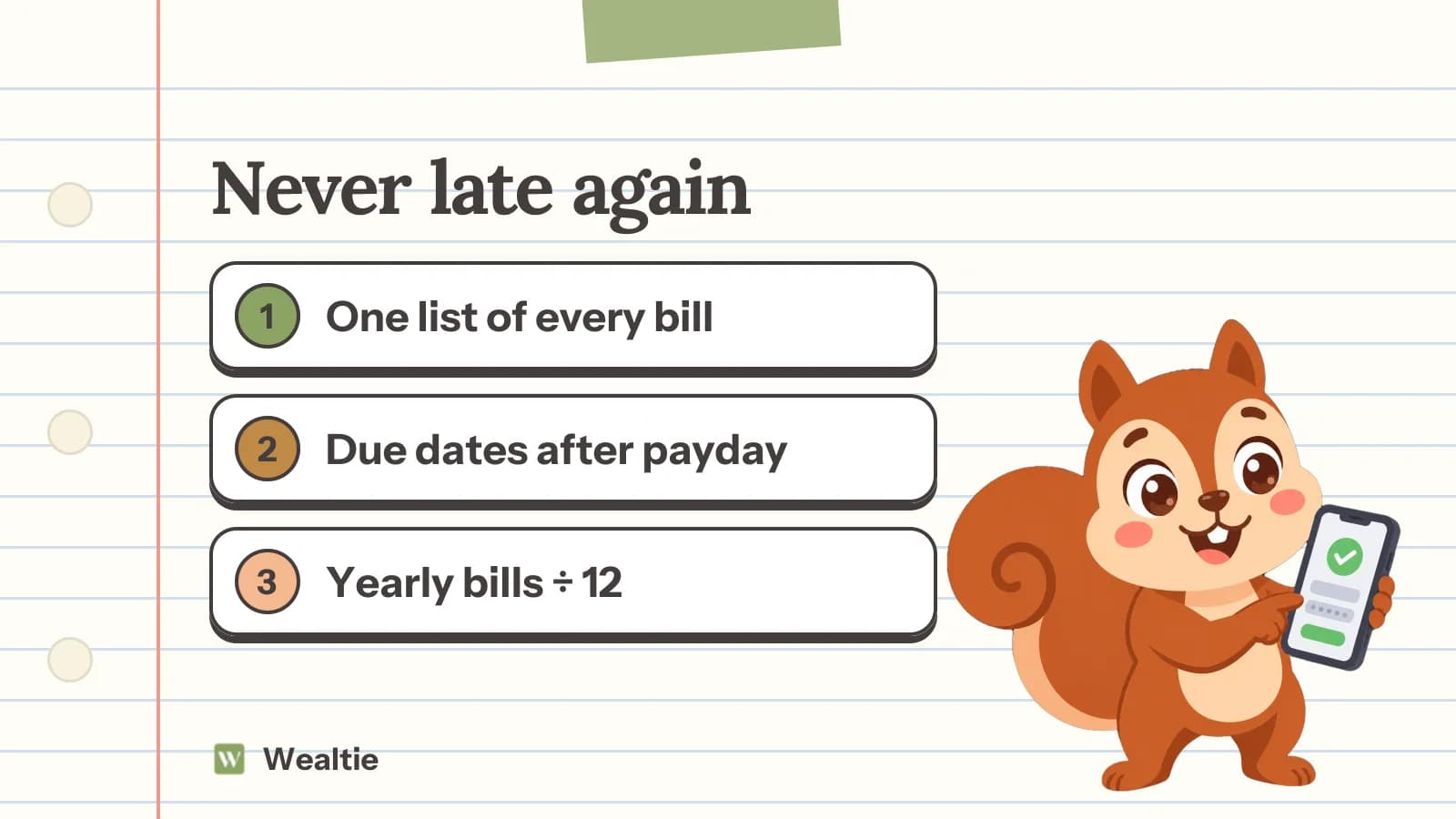
  • Wally checking his phone beside a notebook: never late again. One list of every bill, due dates after payday, yearly bills divided by 12.
    BUDGETING

    How to organize bills so nothing is paid late again

    To organize bills, make one list of every bill with its amount, due date and how it's paid, then move due dates so they fall just after payday and automate the fixed ones. Yearly bills get a monthly amount set aside, so nothing arrives as a surprise. The whole system takes an evening to set up.

    · 3 min read

  • Wally giving a thumbs up beside 'Test it for 3 months: live on one salary before you have to'.
    MONEY AS A COUPLE

    Living on one income: how to budget when one partner stops earning

    Living on one income works best if you test it before the second income stops: live on one salary for three months, save the other in full, and see what breaks. The fixed costs, the size of the buffer, and how money feels fair to the partner without a salary decide whether it lasts.

    · 3 min read

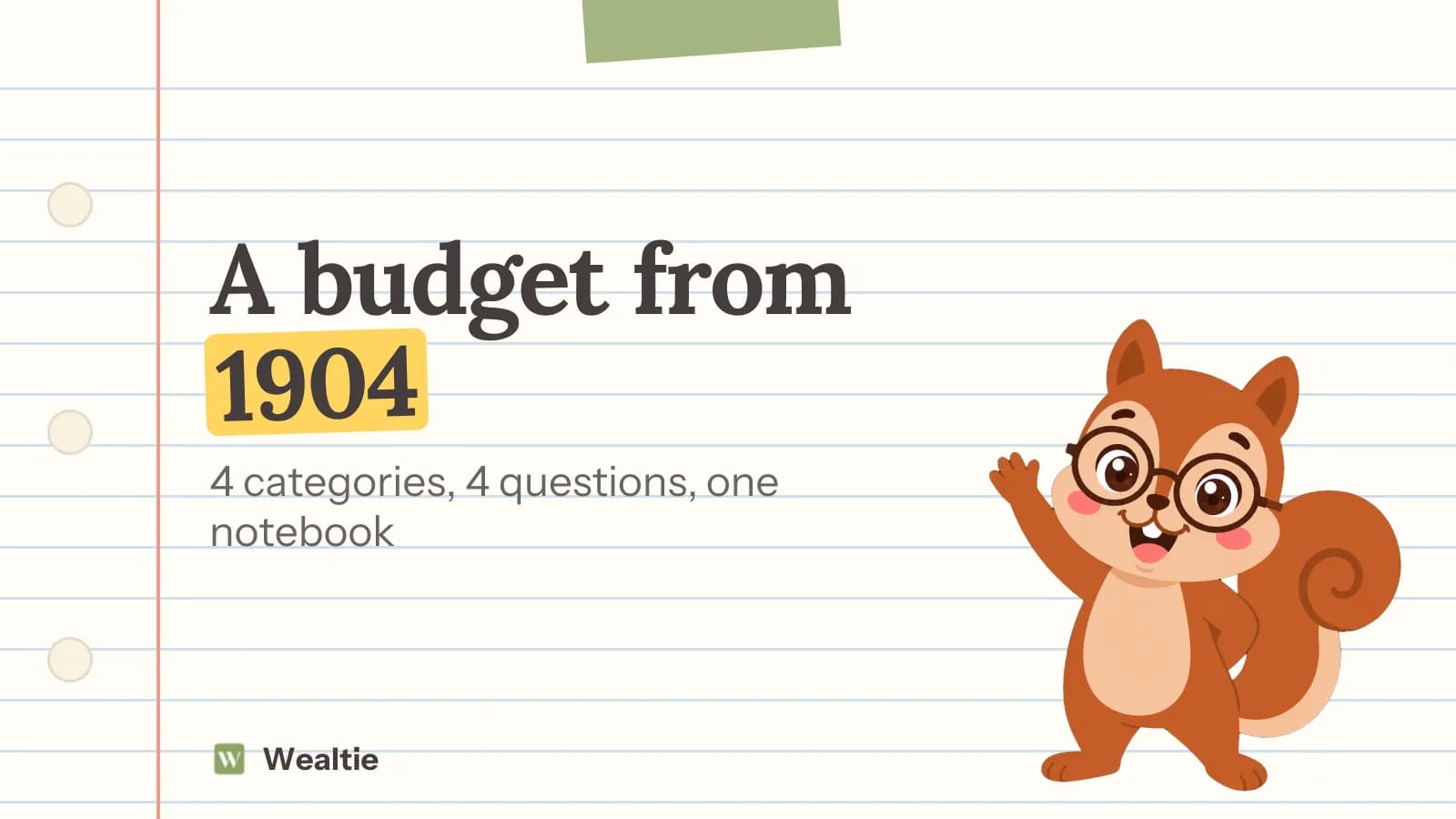
  • Wally waving beside a notebook: 'A budget from 1904: 4 categories, 4 questions, one notebook'.
    BUDGETING

    Kakeibo: the Japanese budgeting method, and how to use it today

    Kakeibo is a Japanese household budgeting method built on a written ledger: set a savings goal at the start of the month, sort every purchase into four categories (needs, wants, culture and unexpected), and answer four questions at the end. The writing is the point: it makes you look at each purchase twice.

    · 3 min read

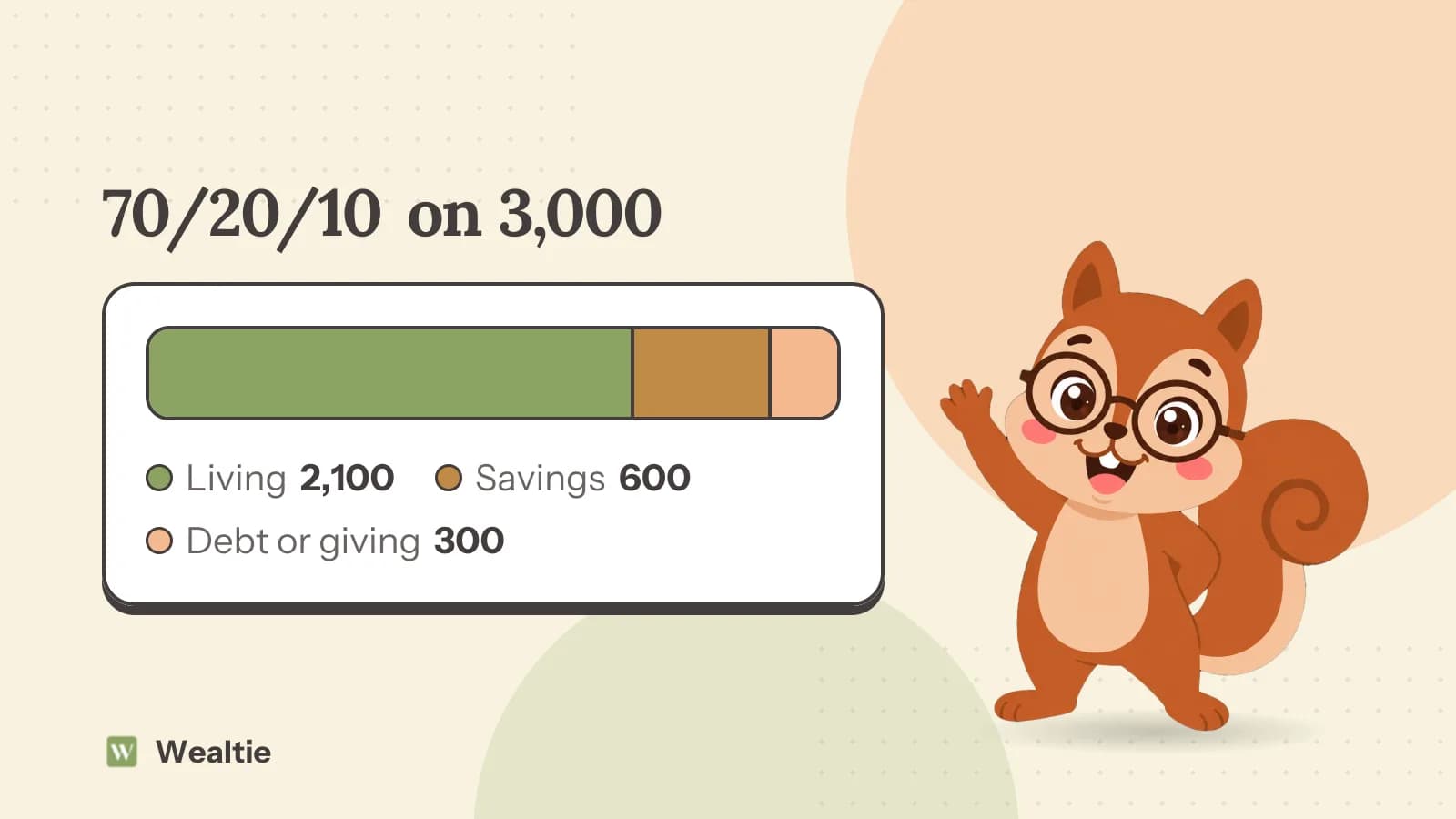
  • Wally waving beside a split bar of 3,000 take-home pay under the 70/20/10 rule: 2,100 living costs, 600 savings, 300 debt or giving.
    BUDGETING

    The 70/20/10 budget rule: how it works and when it beats 50/30/20

    The 70/20/10 budget rule splits take-home pay three ways: 70% for everything you live on, needs and wants together, 20% for savings and 10% for paying off debt or giving. On 3,000 a month, that's 2,100, 600 and 300. It suits people whose rent and bills leave no room for the 50% needs line of the 50/30/20 rule.

    · 3 min read

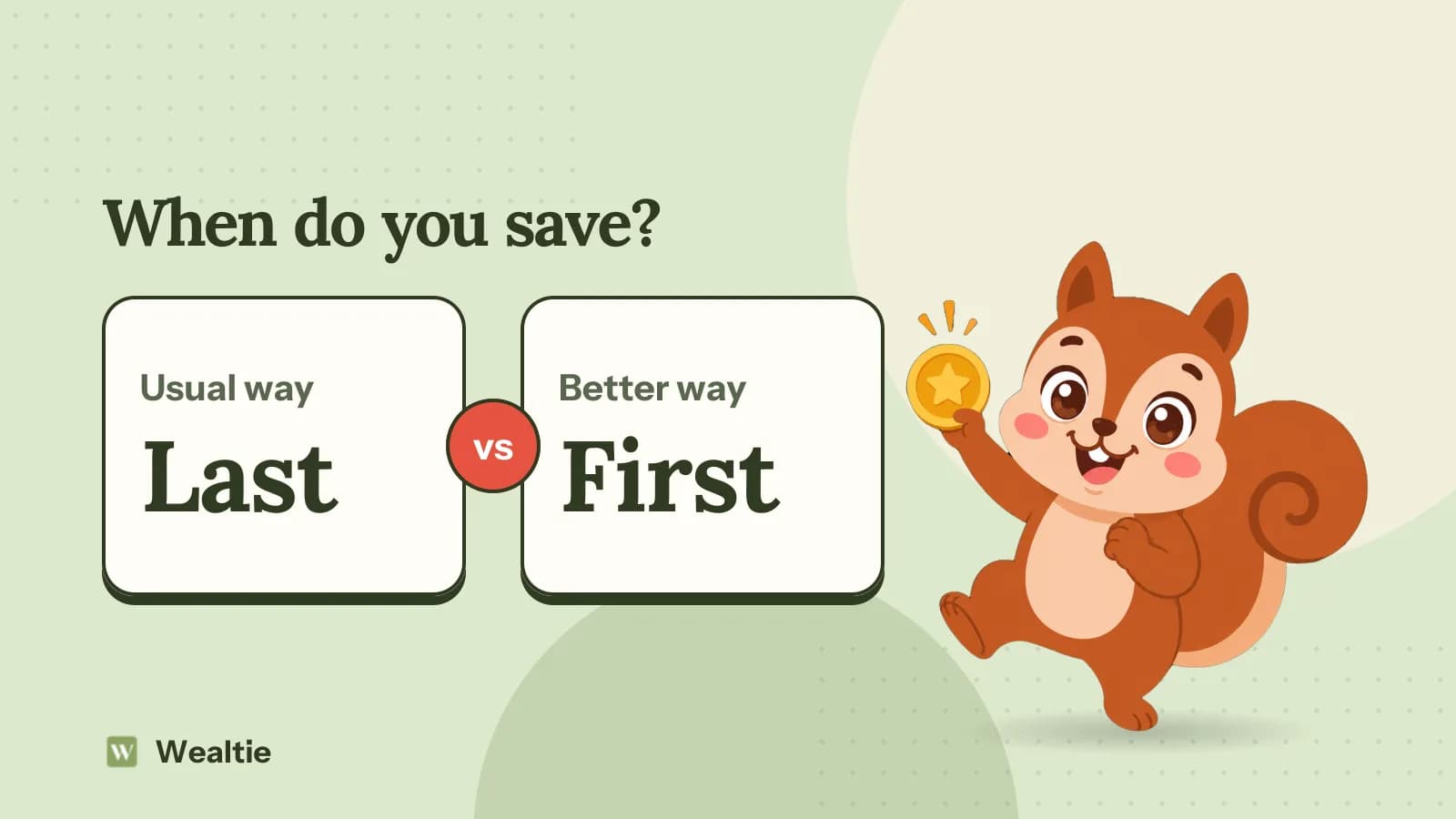
  • Wally holding up a coin beside 'When do you save?': the usual way is last, the better way is first.
    SAVING

    Pay yourself first: how to save before you spend, with numbers

    Pay yourself first means moving a set amount into savings on payday, before rent, bills or anything else, and living on what's left. Instead of saving whatever remains at the end of the month, which is usually nothing, you decide the saving first and the spending fits around it.

    · 3 min read

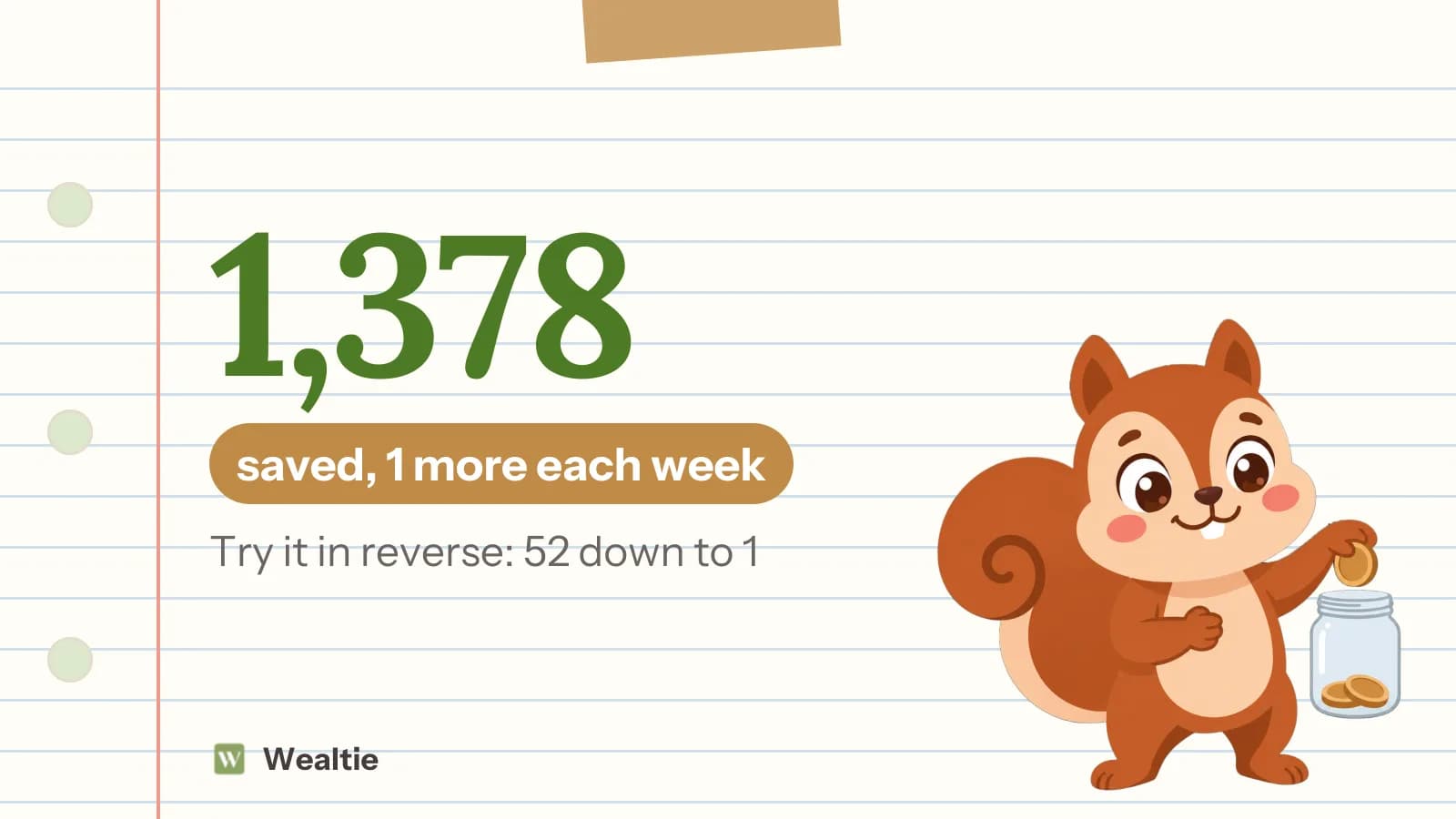
  • Wally dropping a coin into a jar beside 1,378 saved in 52 weeks, 1 more each week. Try it in reverse: 52 down to 1.
    SAVING

    52-week savings challenge: $1,378 in a year, and versions that work

    The 52 week savings challenge has you save 1 in week one, 2 in week two, and so on up to 52 in the last week, for 1,378 by the end of the year. The catch is that the biggest weeks land in December; doing it in reverse, starting at 52, puts the hard weeks first and finishes the same.

    · 3 min read

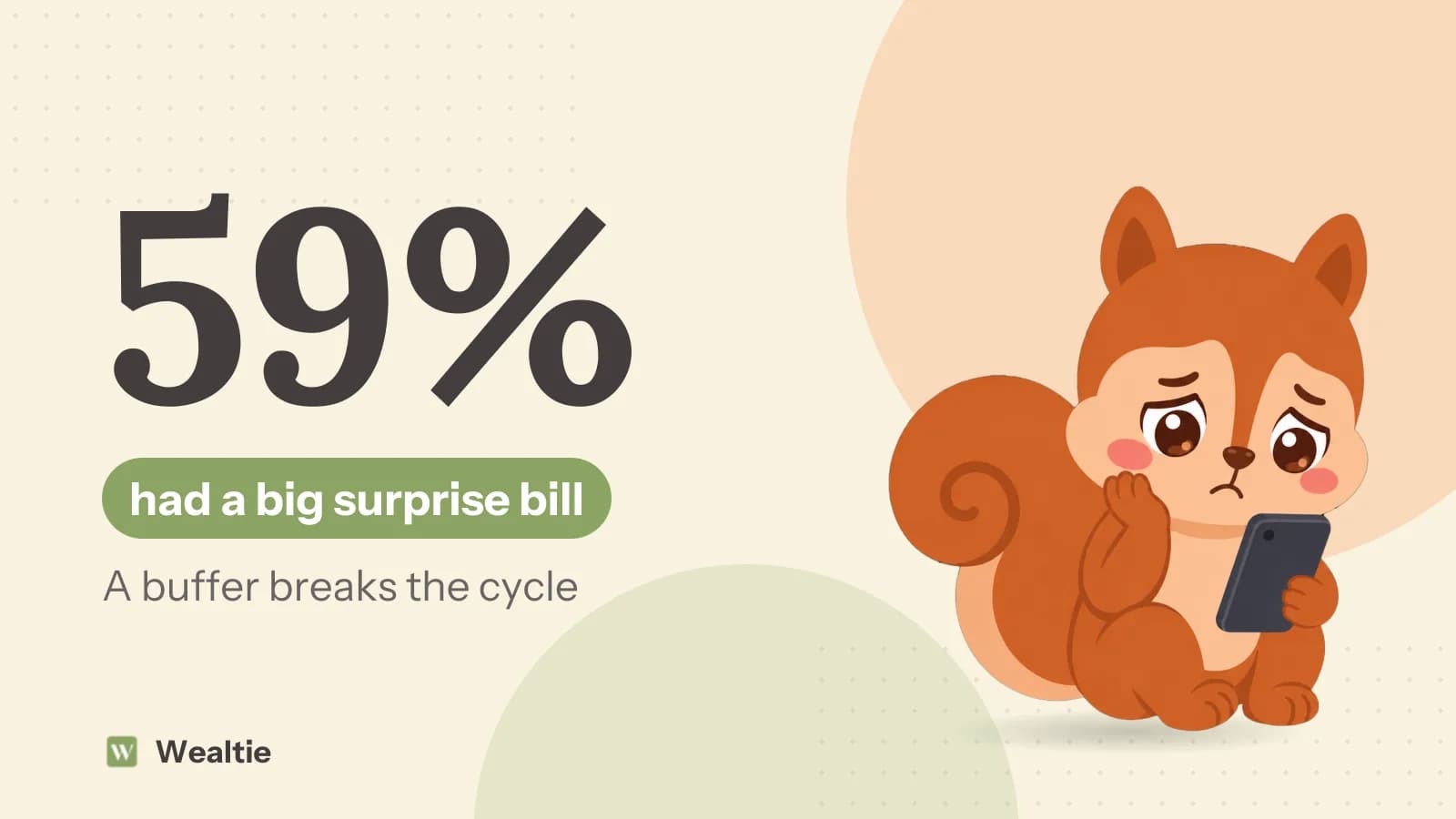
  • Wally looking worried beside 59%: the share of US adults with a major unexpected expense in 2025. A buffer breaks the cycle.
    BUDGETING

    How to stop living paycheck to paycheck, one month at a time

    To stop living paycheck to paycheck, find the week your money runs out and why, then build a small buffer so this month's bills aren't waiting on this month's pay. In the Fed's 2025 survey, 59% of adults had a major unexpected expense in a year, so the buffer is what breaks the cycle, not a tighter budget alone.

    · 3 min read

The weekly email

New posts, once a week

Once a week, the new posts on budgeting, saving and everyday money. Nothing else, and one click to leave.