Income & freelancing: How to negotiate a pay rise, and what to do with it after
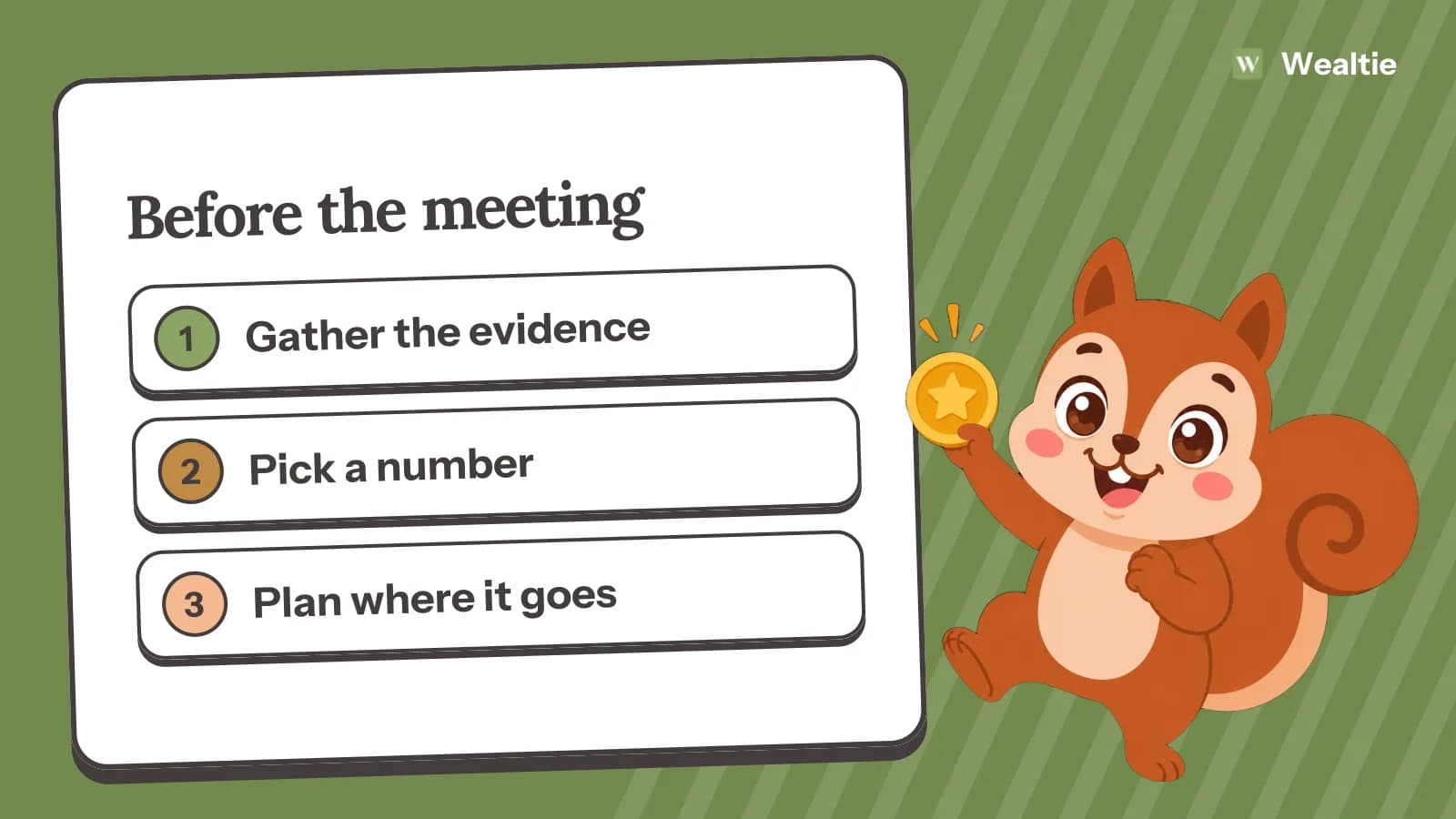
Here's how to negotiate a pay rise: gather evidence of what you've delivered and what the role pays elsewhere, ask for a specific number at the right time, and decide in advance where the extra money will go.
 By Wealtie Team · 3 min read
Key takeaways
- Bring evidence of what you've delivered and what similar roles pay, not reasons you need the money.
- Ask for a specific number, a little above what you'd accept.
- Timing matters: after a success, before budgets are set, or when your responsibilities have grown.
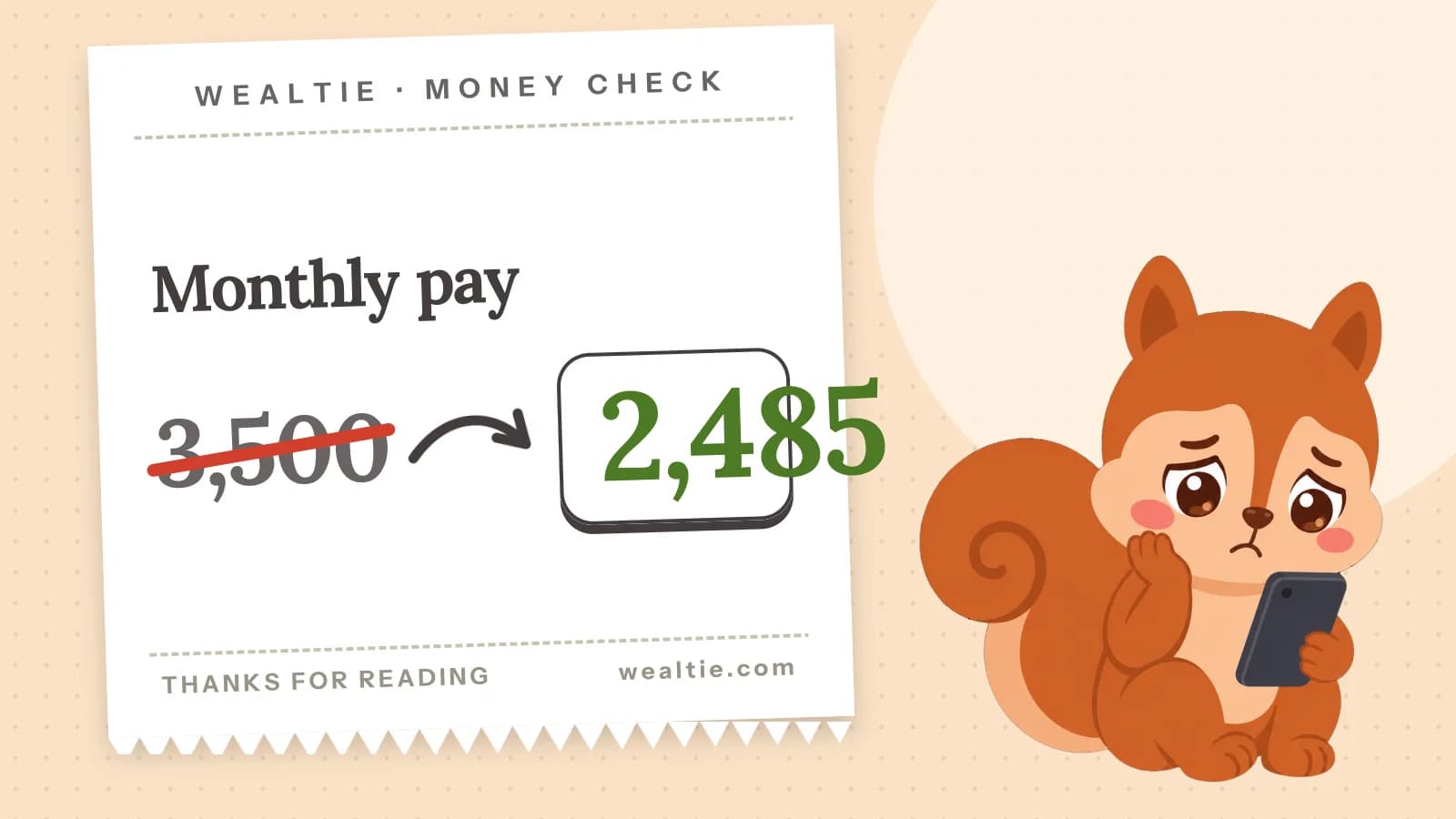
- A raise of 300 a month before tax is 3,600 a year, but take-home will be lower, so plan from the net figure.
How do you negotiate a pay rise?
Prepare a case, ask for a specific amount and have a plan for the answer. The case is about the value you bring and what the market pays for it. Your rent going up is real, but it's not your employer's argument for paying you more.
What evidence should you bring?
Two kinds: what you've done, and what the role is worth.
For what you've done, list concrete results from the last year. Projects you delivered, money you saved or brought in, problems you solved, responsibilities you took on that weren't in your job description. Numbers help: "cut the monthly reporting from three days to one" lands better than "improved processes".
Keep a running list through the year so you're not rebuilding it the week before. Emails where someone thanked you, figures from reports you produced, and work you took over when a colleague left all count. Bring it on one page.
For what the role's worth, look at job adverts for similar positions in your area, salary surveys from your industry or professional body, and what people in similar roles tell you. You're looking for a range.
How much should you ask for?
A specific figure, a bit above what you'd be happy with. If you'd accept 3,300 a month, ask for 3,400 or 3,500, so there's room to meet in the middle. Base it on your evidence. A figure near the top of the market range needs a strong case.
Say the number. "Something more" invites a small offer. "I'd like my salary to move to 3,400 a month" gives them something to work with.
When should you ask?
When you've got leverage and they've got room:
- Shortly after a clear success
- Before the budget for next year's set, often a few months before the financial year starts
- When your role has grown beyond what you were hired for
- At your annual review, with your evidence ready
Avoid asking in the middle of a crisis at work or straight after a poor result. Book a meeting for it, so your manager knows what to expect and isn't caught off guard.
What do you say in the meeting?
Keep it short. Start with what you've delivered, then the market range, then your number. Something like:
"Over the past year I've taken on the supplier contracts and cut our costs on them. Similar roles in the area are advertised between 3,300 and 3,600 a month. I'd like to discuss moving my salary to 3,400."
Then stop talking and let them answer. Silence feels awkward, but it gives them space to respond.
What if they say no?
Ask what it would take. "What would I need to show to get there by the next review?" Agree specific goals and a date to revisit it, and confirm it by email afterwards.
If money's not possible now, ask about other things: extra holiday, flexible hours, training paid for, a title change that sets you up for a raise later. Some of those have real value.
If they say no and can't give you a path, that tells you something too. You might do better looking elsewhere, and an outside offer is often the fastest route to a market rate.
What should you do with the raise?
Plan from the take-home figure. A raise of 300 a month before tax is 3,600 a year, but after tax and other deductions it'll be noticeably less. Wait for the first payslip to see the real number.
Then decide where it goes before you get used to it. A simple rule is half to savings or debt and half to enjoy. Set up the transfer for that first payday. What to do with a pay rise goes into the options. The thing to avoid is lifestyle creep: a raise that disappears into bigger bills.
What if you're self-employed?
The same principles apply to raising your rates, with notice for existing clients. How to set your freelance rate covers working out the number and how to tell clients.
How do you track a raise in Wealtie?
Update your monthly income goal to the new take-home figure, and the income tracker shows the change. Leave your monthly limit in the budget tracker where it was for now, and move the extra to savings as a transfer, which isn't counted as spending. Raise the budget later on purpose, if you decide to.
Questions people ask
Book a meeting, present what you've delivered and what similar roles pay, then name a specific figure. Keep it short and let them respond.
A specific amount a little above what you'd accept, based on what similar roles pay. That leaves room to meet in the middle.
Ask what you'd need to show to get one, agree goals and a date to revisit, and confirm it in writing. Consider other benefits, or an outside offer, if there's no path.
Plan from the take-home figure and decide before your first new payslip. Sending half to savings or debt and enjoying the other half is a simple rule.
This article is general information, not financial, tax or legal advice. Your situation is your own; check the numbers that apply to you before you act on them.