Wealtie logoWealtie

Money & budgeting blog: Plain answers, sources included

Straight answers to everyday money questions: how much to save, how to set a budget you'll keep, what to do when your pay changes from month to month. Every post works through real numbers and shows where they come from.
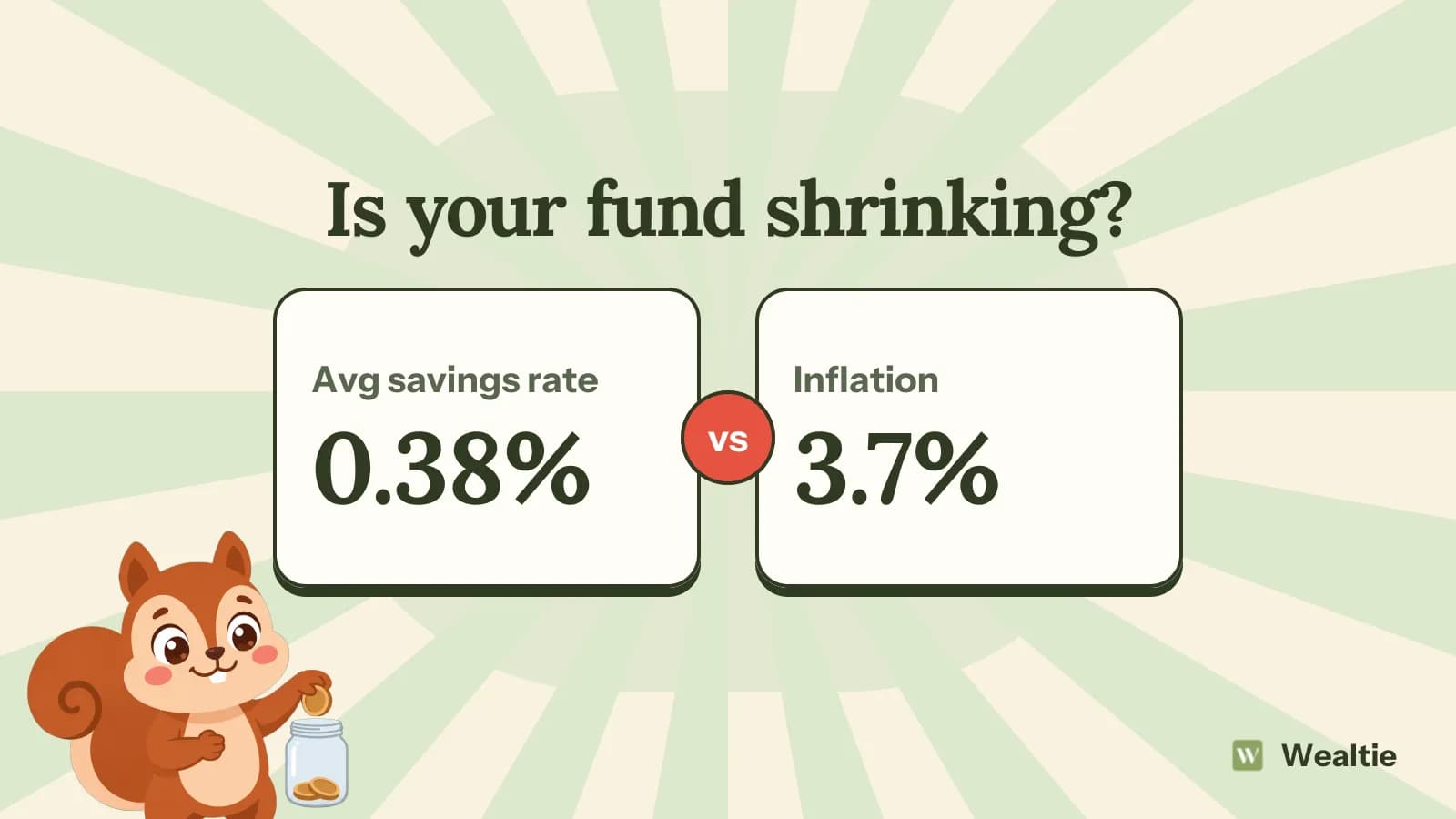
  • Wally dropping a coin into a jar beside 'Is your fund shrinking?', comparing the 0.38% average savings rate with 3.7% inflation.
    SAVING

    Where to keep your emergency fund (and where not to)

    Keep your emergency fund in a separate savings account at an insured bank or credit union, one you can draw on within a few days without a penalty. A high-yield savings or money market deposit account fits. That's where to keep an emergency fund; stocks, money market funds and cash at home are where not to.

    · 5 min read
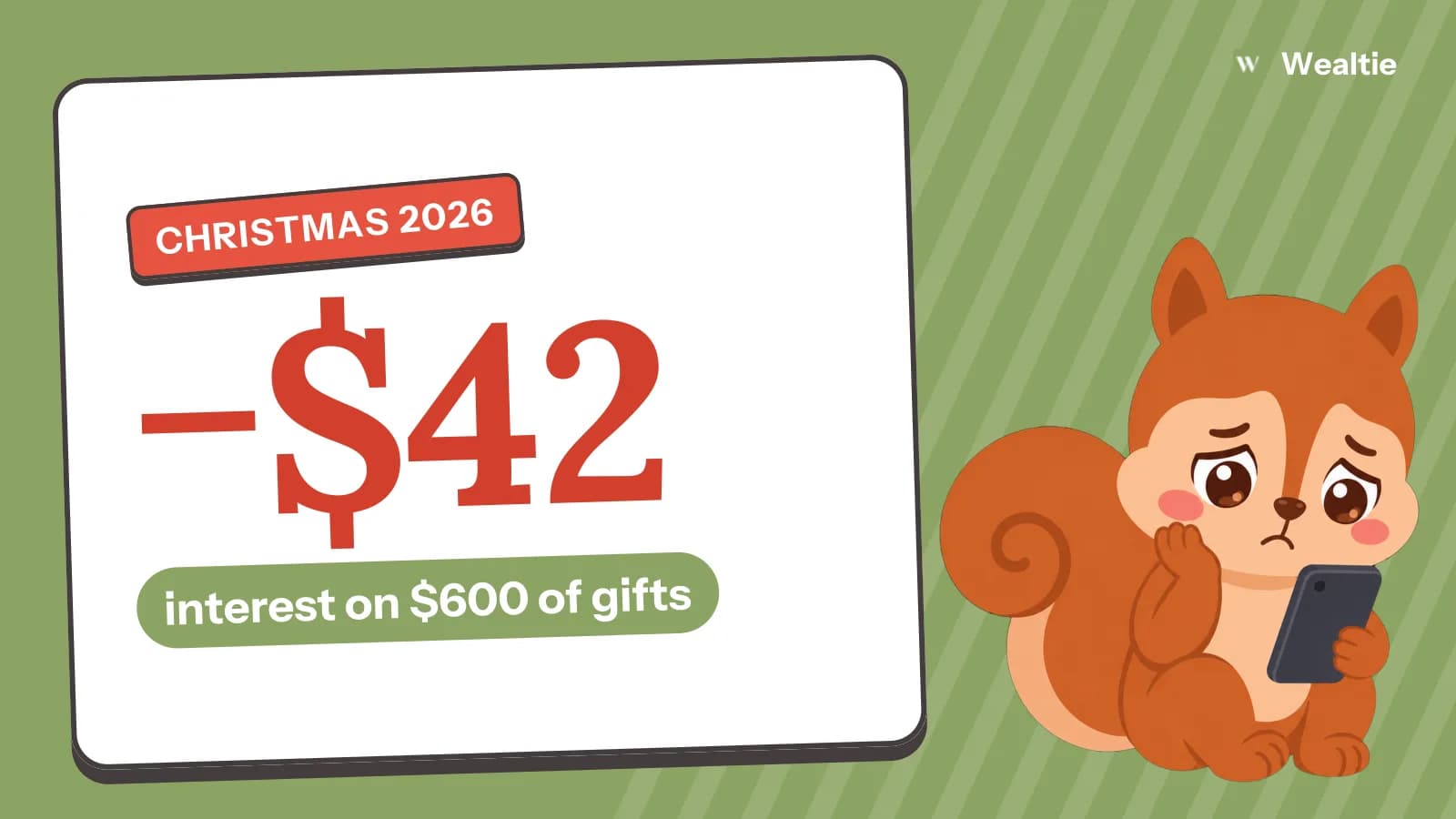
  • Wally looking worried next to −$42 in red, labelled 'interest on $600 of gifts'.
    BUDGETING

    How much should your Christmas budget be? Averages and a method

    Your Christmas budget should be what you can pay in full by January: money already set aside plus what you can free up from November's and December's budgets. For scale, Americans planned to spend an average of $1,007 on gifts in Gallup's October 2025 survey, before food and decorations.

    · 5 min read

  • Wally giving a thumbs up beside the smallest room's rent going from $800 crossed out to $744, circled.
    MONEY AS A COUPLE

    How to split rent with roommates when the rooms aren't equal

    The fairest way to split rent with roommates is usually to share the cost of the common space equally, divide the bedroom part by room size and add a premium for extras like a private bathroom. If the rooms are about the same, split it equally. Here's how to split rent with roommates on $2,400 for three.

    · 5 min read

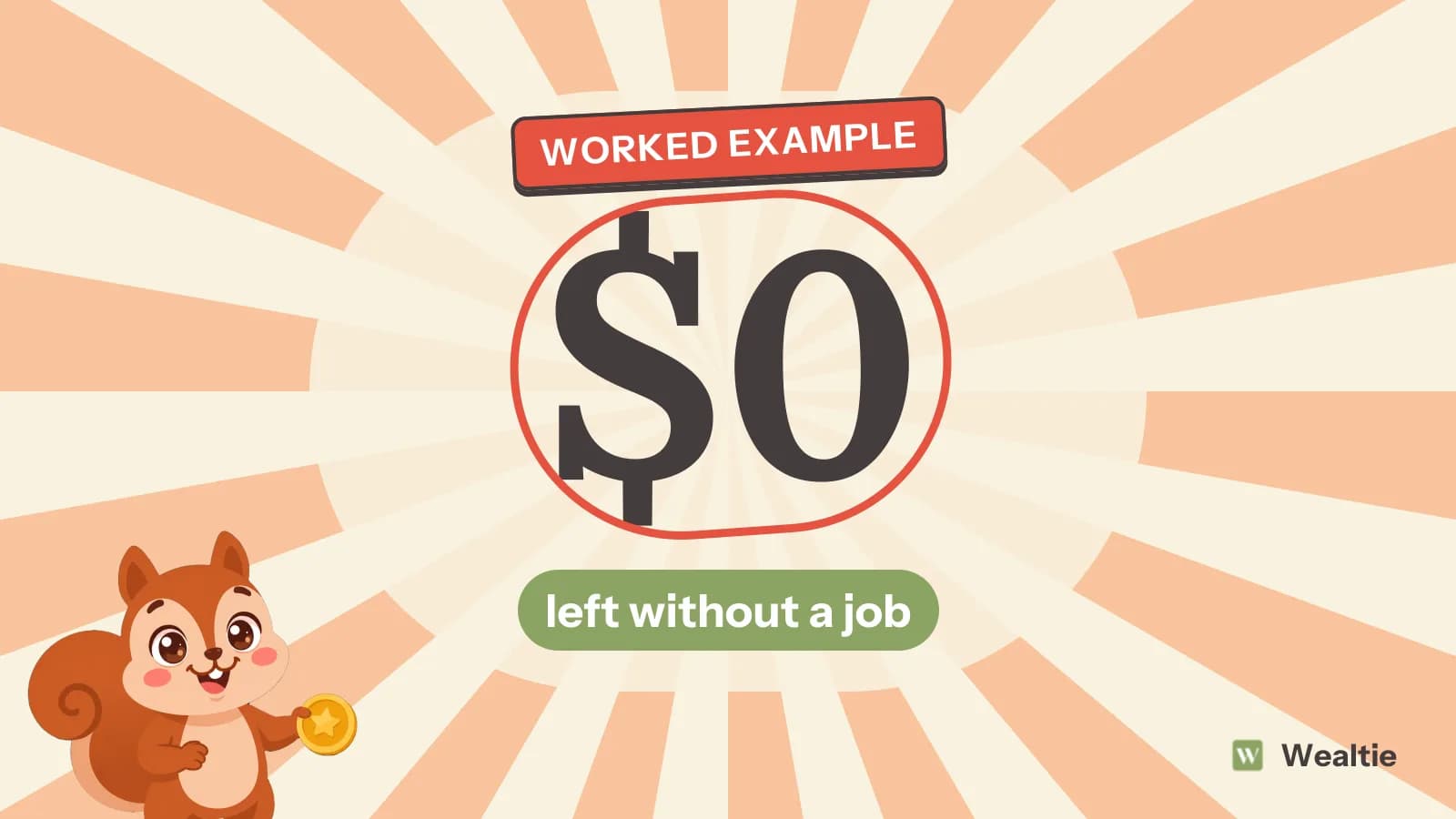
  • Wally holding out a coin next to a circled $0, labelled 'left without a job'.
    BUDGETING

    Zero-based budgeting: give every dollar a job, with an example

    Zero-based budgeting means giving every dollar of your take-home pay a job before the month starts, until income minus bills, spending, saving and debt payments equals zero. Savings and debt payments count as jobs, so a zero-based budget doesn't mean spending everything. Here's how to set one up on $3,000.

    · 5 min read

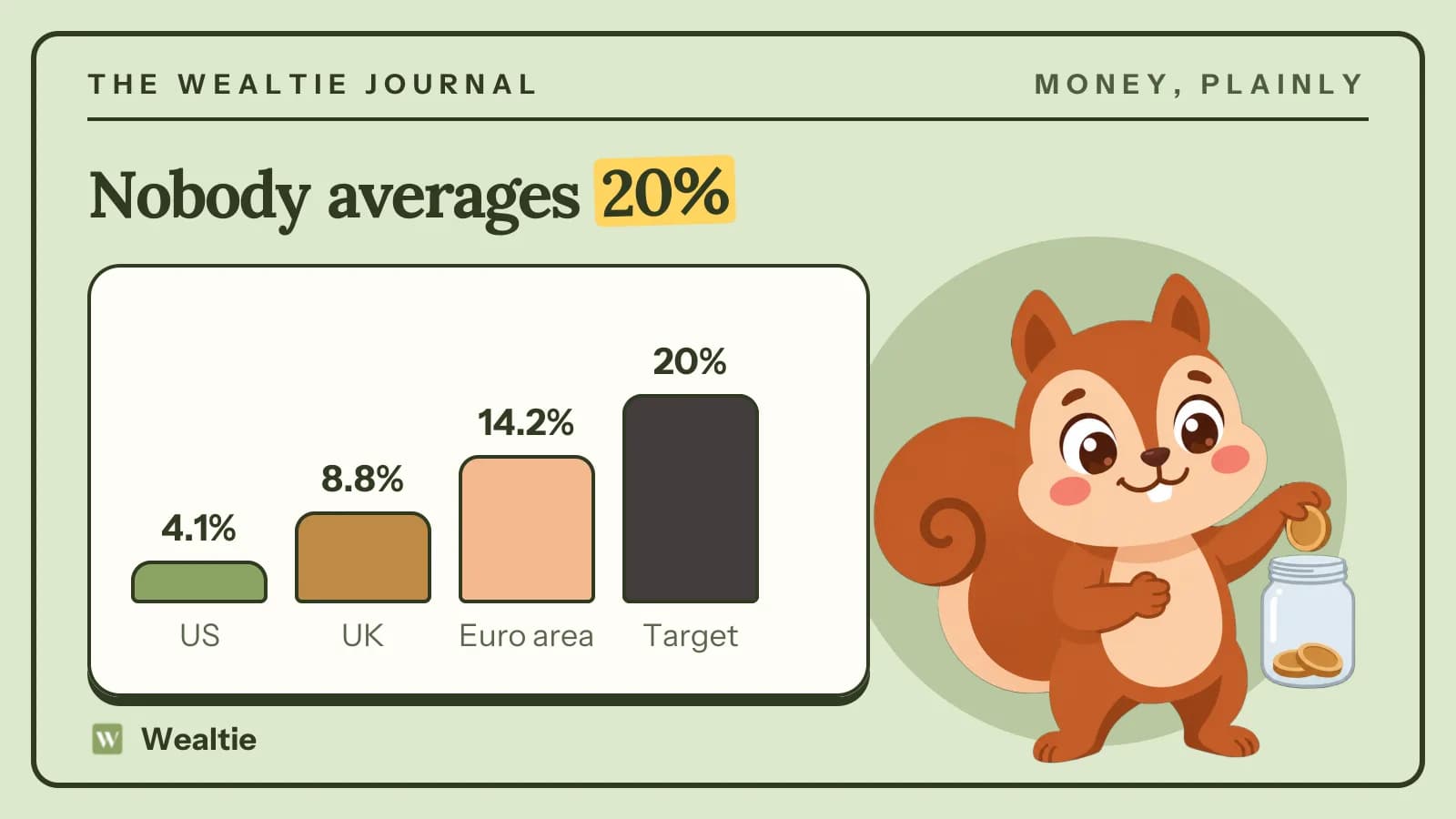
  • Wally dropping a coin into a jar beside a bar chart of household saving rates: US 4.1%, UK 8.8%, euro area 14.2%, against a 20% target.
    SAVING

    How much of your income should you save? What people manage

    Save 20% of your take-home pay if you can, and a smaller share you can keep every month if you can't, even 5%. That's the usual answer to how much of your income you should save. Most households save far less: in the US, the rate was 4.1% of after-tax income in August 2026.

    · 4 min read

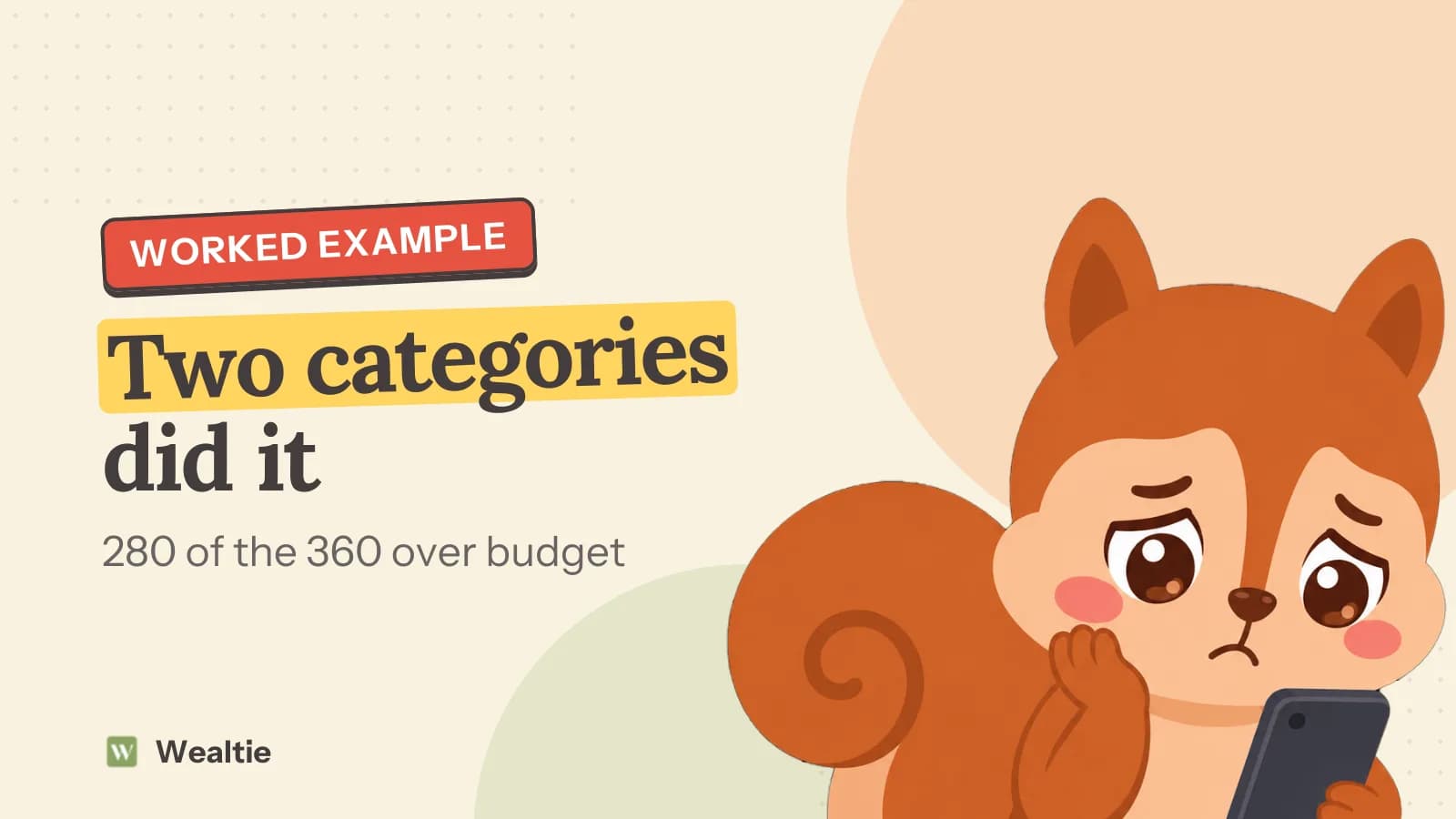
  • Cover: "Two categories did it", 280 of the 360 over budget in a worked example, with a worried Wally.
    BUDGETING

    How to stop overspending before the month runs out

    To stop overspending, find the one or two categories where the money leaks, put a pause between wanting something and buying it, and check your spending pace mid-month rather than at the end. In the Fed's 2025 survey, only 41% of US adults said they always or often had money left over at the end of the month.

    · 3 min read

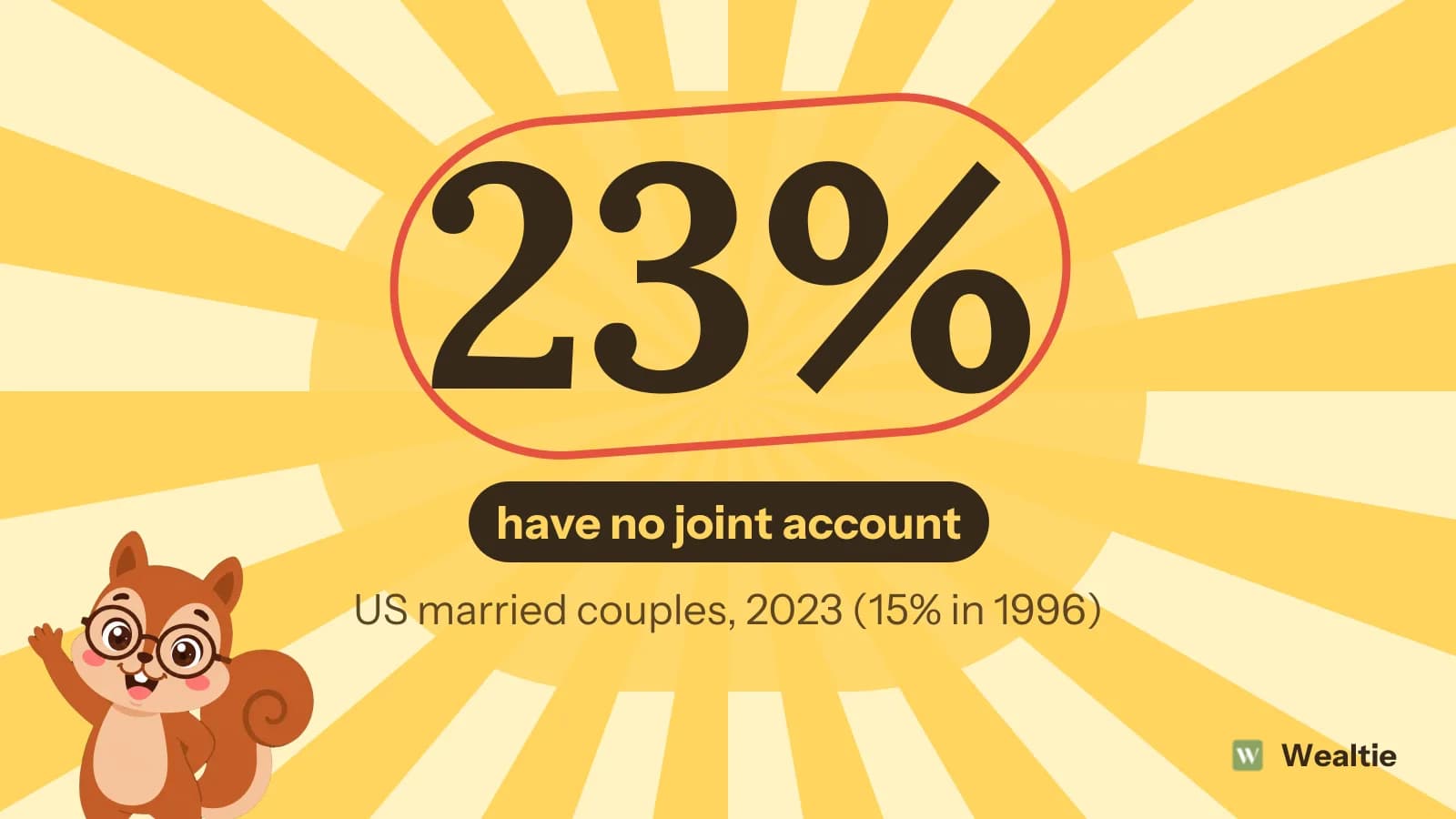
  • Cover: 23% of US married couples have no joint account, 2023, up from 15% in 1996, with Wally waving.
    MONEY AS A COUPLE

    Should couples have joint bank accounts? Three setups compared

    Couples don't need joint bank accounts, but most who share bills do best with one joint account for shared costs and separate accounts for the rest. In the US, 77% of married couples with bank accounts held at least one jointly in 2023, while 23% had none, up from 15% in 1996.

    · 4 min read

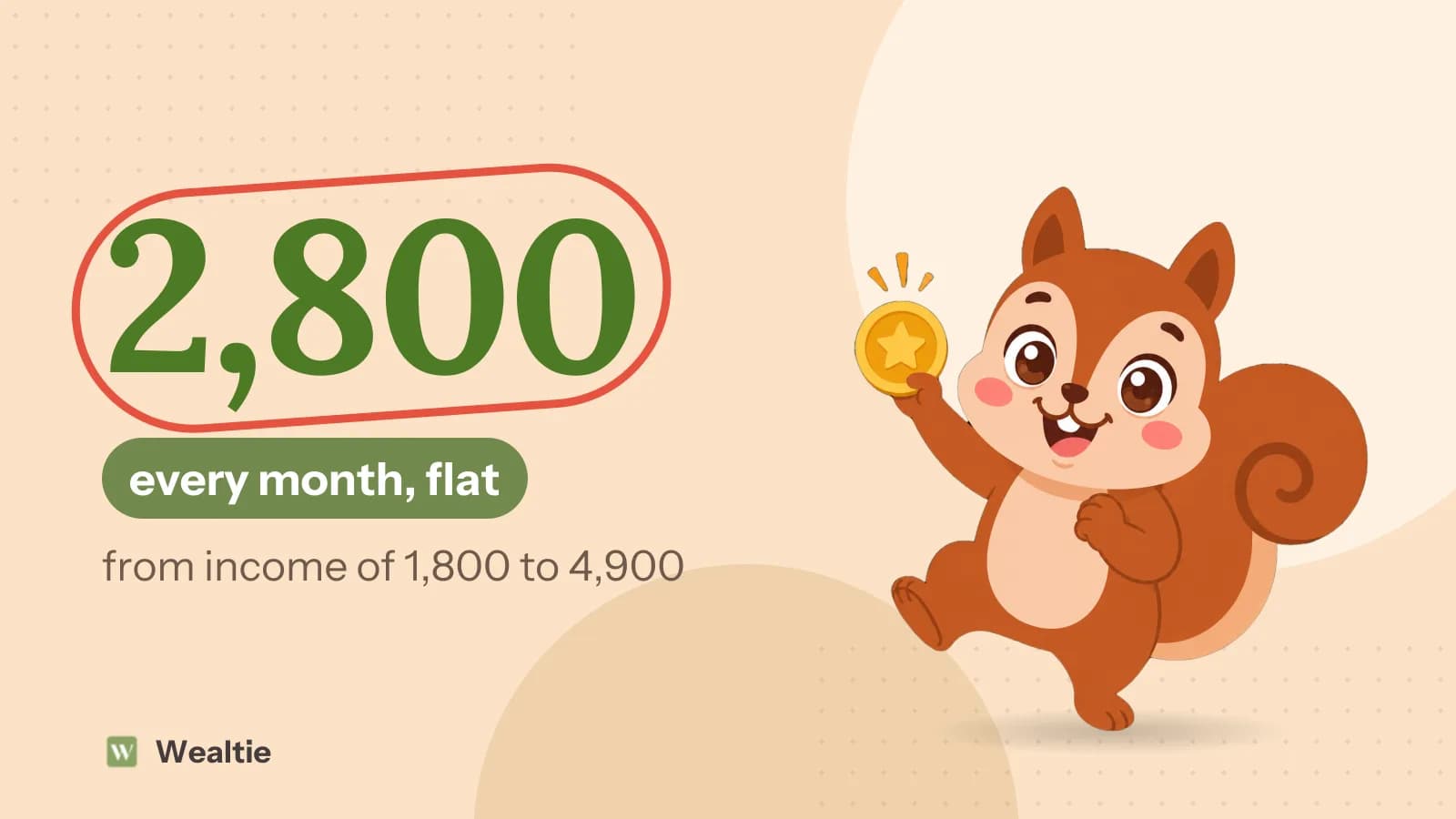
  • Cover: a flat 2,800 every month from income that ranged from 1,800 to 4,900, with Wally holding up a coin.
    INCOME & FREELANCING

    How to pay yourself a salary when you're self-employed

    To pay yourself a salary when self-employed, let client payments land in a business account and move the same amount to your personal account on the same day each month. Set that amount a little under your average month, and hold two months of it as a buffer before you start.

    · 4 min read

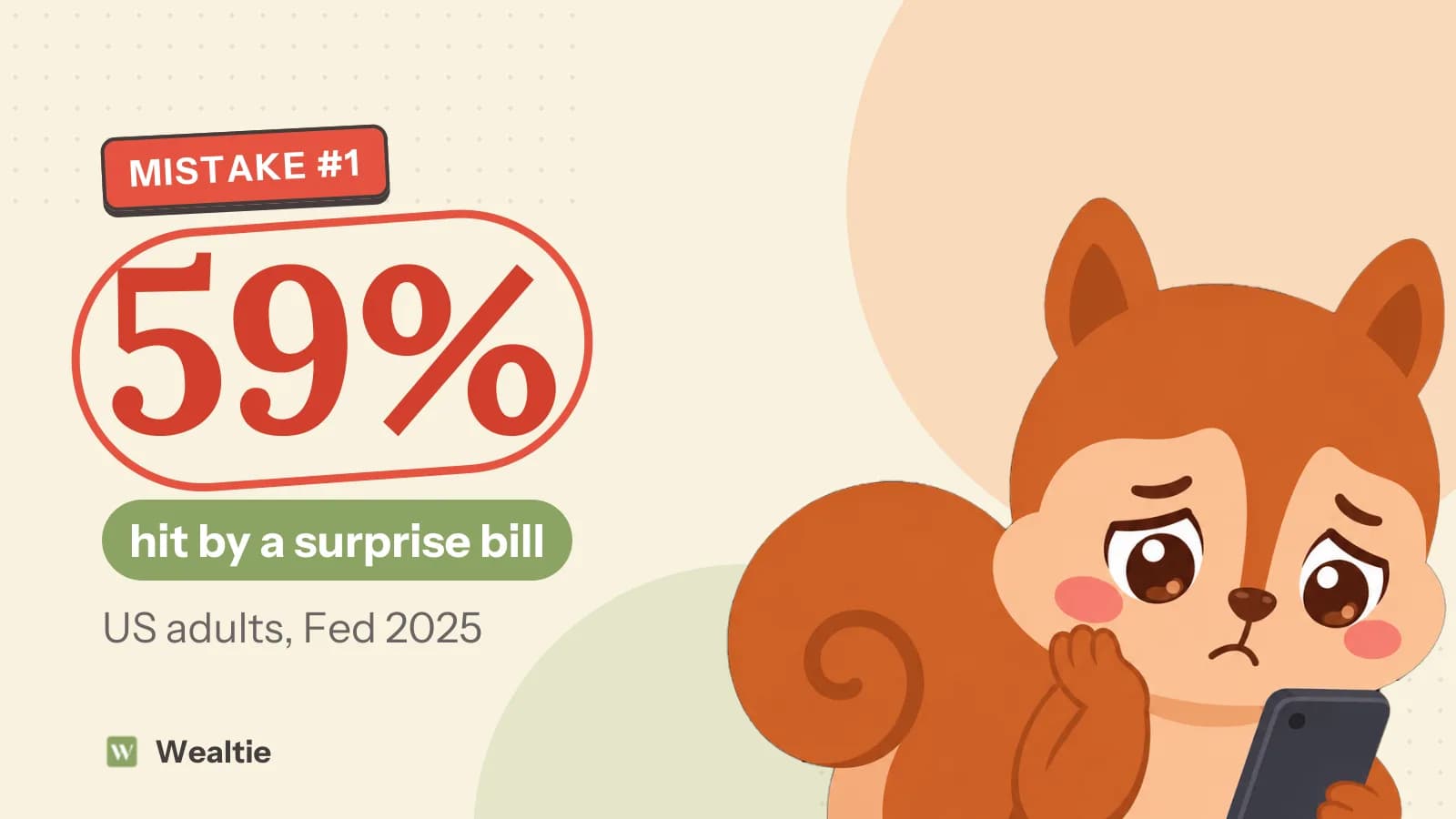
  • Cover: "59% hit by a surprise bill", US adults, Federal Reserve 2025, with a "Mistake #1" sticker and a worried Wally.
    BUDGETING

    Why most budgets fail, and the fix for each

    Most budgets fail because they're written for a typical month, and typical months are rarer than they look: 59% of US adults had a major unexpected expense in the past year, and 30% had income that varied. The fix is a budget with room for both, checked while the month can still change.

    · 4 min read

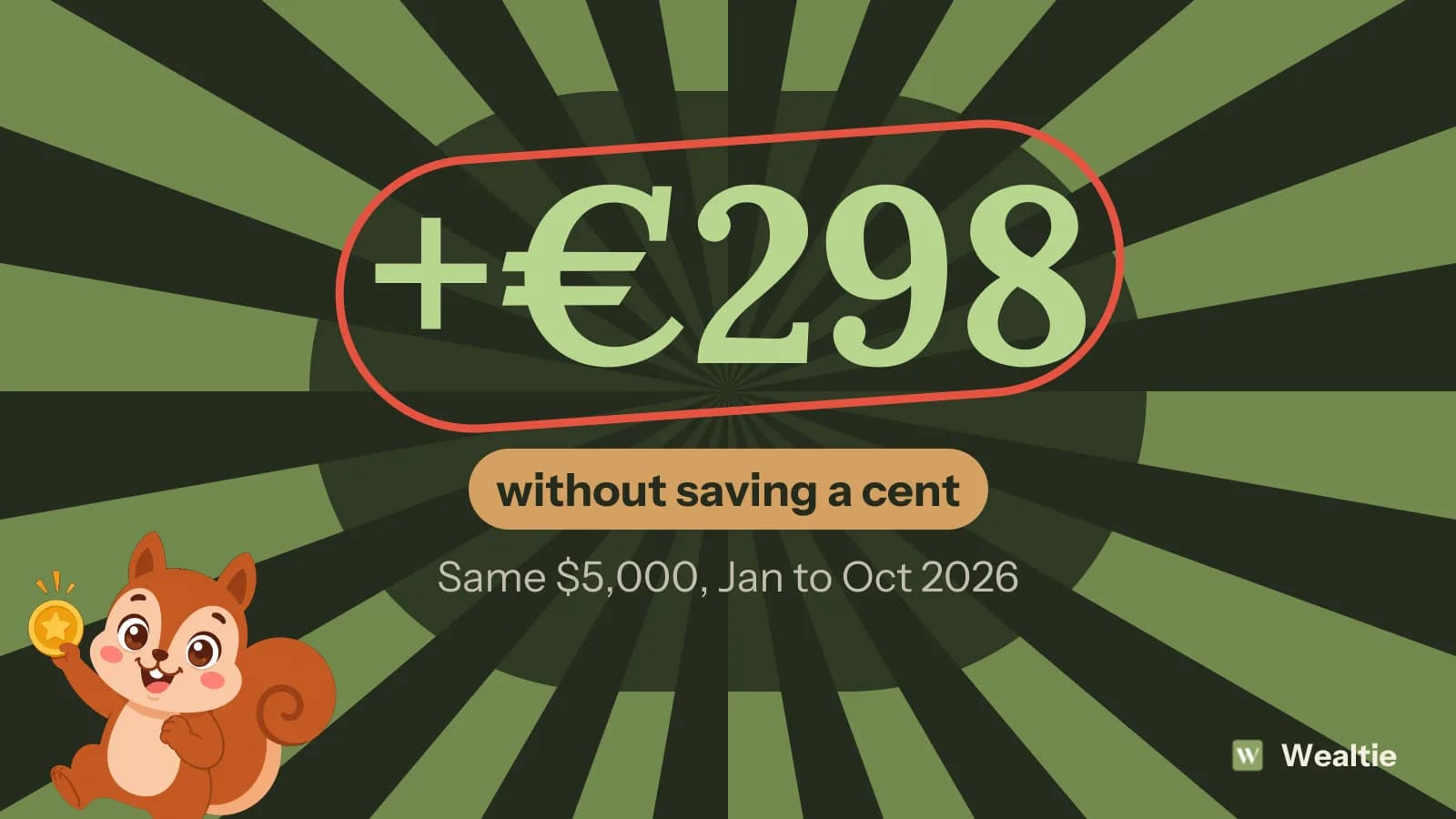
  • Cover: "+€298 without saving a cent", the same $5,000 counted in euros from January to October 2026, with Wally holding up a coin.
    MULTI-CURRENCY & TRAVEL

    Multi-currency budgeting: how to track spending in two currencies

    Multi-currency budgeting works when each account stays in its own currency, every purchase is recorded at what left that account, and only the totals are converted into one home currency, at the day's rate. Convert any earlier and your records stop matching your statements.

    · 4 min read

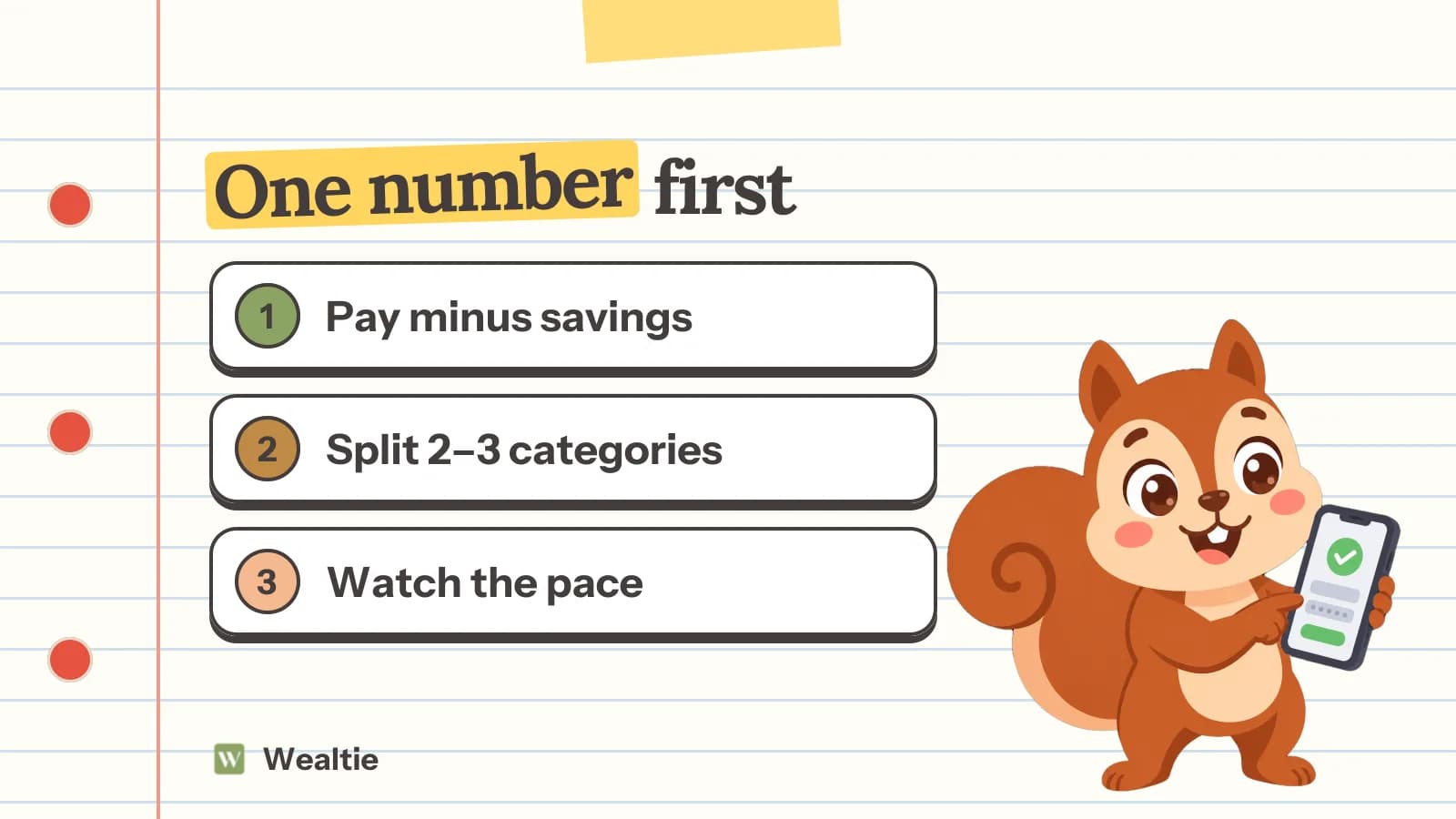
  • Notebook-style cover: "One number first", with three steps: pay minus savings, split 2–3 categories, watch the pace. Wally holds a phone showing a checkmark.
    USING WEALTIE

    How to set up a budget in Wealtie, step by step

    To set up a budget in Wealtie, open the Budget tab, tap Set Budget Goals, enter one total for the month and, if you like, give a few categories their own share of it. The harder part is the number, so most of this guide is about that, and about reading Budget Health once the month is running.

    · 4 min read

  • Wally gives a thumbs up beside the question "Pay in which currency?": paying in your own currency abroad uses the shop's rate, paying in the local currency uses your card's rate.
    MULTI-CURRENCY & TRAVEL

    How to budget for a trip abroad, before and while you're there

    To budget for a trip abroad, add up what you pay before you leave, give yourself one daily spending number for everything on the ground, and convert that number into the local currency before you land. Add a buffer of about 10% and check your card's foreign fees. A 10-day example is below.

    · 4 min read

The weekly email

New posts, once a week

Once a week, the new posts on budgeting, saving and everyday money. Nothing else, and one click to leave.