Wealtie logoWealtie

Money & budgeting blog: Plain answers, sources included

Straight answers to everyday money questions: how much to save, how to set a budget you'll keep, what to do when your pay changes from month to month. Every post works through real numbers and shows where they come from.
  • Wally celebrating beside the number 9: nine badges across two streaks in Wealtie, the budget streak and the income goal streak.
    USING WEALTIE

    Budget streaks in Wealtie: how both streaks work, and the nine badges

    Wealtie budget streaks count how many periods in a row you've kept a promise to yourself. There are two: a budget streak for every period you stay within your budget, and an income goal streak for every period you reach your income goal. Both come with nine badges, and both are on the Free plan.

    · 3 min read
  • Wally checking his phone beside 86.40: one supermarket receipt split into three categories, groceries, household and clothing.
    USING WEALTIE

    How to scan receipts in Wealtie and split a shop line by line

    To scan receipts in Wealtie, take a photo of the receipt and the scanner reads the shop, the date, the total and each line. You then save it as one expense, or split it into one expense per line, so groceries and the household items in the same shop land in different categories. Receipt scanning is part of Pro.

    · 3 min read

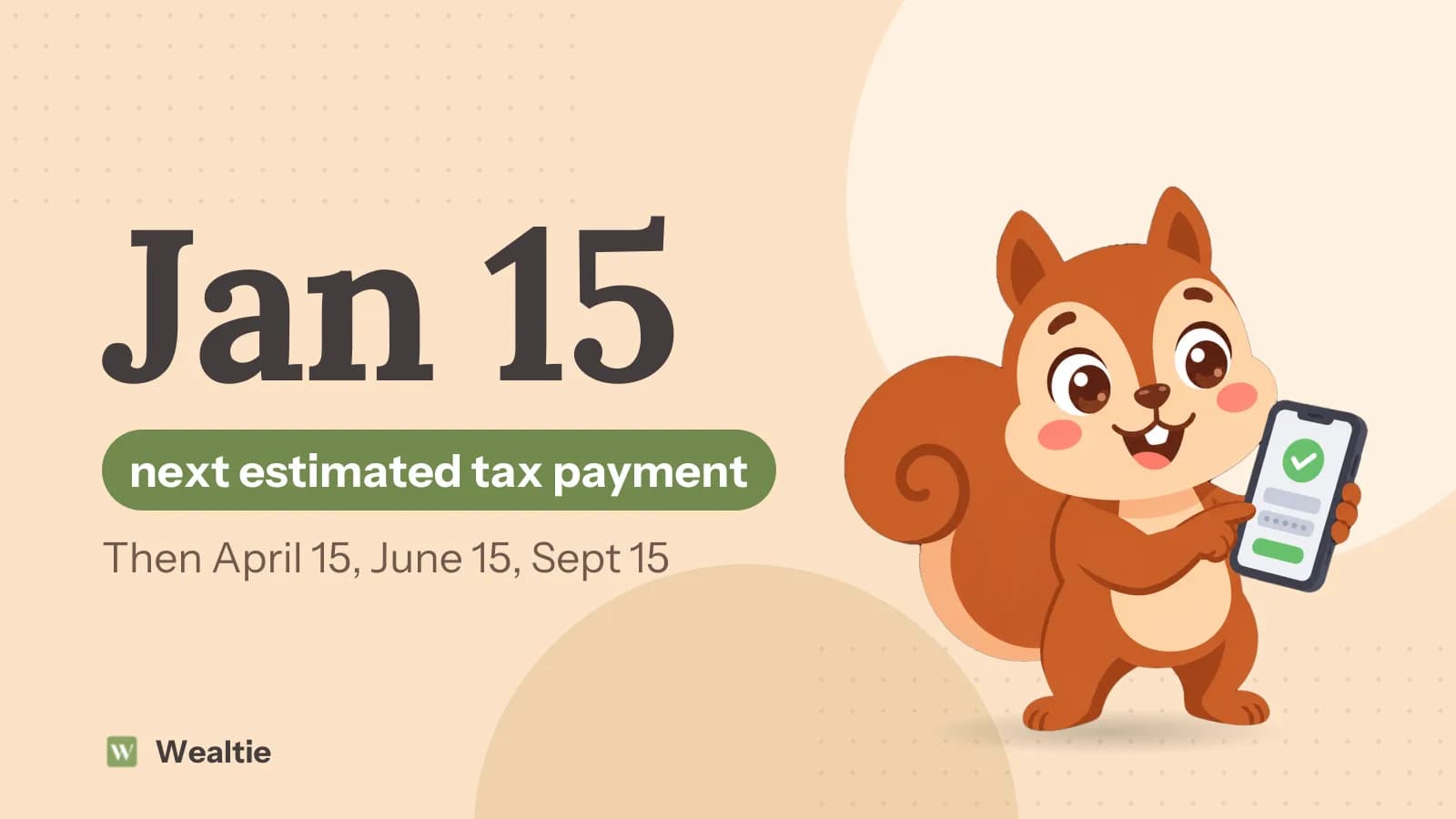
  • Wally checking his phone beside 'Jan 15', the next quarterly estimated tax due date, followed by April 15, June 15 and September 15.
    INCOME & FREELANCING

    Quarterly estimated taxes: the 2027 due dates and how to budget them

    Quarterly estimated taxes are what freelancers and others without enough withholding pay the IRS during the year. You generally have to pay if you expect to owe $1,000 or more. The next due date is January 15, 2027, for income earned from September to December 2026.

    · 3 min read

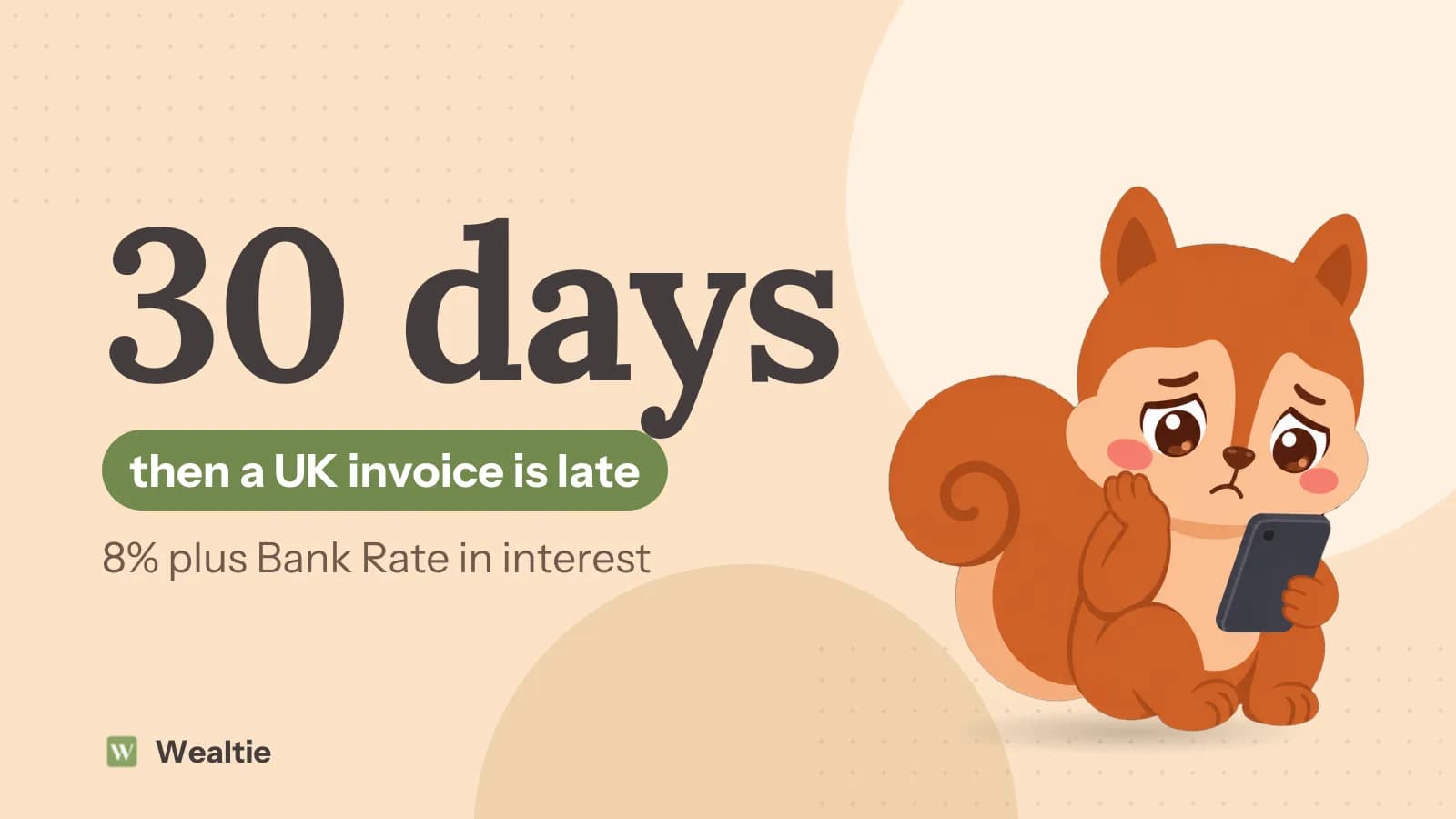
  • Wally looking worried beside '30 days': when a UK business invoice becomes late by default, with statutory interest of 8% plus Bank Rate.
    INCOME & FREELANCING

    What to do when a client pays late, and how to budget around it

    When a client pays late, send a polite reminder the day after the due date, follow up on a fixed schedule, and keep your own bills paid from a buffer, not the missing invoice. In the UK, business-to-business payments are late after 30 days by default, and you can charge 8% plus Bank Rate in interest.

    · 3 min read

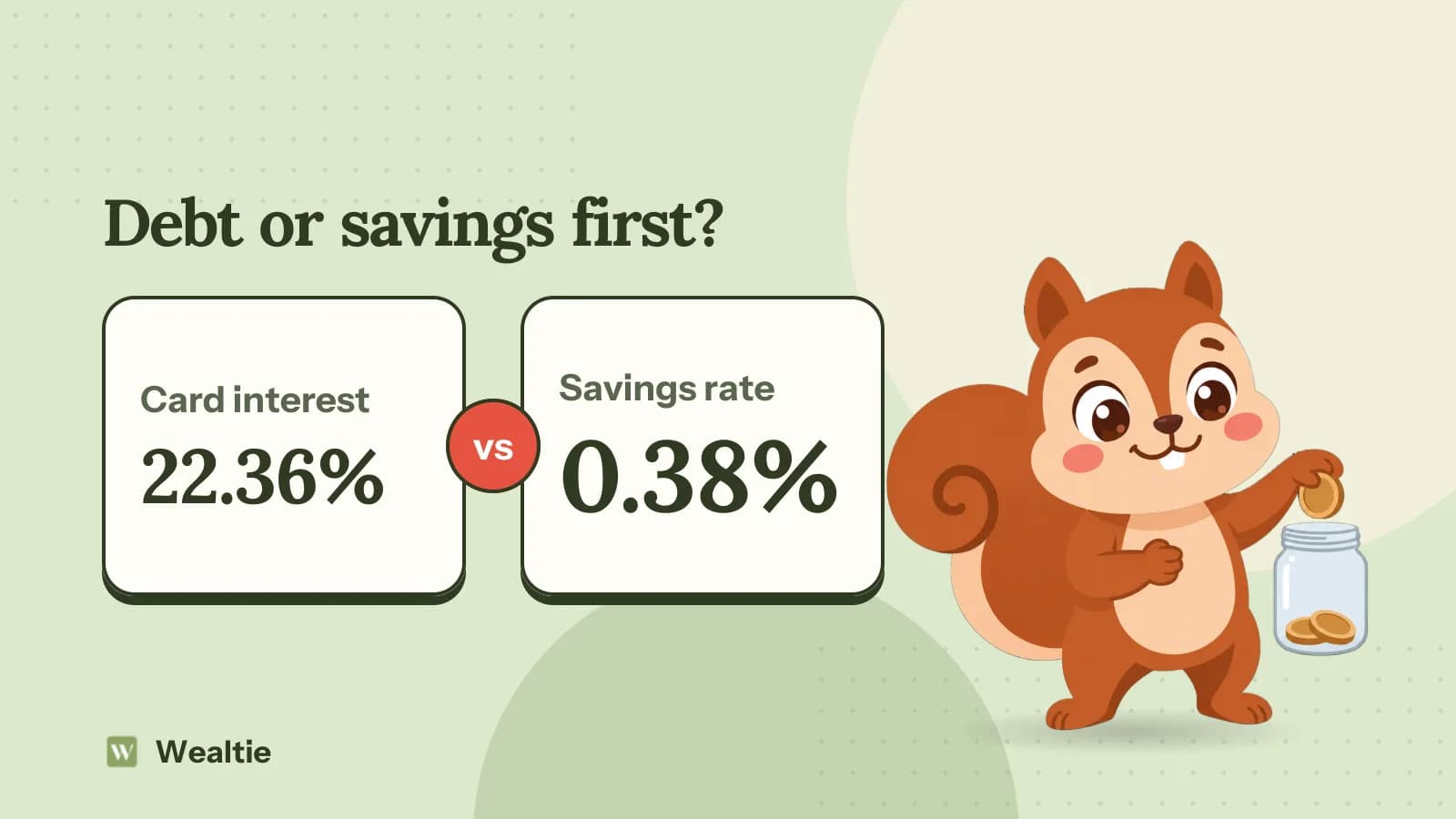
  • Wally with a coin jar beside 'Debt or savings first?': average credit card interest of 22.36% against an average savings rate of 0.38%.
    SAVING

    Should you pay off debt or save first? An order that works

    Pay off debt or save? Both, in order: a small emergency fund first, then high-interest debt, then a full emergency fund. A credit card charged 22.36% on average in August 2026 while the average savings account paid 0.38%, so every spare dollar on the card earns far more than it would saved.

    · 3 min read

  • Wally making a peace sign beside '600 each': a 2,400 trip shared by four friends, settled in two transfers instead of everyone paying everyone.
    MULTI-CURRENCY & TRAVEL

    How to split travel costs with friends without the awkward maths after

    To split travel costs with friends, agree the budget and the rules before anyone books, keep one shared log of who paid what, and settle up once at the end in as few payments as possible. Most trip arguments come from rules that were never agreed, not from the amounts.

    · 3 min read

  • Wally offering a coin beside '30 each': three roommates each put 30 a month into a kitty for shared basics like milk, oil and toilet paper.
    MONEY AS A COUPLE

    How to split groceries with roommates: three ways, and which one lasts

    The simplest way to split groceries with roommates is to share only the basics, like milk, oil, toilet paper and cleaning products, from a small monthly kitty, and buy everything else yourself. Full sharing works for some households, but only with clear rules about who eats what.

    · 3 min read

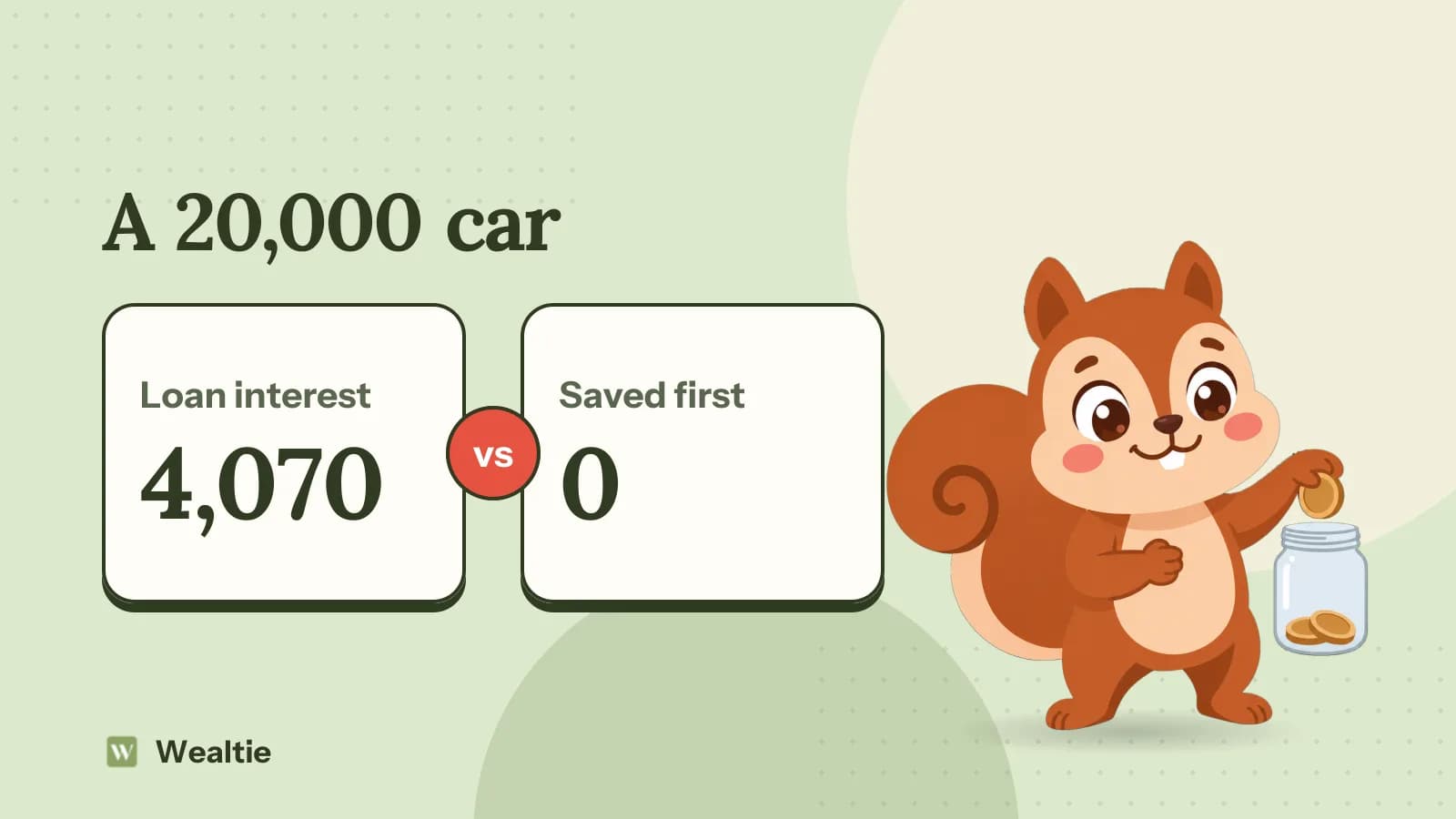
  • Wally with a coin jar beside 'A 20,000 car': about 4,070 in interest on a five-year loan at 7.54%, against nothing if the car is saved for first.
    SAVING

    How to save for a car and pay cash, or put down a big deposit

    To save for a car, pick a price, divide it by the months until you need the car, and move that amount to a separate account each payday. Saving 400 a month buys a 20,000 car in about four years; borrowing it over five years at the August 2026 average rate of 7.54% would cost about 4,070 in interest.

    · 3 min read

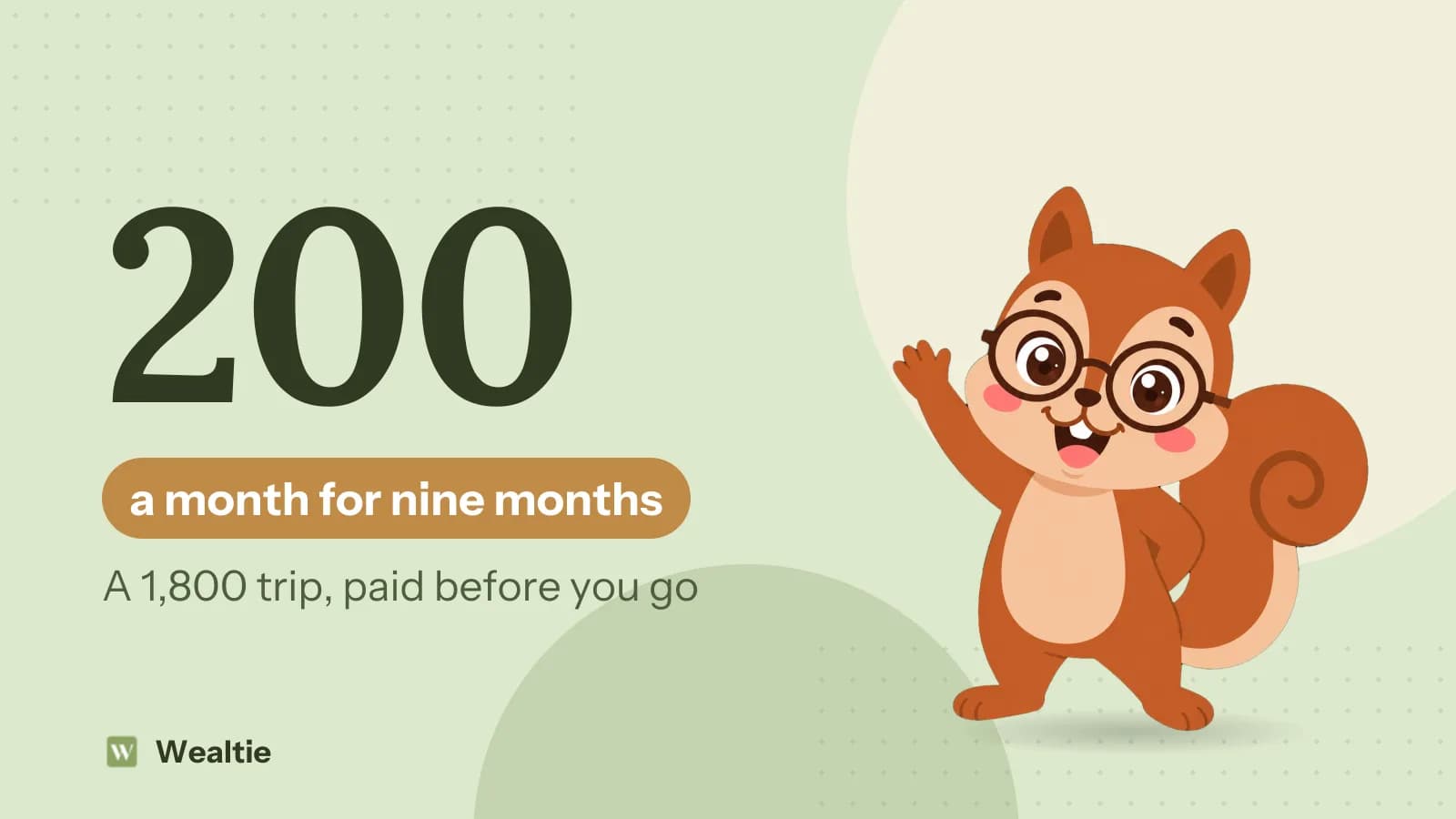
  • Wally waving beside 200: saving 200 a month for nine months pays for a 1,800 trip before you leave.
    SAVING

    How to save for a vacation: price the trip, then a monthly number

    To save for a vacation, price the whole trip first, from flights to daily spending, then divide by the months until you go. A 1,800 trip nine months away is 200 a month. Move that into a separate account each payday, and pay every deposit and booking from it, so the trip is paid for before you leave.

    · 3 min read

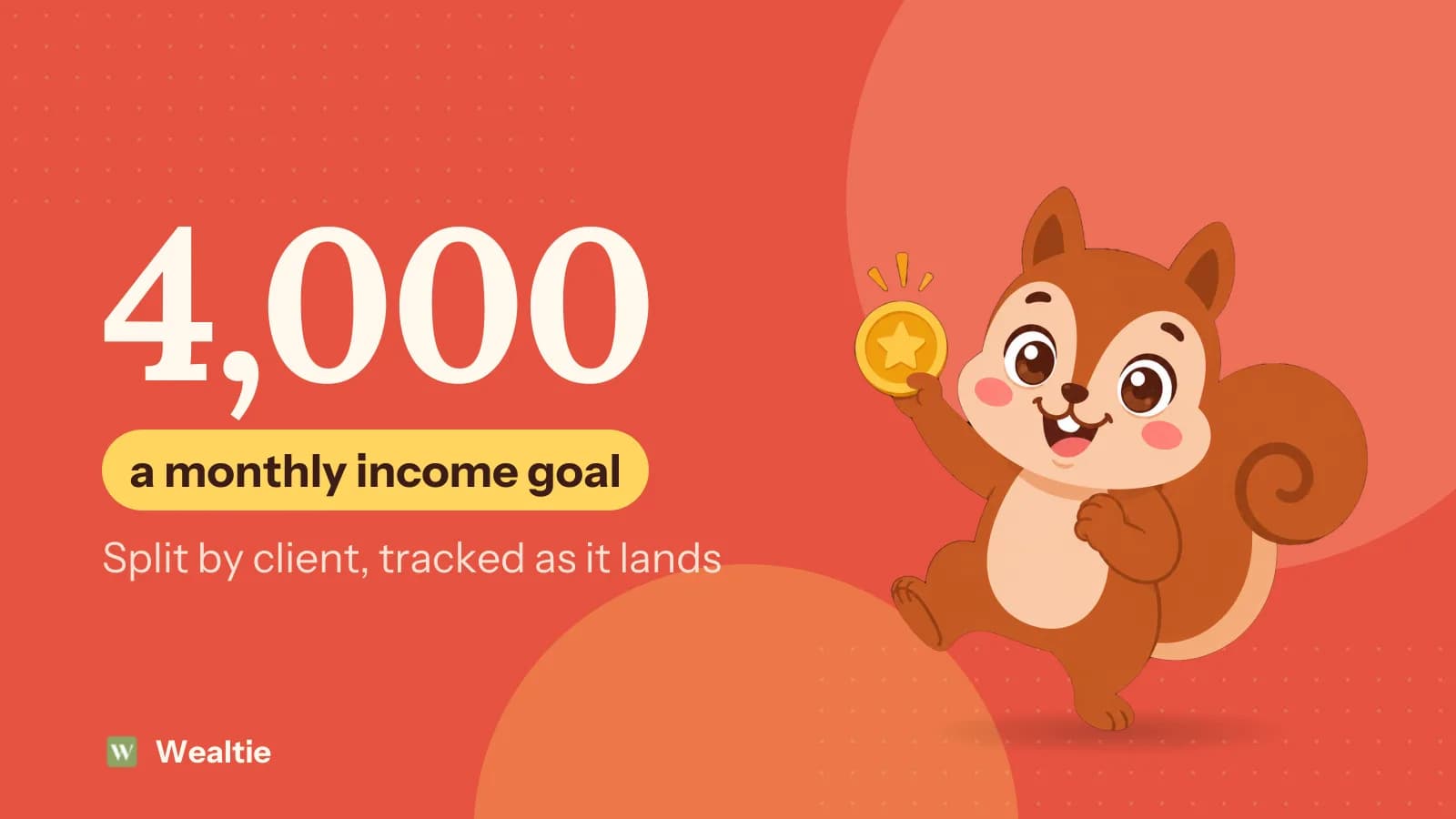
  • Wally cheering with a coin beside 4,000: a monthly income goal in Wealtie, split by client and tracked as income lands.
    USING WEALTIE

    How to set an income goal in Wealtie and track it month by month

    An income goal in Wealtie is a target for what you want to earn each period, set beside your budget. You choose the amount, can split it across income categories like clients or side work, and see progress as income is logged. On the Free plan it's monthly; Pro adds weekly, quarterly and other periods.

    · 3 min read

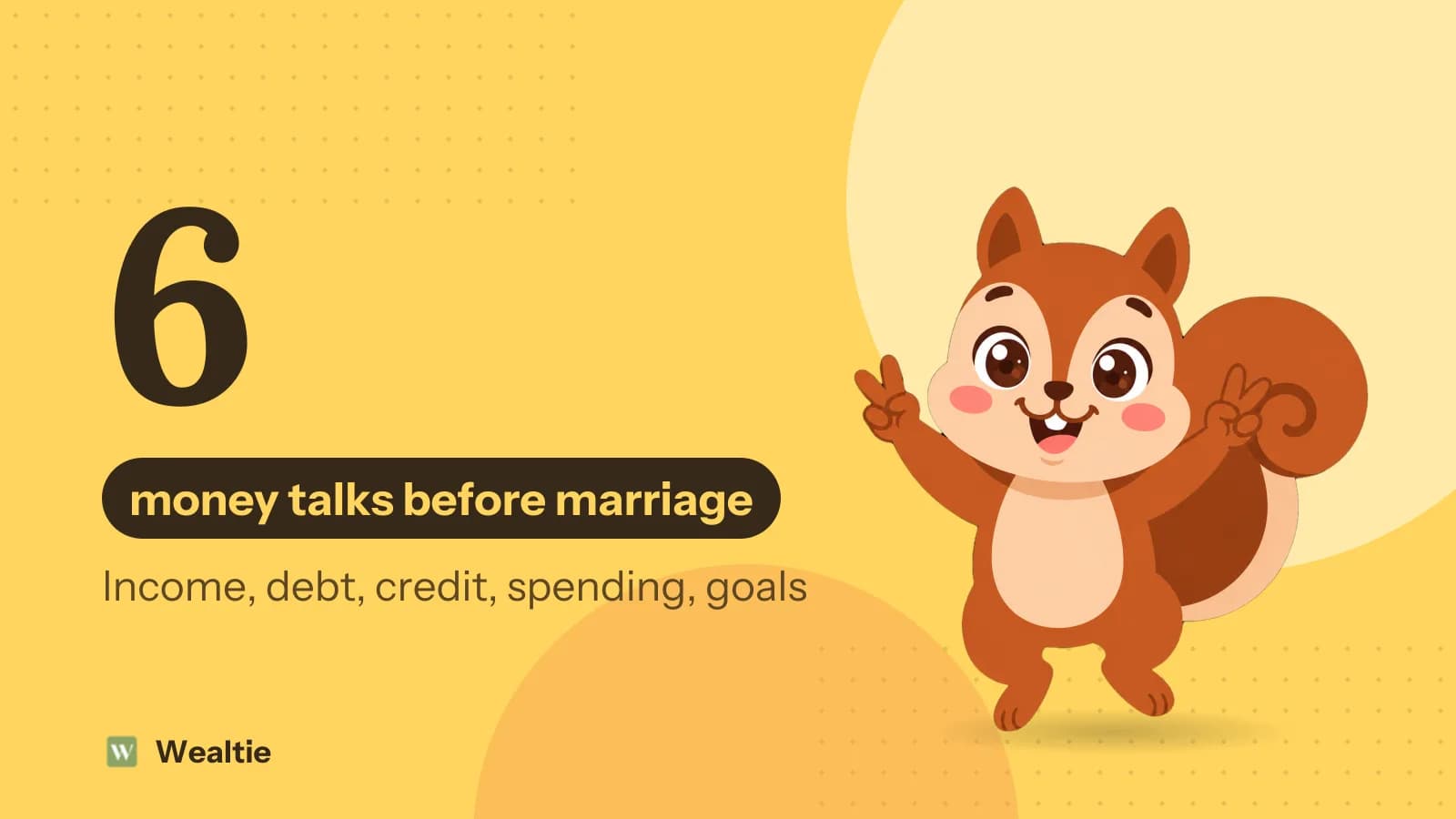
  • Wally making a peace sign beside 6: the six money conversations to have before marriage, covering income, debt, credit, spending and goals.
    MONEY AS A COUPLE

    Money questions to ask before marriage, and what to do with them

    The money questions to ask before marriage cover six areas: what each of you earns, what you owe, how you spend, what you're saving for, how you'll share costs, and how you'll decide. The answers matter less than agreeing what to do with them, before the wedding rather than after the first argument.

    · 3 min read

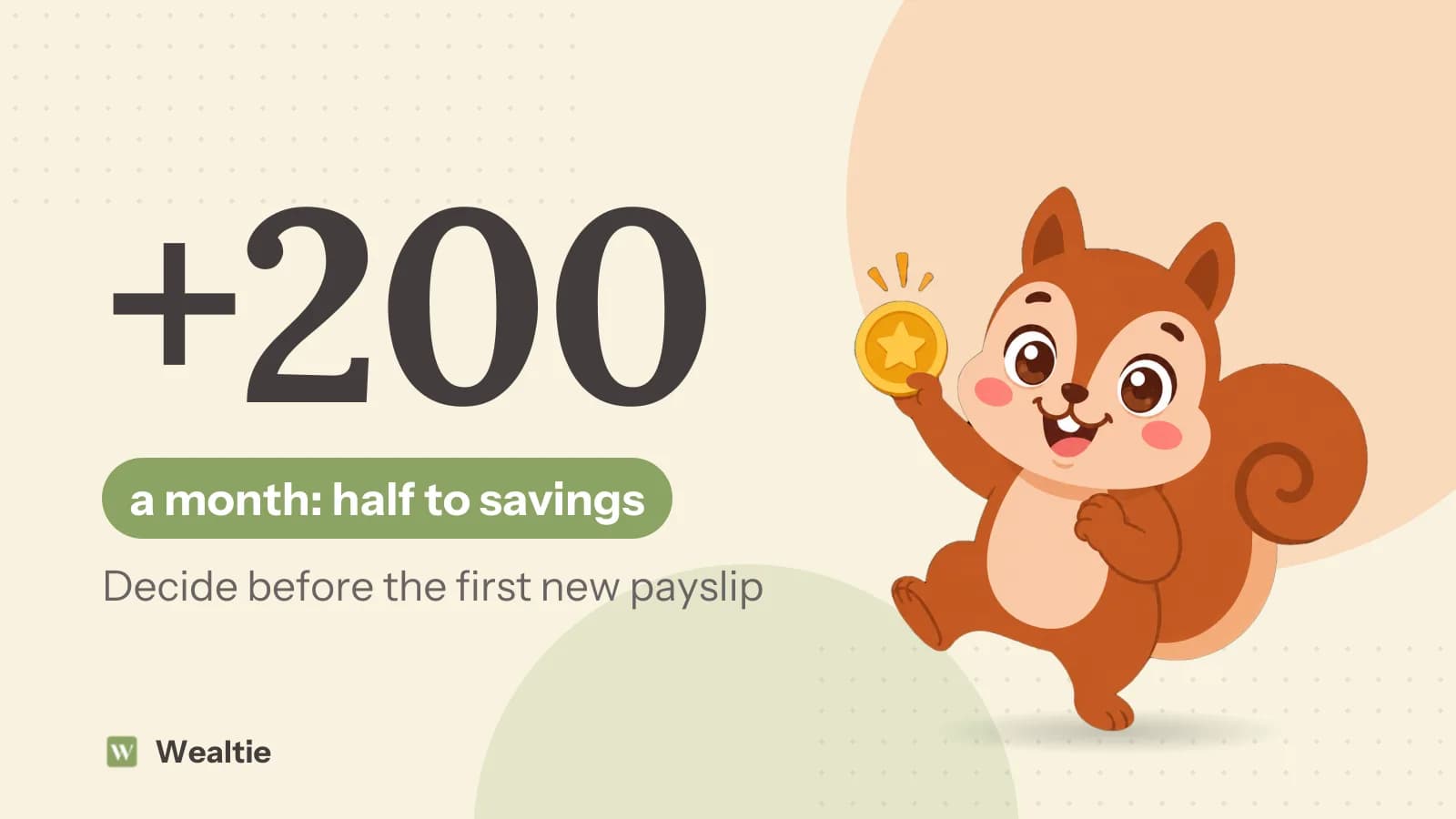
  • Wally cheering with a coin beside +200: a monthly pay rise with half sent to savings, decided before the first new payslip.
    BUDGETING

    What to do with a pay rise so it doesn't disappear into spending

    The best thing to do with a pay rise is decide where it goes before the first bigger payslip arrives. Work out the take-home difference, send at least half of it to savings or debt automatically, and enjoy the rest on purpose. Rises left undecided usually vanish into spending within a few months.

    · 3 min read

The weekly email

New posts, once a week

Once a week, the new posts on budgeting, saving and everyday money. Nothing else, and one click to leave.