Wealtie logoWealtie

Money & budgeting blog: Plain answers, sources included

Straight answers to everyday money questions: how much to save, how to set a budget you'll keep, what to do when your pay changes from month to month. Every post works through real numbers and shows where they come from.
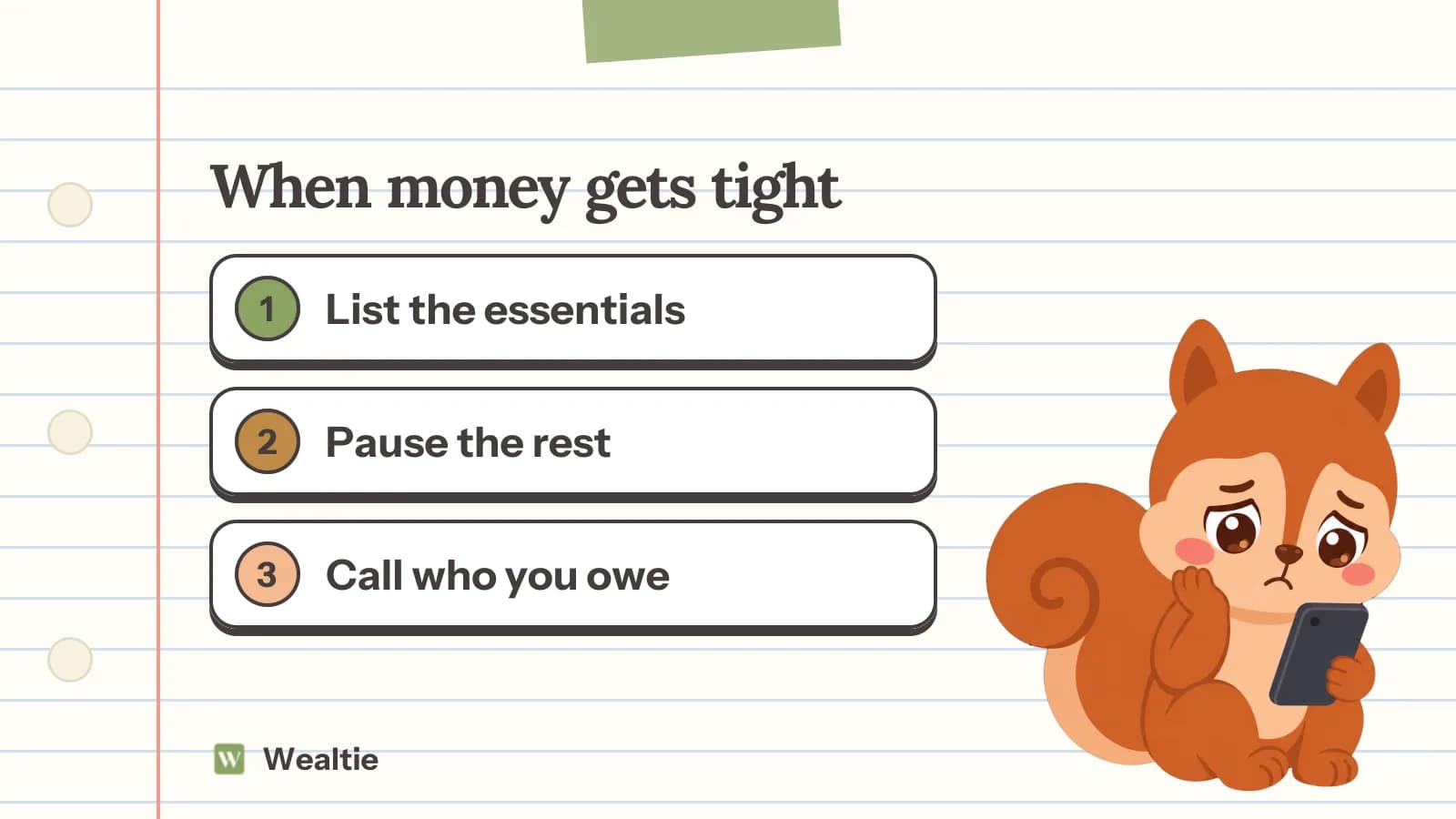
  • Illustration: Wally sitting and looking worried at a phone beside "When money gets tight" and the steps: List the essentials; Pause the rest; Call who you owe.
    BUDGETING

    How to make a bare bones budget when money gets tight

    A bare bones budget covers only what keeps you housed, fed, working and out of default. In a worked example, that takes monthly costs down to 1,880, and it's meant for a few hard months, not for good.

    · 3 min read

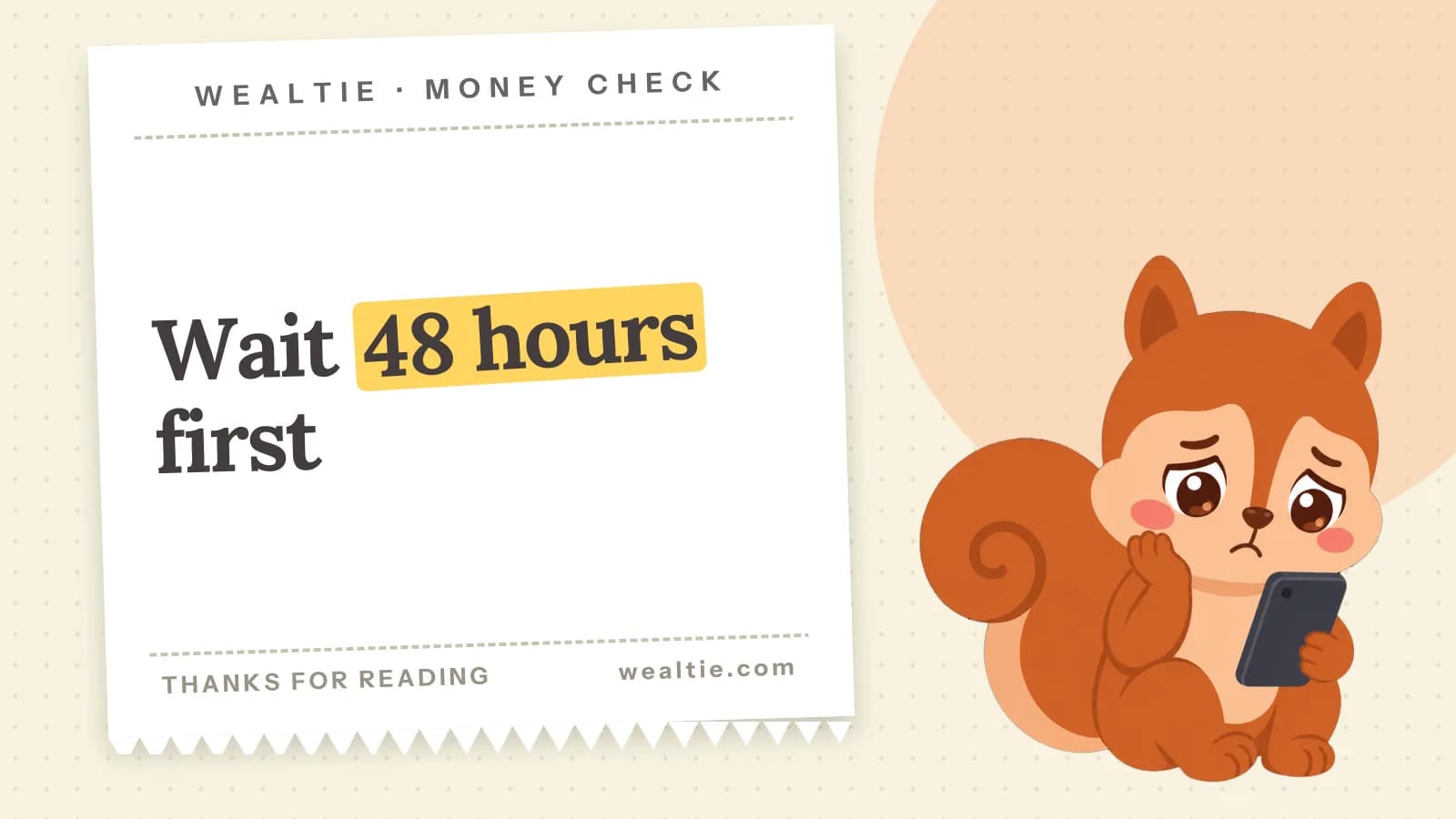
  • Illustration: Wally sitting and looking worried at a phone beside "Wait 48 hours first".
    BUDGETING

    How to stop impulse buying: a few rules that hold up

    To work out how to stop impulse buying, find when it happens, then add friction at that moment: a waiting period, no saved cards and fewer shopping emails. Leave a small amount in your budget to spend freely.

    · 3 min read

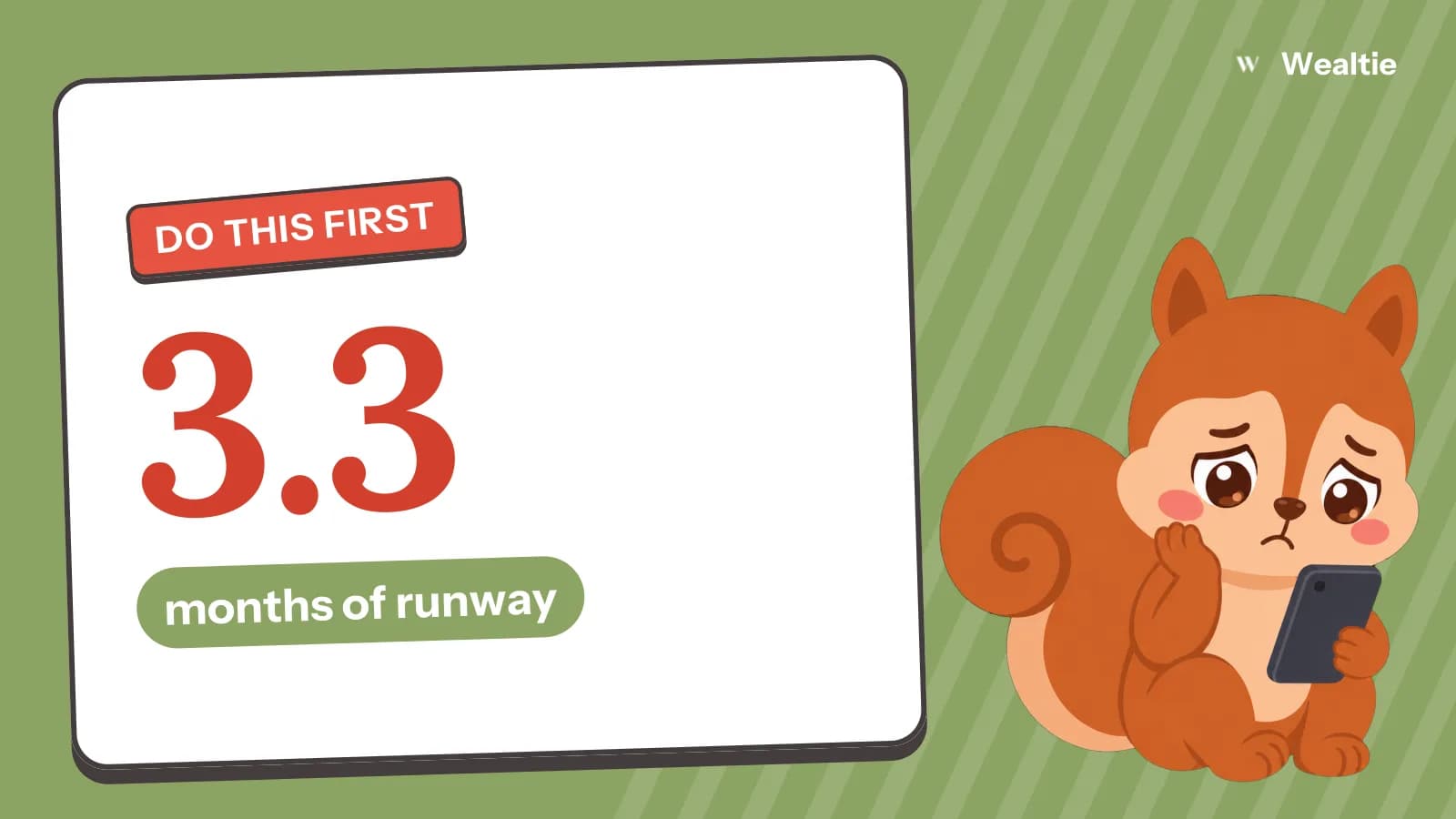
  • Illustration: Wally sitting and looking worried at a phone beside "3.3", months of runway with a "Do this first" badge.
    BUDGETING

    How to budget after losing your job: the first 30 days

    To budget after losing your job, add up your cash and final pay, divide by your bare minimum monthly costs, and that's your runway. On 6,000 of cash and 1,800 a month, you've got just over three months.

    · 3 min read

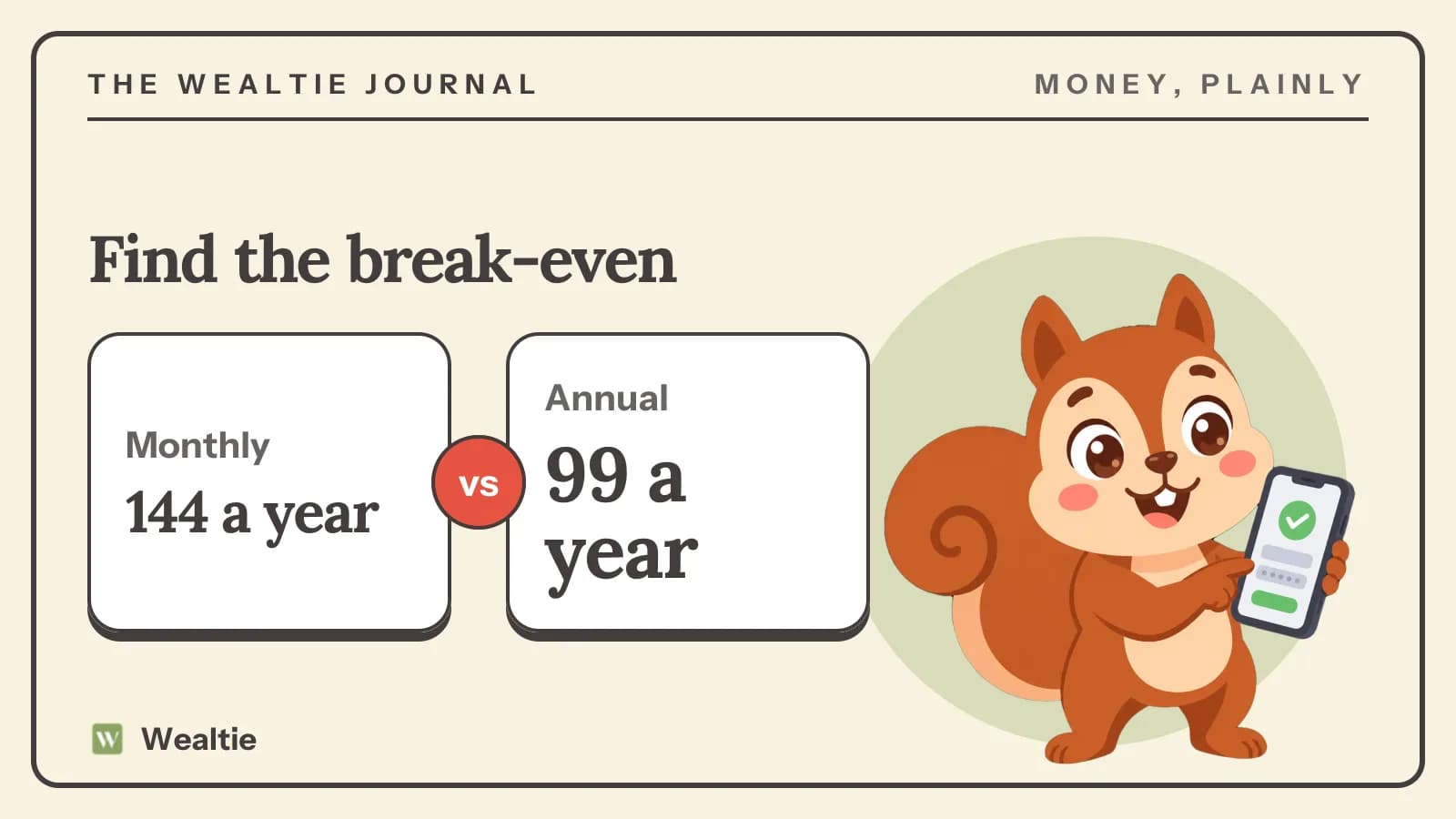
  • Illustration: Wally holding a phone with a green checkmark beside "Find the break-even" comparing Monthly (144 a year) with Annual (99 a year).
    BUDGETING

    Annual or monthly subscription: which is cheaper, and when

    An annual or monthly subscription comes down to one sum: divide the yearly price by the monthly price to find your break-even month. At 99 a year or 12 a month, annual pays off if you'll stay more than about eight months.

    · 3 min read

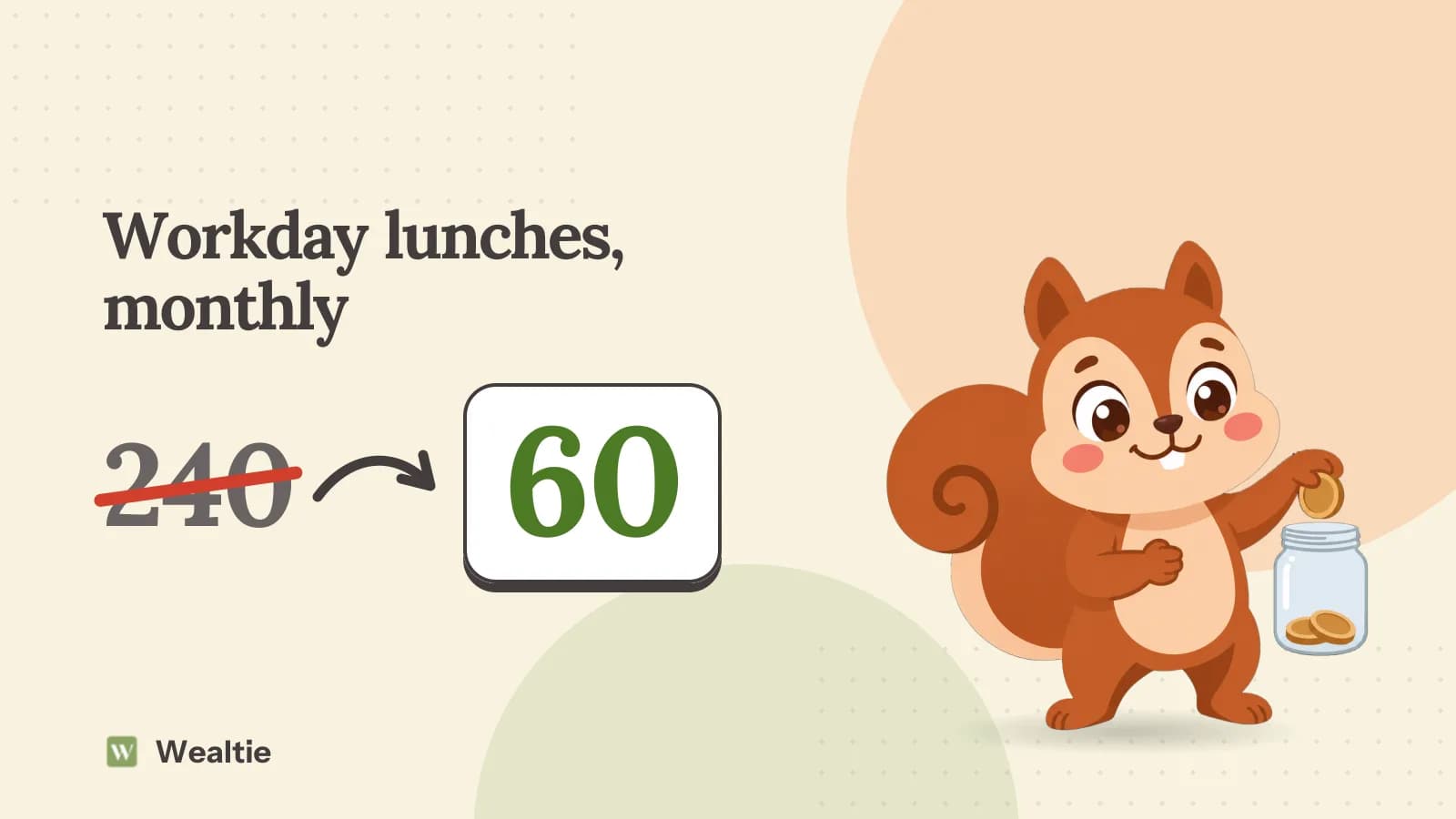
  • Illustration: Wally dropping a coin into a jar beside "Workday lunches, monthly": 240 crossed out, then 60.
    BUDGETING

    How to save money on eating out without giving it up

    Here's how to save money on eating out: log a month of it first, then go after the habits you repeat. Swapping 20 workday lunches at 12 for packed ones at 3 saves about 180 a month.

    · 3 min read

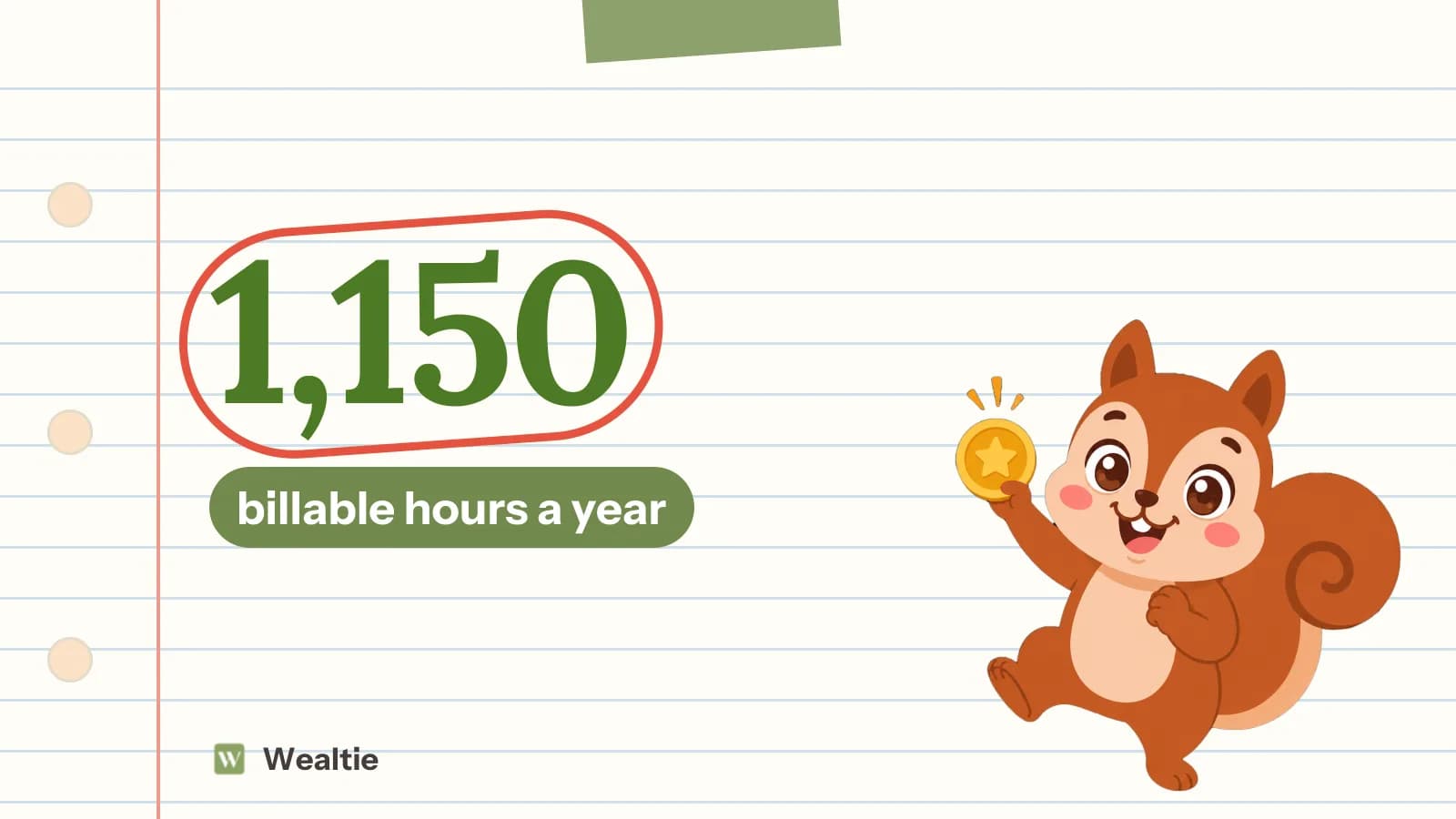
  • Illustration: Wally jumping with a gold coin held up beside "1,150", billable hours a year.
    INCOME & FREELANCING

    How to set your freelance rate from what you need to earn

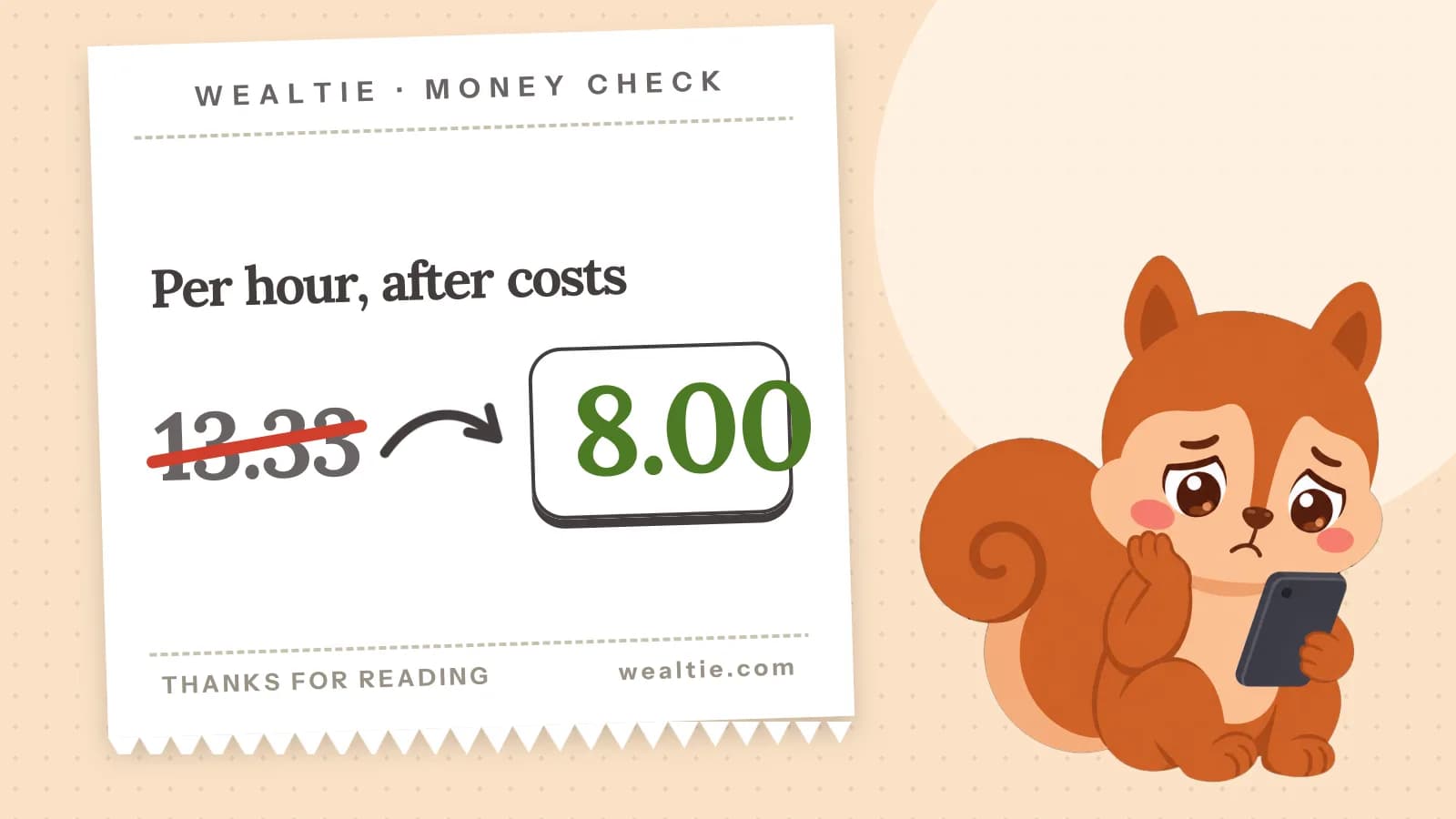
    Here's how to set your freelance rate: add the income you want to tax, costs and savings, then divide by the hours you can bill. On 58,000 and 1,150 billable hours, that's about 50 an hour.

    · 3 min read

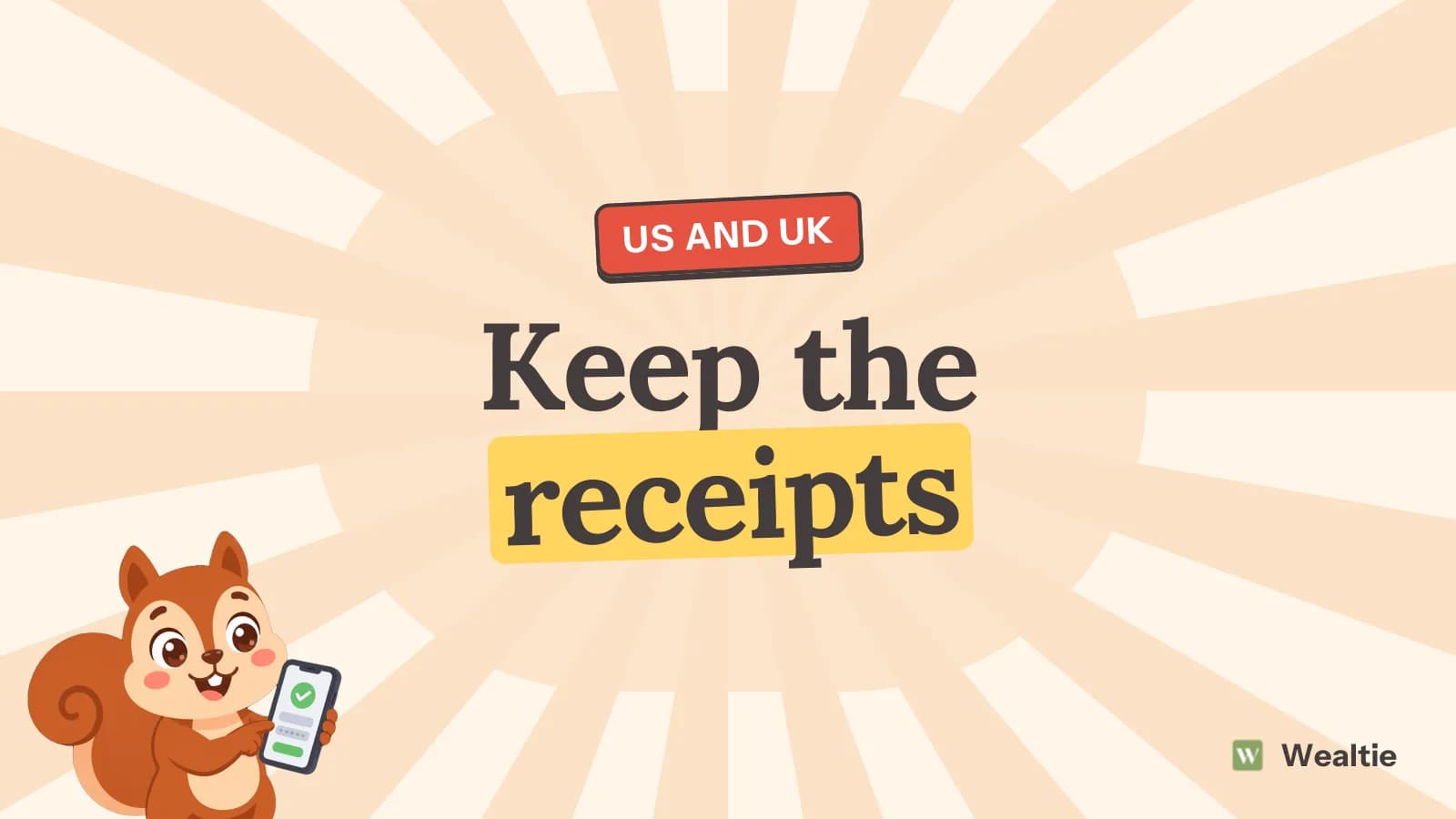
  • Illustration: Wally holding a phone with a green checkmark beside "Keep the receipts" with a "US and UK" badge.
    INCOME & FREELANCING

    Self-employed expenses list: what you can claim, US and UK

    This self-employed expenses list covers the usual business costs you can claim: office costs, travel, staff, stock, insurance, premises, marketing, subscriptions and training. In the US, an expense must be both ordinary and necessary.

    · 3 min read

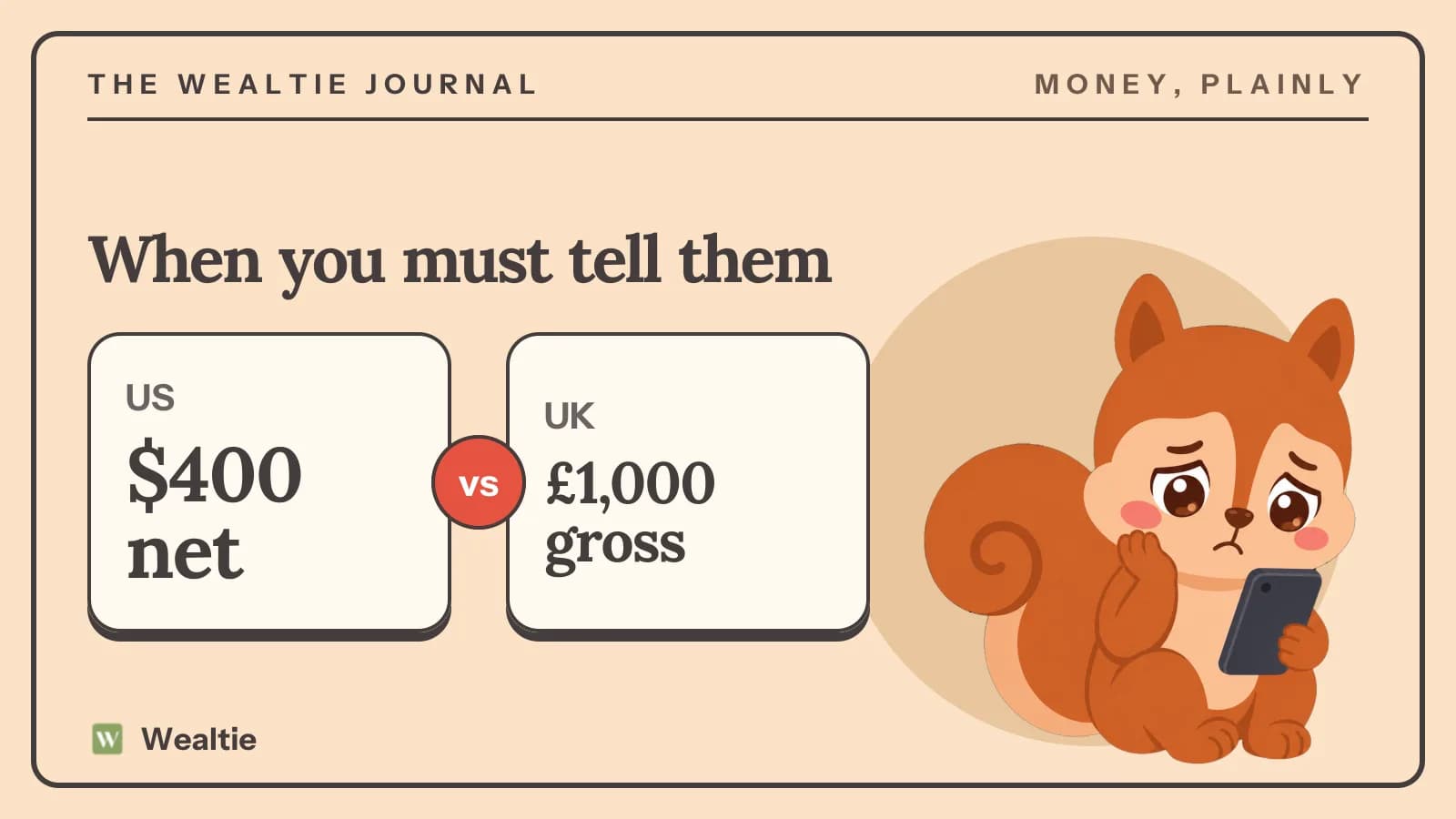
  • Illustration: Wally sitting and looking worried at a phone beside "When you must tell them" comparing US ($400 net) with UK (£1,000 gross).
    INCOME & FREELANCING

    How to declare side hustle income in the US and UK

    Here's how to declare side hustle income: in the US, report it on your tax return, and file if net self-employment earnings reach $400. In the UK, register for Self Assessment if your trading income is over £1,000.

    · 3 min read

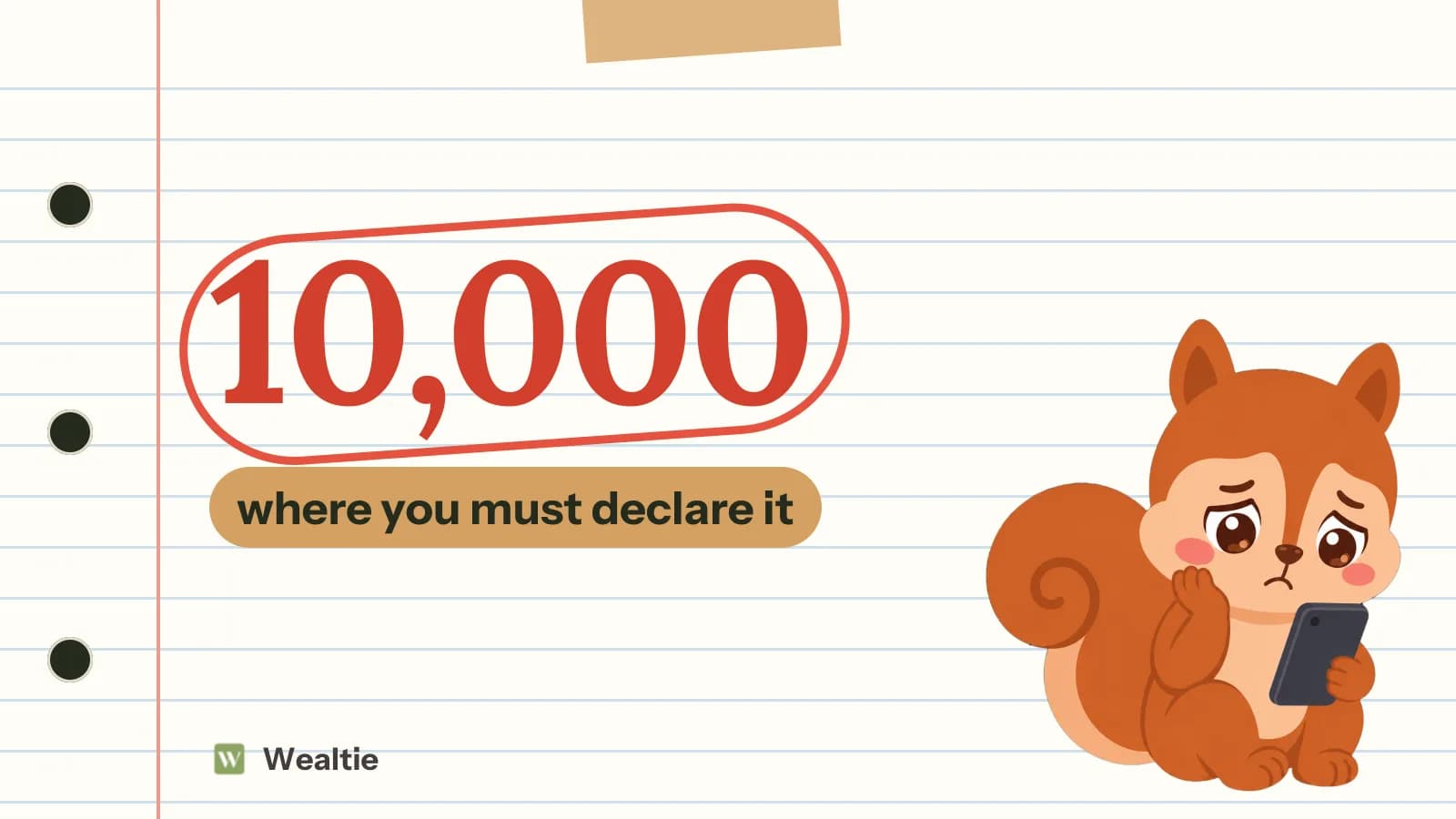
  • Illustration: Wally sitting and looking worried at a phone beside "10,000", where you must declare it.
    MULTI-CURRENCY & TRAVEL

    How much money can you travel abroad with? The legal limits

    How much money can you travel abroad with? There's no general limit leaving the US, UK or EU, but you must declare cash at the 10,000 line: above $10,000 for the US, and £10,000 or €10,000 or more for the UK and EU.

    · 3 min read

The weekly email

New posts, once a week

Once a week, the new posts on budgeting, saving and everyday money. Nothing else, and one click to leave.