Wealtie logoWealtie

Money & budgeting blog: Plain answers, sources included

Straight answers to everyday money questions: how much to save, how to set a budget you'll keep, what to do when your pay changes from month to month. Every post works through real numbers and shows where they come from.
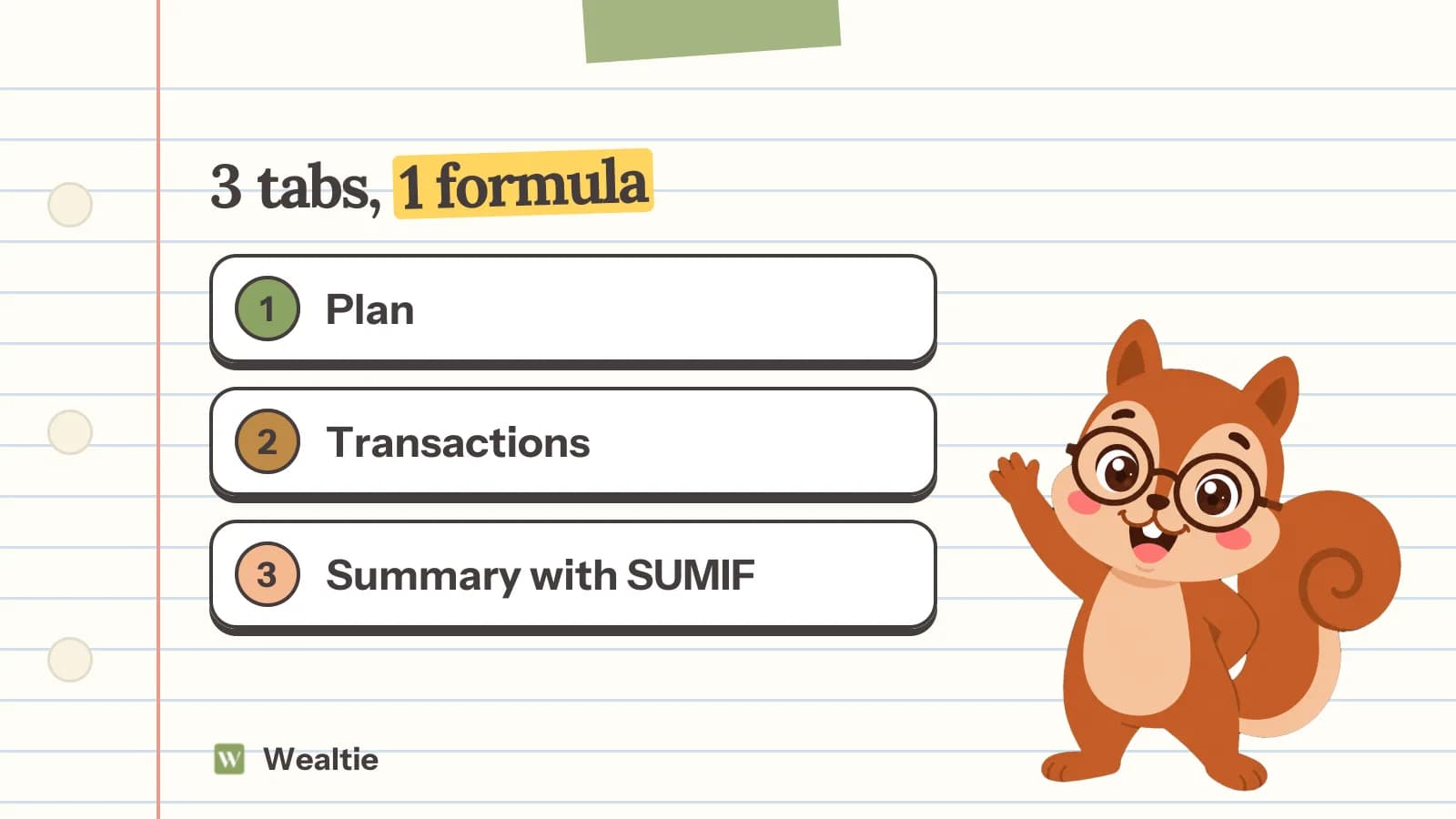
  • Wally waving beside a notebook: 3 tabs, 1 formula. Plan, Transactions, Summary with SUMIF.
    BUDGETING

    How to make a budget spreadsheet in Google Sheets or Excel

    To make a budget spreadsheet, set up three tabs: a plan with your monthly budget per category, a transactions log with one row per purchase, and a summary that compares the two with a SUMIF formula. It works the same in Google Sheets or Excel, and the formulas below are all you need.

    · 3 min read

  • Wally giving a thumbs up beside 'Plan on the base': spend base pay, bank commission.
    INCOME & FREELANCING

    Budgeting on commission: plan on the base, bank the rest

    Budgeting with commission income works best when your monthly budget runs on base pay alone and every commission check goes to a separate holding account first. From there you cover tax, fill a buffer for slow months, and pay yourself a fixed top-up, so a big quarter doesn't set spending a slow one can't keep.

    · 3 min read

  • Wally making peace signs beside '30 minutes a month: the money talk that prevents the fights'.
    MONEY AS A COUPLE

    How to talk about money with your partner without a fight

    To talk about money with your partner, pick a calm time that isn't straight after a big purchase, start with what you each want rather than what went wrong, and share the numbers both ways: income, debts and regular costs. Then agree one small next step, and meet again in a month.

    · 3 min read

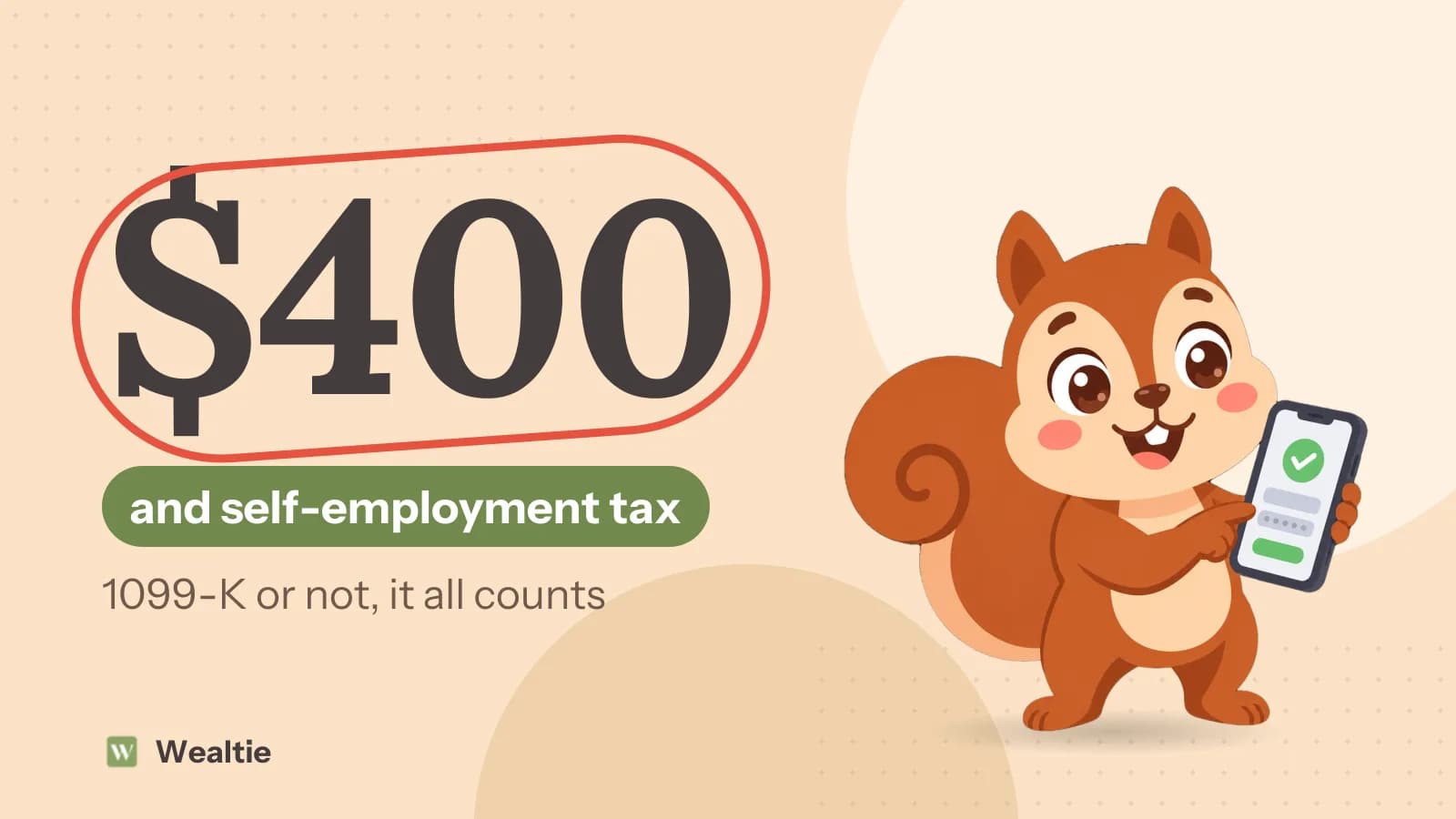
  • Wally checking his phone beside $400: self-employment tax starts at $400 of net side earnings, 1099-K or not.
    INCOME & FREELANCING

    How to track side hustle income without mixing it into your salary

    To track side hustle income, keep it in a separate account, log every payment and every cost the day it happens, and move part of each payment to a tax pot. All side income is taxable in the US whether or not you get a Form 1099-K, and self-employment tax starts at $400 of net earnings.

    · 3 min read

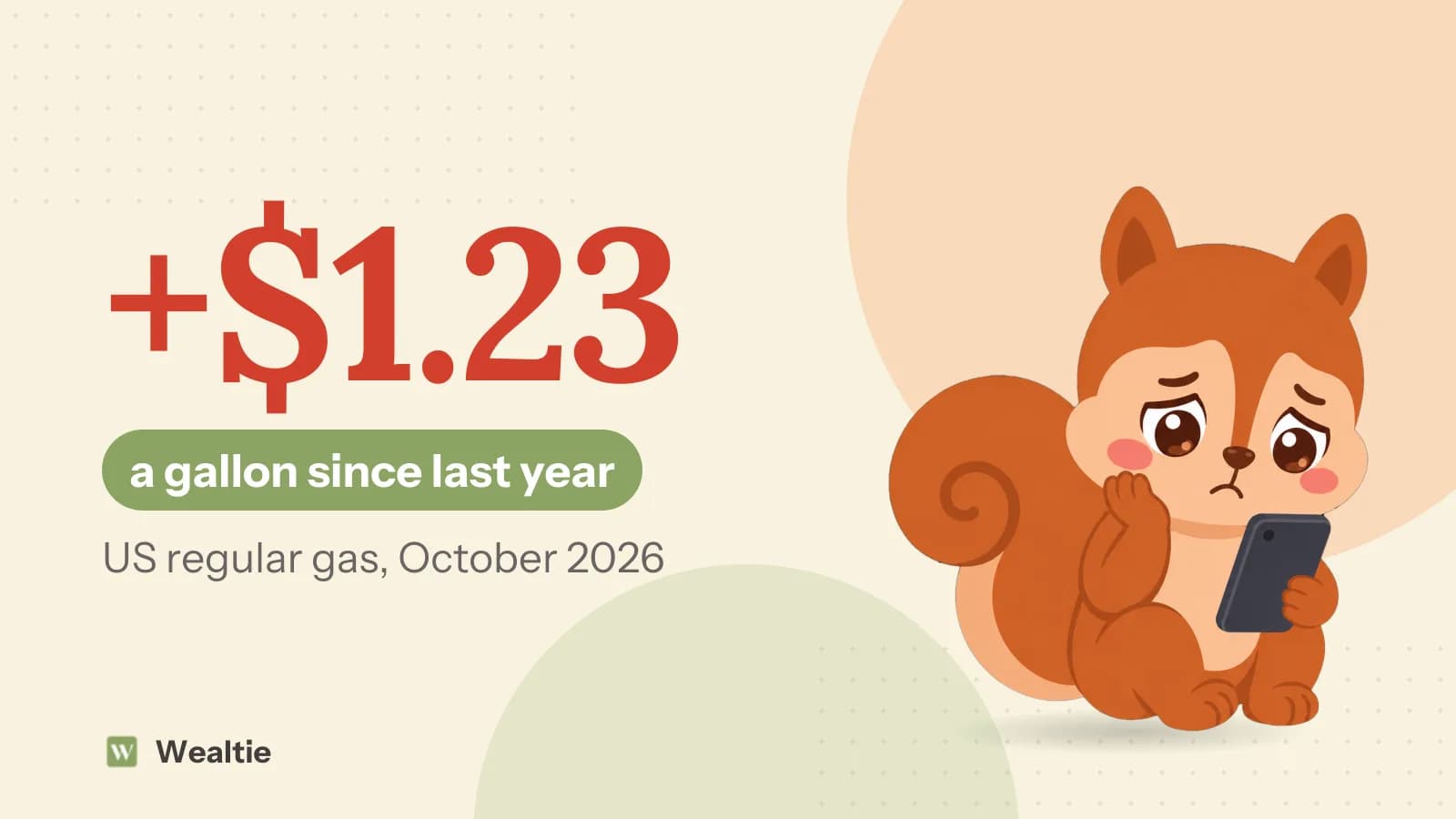
  • Wally looking worried beside +$1.23 in red: US regular gas costs $1.23 more a gallon than a year earlier, October 2026.
    BUDGETING

    How to save money on gas when prices are up $1.23 a gallon

    The quickest ways to save money on gas are to drive more smoothly, slow down on the highway and cut idling: aggressive driving can lower mileage by 15% to 30% at highway speeds, says the DOE. With gas at $4.27 a gallon in late October 2026, $1.23 more than a year earlier, each habit is worth more.

    · 3 min read

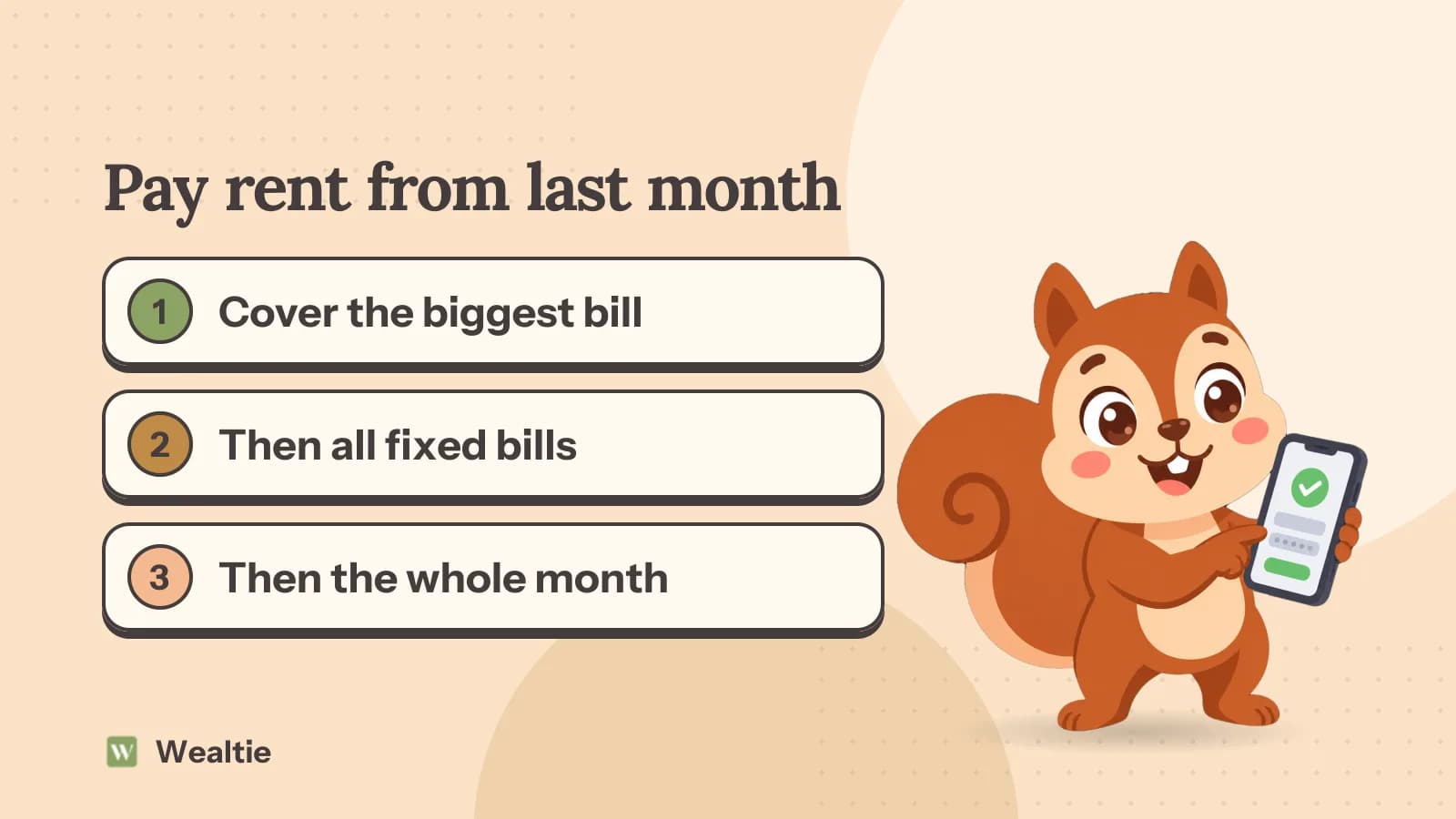
  • Wally checking his phone beside 'Pay rent from last month': cover the biggest bill, then all fixed bills, then the whole month.
    INCOME & FREELANCING

    How to get one month ahead on bills: building the buffer month

    To get one month ahead on bills, save a buffer equal to one month of spending in a separate account, then pay each month's bills from last month's income instead of this month's. You build it in stages, from windfalls, extra paychecks and a small monthly amount, until the whole month is covered.

    · 3 min read

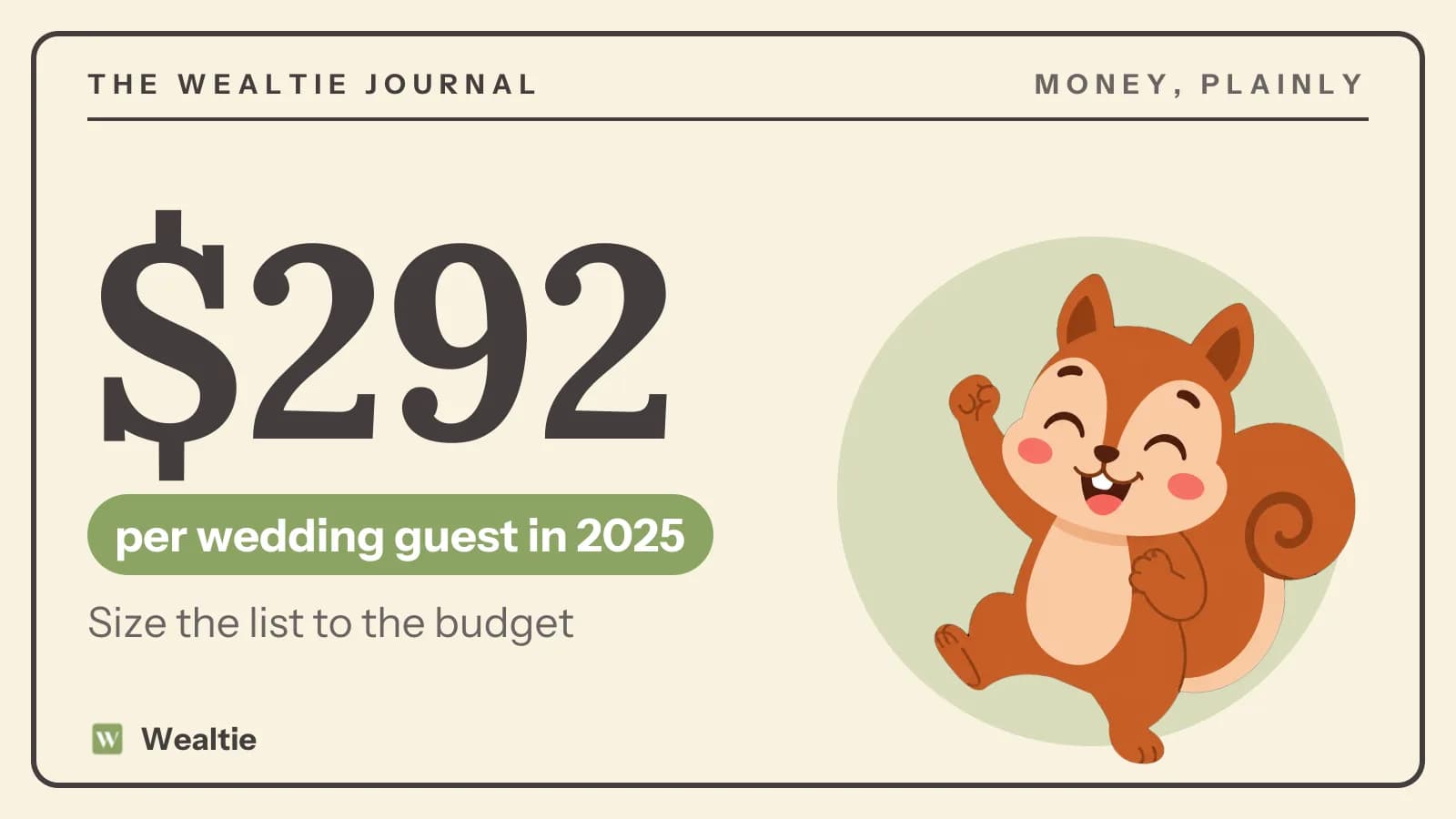
  • Wally celebrating beside $292 per wedding guest in 2025: size the list to the budget.
    BUDGETING

    How to budget for a wedding: set the total first, then the guest list

    To budget for a wedding, set the total you can pay without borrowing first, then size the guest list to fit it, because guests drive most costs. US weddings in 2025 averaged $34,000 for 117 guests, about $292 a guest, in The Knot's 2026 Real Weddings Study.

    · 3 min read

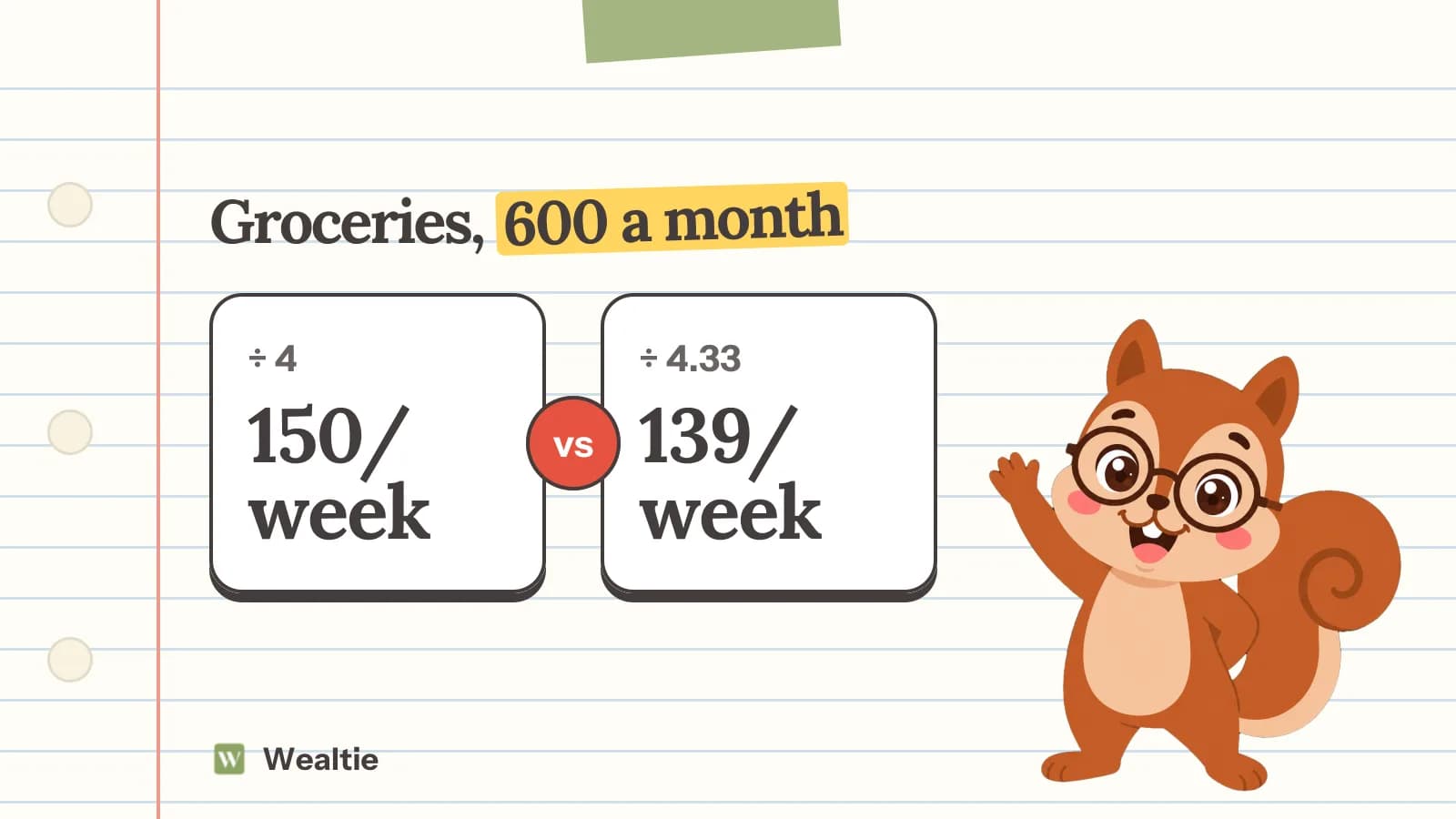
  • Wally waving beside a notebook: groceries at 600 a month is 150 a week if you divide by 4, but 139 if you divide by 4.33.
    BUDGETING

    Weekly or monthly budget: which one you'll keep, with examples

    In the weekly vs monthly budget question, use a monthly budget for bills and a weekly one for spending you do every few days, like groceries and eating out. If you're paid weekly or overspend late in the month, weekly is easier to keep; if you're paid monthly with mostly fixed bills, monthly is enough.

    · 3 min read

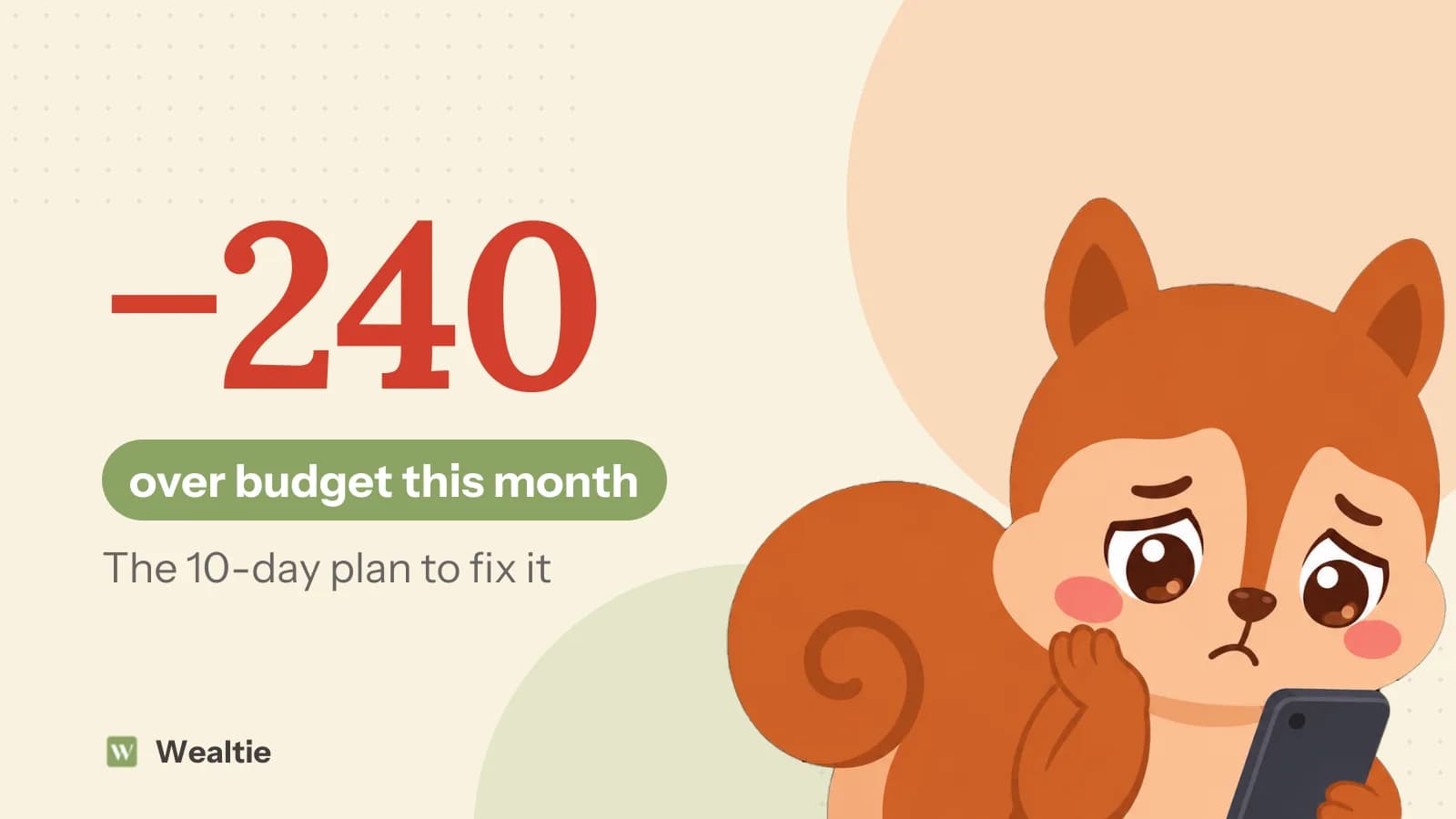
  • Wally looking worried beside −240 in red, 'over budget this month: the 10-day plan to fix it'.
    BUDGETING

    What to do when you go over budget: a ten-day plan

    When you go over budget, work out how much and where, cover the gap from a category with money left or from next month's budget rather than a new debt, and change the number that was wrong. One month over is information, not failure; the budgets that get abandoned are the ones nobody adjusts.

    · 3 min read

  • Wally giving a thumbs up beside 'Emergency or not?': a broken boiler is, a car insurance renewal isn't.
    SAVING

    What counts as an emergency? A test before you touch the fund

    An emergency is a cost that's unplanned, necessary and urgent: a car repair you need to get to work, a medical bill, a lost job. If you could have seen it coming, it belongs in a sinking fund; if it can wait, it isn't an emergency. That's what counts as an emergency for your fund.

    · 3 min read

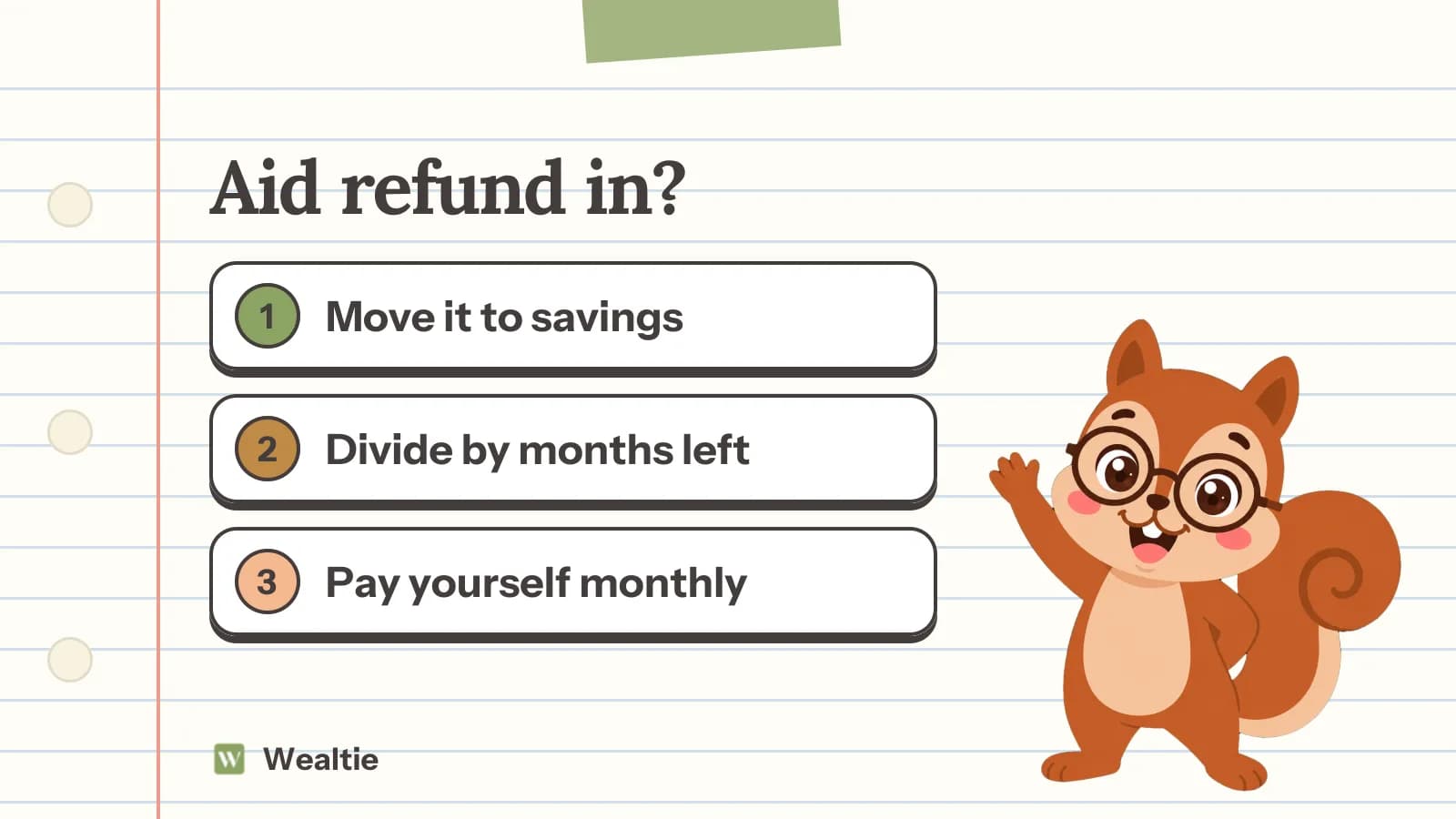
  • Wally waving beside a notebook list: aid refund in? Move it to savings, divide by months left, pay yourself monthly.
    BUDGETING

    How to budget as a college student, from aid refund to end of term

    To budget as a college student, add up all the money you'll have for the term, divide it by the months it has to last, and spend from that monthly amount, not from the lump sum. At public four-year colleges, books, transport and personal costs alone averaged $5,140 a year in 2025-26.

    · 4 min read

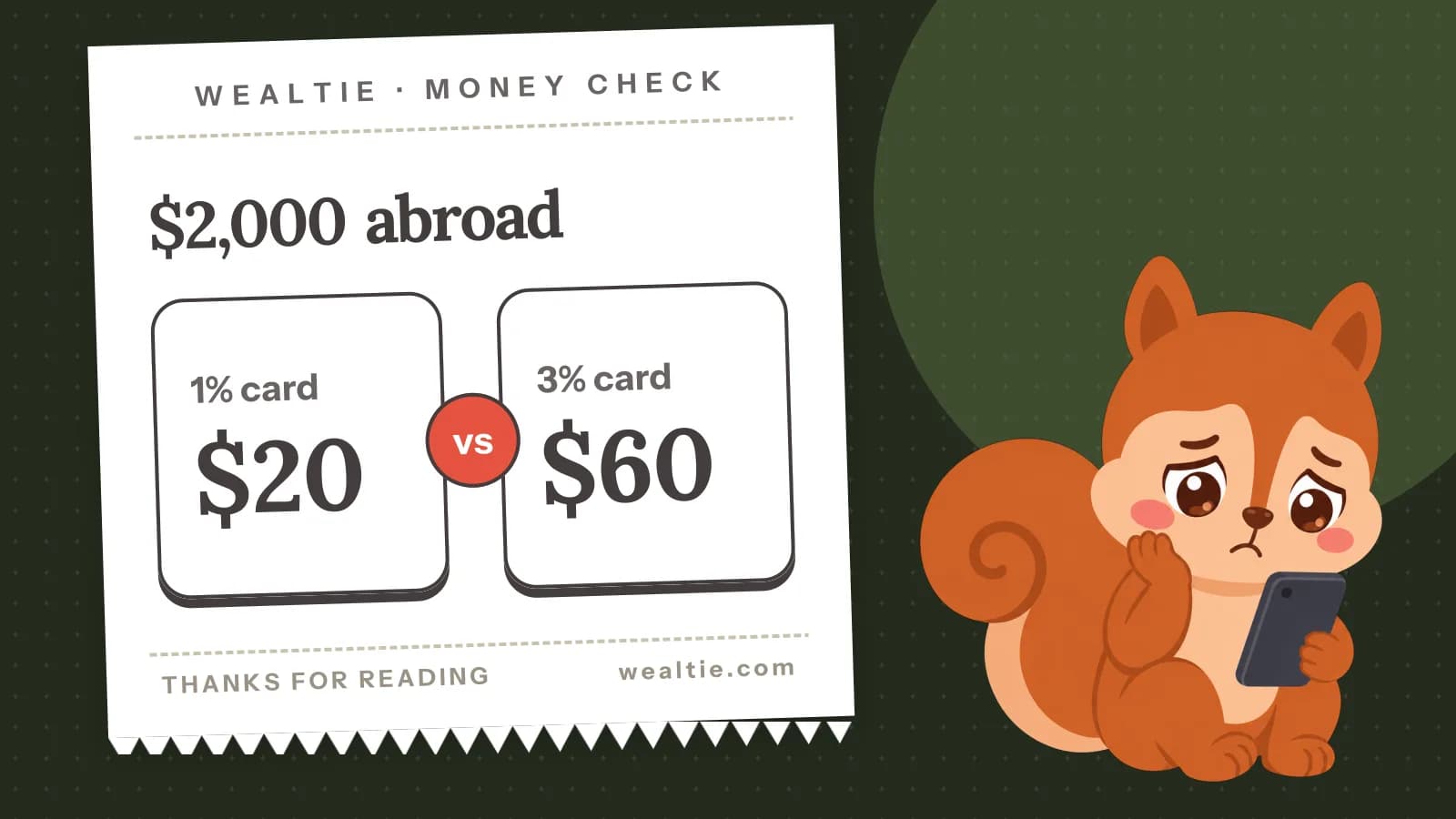
  • Wally looking worried beside a receipt comparing card fees on $2,000 spent abroad: $20 on a 1% card, $60 on a 3% card.
    MULTI-CURRENCY & TRAVEL

    Foreign transaction fees: what they cost and how to avoid them

    A foreign transaction fee is a charge, usually 1% to 3% of the purchase, that your card issuer adds when you pay in a foreign currency or buy from a merchant abroad. Half of US credit card plans charged none in the CFPB's late-2025 survey; most of the rest charged 1% or 3%.

    · 3 min read

The weekly email

New posts, once a week

Once a week, the new posts on budgeting, saving and everyday money. Nothing else, and one click to leave.