Wealtie logoWealtie

Money & budgeting blog: Plain answers, sources included

Straight answers to everyday money questions: how much to save, how to set a budget you'll keep, what to do when your pay changes from month to month. Every post works through real numbers and shows where they come from.
  • Wally gives a thumbs up beside the question "Pay in which currency?": paying in your own currency abroad uses the shop's rate, paying in the local currency uses your card's rate.
    MULTI-CURRENCY & TRAVEL

    How to budget for a trip abroad, before and while you're there

    To budget for a trip abroad, add up what you pay before you leave, give yourself one daily spending number for everything on the ground, and convert that number into the local currency before you land. Add a buffer of about 10% and check your card's foreign fees. A 10-day example is below.

    · 4 min read
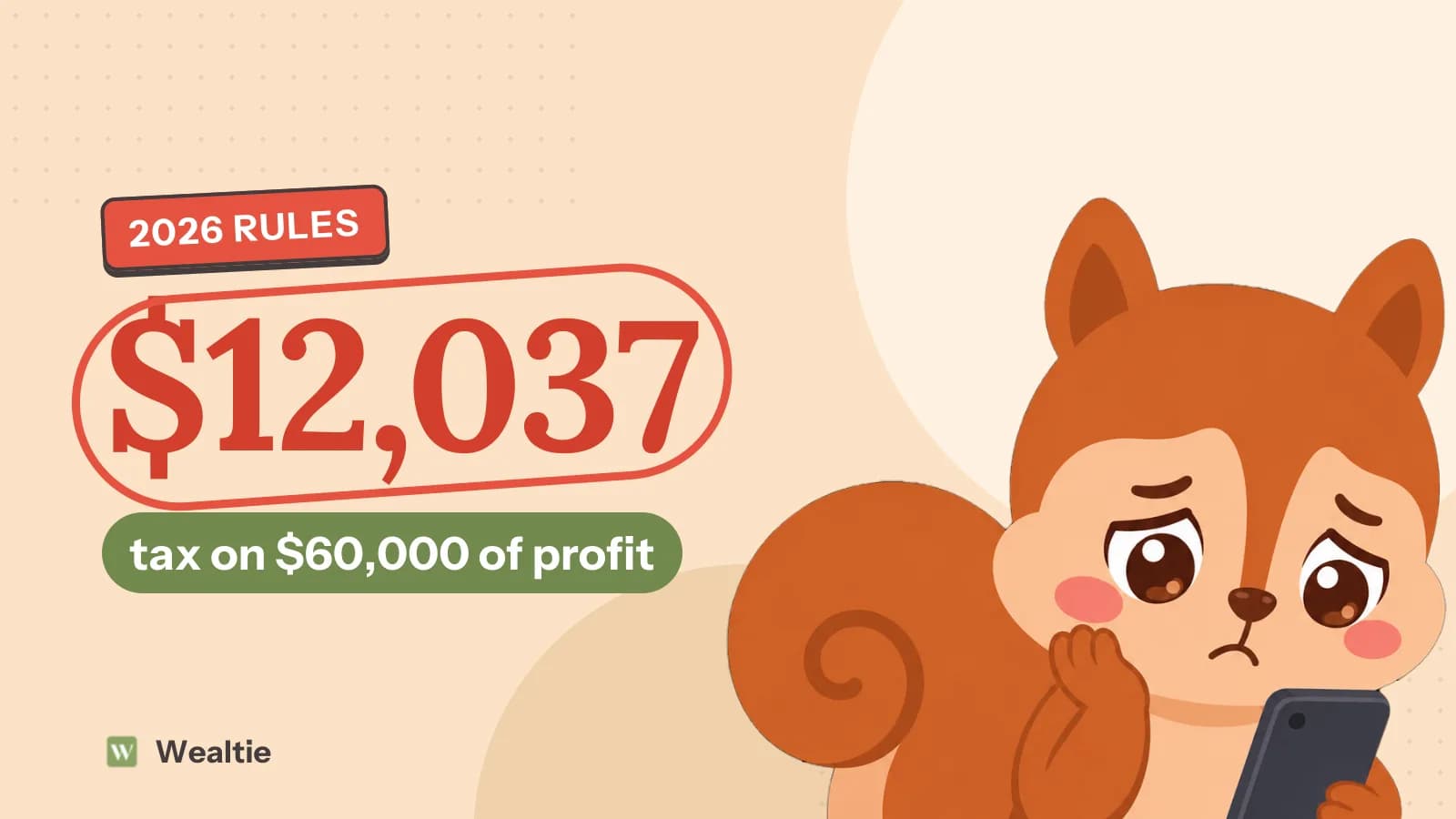
  • A worried Wally next to the figure $12,037, circled in red: the 2026 US federal tax on $60,000 of self-employed profit.
    INCOME & FREELANCING

    How much to set aside for taxes when you're self-employed

    How much to set aside for taxes when you're self-employed in the US: about 20% to 25% of your profit for federal tax, plus your state's income tax. A single filer with $60,000 of profit in 2026 owes about $12,000, or 20%. Move it out every time a client pays, not in April.

    · 4 min read

  • Wally gives a thumbs up next to the words "50/50 isn't always fair": a 50/50 split takes 75% of the lower earner's pay, splitting by income takes 50%.
    MONEY AS A COUPLE

    How to split bills as a couple: 50/50, by income, or pooled

    How to split bills as a couple depends mostly on the gap in pay. If you earn about the same, 50/50 works. If one of you earns noticeably more, split by income so you each pay the same share of your pay. Or pool everything and stop keeping score. The numbers for each are below.

    · 5 min read

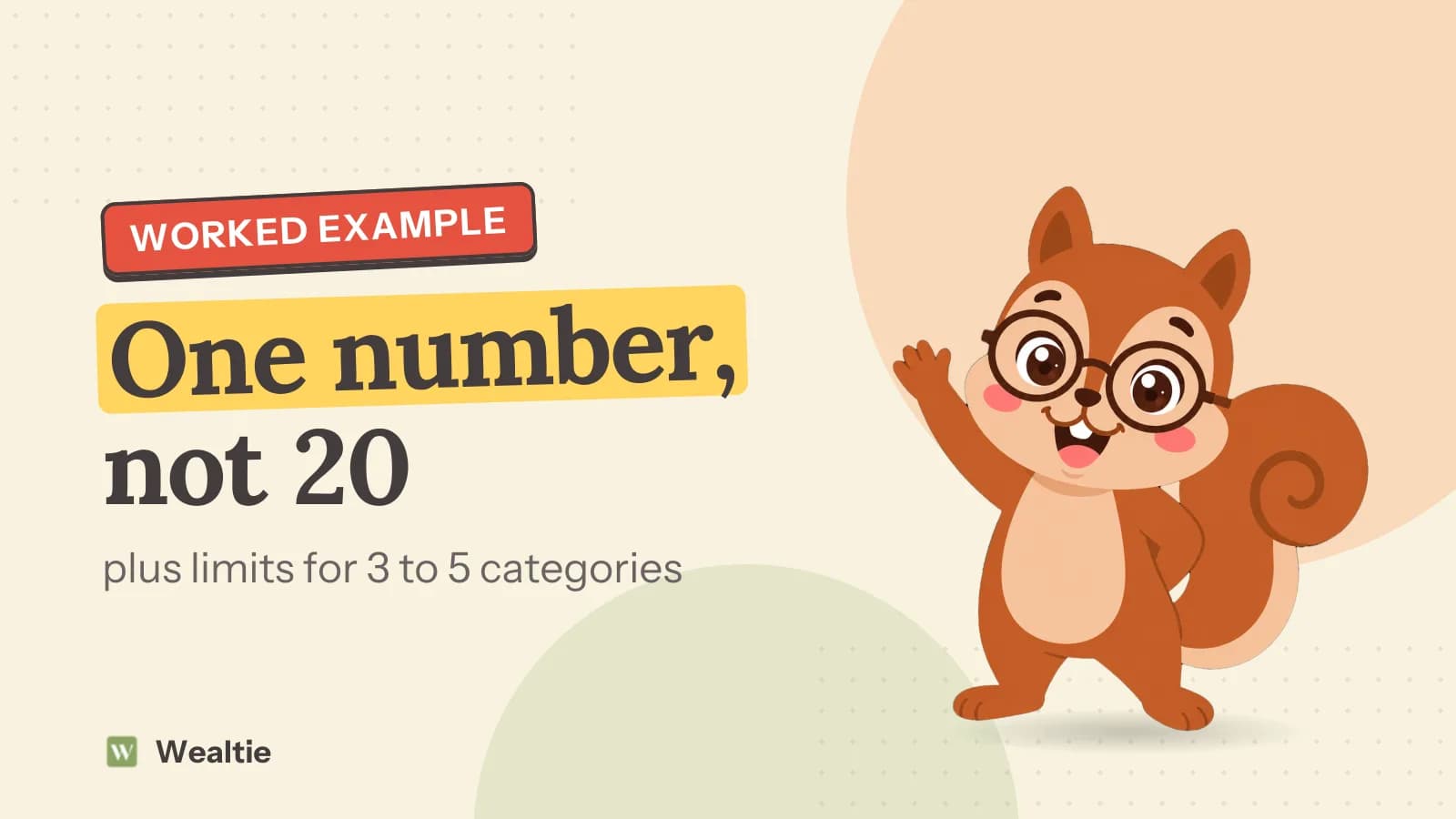
  • Wally waves next to the headline "One number, not 20", with "One number" highlighted and the line "plus limits for 3 to 5 categories".
    BUDGETING

    How to make a budget: a first budget in five steps

    To make a budget, write down your take-home pay, list the bills that don't change, see where last month's money went, set one spending limit with savings taken out first, then check it mid-month. That's how to make a budget in five steps. Treat the first month as a draft.

    · 4 min read

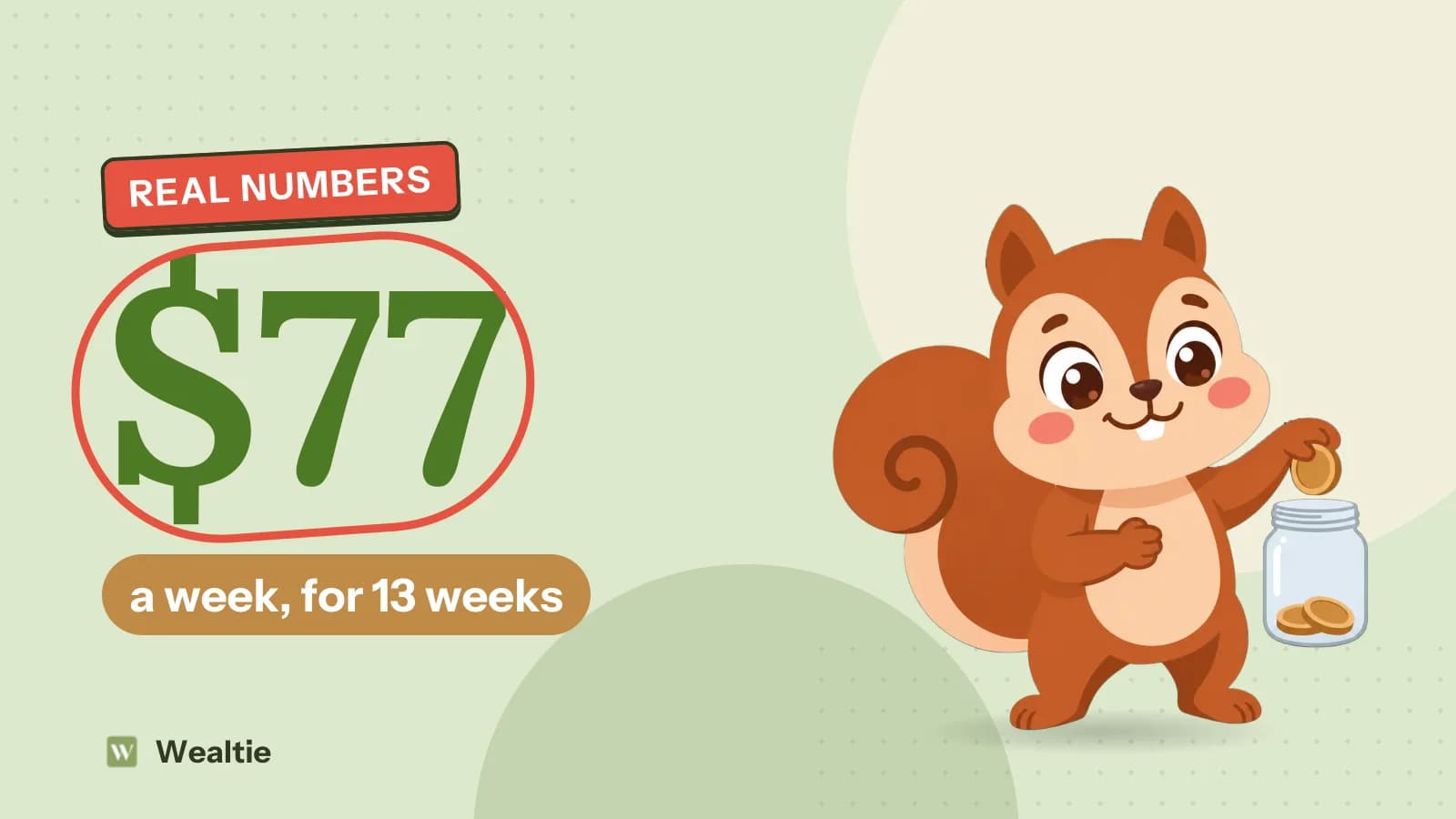
  • Wally drops a coin into a jar next to a circled $77, labelled a week, for 13 weeks.
    SAVING

    How to save $1,000 fast: a three-month plan with the numbers

    The fastest realistic way to save $1,000 is $77 a week for 13 weeks: about $200 a month trimmed from two or three categories, plus $400 of one-off money from things you sell or extra hours. Here's how to save 1000 dollars fast, with the numbers.

    · 4 min read

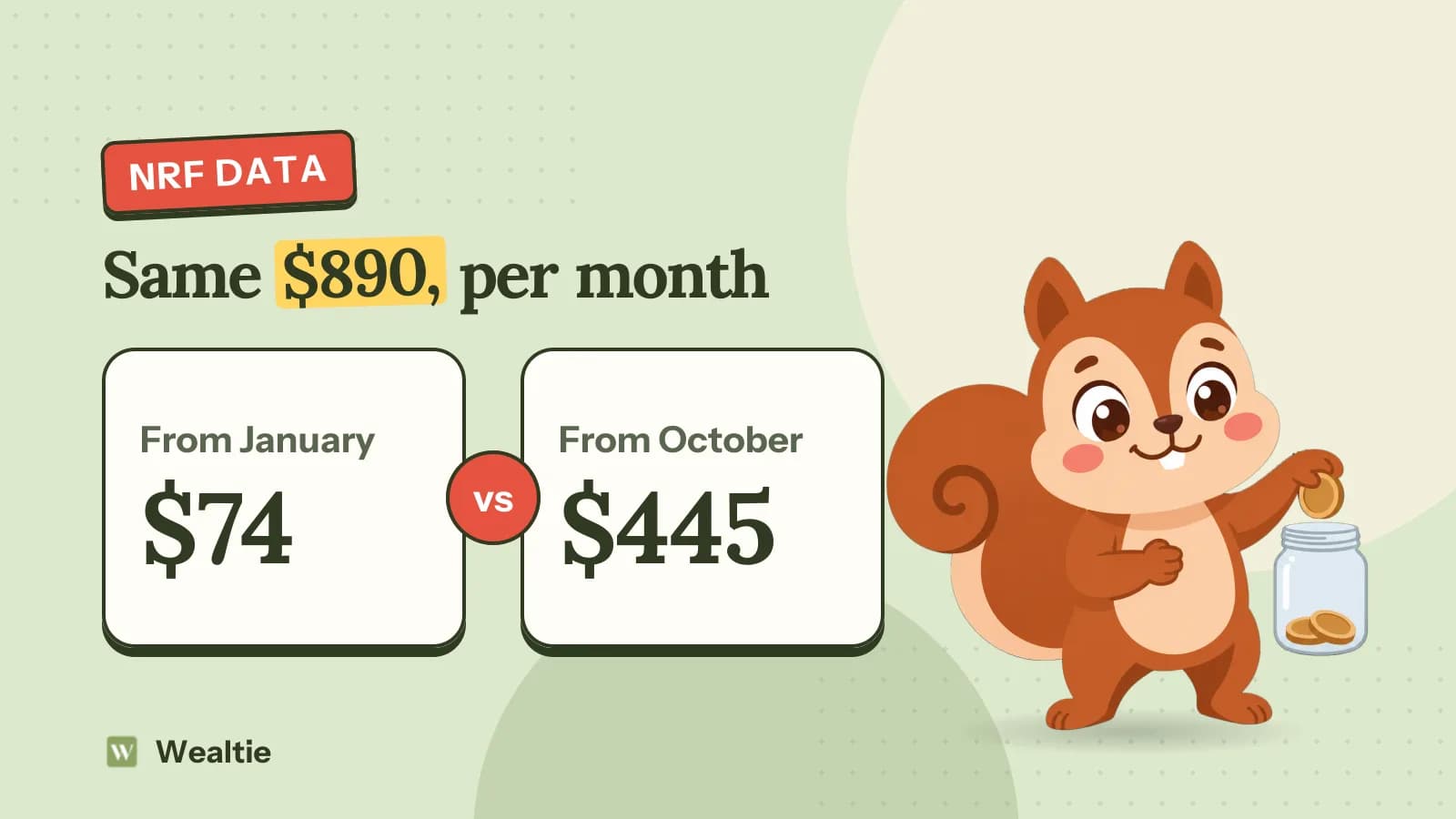
  • Wally drops a coin into a jar beside the same $890 of holiday spending saved per month: $74 starting in January, $445 starting in October.
    SAVING

    What is a sinking fund? Save for the bills you know are coming

    A sinking fund is money you put aside each month for a cost you know is coming but don't pay monthly, like car insurance, a car service or holiday gifts. Divide the bill by the months until it's due and move that amount on payday.

    · 5 min read

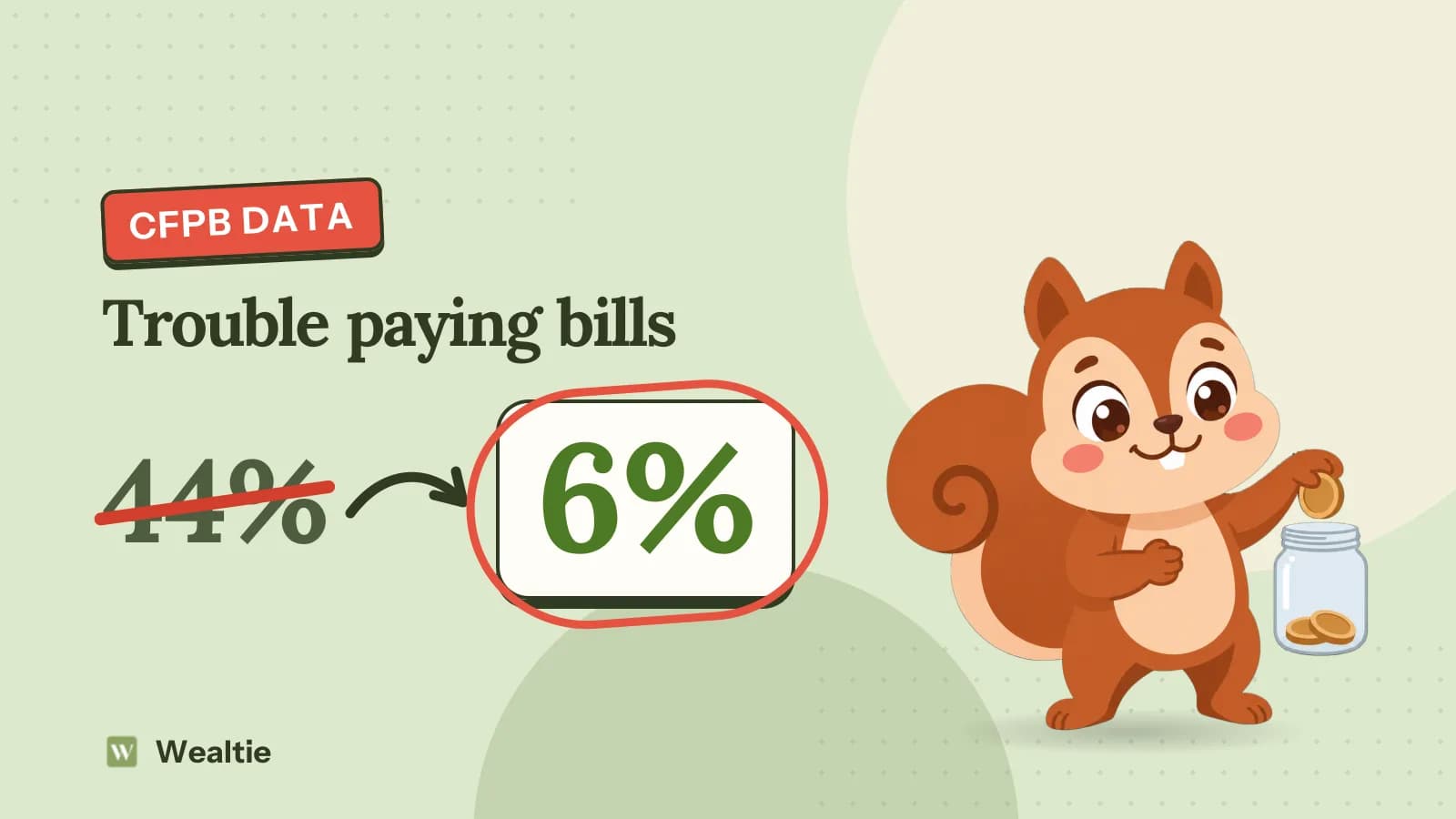
  • Wally dropping a coin into a jar beside "Trouble paying bills": 44% crossed out, then 6% circled, from CFPB data on people with less than versus at least a month of income saved.
    SAVING

    How much should be in an emergency fund? Start with one month

    Aim for one month of take-home income in your emergency fund first. In CFPB research, 44% of people with some savings but less than a month of income had trouble paying a bill in the past year. Among those with at least a month saved, 6% did.

    · 3 min read

The weekly email

New posts, once a week

Once a week, the new posts on budgeting, saving and everyday money. Nothing else, and one click to leave.