Budgeting: Is a smartwatch worth it? Costs, uses and cheaper options
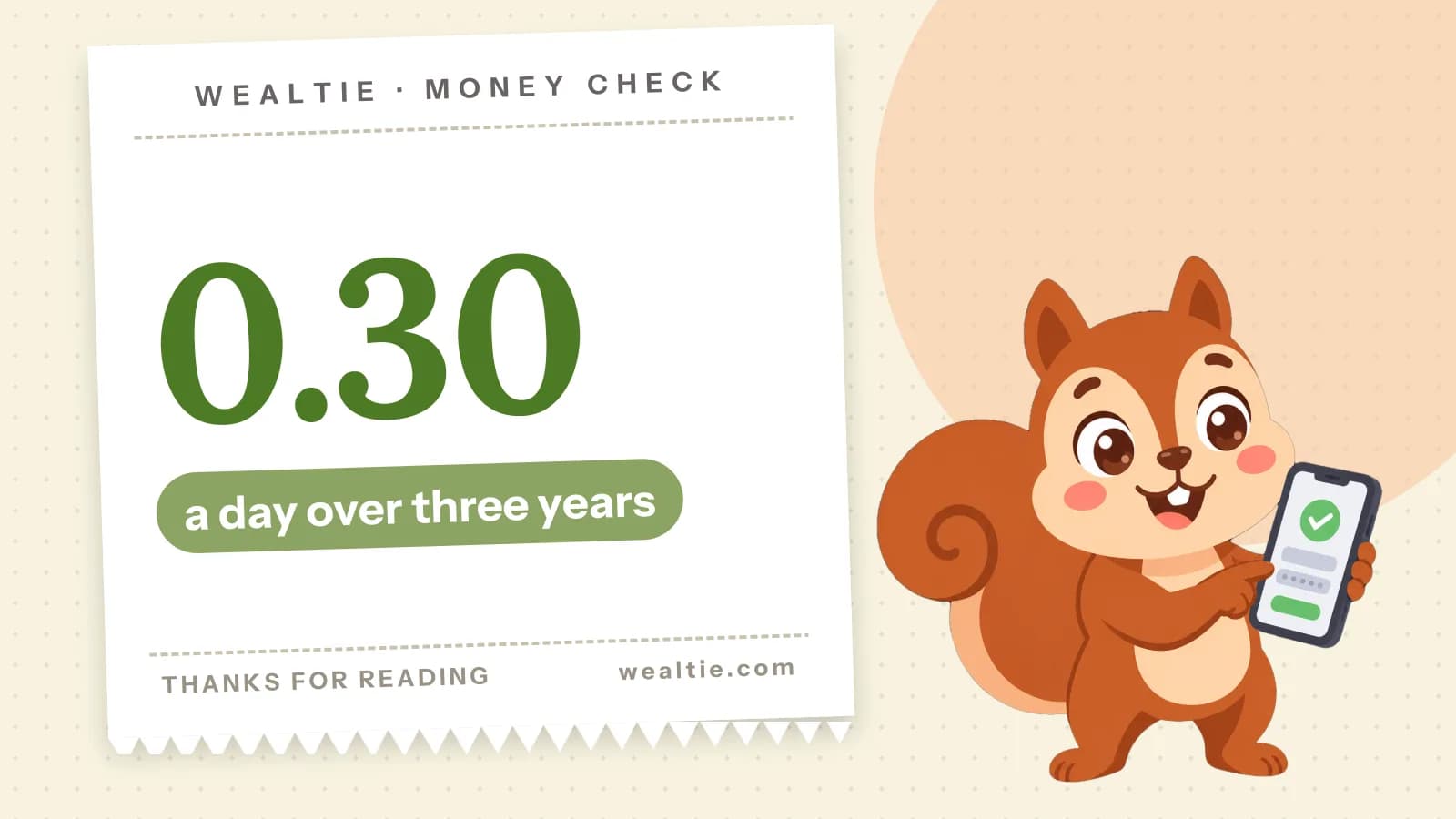
Is a smartwatch worth it? It can be if you'll wear it daily for fitness, health or notifications, and in a worked example one costing 300 works out at about 0.30 a day over three years.
 By Wealtie Team · 3 min read
Key takeaways
- A smartwatch can be worth it if you'll wear it every day.
- In a worked example, a 300 watch costs about 0.30 a day over three years.
- A cheaper fitness tracker covers the basics for many people.
- Batteries wear out and some features need subscriptions, so count those costs.
Is a smartwatch worth it?
It depends on what you'll use it for and how often you'll wear it. A smartwatch tracks steps, heart rate, sleep and workouts, shows notifications from your phone and can handle payments, timers and maps. For people who exercise regularly, want to keep an eye on their health or find their phone a distraction, it can be very useful. For people who'd wear it for a few weeks and then leave it in a drawer, it's an expensive gadget.
The best way to decide is to list what you'd use it for every day. If the list is short, a cheaper fitness tracker or the phone you already have may do the job.
It also helps to be honest about why you want one. If friends have one, or the adverts make it look essential, the excitement may fade once the novelty wears off. If you have a clear daily use, like training for a run or tracking sleep, it's far more likely to earn its place on your wrist.
Smartwatches can also bring hidden spending of a different kind. Contactless payments from your wrist are quick and easy, which is handy but can make small purchases feel even lighter. Notifications from shopping apps can tempt you at any moment. Turning off notifications you don't need, and keeping an eye on what you spend, helps make sure the watch saves you time rather than nudging you to spend more. Used well, though, a watch that tracks your activity and sleep can encourage habits that are good for your health and your wallet, like walking instead of driving short distances.
What does a smartwatch cost per day?
Here's a worked example over three years, in round numbers that work in any currency:
| Device | Price | Cost per day over three years |
|---|---|---|
| Smartwatch | 300 | 0.30 |
| Fitness tracker | 100 | 0.10 |
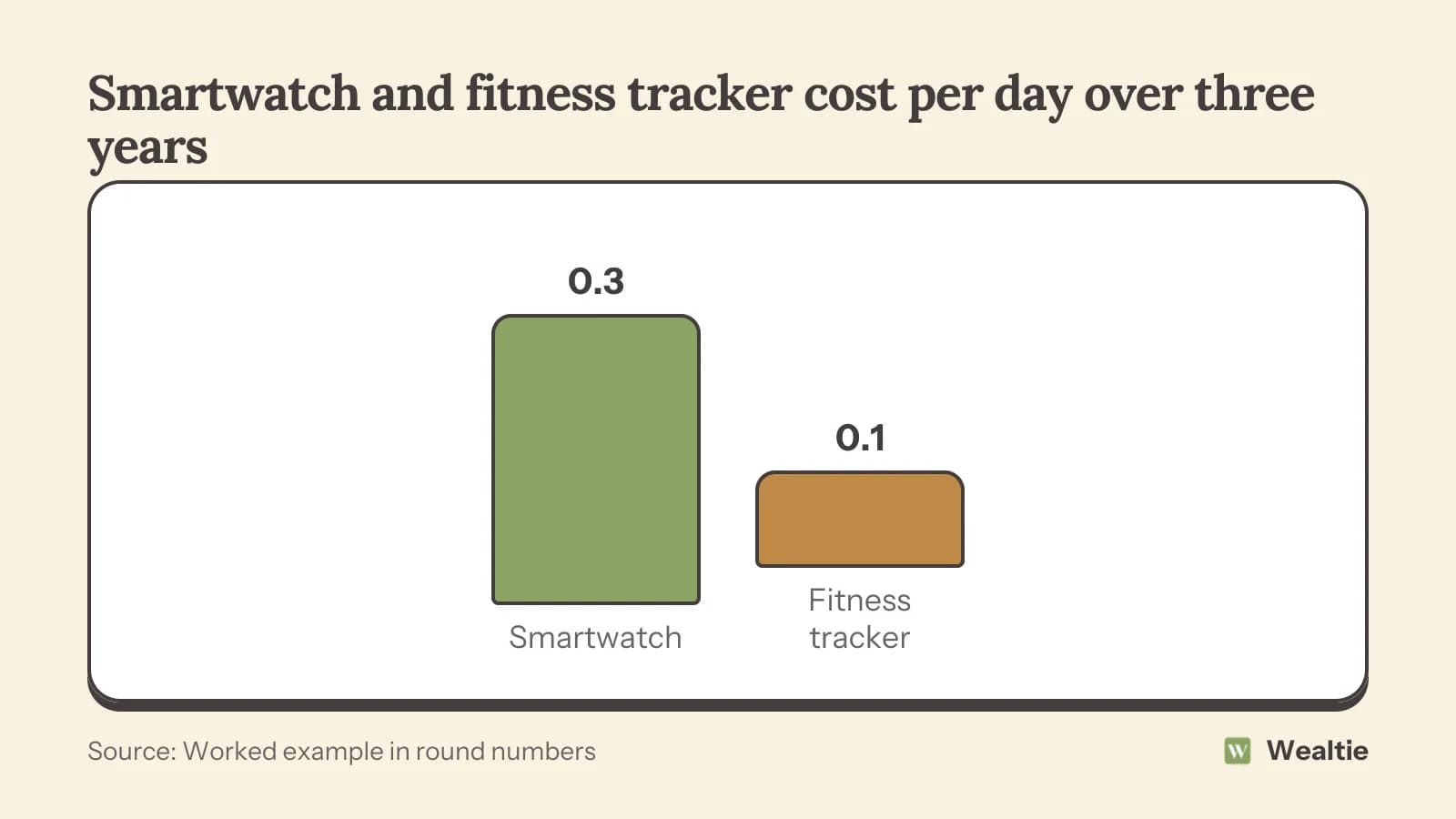
A smartwatch worn every day for three years costs about 0.30 a day. A fitness tracker covering the basics costs about 0.10 a day. If you'd only wear either one occasionally, the cost per use is much higher. Cost per use explains this way of comparing.
What can a smartwatch replace?
A smartwatch can replace a normal watch, a fitness tracker and sometimes a running watch or heart-rate monitor. Some people find it helps them check their phone less, since they can glance at notifications and ignore the rest. Tracking workouts at home or outside may help some people skip paid fitness apps or classes. How to save money on a gym membership covers getting fit for less.
What hidden costs come with a smartwatch?
Battery life and replacement
Batteries wear down over time, and many smartwatches need charging every day or two. Replacing a worn battery can cost a fair amount, and some models can't easily be repaired.
Subscriptions
Some health and fitness features need a monthly subscription. Check what's included in the price and what costs extra. How to cut subscription costs helps you keep track.
Straps and accessories
Extra straps, chargers and screen protectors add up. A spare charger for work or travel is handy but often costs more than you'd expect, so check prices before you need one.
Upgrades
New models come out every year, and it's tempting to upgrade. Keeping a watch for several years makes it far better value, since the cost per day keeps falling the longer you wear it.
Phone compatibility
Some smartwatches only work fully with certain phones. Check before buying, especially if you might switch phones.
How can you get a smartwatch for less?
Buy last year's model, which is often much cheaper and barely different. Look at refurbished or second-hand watches from reputable sellers. Consider a fitness tracker if you mainly want step counts, sleep and heart rate. Avoid paying extra for features you won't use, like built-in mobile data. Be wary of extended warranties, which often aren't worth it. Is an extended warranty worth it? covers when to say no, and how to save money on electronics has more tips.
Try before you commit
If you're unsure, borrow one from a friend for a week or buy from a shop with a good returns policy. You'll soon find out whether you wear it every day.
How do you track gadget spending in Wealtie?
Keep gadgets in their own expense categories and set a budget for them. Add any subscriptions as recurring transactions, so they log themselves on their date and you can see the full yearly cost.
Questions people ask
It can be if you'll wear it daily for fitness, health or notifications. In a worked example, a 300 watch costs about 0.30 a day over three years.
For many people, yes. A tracker covers steps, sleep and heart rate for much less.
Battery wear, subscriptions for some features, straps and accessories, and the temptation to upgrade each year.
Choose last year's model, buy refurbished from a reputable seller or pick a fitness tracker if you only need the basics.
This article is general information, not financial, tax or legal advice. Your situation is your own; check the numbers that apply to you before you act on them.