Budgeting: Does a pressure cooker save money? Energy, time and cheap meals
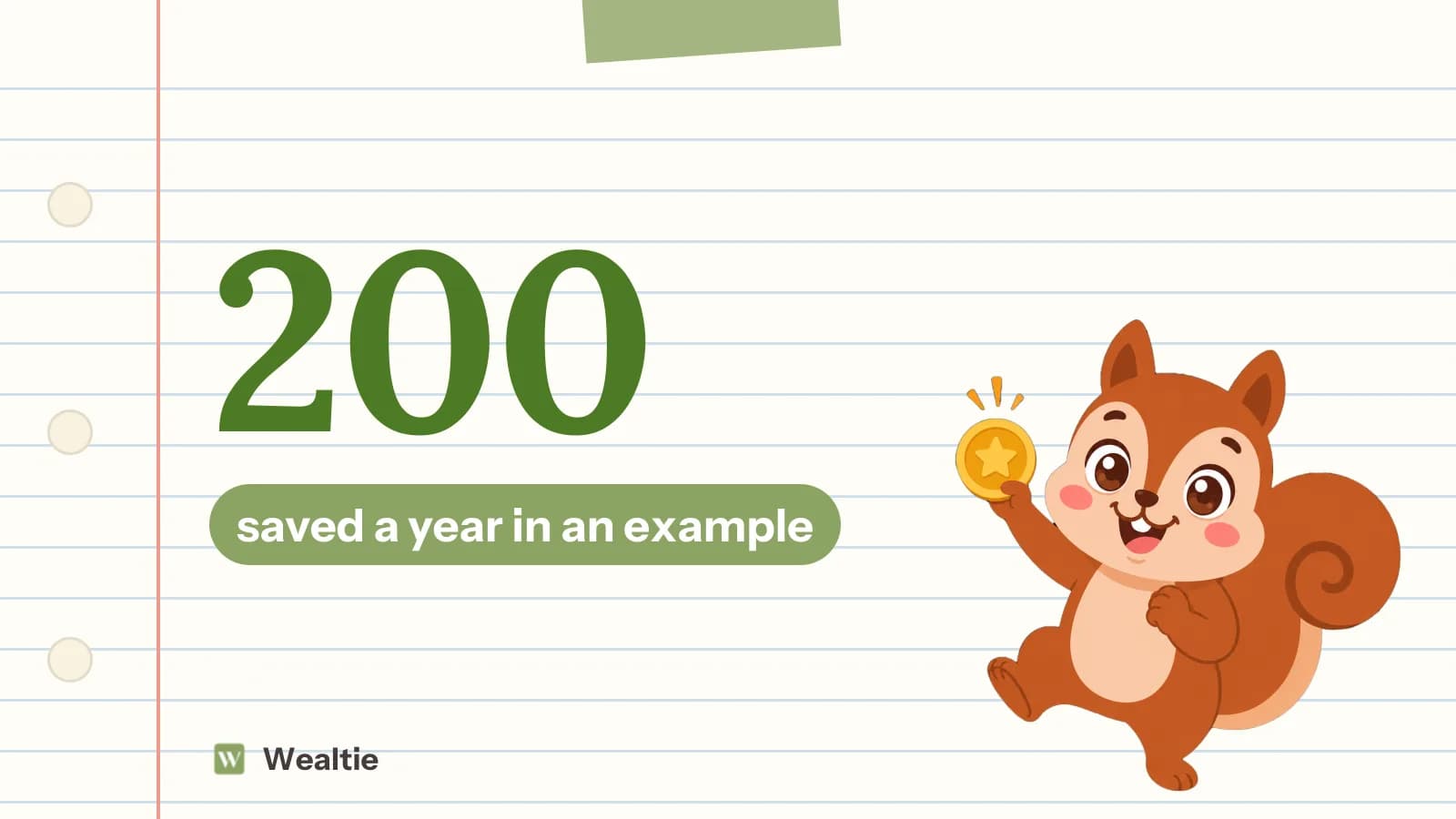
Does a pressure cooker save money? Usually yes, because it cooks in a fraction of the time and makes cheap ingredients like dried beans and tough cuts quick to prepare, and in a worked example a family saves about 200 a year.
 By Wealtie Team · 3 min read
Key takeaways
- A pressure cooker usually saves money on food and energy.
- It cooks dried beans, grains and tough cuts quickly.
- In a worked example, a family saves about 200 a year.
- Most of the saving comes from cheaper ingredients, not energy.
Does a pressure cooker save money?
For most households, yes. A pressure cooker seals food in a pot and builds up steam pressure, which raises the cooking temperature and cuts cooking time dramatically. Dishes that take hours, like stews, beans and stocks, can be ready in under an hour. That saves energy, but the bigger saving comes from what it lets you cook: cheap dried beans and pulses, tough cuts of meat and whole grains, all made quick enough for a weeknight.
Electric pressure cookers, often called multi-cookers, can also slow cook, steam and cook rice, which can replace several appliances.
Older stovetop pressure cookers had a reputation for being tricky or even scary, but modern ones have several safety features and are simple to use. Electric models are especially easy, since you set a programme and walk away. Once you've made a few meals, using one becomes second nature, and it's often the appliance people say they reach for most.
A pressure cooker also helps on the days when you forget to plan. A bag of dried lentils, a tin of tomatoes and a few vegetables can become a filling meal in half an hour, without soaking or simmering for hours. Having that option in the cupboard makes it much easier to cook from cheap staples instead of reaching for a ready meal or a takeaway. Over a year, those small choices add up to most of the saving in the example below.
It can also cut washing up. Cooking a whole meal in one pot means fewer pans, which saves a little hot water and a lot of time.
How much can a pressure cooker save?
Here's a worked example for a family over a year, in round numbers that work in any currency:
| Saving | A year |
|---|---|
| Dried beans instead of tins | 60 |
| Cheaper cuts of meat | 80 |
| Fewer takeaways | 40 |
| Energy | 20 |
| Total | 200 |
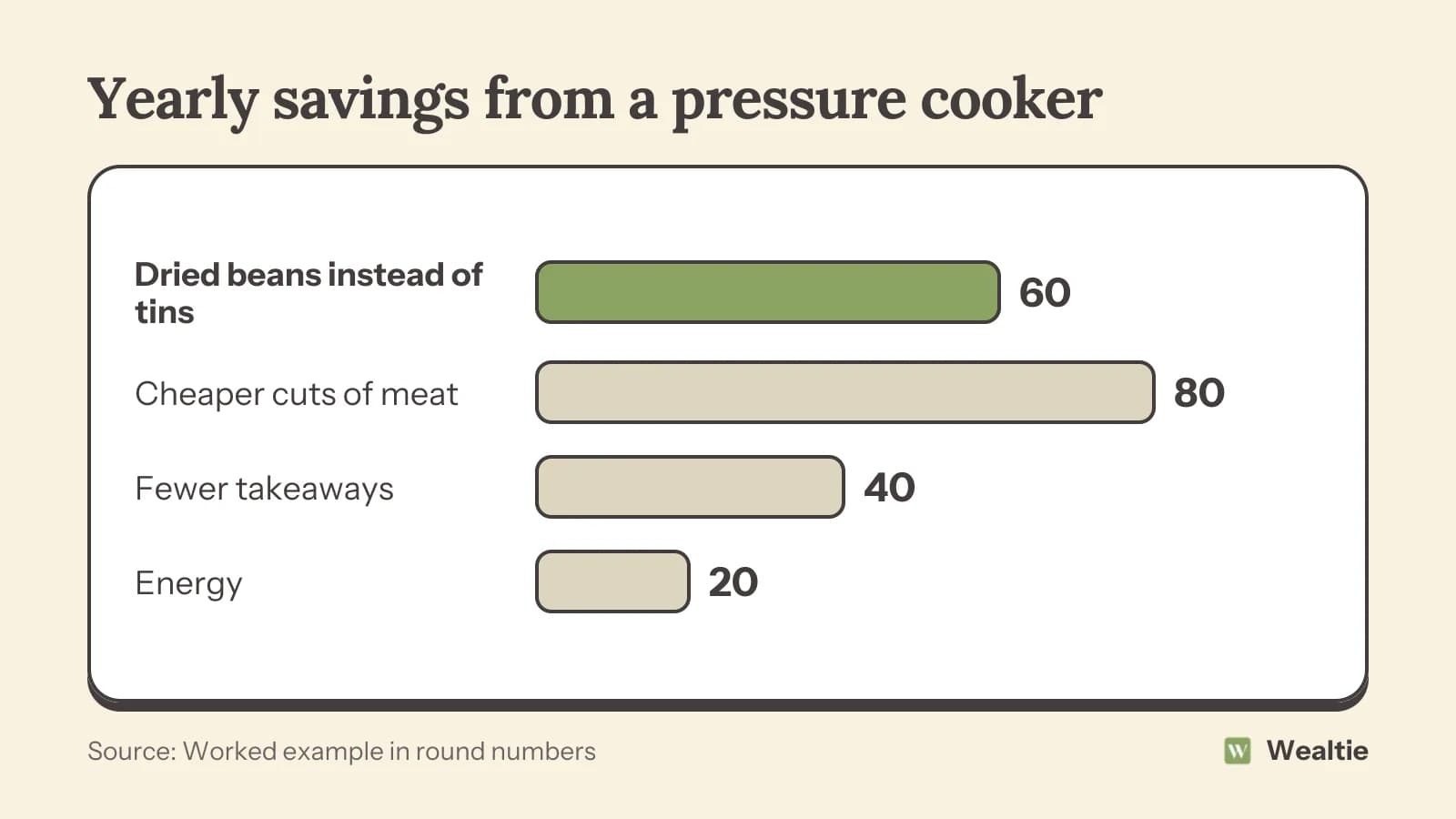
Most of the saving comes from food choices. Dried beans cost far less than tinned, and a pressure cooker cooks them without overnight soaking in many cases. Tough, cheap cuts become tender in under an hour. And being able to make a hearty meal quickly makes takeaways less tempting.
Why does a pressure cooker save money?
Cheap ingredients made quick
Dried beans, lentils, chickpeas and whole grains are among the cheapest foods, but take a long time to cook normally. A pressure cooker makes them practical for everyday meals.
Tougher cuts
Cheaper cuts of meat need long cooking to become tender. A pressure cooker does it in a fraction of the time.
Less energy
Shorter cooking times usually mean less energy than simmering on the hob or using the oven for hours. A pot of beans that would bubble on the hob for an hour or more can be ready in a fraction of the time, with the lid sealed so little heat escapes.
Batch cooking
Big batches of stew, curry, soup or stock can be frozen for quick meals later. Meal planning on a budget covers batch cooking.
Stovetop or electric pressure cooker?
Stovetop pressure cookers are usually cheaper and last a long time. Electric ones are easier to use, have timers and keep-warm settings, and can replace a slow cooker and rice cooker. Choose based on how you cook and how much counter space you have. If you already own a slow cooker and rice cooker, a stovetop model avoids buying features you don't need. Second-hand models can be good value, but check seals and safety valves, and replace worn seals.
How do you get the most from a pressure cooker?
Buy dried beans, lentils and grains in bulk. Cook big batches and freeze portions. Use cheaper cuts of meat and stretch them with vegetables and pulses. Make stock from leftover bones and vegetable scraps. How to save money on groceries has more ways to cut food costs, and how to host a dinner on a budget shows how a pressure-cooked dish can feed a crowd cheaply.
Check the energy side
Knowing what your appliances cost to run helps you make good choices. How to save money on your electric bill covers working it out. Work out the cost per use too: a pressure cooker used several times a week costs very little per meal.
How do you track food savings in Wealtie?
Keep groceries and takeaways in separate expense categories and set a monthly budget for each, so you can see whether cooking from cheaper ingredients brings your food spending down.
Questions people ask
Usually yes. In a worked example, a family saves about 200 a year, mostly from cheaper ingredients like dried beans and tougher cuts.
Usually, because it cooks food much faster than simmering on the hob or using the oven.
They're easy to use and can replace a slow cooker and rice cooker, which makes them good value for many kitchens.
Bean and lentil dishes, stews with cheaper cuts, soups, curries and stock from leftovers.
This article is general information, not financial, tax or legal advice. Your situation is your own; check the numbers that apply to you before you act on them.