Budgeting: The cost of paddleboarding for beginners
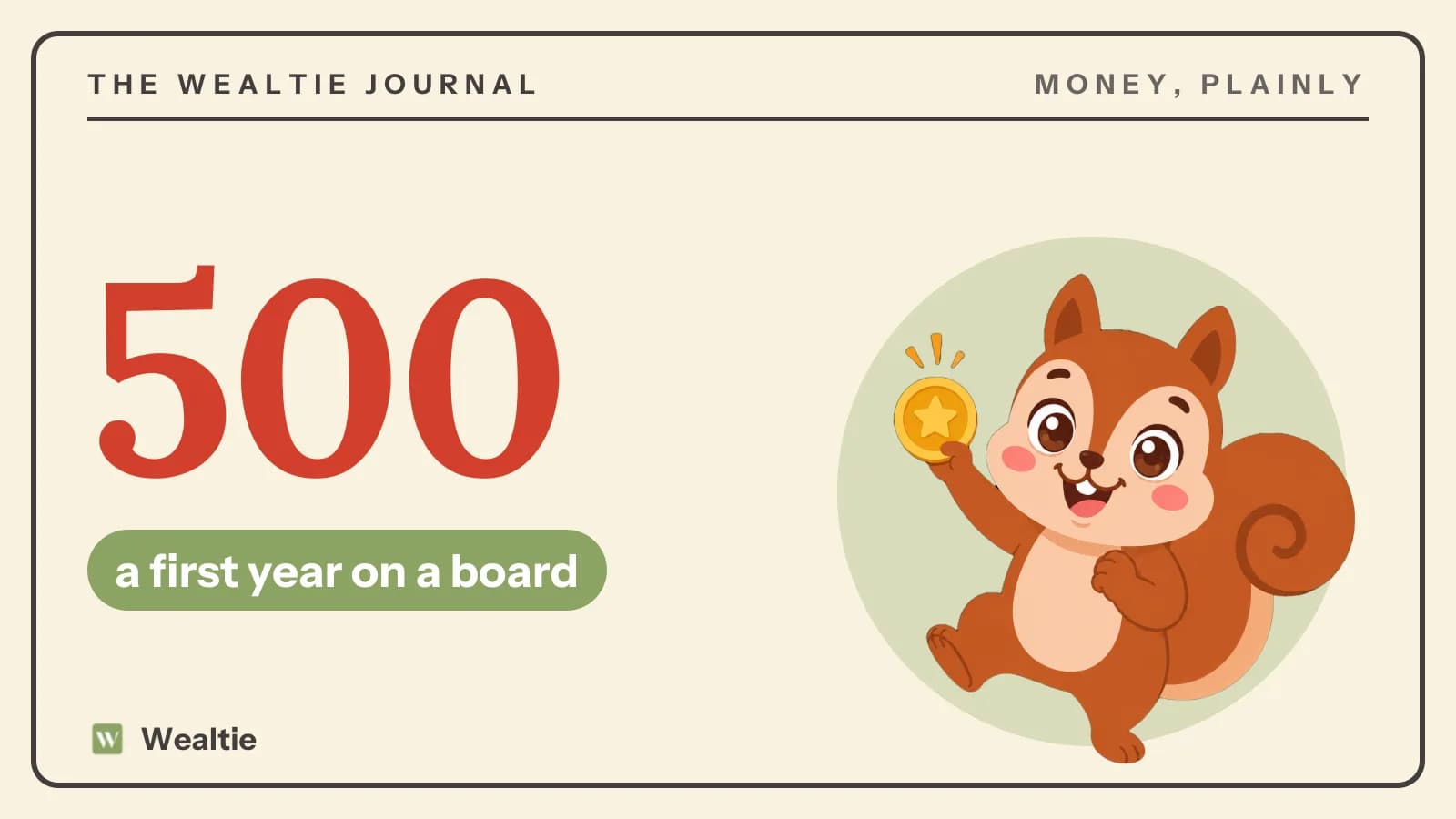
The cost of paddleboarding is mostly the board, and inflatable packages have made it affordable to start. In a worked example, a first year of paddleboarding costs 500, including a 350 board package and a lesson.
 By Wealtie Team · 3 min read
Key takeaways
- The cost of paddleboarding is mostly the board, with inflatable packages the cheapest start.
- A lesson and a buoyancy aid matter more than a premium board.
- Renting a few times first shows whether you'll keep paddling.
- Cheap boards can be less stable and durable, so check reviews.
What is the cost of paddleboarding?
Stand-up paddleboarding has become hugely popular, partly because it's easy to learn and partly because inflatable boards have made it affordable. You can paddle on calm lakes, rivers and sheltered coastlines, and many people use it for fitness, relaxation or exploring on holiday. The cost of paddleboarding depends mostly on whether you rent or buy, and on the quality of the board.
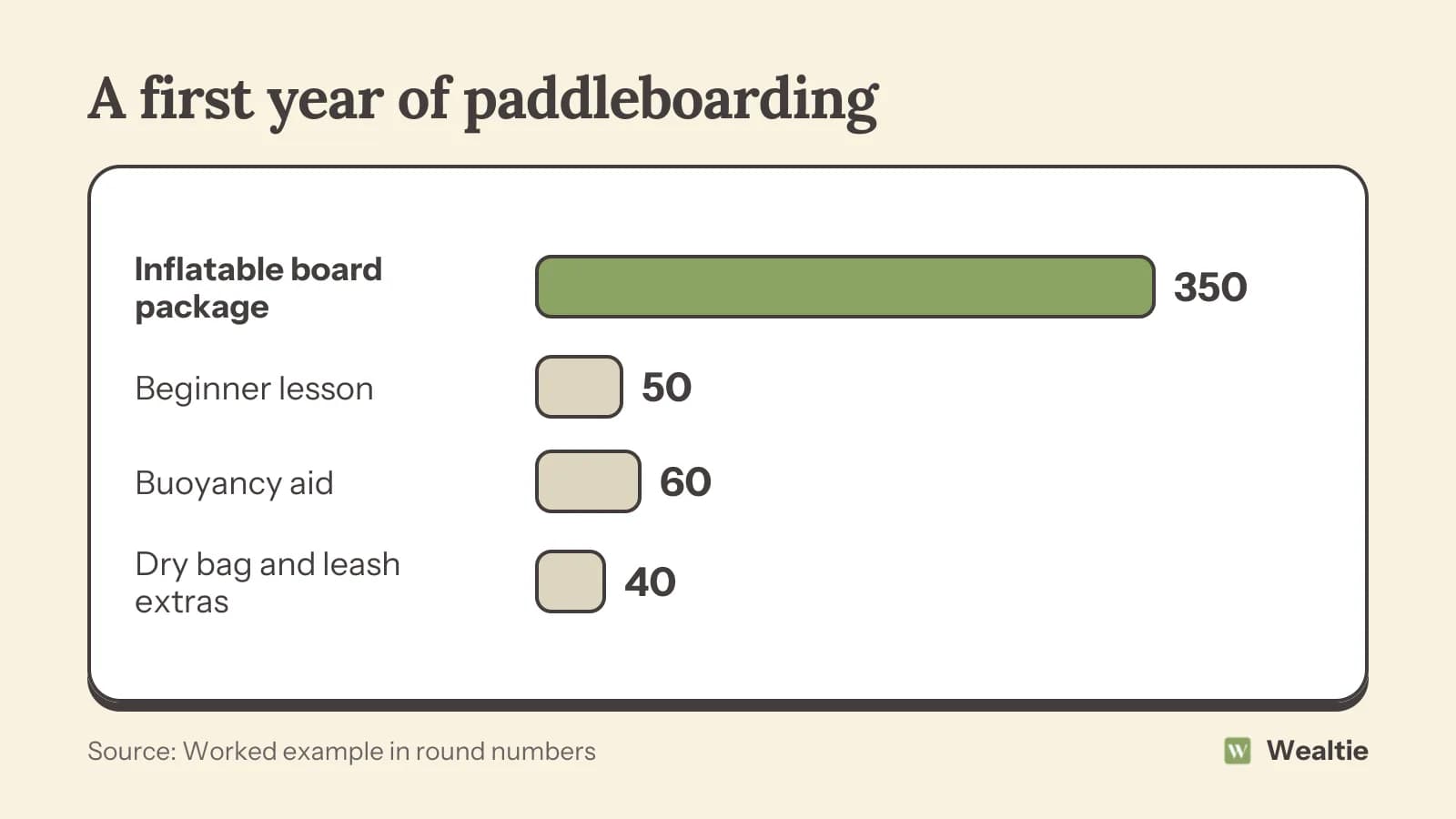
Here's a worked example of a first year of paddleboarding with your own inflatable board, in round numbers that work in any currency:
| Item | Cost |
|---|---|
| Inflatable board package | 350 |
| Beginner lesson | 50 |
| Buoyancy aid | 60 |
| Dry bag and leash extras | 40 |
| Total | 500 |
An inflatable package usually includes the board, a pump, a paddle, a leash and a carry bag. After the first year, the main costs are travel to the water and occasional repairs or replacements, so paddleboarding becomes very cheap per session.
Should you rent or buy?
Renting
Renting at around 25 an hour is a good way to try paddleboarding and see if you enjoy it. Eight rentals would cost about 200 in the example. Renting is also handy on holidays.
Buying
If you'll paddle more than a dozen times a year, buying usually works out cheaper. Inflatable boards pack into a bag, fit in a car boot and store in a cupboard, which makes owning one easy. Cost per use helps compare the two.
Is an inflatable or hard board better?
Inflatable boards
Inflatables are cheaper, easier to store and transport, and more forgiving if you fall on them. They're the most popular choice for beginners and casual paddlers.
Hard boards
Hard boards can be faster and more responsive, but they cost more and need space to store and a roof rack to transport. They suit experienced paddlers and surfers.
What should you look for in a cheap board?
Stability
Wider, thicker boards are more stable, which helps beginners.
Build quality
Very cheap boards may use thinner materials that flex or leak. Reading reviews and choosing a reputable brand helps.
What's included
Check the package includes a decent pump, a paddle that adjusts to your height and a leash.
Weight limit
Make sure the board supports your weight and any gear or passengers, like a child or dog.
What safety gear do you need?
A buoyancy aid is strongly recommended, and a leash keeps the board attached to you if you fall. Check the weather, wind and water conditions before going out, avoid offshore winds that can push you away from land, and paddle with others where possible. A beginner lesson teaches these basics and how to get back on the board after falling in.
How do you keep the cost down?
Buy at the end of summer
Boards are often discounted in late summer and autumn when demand drops.
Buy second-hand
Used boards are widely available. Check for leaks by inflating the board fully and leaving it for a few hours.
Share a board
Families and friends can share one board, taking turns, and split the cost.
Paddle close to home
Choosing local water cuts travel costs, which are often the main ongoing expense.
Look after the board
Rinse it after use, dry it before packing and store it out of direct sun to make it last longer. How to save money on a hobby has more ways to keep hobbies affordable.
How does it compare with other water sports?
Paddleboarding is one of the cheaper water sports once you own a board. How to save money on sports kit covers buying gear for other activities, and a staycation budget can include paddleboarding as a low-cost day out.
Think about where and how you'll paddle. Calm lakes and sheltered bays suit all-round inflatable boards, while touring boards are longer and faster for covering distance, and yoga boards are wider and more stable. Most beginners are happiest with an all-round board, and choosing one that matches how you'll use it avoids paying for features you don't need.
Check the rules for the water you plan to use. Some lakes, rivers and harbours need a permit, membership or launch fee, and some areas are closed to paddleboards at certain times. Knowing this in advance avoids surprises and helps you budget for the season.
Paddleboarding can also be a sociable hobby. Many areas have groups that meet for evening paddles or weekend trips, which is a safe and cheap way to learn new spots and improve your skills.
Finally, consider insurance if your board is expensive. Some home insurance policies cover sports equipment away from home, which could save you buying a separate policy.
How can Wealtie help you track hobby costs?
Log the board, lessons and extras in a hobby expense category, and set a budget for the season. Seeing the total helps you judge whether to rent or buy next year.
Questions people ask
In a worked example, a first year cost about 500, including a 350 inflatable board package, a lesson and safety gear.
Renting is cheaper for occasional use. If you'll paddle more than a dozen times a year, buying usually works out cheaper.
Many are fine for beginners, but very cheap boards may flex or leak. Read reviews and choose a reputable brand.
A buoyancy aid and a leash are the essentials. Check the weather and avoid offshore winds.
This article is general information, not financial, tax or legal advice. Your situation is your own; check the numbers that apply to you before you act on them.