Saving: Are loyalty programmes worth it? How to make points pay
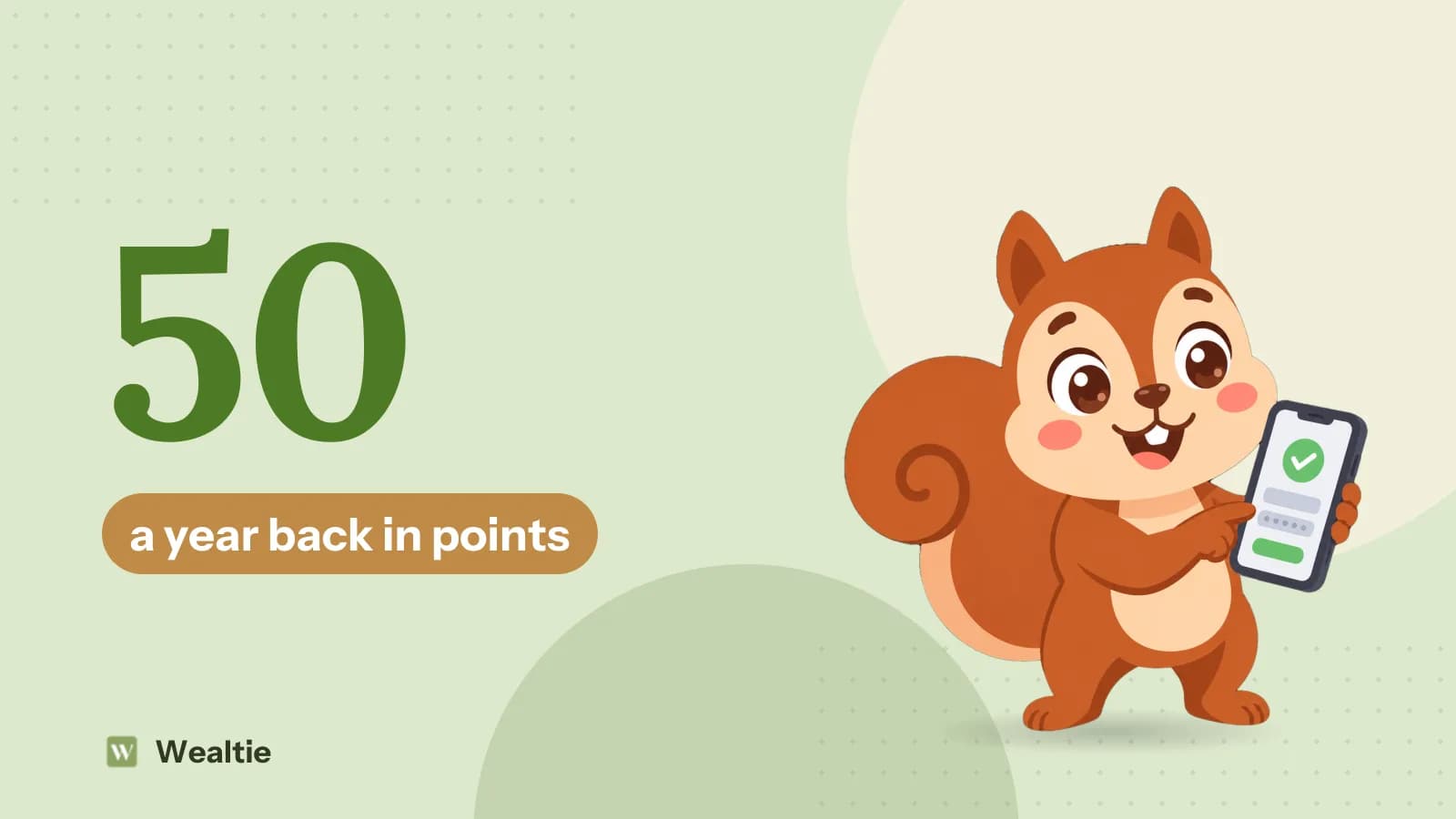
Are loyalty programmes worth it? Only when they reward spending you'd do anyway, and in a worked example points on a weekly grocery shop return about 50 a year, as long as the shop itself stays the same.
 By Wealtie Team · 3 min read
Key takeaways
- Loyalty programmes are worth it when they reward spending you'd do anyway.
- In a worked example, points on a weekly grocery shop return about 50 a year.
- Bonus point offers and member deals can push you to buy more, which can cancel out the reward.
- Sticking to one or two programmes for shops you already use keeps things simple.
Are loyalty programmes worth it?
Yes, if they reward spending you'd do anyway. Supermarkets, coffee shops, airlines, pharmacies and many other businesses offer points, member prices or rewards for coming back. When you're already buying from them, a free loyalty card is an easy way to get a little money back.
The catch is that these programmes exist to make you spend more with that business. If the rewards change what or where you buy, they can end up costing you more than they give back.
How much is a loyalty programme worth?
Here's a worked example for a household that does its weekly grocery shop at one supermarket, in round numbers that work in any currency:
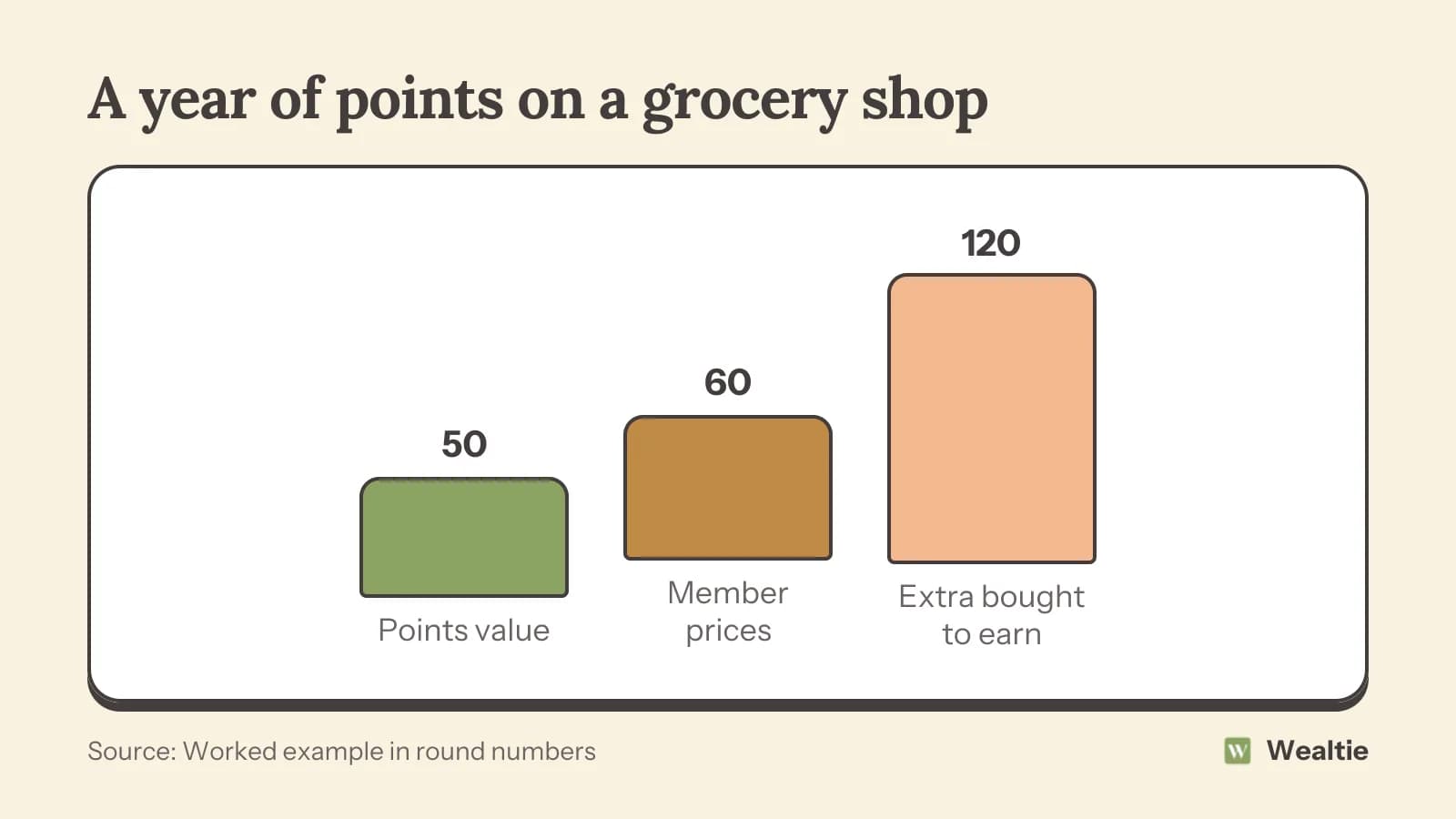
In this example, points are worth about 50 a year and member prices save about 60, so the card returns about 110. But if bonus point offers lead the household to buy 120 of extra things they wouldn't have bought, the programme ends up costing money. The value depends entirely on keeping the shop the same.
When are loyalty programmes worth joining?
When they're free and for places you already use. A supermarket card for your regular shop, a pharmacy card for prescriptions and toiletries, or a coffee shop card if you buy coffee there anyway all reward existing habits. Member prices, which give a lower price on the spot, are often more valuable than points, since the saving is immediate. Check whether points can be used on anything you'd buy, or only on a narrow range of rewards, since points you can't use easily are worth less.
Paid memberships
Some programmes charge a fee in return for extra perks, like free delivery or bigger discounts. These are only worth it if the savings clearly beat the fee. Work out what you'd save over a year based on your usual spending, not on what you might buy, and compare it with the cost.
How do loyalty programmes make you spend more?
They use a few common tactics:
- Bonus points offers on items you weren't planning to buy
- Spend thresholds, like extra points when you spend over a certain amount
- Personalised deals based on what you've bought before
- Points that expire, which push you to spend to avoid losing them
- Tiers and status levels that reward spending more over the year
Each one encourages a little extra spending. If you notice yourself adding items to reach a threshold or trigger a bonus, the programme is working for the shop, not for you. Personalised deals in particular can feel like a gift, but they're chosen to bring you back more often or to try something new.
Can loyalty keep you from cheaper prices?
Yes. If points make you loyal to one shop, you may stop noticing that another is cheaper for the same things. A small reward in points is worth less than a lower price elsewhere. Compare prices now and then, and switch if another shop is consistently cheaper, even without a loyalty card. How to save money on groceries has more ways to bring the weekly shop down.
How do you get the most from loyalty programmes?
Keep it simple and stay in charge:
- Stick to one or two programmes for shops you use regularly.
- Use member prices on things already on your list.
- Ignore bonus offers on things you don't need.
- Redeem points regularly, before they expire.
- Use points on essentials, like groceries, rather than treats you wouldn't otherwise buy.
Using points on your normal shop is the clearest way to turn them into real savings.
Watch what data you share
Loyalty programmes collect information about what you buy, which shops use to send personalised offers. Check the privacy settings in the app, and turn off marketing you don't want. Fewer tailored offers means fewer nudges to buy things you weren't planning to.
How are loyalty cards different from store cards?
A loyalty card is free and doesn't involve borrowing. A store card is a form of credit, often with high interest. Some shops offer both, so check which one you're signing up for. Is a store card worth it covers store credit, and are rewards credit cards worth it covers cards that earn points on all your spending.
How do you track loyalty savings in Wealtie?
Log your spending at the shop in your usual expense categories, and when you redeem points, record the lower amount you paid. Comparing a few months shows whether your spending at that shop has crept up since you joined. A monthly limit in the budget tracker keeps bonus offers from pushing the total over.
Questions people ask
Yes, when they reward spending you'd do anyway. They're not worth it if they push you to buy more or shop somewhere more expensive.
In a worked example, points on a weekly grocery shop return about 50 a year, with member prices saving about 60 more.
Only if the yearly savings on your usual spending clearly beat the fee.
Through bonus offers, spend thresholds, personalised deals, expiring points and status tiers.
This article is general information, not financial, tax or legal advice. Your situation is your own; check the numbers that apply to you before you act on them.