Budgeting: Is a store card worth it? Read this before you sign at the till
Is a store card worth it? Rarely, unless you clear the balance in full every month, because the interest is often higher than on a normal credit card and a sign-up discount can be wiped out by a month of interest.
 By Wealtie Team · 3 min read
Key takeaways
- Store cards often charge high interest, so they're only worth it if you clear the balance every month.
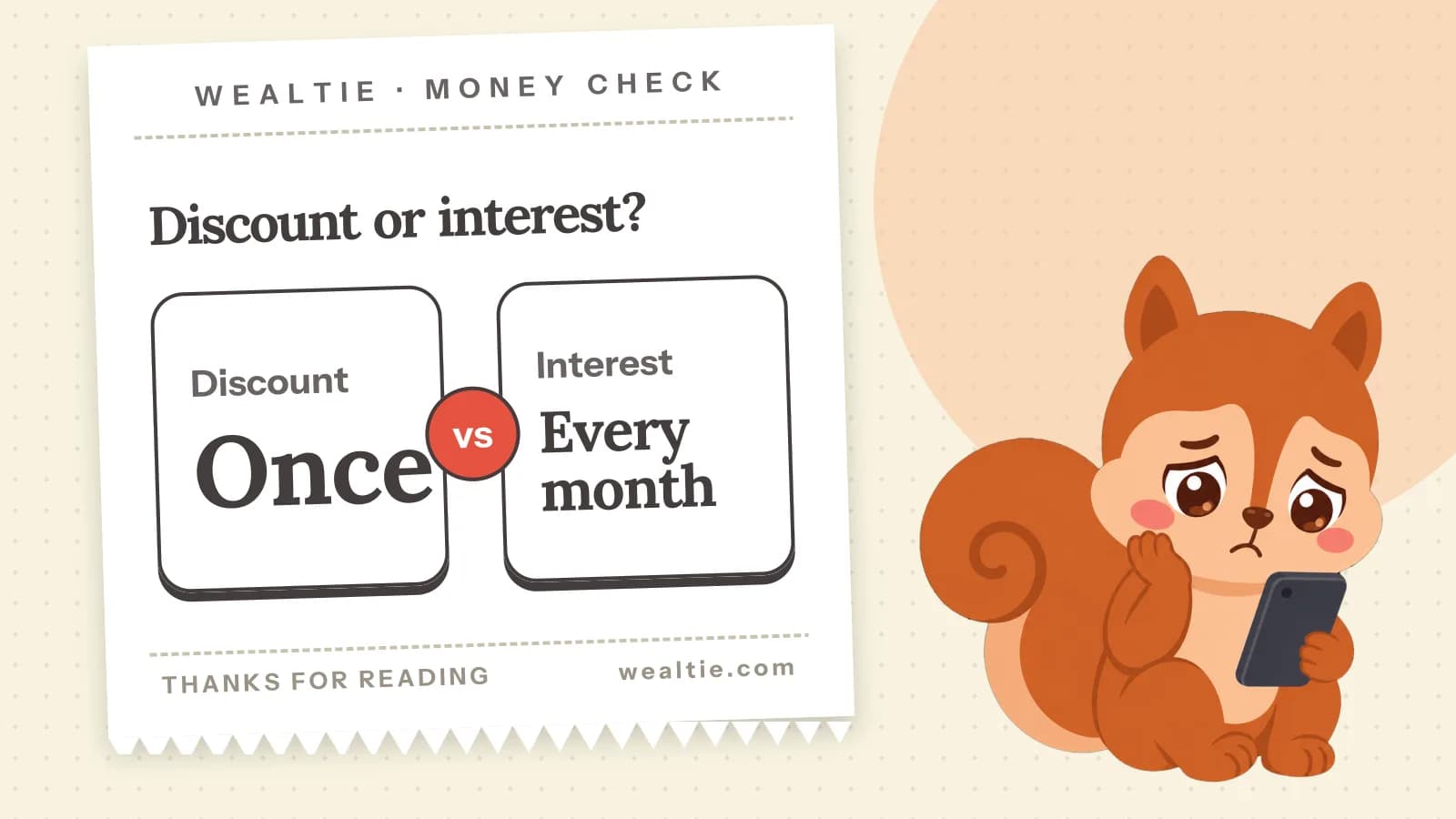
- A sign-up discount is a one-off, while interest on a carried balance comes every month.
- Store cards can tempt you to spend more in one shop, which can cost more than any discount.
- A normal credit card paid in full, or a debit card, usually does the job better.
Is a store card worth it?
Usually not, unless you'll pay the balance in full every month. Store cards are credit cards that work in one shop or a group of shops, and they're often offered at the till with a discount on today's purchase. The discount is real, but store cards often charge higher interest than other cards, so carrying a balance can cost much more than you saved. The offer is designed to be decided in seconds, which is a good reason to take your time.
How do store cards work?
You apply, usually at the till or online, and get a credit limit to use in that store. You get a monthly statement and can pay in full or make a minimum payment. The minimum is usually a small share of the balance, which is why a store card balance can linger for years if only the minimum is paid. If you don't pay in full, interest is added to the balance. Some offer points, discounts or early access to sales for cardholders.
Some charge fees for late payments or paper statements, so check the fee list too. Some store cards offer interest-free periods on big purchases, like furniture. These can end with interest charged on the whole amount if it's not cleared in time, so read the terms carefully.
Why can a discount cost you more?
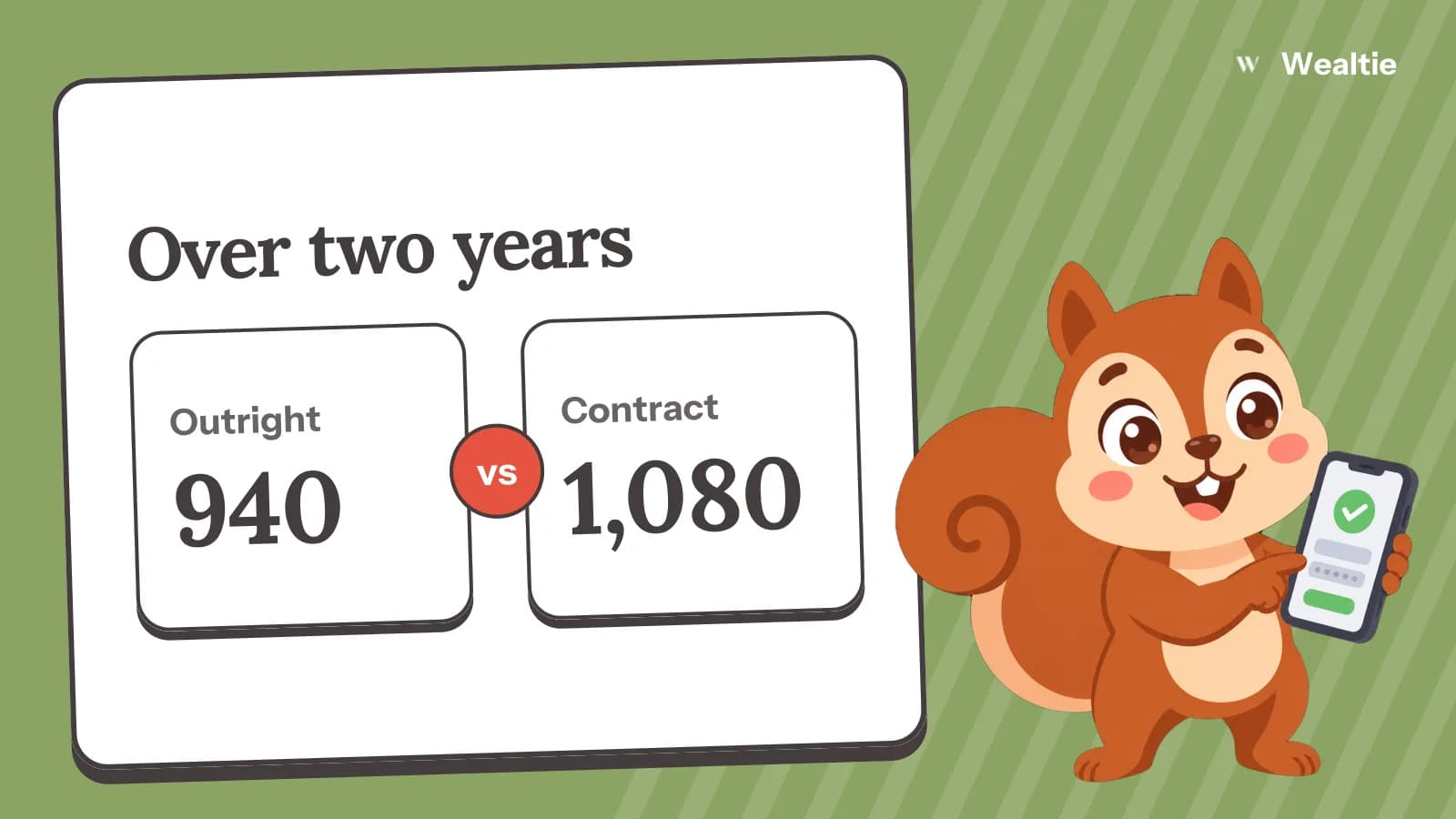
Because the discount happens once, and interest can happen every month. Say you get a discount on a 400 purchase, in round numbers that work in any currency, and save 40. If you then carry the 400 balance for a few months at a high rate, the interest can quickly reach or pass that 40. And the minimum payment is often small, which keeps the balance around for a long time.
If you're not sure you can clear the balance when the first statement arrives, the discount probably isn't worth it. What the minimum payment costs shows how a balance grows.
Do store cards make you spend more?
They can. Having credit with one shop, plus cardholder offers and emails, can encourage you to buy more there than you otherwise would. A sale that's only for cardholders can make you feel you're missing out if you don't buy. Spending more to save money rarely works out. If you keep a card, unsubscribe from the store's emails, so offers don't pull you in.
When could a store card make sense?
Only in a narrow case: you shop there often anyway, the rewards are useful, and you pay the balance in full every month without fail. Even then, a normal credit card paid in full, with rewards you can use anywhere, often does the same job with more flexibility.
Opening a new credit account can also affect your credit record, especially if you open several in a short time. That matters if you're planning a mortgage or a big loan soon.
What should you do at the till?
Say no if you're unsure. You don't need to decide on the spot, and the discount isn't usually worth the pressure. "No thanks" is enough. Check the interest rate in the summary box, not the discount headline. If you're curious, take the information home and read the terms, including the interest rate and fees, before applying.
What if you already have a store card?
Check the balance and the interest rate. If you're carrying a balance, make a plan to clear it with a fixed monthly payment, and stop using the card until it's cleared. The debt snowball or avalanche helps if you've got several cards. Once it's cleared, decide whether to keep it for occasional use or close it. If you close it, check there's no balance and that any pending refunds have come through.
What are better alternatives?
A debit card, so you only spend what you have, or a normal credit card that you pay in full each month. For big purchases, saving in advance avoids interest altogether. If you like a shop's rewards, its free loyalty scheme often gives similar perks without the credit.
How do you keep card spending in check in Wealtie?
Log each card purchase as you make it, so it counts against your monthly limit in the budget tracker straight away. Budget Health warns you mid-month if spending's running ahead, and the expense tracker page covers logging.
Questions people ask
Rarely, unless you clear the balance in full every month, because store cards often charge high interest that can outweigh any discount.
Applying opens a new credit account, which can affect your credit record, especially if you open several in a short time.
Only if you're certain you'll pay the full balance when the first statement arrives. Otherwise, interest can cost more than the discount.
Set a fixed monthly payment to clear it, stop using the card until it's paid off, and then decide whether to keep it.
This article is general information, not financial, tax or legal advice. Your situation is your own; check the numbers that apply to you before you act on them.