Budgeting: How to plan a Kwanzaa budget with meaning, not overspending
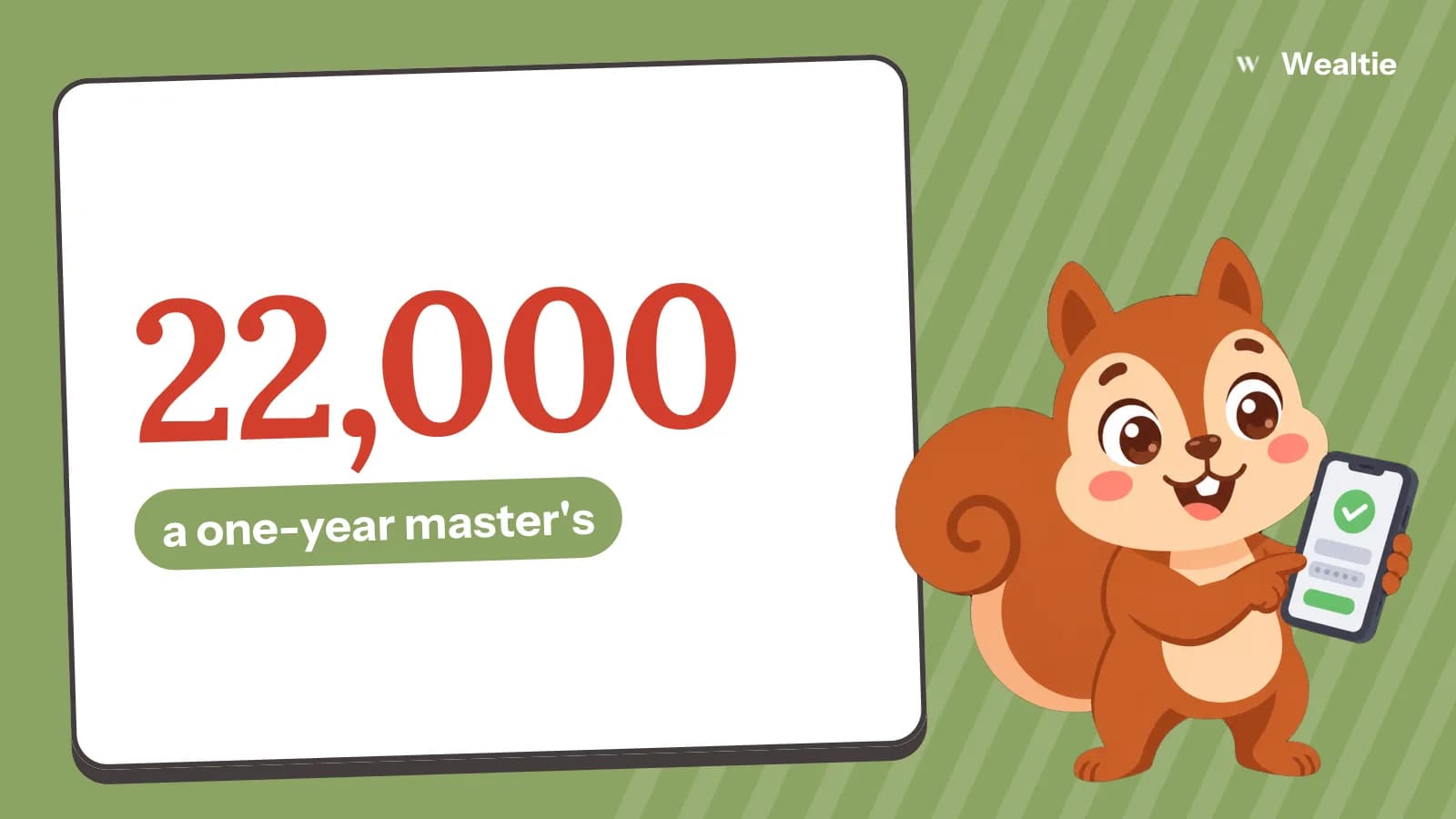
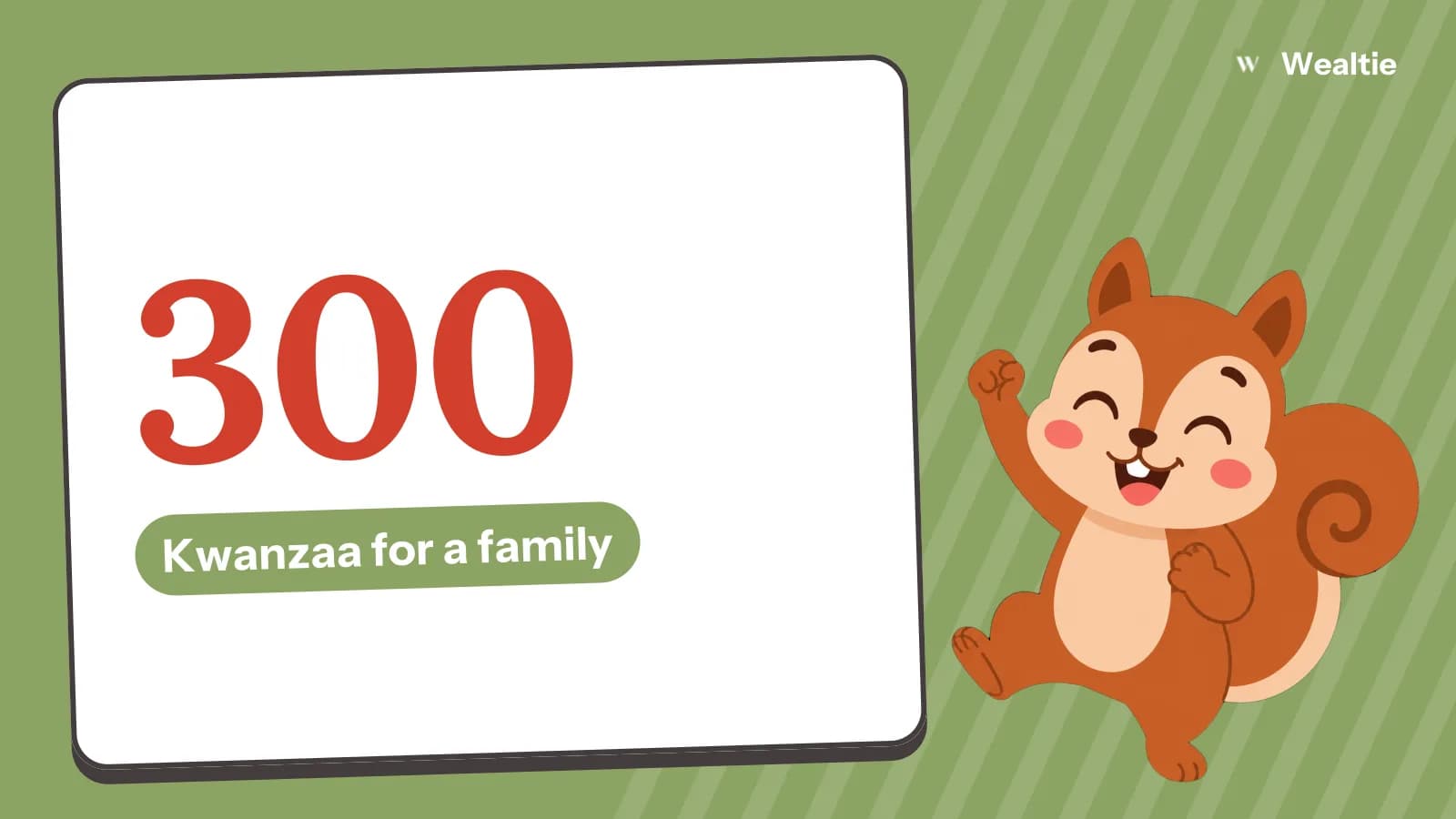
A Kwanzaa budget can stay modest, since the celebration emphasises meaningful, often handmade or educational gifts and a shared feast. In a worked example, a family spends about 300 over the seven days.
 By Wealtie Team · 3 min read
Key takeaways
- A Kwanzaa budget can stay modest by focusing on meaning over spending.
- Gifts are traditionally handmade, educational or cultural.
- The karamu feast is usually the biggest cost, and sharing dishes helps.
- Decorations like the kinara can be reused every year.
What does a Kwanzaa budget cover?
Kwanzaa is a week-long celebration of African American culture and heritage, held from 26 December to 1 January. Created by Maulana Karenga in 1966, it centres on seven principles, known as the Nguzo Saba, with one principle honoured each day. Families light the candles of the kinara, gather for reflection and conversation, share a feast called the karamu and exchange gifts, called zawadi.
Kwanzaa has always encouraged meaning over spending. Gifts are traditionally educational, cultural or handmade, and the focus is on family, community and reflection. That makes it possible to celebrate fully on a modest budget, even though it falls right after Christmas for many families.
How much does Kwanzaa cost?
Here's a worked example for a family, in round numbers that work in any currency:
| Item | Cost |
|---|---|
| Karamu feast | 120 |
| Gifts (zawadi) | 100 |
| Kinara, candles and decorations | 50 |
| Books and activities | 30 |
| Total | 300 |
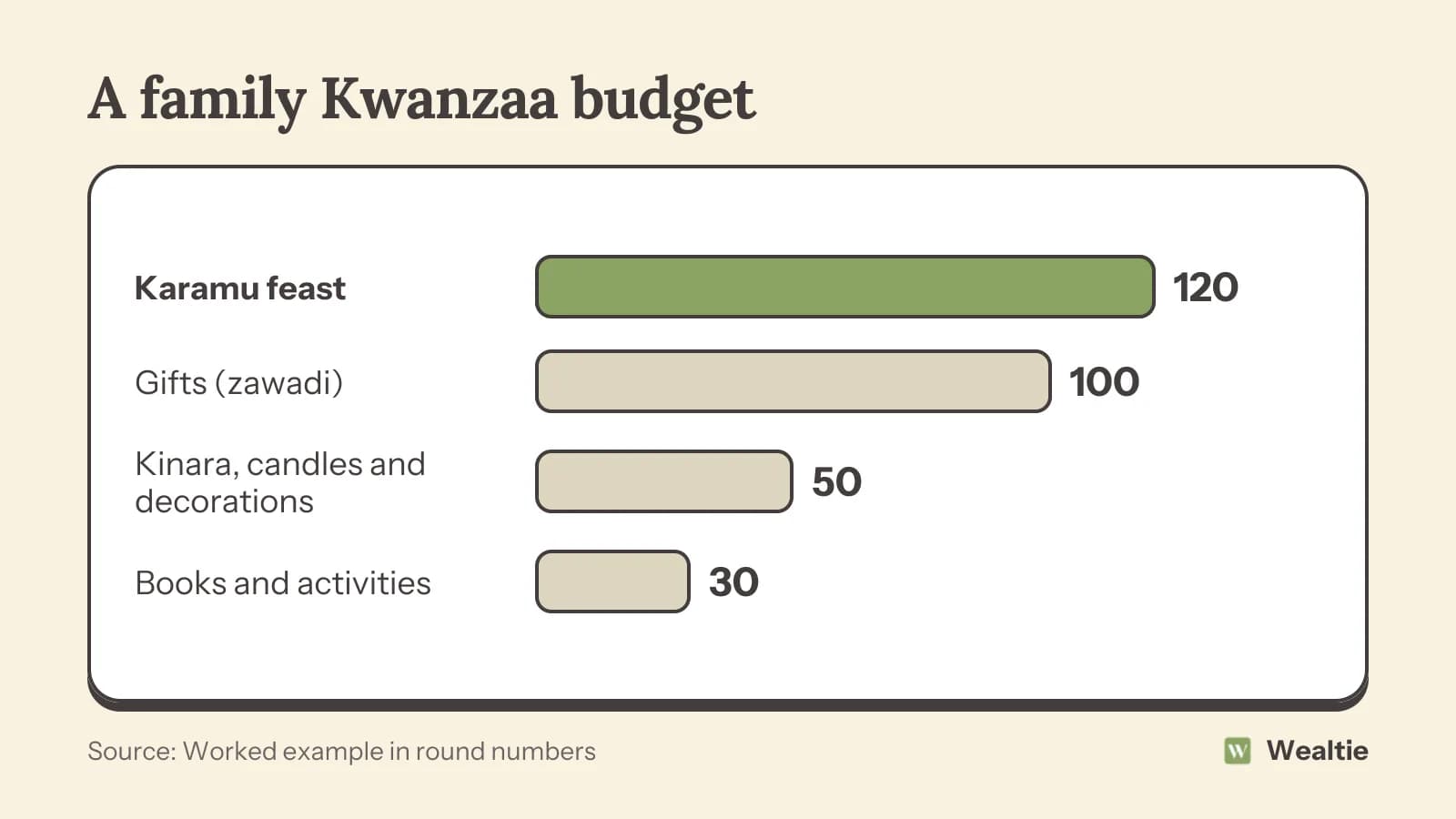
The feast is the biggest cost here. In later years, the cost can fall, since the kinara, mat and decorations can be reused, leaving only new candles to buy. Families who host larger community gatherings may spend more, while others keep the celebration small and simple.
How do you keep Kwanzaa gifts meaningful and affordable?
Give books
Books by African and African American authors, history books and children's stories are popular, meaningful gifts. Second-hand bookshops and libraries can help keep costs down.
Make gifts
Handmade gifts, like art, crafts, cooking or written letters, reflect the principle of creativity, known as kuumba.
Support Black-owned businesses
Buying from local or Black-owned businesses reflects the principle of cooperative economics, known as ujamaa. Choosing a few thoughtful items rather than many keeps spending in check.
Give experiences
A trip to a museum, a cultural event or a family activity can be more memorable than a bought gift.
Set a gift limit
Agreeing a spending limit for gifts within the family keeps things fair and stress-free. How much to spend on a birthday gift covers a sensible approach to gift amounts.
How do you plan the karamu feast on a budget?
Share the cooking
The karamu is traditionally a communal feast. Asking each family or guest to bring a dish spreads the cost and the work.
Cook from scratch
Homemade dishes cost far less than catered food. How to host a dinner on a budget has ideas for feeding a crowd.
Plan around the week
Leftovers from the feast can become meals for the following days, saving on groceries.
How do you budget for Kwanzaa after Christmas?
Many families celebrate both Christmas and Kwanzaa, which puts pressure on December. Planning both together, with a combined budget, helps you avoid overspending. Setting aside a small amount each month through the year, like 25 a month for 300, makes the season easier. How to plan a Christmas budget covers the earlier holiday, and the new year budget reset covers starting January on track.
How can Kwanzaa principles shape your money habits?
Several of the principles connect naturally to money. Ujamaa, cooperative economics, encourages supporting community businesses. Kujichagulia, self-determination, can mean setting your own financial goals. Nia, purpose, can guide what you choose to spend on. Some families use the week to talk about goals for the year ahead, including savings and giving. How to plan a charity giving budget covers planning donations.
Involving children in the preparations makes the week more meaningful and keeps costs down. They can help make decorations, create gifts for relatives and cook dishes for the karamu. Talking about each principle as you light the candles gives the celebration depth without needing to spend money. Many families find that these shared moments become the parts children remember most.
If you're new to Kwanzaa, start small. A kinara, candles, a few books and a shared meal are enough to begin. You can add traditions and decorations over the years, buying items gradually rather than all at once. Libraries and community centres often host Kwanzaa events, which can be a free way to learn more and celebrate with others.
Community celebrations are a big part of Kwanzaa for many families. Joining a local event, potluck or cultural programme spreads the cost and connects you with others celebrating the same values.
It's also worth keeping a simple record of what you spent this year. Noting the feast, gifts and decorations helps you plan next year's budget and spot where you can save, like reusing decorations or making more gifts by hand.
Above all, the spirit of Kwanzaa is about unity, purpose and community, which can be celebrated fully whatever your budget.
How can Wealtie help you plan the week?
Set a budget for Kwanzaa and log the feast, gifts and decorations in their own expense categories. Seeing the total alongside your December spending helps you plan the whole holiday season with confidence.
Questions people ask
In a worked example, a family spent about 300 on the karamu feast, gifts, a kinara, candles and books.
Gifts, called zawadi, are traditionally educational, cultural or handmade, like books, art and crafts.
Reuse decorations, give handmade or second-hand books, share the cooking for the karamu and set a family gift limit.
Kwanzaa runs from 26 December to 1 January, with one of the seven principles honoured each day.
This article is general information, not financial, tax or legal advice. Your situation is your own; check the numbers that apply to you before you act on them.