Budgeting: How to budget in your 50s
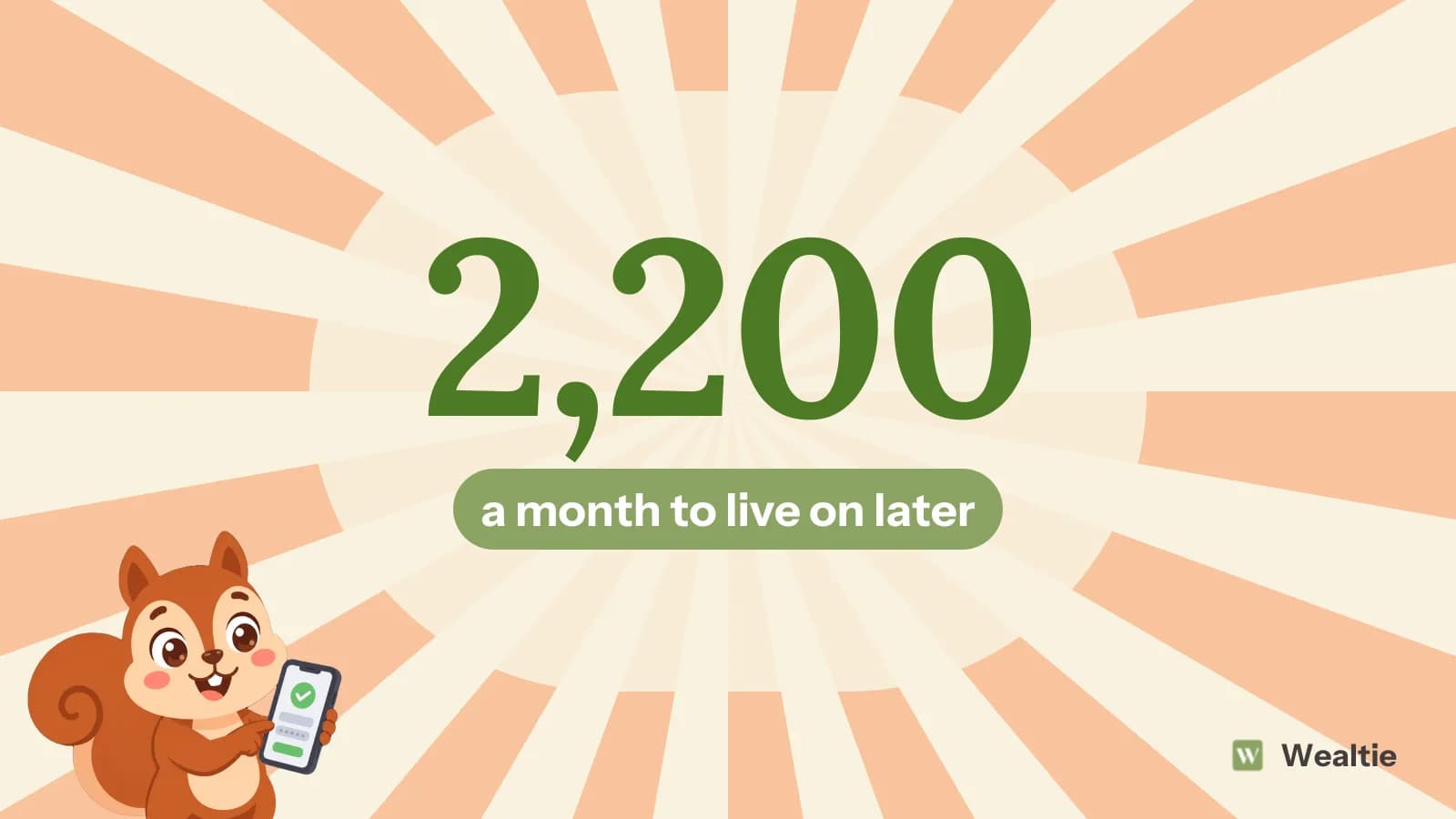
To budget in your 50s, use your peak earning years to boost retirement saving, clear debts and work out what you'll need to live on later. In a worked example, a couple estimate 2,200 a month in retirement, and knowing that figure shapes everything they save now.
 By Wealtie Team · 3 min read
Key takeaways
- To budget in your 50s, use peak earning years to boost retirement saving and clear debts.
- In a worked example, a couple estimate 2,200 a month to live on in retirement.
- Working out your retirement budget now shows how much you need to save.
- Children leaving home can free up money; decide where it goes.
How do you budget in your 50s?
Make the most of your earning years and plan clearly for retirement. For many people, the 50s bring the highest income of their working life, and children may be leaving home, which can free up money. Retirement is now close enough to plan in detail. A budget in your 50s turns a vague hope of retiring comfortably into a plan with numbers. It's also a decade when health, work and family can change quickly, so a buffer matters as much as long-term saving.
How much will you need in retirement?
Start by estimating what you'll spend. Here's a worked example for a couple, in round numbers that work in any currency:
| Cost | Monthly amount |
|---|---|
| Housing and bills | 800 |
| Food | 450 |
| Travel and hobbies | 400 |
| Transport | 250 |
| Other | 300 |
| Total | 2,200 |
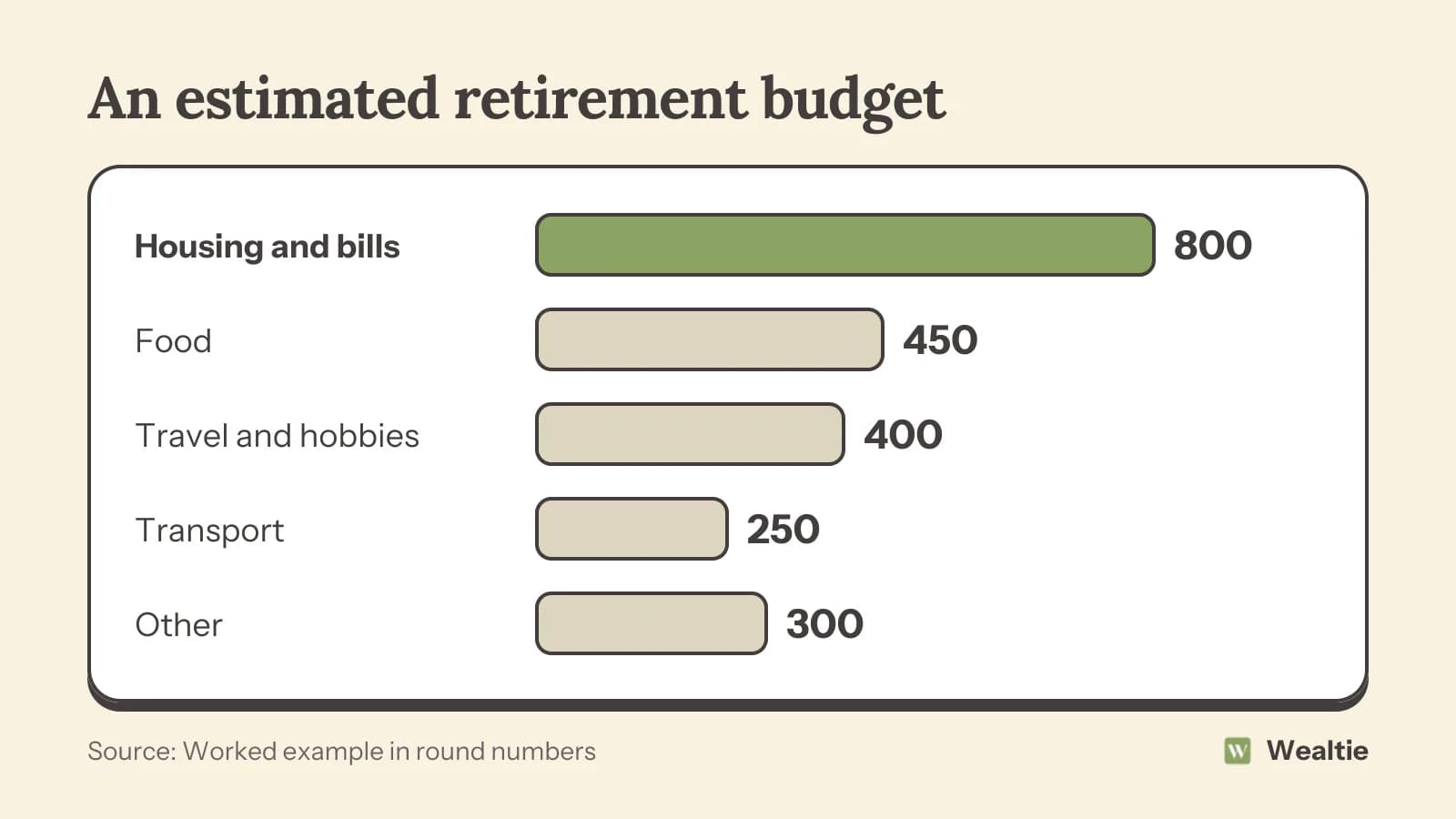
Some costs fall in retirement, like commuting, work clothes and perhaps a mortgage. Others rise, like travel, hobbies, heating and health costs. Your own figure depends on how you want to live. Talking with a partner about the retirement you each picture, from travel to hobbies to where you'll live, helps the estimate reflect both of you. How to budget in retirement covers the retirement budget in detail. Tracking your current spending for a few months gives you the most realistic starting point.
How do you check whether you're on track?
Compare your retirement budget with the income you can expect. List your pensions, savings, investments and any state pension. Most countries let you check your state pension forecast online. If your expected income falls short of your planned spending, you can save more now, plan to work a little longer, adjust your plans or combine all three. A financial adviser can help you build a clear picture.
Find old pensions
Many people have pensions from earlier jobs they've lost track of. Gathering details of every pot, including fees and projected values, gives you a true picture and sometimes uncovers money you'd forgotten.
How do you boost retirement saving?
Your 50s are a good time to save more. Ways to do it:
- Raise your pension contributions, especially with any pay rise
- Use money freed up when children leave home or childcare ends
- Check whether your employer will match higher contributions
- Use bonuses or windfalls for retirement saving
- Make the most of any tax relief available where you live
Even a few years of higher saving can make a real difference. Some countries allow extra contributions in later working years, so check what applies to you.
Should you clear debts before retirement?
Usually, yes. Entering retirement without debt lowers the income you need. Focus first on high-interest debts like credit cards and loans. If you have a mortgage, consider whether to clear it before you stop working. Should you pay off your mortgage early helps you decide.
Consider downsizing
Some people plan to move to a smaller home before or in retirement, which can release money and lower running costs. How to downsize to save money covers the pros and cons. Moving costs, like agent and legal fees, need to be weighed against the savings, so run the numbers before deciding.
What about supporting family?
Your 50s can bring pressure from both sides: adult children who need help and parents who need care. Decide how much you can give without harming your own retirement. Helping others is generous, but your future self needs looking after too. Agreeing limits as a couple, and being open with family about them, avoids resentment later. How to budget for caring for parents covers support for parents.
How do you prepare for the changes ahead?
Practise living on your retirement budget for a few months while still working, saving the difference. It shows whether your estimate is realistic and builds extra savings. Review insurance, update your will and make sure beneficiaries are correct. If you plan to retire early or reduce hours gradually, model the income for each step. Building an emergency fund in cash before you retire also means you won't need to sell investments at a bad time for an unexpected bill.
How do you budget in your 50s with Wealtie?
Track spending in your expense categories for a few months to see what you spend today, which is the best starting point for a retirement budget. Add accounts for pensions and savings, so your net worth is in one place, and use the budget tracker to test living on your planned retirement amount. Comparing months shows which costs you can trim before you stop working.
Questions people ask
Boost retirement saving, clear debts, estimate your retirement budget and check whether your expected income will cover it.
Enough for the life you plan. In a worked example, a couple estimate 2,200 a month.
Usually, yes. Entering retirement without debt lowers the income you need.
Live on it for a few months while still working, and save the difference.
This article is general information, not financial, tax or legal advice. Your situation is your own; check the numbers that apply to you before you act on them.