Budgeting: Is a cleaner worth it? Work out what your time is worth
Is a cleaner worth it? Compare the cost with the hours you'd get back and what they're worth to you, since three hours every two weeks costs about 90 a month and frees up about six hours in a worked example.
 By Wealtie Team · 3 min read
Key takeaways
- Compare the cost of a cleaner with the hours you'd get back and how you'd use them.
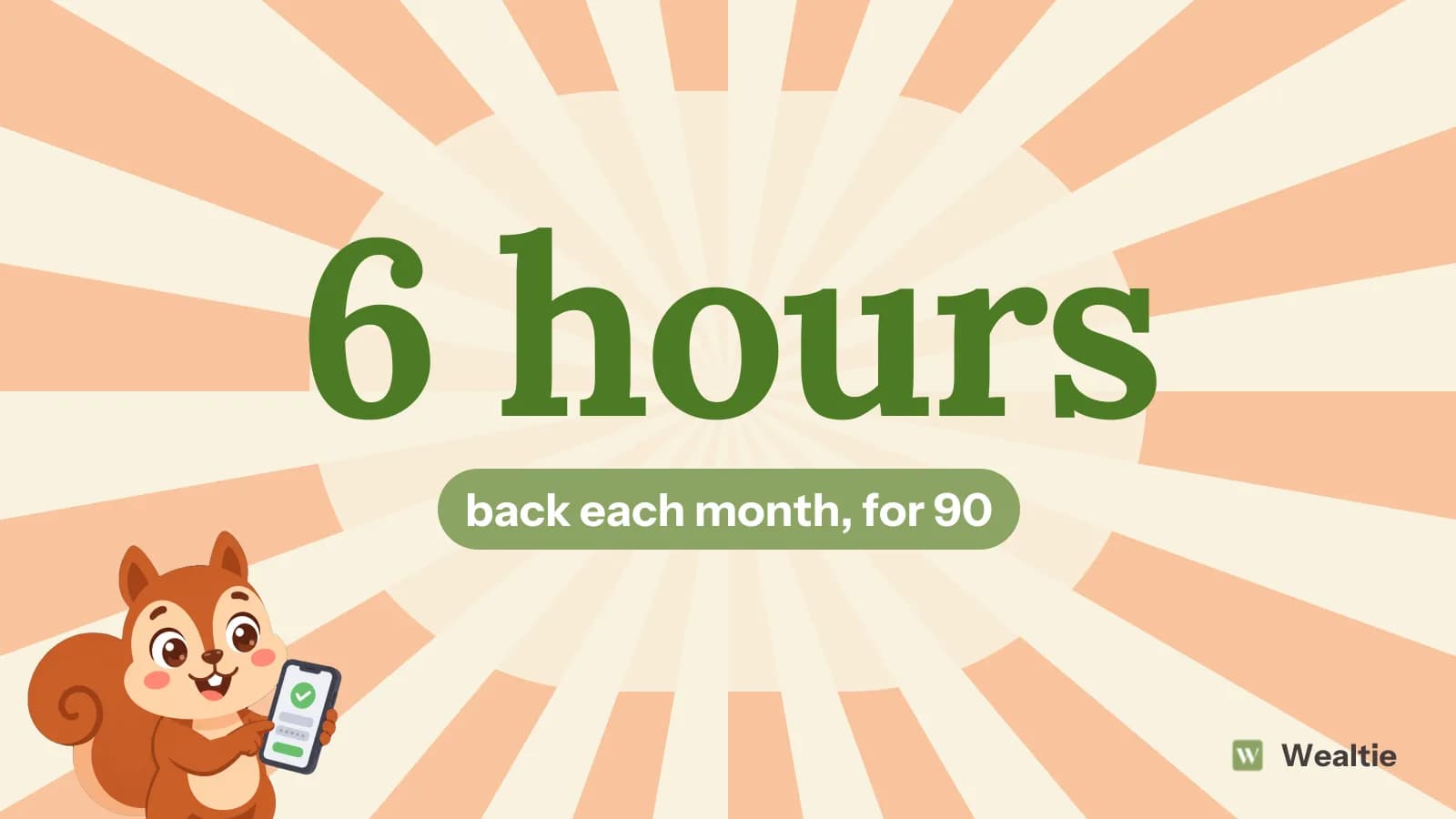
- In a worked example, three hours every two weeks costs about 90 a month and frees up about six hours.
- Cheaper options include less frequent visits, a one-off deep clean or sharing chores better at home.
- If you decide yes, treat it as a regular bill and find the money in your budget first.
Is a cleaner worth it?
It depends on what the money costs you and what the time is worth to you. A cleaner is a regular expense, but it buys back hours every month. For some people, those hours are worth far more than the cost, whether for work, family, rest or health. For others, the money would do more elsewhere. Doing the sum helps you decide calmly, rather than feeling guilty either way.
What does a cleaner cost?
It varies a lot by area, but here's a worked example in round numbers that work in any currency, with a cleaner charging 15 an hour for three hours a visit:
| How often | Per visit | Per month |
|---|---|---|
| Monthly | 45 | 45 |
| Every two weeks | 45 | 90 |
| Weekly | 45 | 195 |
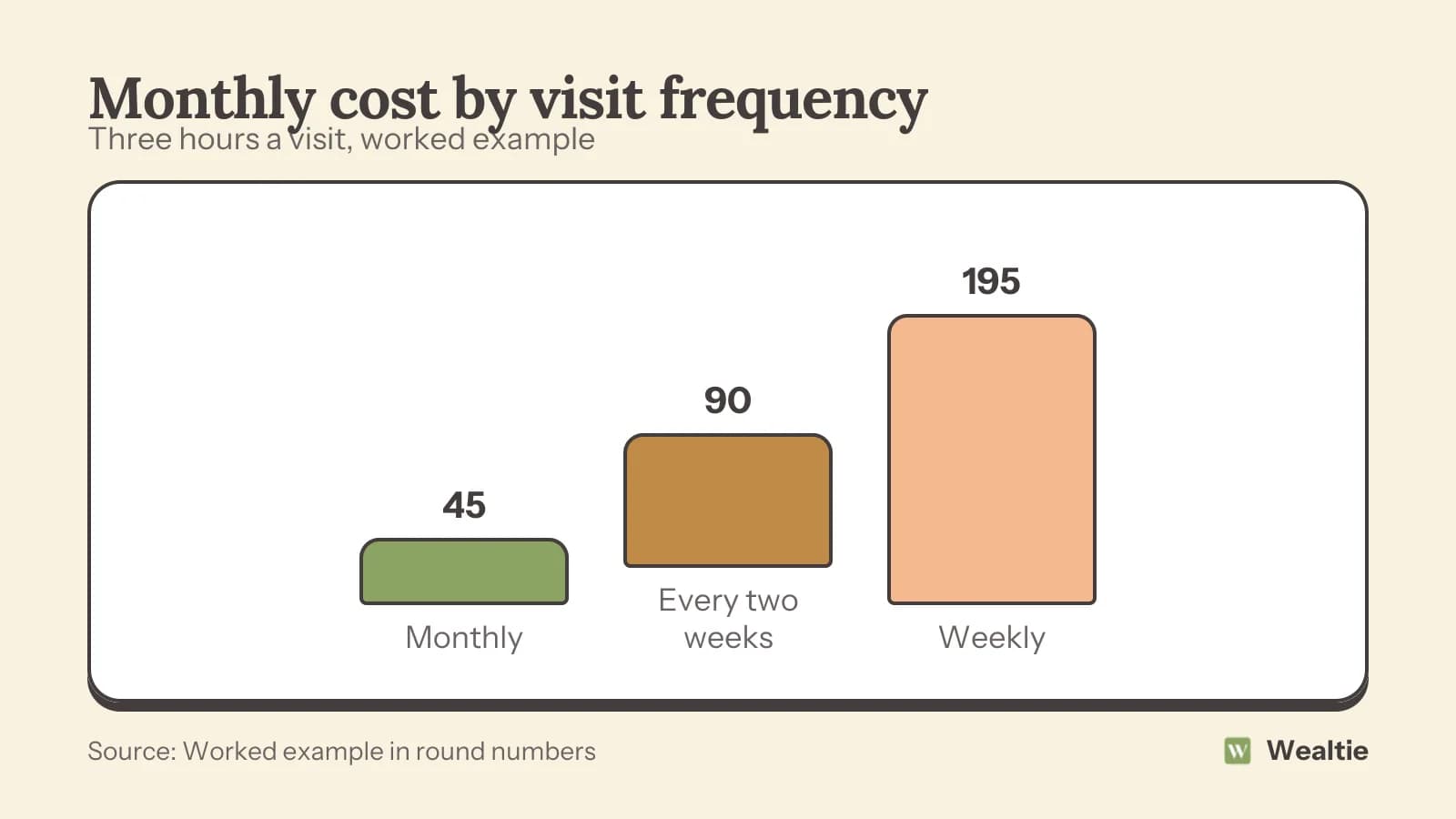
Every two weeks, that's about 90 a month for six hours of cleaning. Some cleaners charge a fixed price per visit rather than by the hour, and agencies often charge more than independent cleaners. An agency may handle cover when your cleaner is away and the paperwork, which some people find worth the extra. A smaller home or a home kept reasonably tidy between visits can take fewer hours, which lowers the cost.
How do you work out if it's worth it?
Look at what the hours are worth to you. Ask yourself:
- What would you do with six extra hours a month?
- Could you earn more in that time, through extra work or a side project?
- Would it reduce stress or arguments at home?
- Does a health condition or a heavy workload make cleaning hard?
- Can you afford it without cutting savings or essentials?
If the answer to the last question is no, it's probably not the right time, however tempting. If you can afford it and the time matters to you, it can be good value. Some people find it easier to justify when they compare it with what they already spend on things they value less, like takeaways ordered because they're tired after cleaning on a weekend.
What are the cheaper options?
A few, if a regular cleaner is more than you'd like to spend:
- Less often: a monthly deep clean, with lighter cleaning yourself in between
- A one-off clean: before a busy period, after a move, or a few times a year
- Fewer tasks: hire help for the jobs you dislike most, like ovens or bathrooms
- Sharing chores better: a fair split at home, especially with a partner or flatmates
- Shorter, regular sessions: twenty minutes a day can keep a home under control
Sharing a cleaner's time with a neighbour can sometimes get you a better rate, if the cleaner agrees. A good vacuum and a simple routine, like a ten-minute tidy each evening, make the weekly clean much faster whether or not you hire help.
How do you find a good cleaner at a fair price?
Ask friends and neighbours for recommendations, compare a few quotes, and be clear about what you want done in each visit. Agree the price, the hours and what happens if a visit is cancelled. Check whether you need to provide cleaning products, which changes the cost.
If you employ someone directly, check the local rules on employment and tax, since they vary between countries.
How do you fit a cleaner into your budget?
Treat it as a regular bill, like a phone contract. Decide the amount, find where it comes from, like eating out or shopping, and set it up as a recurring payment. If paying for a cleaner means using a credit card or skipping savings, the numbers don't work yet.
Review it every few months, and pause or reduce visits if money gets tight. If your circumstances change, like a pay rise or a new baby, the answer might change too. How much spending money per month helps you see where it would fit.
What about tipping or holiday gifts?
In some places, it's common to give a regular cleaner a small gift or extra payment at holiday time. Add it to your yearly budget if that's the custom where you live. How much to tip covers tipping for regular services.
How do you track a cleaner in Wealtie?
Set the cleaner up as a recurring transaction with the bill tracker, weekly or every two weeks, so it logs itself on the day and counts against that month's budget. A monthly limit in the budget tracker shows what's left after it, and Budget Health warns you mid-month if your pace would take you over.
Questions people ask
It varies by area. In a worked example at 15 an hour, three hours every two weeks costs about 90 a month.
It can be, if you can afford it without cutting essentials or savings and the hours you get back matter to you.
A monthly deep clean, a one-off clean before busy periods, help with only the jobs you dislike, or sharing chores better at home.
As often as you need and can afford. Every two weeks is a common balance between cost and keeping on top of things.
This article is general information, not financial, tax or legal advice. Your situation is your own; check the numbers that apply to you before you act on them.