Budgeting: How much to spend on a sofa without regretting it
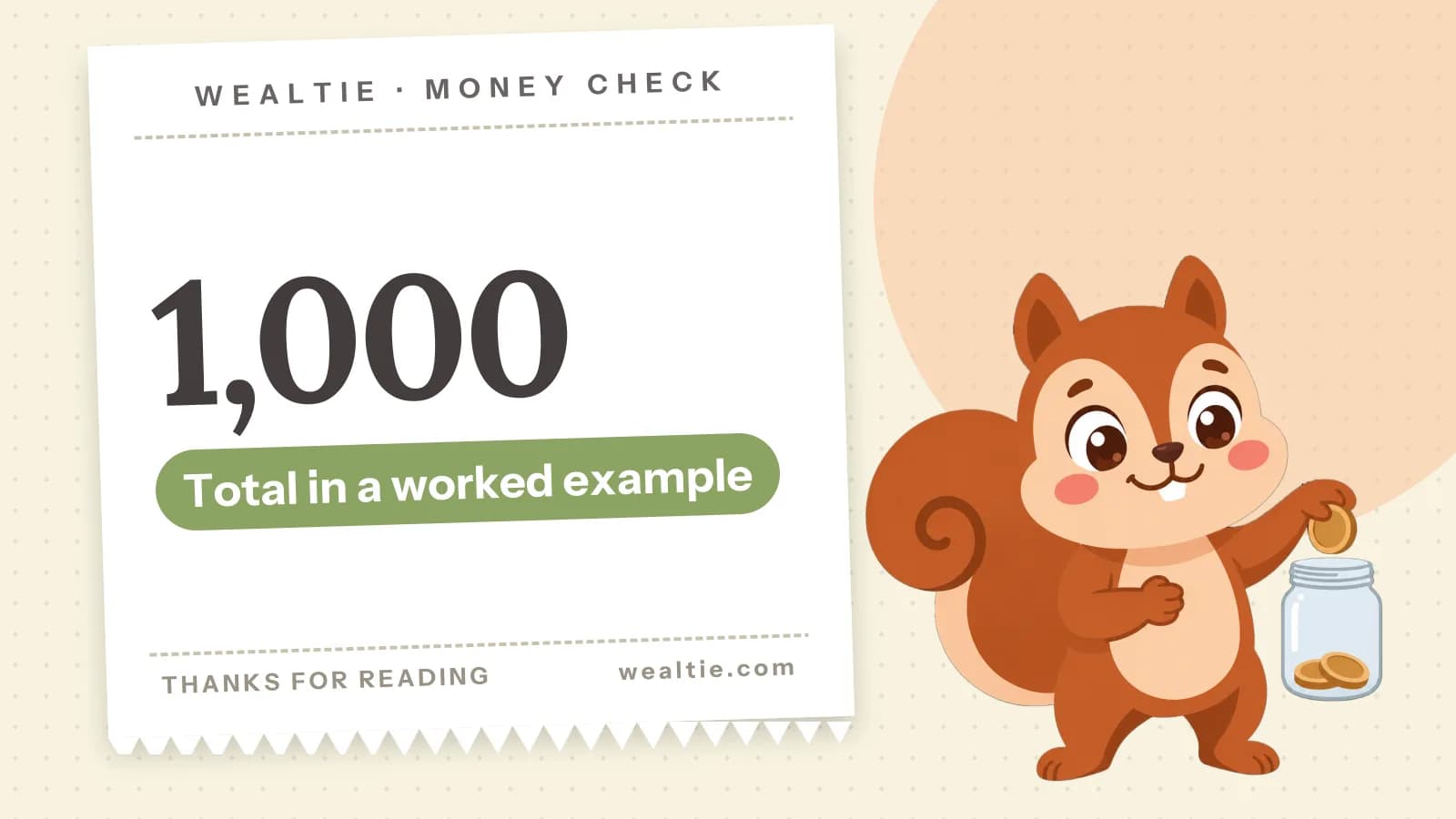
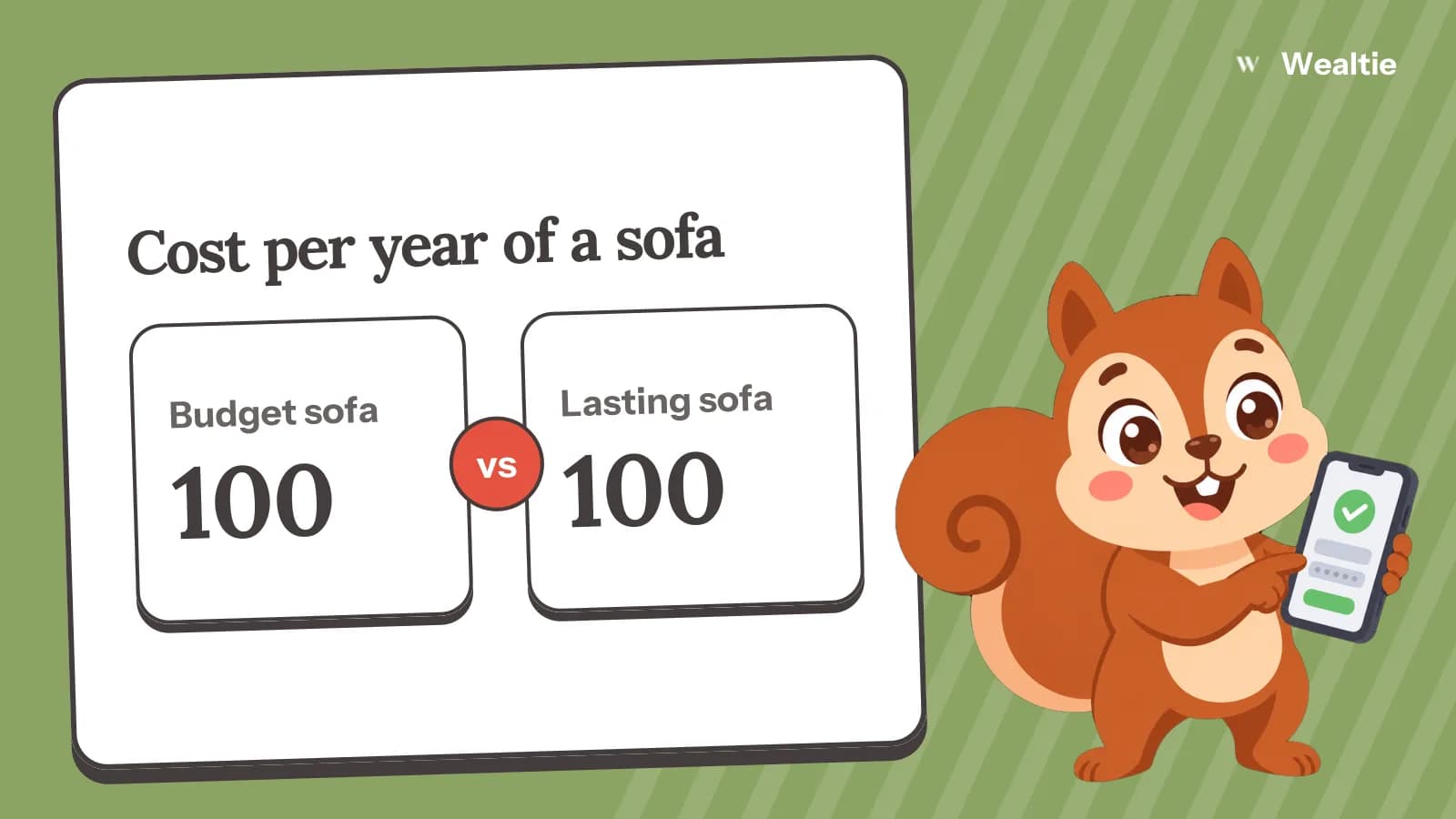
How much to spend on a sofa comes down to how long you want it to last and how hard it will be used. In a worked example, a 500 sofa replaced after five years costs 100 a year, while a 1,200 sofa kept for twelve years also costs 100 a year.
 By Wealtie Team · 4 min read
Key takeaways
- How much to spend on a sofa depends on how long you'll keep it and how much use it gets.
- Cost per year of use is a better guide than the price tag.
- Frame, springs and cushion filling decide how long a sofa lasts.
- Saving up for a sofa in advance avoids paying interest on finance deals.
How much to spend on a sofa
A sofa is one of the most used things in a home. You sit on it every day, guests use it, children climb on it and pets sleep on it. That makes the question of how much to spend on a sofa less about the price tag and more about how many years of comfortable use you'll get for your money.
Here's a worked example comparing three sofas by cost per year, in round numbers that work in any currency:
| Sofa | Price | Years of use | Cost per year |
|---|---|---|---|
| Budget | 300 | 3 | 100 |
| Mid-range | 800 | 10 | 80 |
| Premium | 2,000 | 15 | 133 |
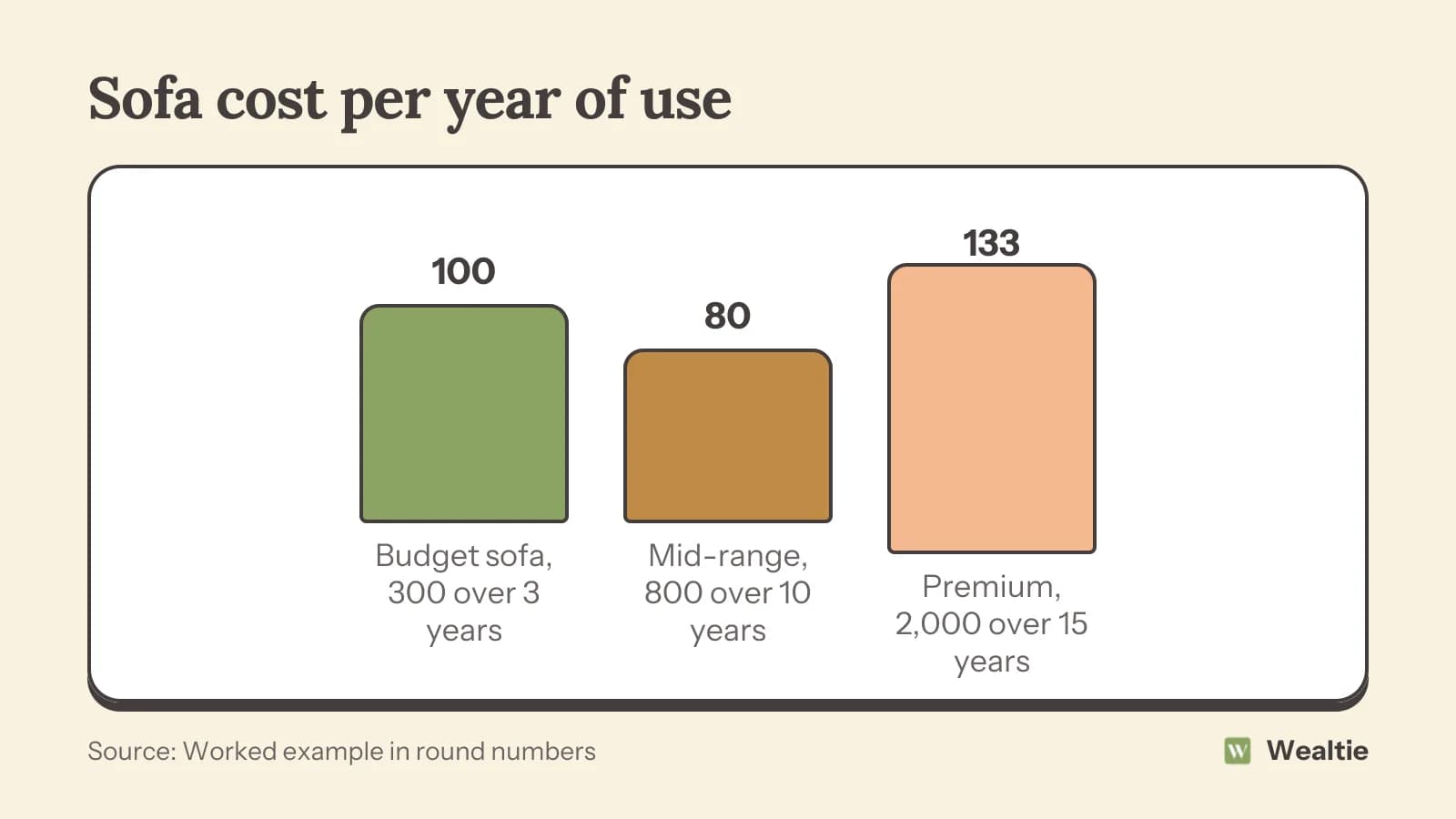
In this example, the mid-range sofa is the cheapest per year because it lasts more than three times as long as the budget one for less than three times the price. The premium sofa lasts longest, but the extra years don't fully make up for the higher price. Cost per use explains this way of comparing purchases in more detail.
What makes a sofa last?
The price of a sofa partly reflects what's inside it, and the inside is what decides how long it stays comfortable.
The frame
Solid hardwood frames last far longer than frames made from particleboard or softwood. A frame that creaks or flexes when you lift one corner of the sofa is a warning sign.
The springs
Sofas with sprung bases tend to hold their shape for years, while webbing or foam-only bases can sag much sooner.
The cushion filling
High-density foam keeps its shape longer than low-density foam. Feather fillings feel soft but need regular plumping, and foam wrapped in fibre is a common middle ground.
The fabric
Tightly woven fabrics and leather wear better than loose weaves, especially with pets or children. Removable, washable covers can add years to a sofa's life.
When does a cheap sofa make sense?
A budget sofa can be the right choice in some situations:
- You're renting short term and expect to move soon.
- It's for a spare room or a space that's rarely used.
- You have young children or pets and plan to replace it once they're older.
- Your budget is tight and the alternative would be borrowing.
In each of these cases, a short life doesn't matter as much, so paying less upfront is sensible. How to furnish a home on a budget covers other ways to fill a home without overspending.
When is it worth spending more?
Spending more makes sense when the sofa will get heavy daily use for many years, such as in the main living room of a home you plan to stay in. A well-made sofa can be reupholstered later, which is often cheaper than buying a new one of the same quality.
Comfort matters too. If you spend most evenings on your sofa, an uncomfortable one costs you something every day, even if it was cheap to buy. Sit on any sofa you're considering for at least ten minutes, in the position you normally sit in, before you decide.
Watch for upgrades you don't need. Once a new sofa arrives, it's easy to start wanting new cushions, a new rug and a new coffee table to match. The Diderot effect explains why one purchase can lead to many more.
How do you save on a sofa?
Shop the sales
Furniture shops often hold big sales several times a year. If you can wait, the same sofa may cost much less a few months later.
Buy ex-display or second-hand
Ex-display sofas and second-hand sofas from good brands can offer solid frames for a fraction of the new price. Check for stains, smells and a sturdy frame.
Choose a standard size and fabric
Unusual sizes, special fabrics and custom colours often add a lot to the price without adding to how long the sofa lasts.
Measure before you buy
A sofa that doesn't fit through the door or swamps the room is an expensive mistake. Measure doorways, stairs and the space itself before you order.
Should you buy a sofa on finance?
Many shops offer interest-free credit or buy now, pay later deals on sofas. These can work if you clear the balance in time, but missed payments can bring high interest and fees. Is buy now, pay later a good idea? covers the risks.
Saving up first is usually the safer option. If you want an 800 sofa in eight months, setting aside 100 a month gets you there without any debt. How to save for a big purchase explains how to set a target and stick to it. The same thinking applies to a mattress, another item you use every day, which how much to spend on a mattress covers.
How can Wealtie help you save for a sofa?
Set a monthly budget for furniture and put aside the same amount each month until the sofa is paid for in full. Log the purchase in a home category so you can see what furnishing your home costs over the years.
Questions people ask
Spend what gives you the lowest cost per year for how long you'll keep it. In a worked example, an 800 sofa lasting ten years cost less per year than a 300 sofa lasting three.
A well-made sofa with a hardwood frame and sprung base can last ten years or more, while a cheap one may sag within a few years.
Yes, if it will get heavy daily use for many years. For a spare room or a short-term rental, a cheaper sofa is often enough.
Saving up is usually safer. Finance deals can add interest and fees if you miss a payment or don't clear the balance in time.
This article is general information, not financial, tax or legal advice. Your situation is your own; check the numbers that apply to you before you act on them.