Budgeting: Home adaptations cost: making a home easier to live in
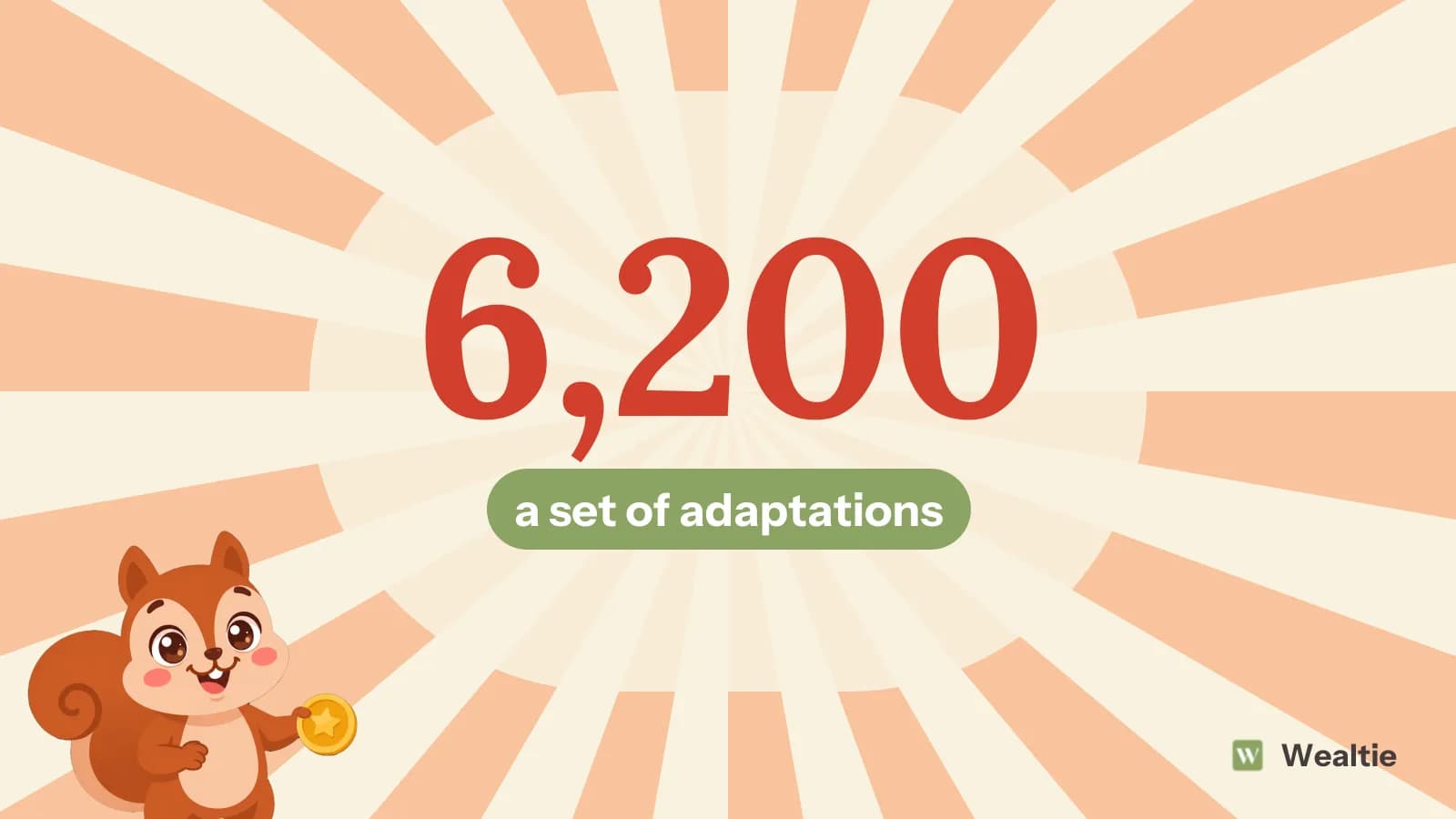
Home adaptations cost anything from a small sum for grab rails to thousands for a walk-in shower or ramp, so it pays to start with an assessment. In a worked example, a set of adaptations comes to 6,200.
 By Wealtie Team · 3 min read
Key takeaways
- Home adaptations cost ranges from small fixes to major works.
- An occupational therapy assessment shows what will help most.
- Grants and support may cover some adaptations, depending on where you live.
- Small changes often make the biggest difference for the least money.
What do home adaptations cost?
Home adaptations make a home safer and easier to live in for older people, people with disabilities or anyone recovering from illness or injury. They range from simple changes like grab rails and brighter lighting to major work like a walk-in shower, a ramp, a stairlift or a downstairs bedroom. Home adaptations cost depends on what's needed, the layout of the home and local prices.
Here's a worked example of a set of adaptations for an older person living at home, in round numbers that work in any currency:
| Adaptation | Cost |
|---|---|
| Walk-in shower | 4,000 |
| Ramp to front door | 1,200 |
| Grab rails and handrails | 300 |
| Raised toilet and seating | 200 |
| Lever taps and lighting | 500 |
| Total | 6,200 |
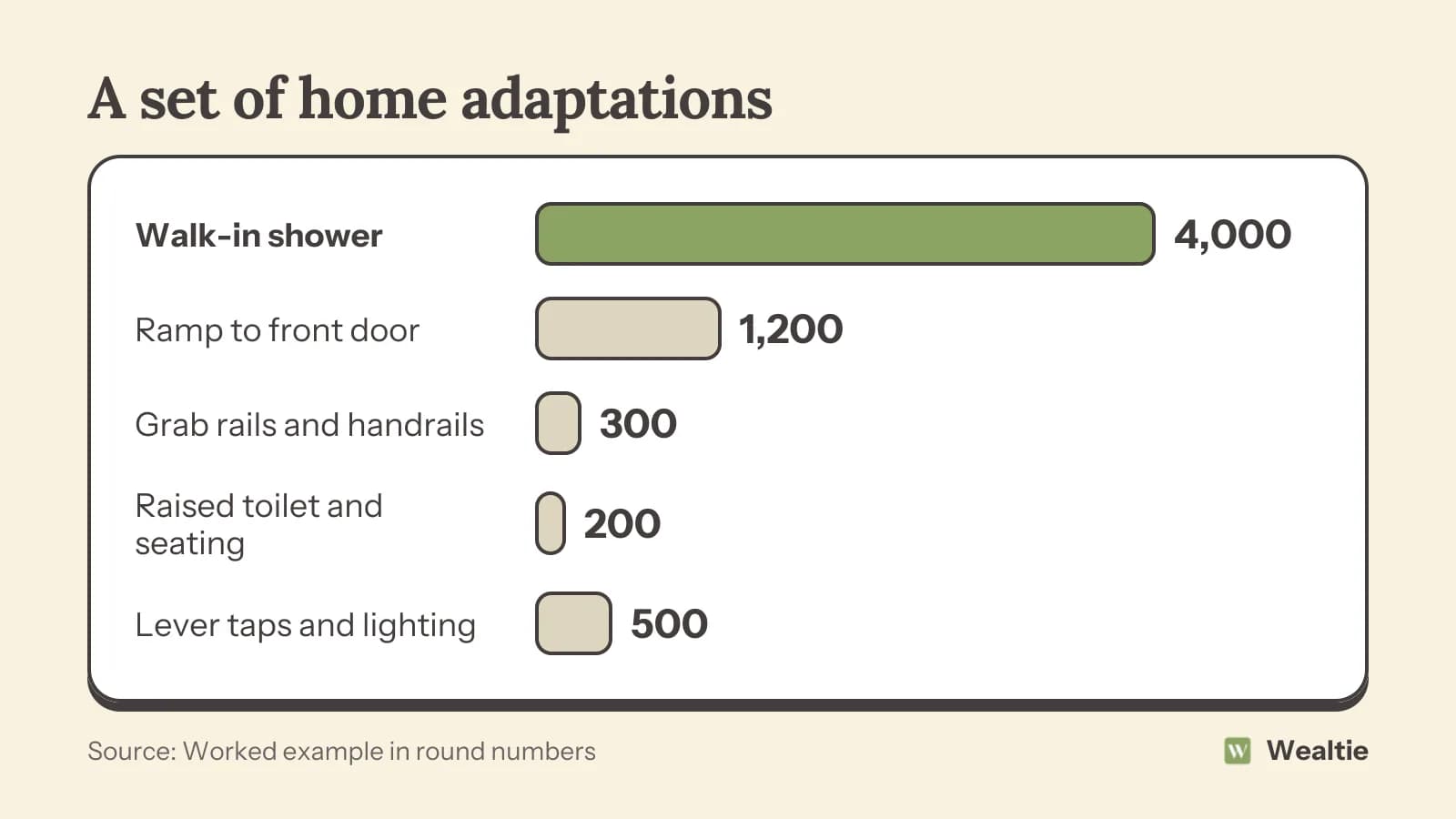
The walk-in shower is the biggest cost here. Small changes like grab rails, raised seats and better lighting cost much less and often make a big difference to safety and independence.
Where should you start?
Get an assessment
An occupational therapist can visit the home and recommend adaptations based on the person's needs. In many places, assessments are available through local councils or health services, sometimes for free. An assessment helps you spend money on what will help most, rather than guessing.
Start with small, quick changes
Grab rails, non-slip mats, extra banister rails, brighter bulbs and moving frequently used items within reach are cheap and quick. They can reduce falls and make daily life easier straight away.
Plan bigger work carefully
Bathrooms, ramps, widened doorways and stairlifts take more time and money. Get several quotes and check builders have experience with accessible adaptations. How to plan a bathroom renovation budget covers bathroom costs more generally.
What are common adaptations?
Bathroom changes
Walk-in showers, level-access wet rooms, shower seats, raised toilets and grab rails make bathing safer.
Access and entrances
Ramps, handrails by steps and wider doorways help with wheelchairs, walking frames and mobility scooters.
Stairs
Extra banisters, stair rails or a stairlift help people keep using upstairs rooms safely.
Kitchen
Lower worktops, lever taps and easy-to-reach storage make cooking easier.
Lighting and alarms
Brighter lighting, motion-sensor lights and personal alarms improve safety, especially at night.
Is there help with the cost?
In many countries, local councils, health services or charities offer grants or loans for adaptations, sometimes based on income and need. Small adaptations may be provided free after an assessment. Some places offer tax relief on equipment and building work for disabled people. Check what's available before paying in full, since applying can take time.
Is adapting cheaper than moving?
Adapting a home is usually cheaper and less disruptive than moving, especially once moving costs, fees and the stress of leaving a familiar home are counted. In some cases, though, a home with many stairs or narrow spaces can't be adapted well, and moving to a single-level home may be the better long-term choice. Downsizing to save money covers that option.
How do you budget for adaptations?
Prioritise safety
Spend first on adaptations that prevent falls and help with essential daily tasks.
Get written quotes
Compare at least two or three quotes for bigger work, with clear details of what's included.
Plan for maintenance
Some adaptations, like stairlifts and ramps, need servicing or upkeep. Add a small amount for this to the budget.
Share costs fairly
If family members are helping pay for a parent's adaptations, agree how costs are shared. How to budget for caring for parents covers sharing care costs.
It helps to involve the person who'll use the adaptations in every decision. They know best what's difficult day to day, whether it's getting out of the bath, reaching high cupboards or managing the front step. Adaptations that fit their routine and feel comfortable are far more likely to be used, which makes them better value. Some people worry that adaptations will make their home feel clinical, but many modern designs look like ordinary fittings.
Think ahead where you can. If a bathroom is being replaced anyway, choosing a level-access shower now can avoid paying for a second renovation later. Small extras, like wider doorways or reinforced walls for future grab rails, cost little during other work but much more on their own.
Finally, keep copies of assessments, quotes and receipts. They're useful for grant applications, tax relief claims and if the home is sold later, since buyers may value an accessible bathroom or ramp.
How can Wealtie help you plan adaptations?
Set a budget for the adaptations and log each payment in a home or care expense category. If several family members are contributing, clear records show who has paid what and how much is left to fund.
Questions people ask
Costs range widely. In a worked example, a walk-in shower, ramp, grab rails and other changes came to about 6,200.
Start with an assessment from an occupational therapist, then make small, quick changes like grab rails and better lighting.
In many places, councils, health services or charities offer grants, loans or free small adaptations after an assessment.
Usually, yes, but some homes can't be adapted well, and moving to a single-level home may suit better long term.
This article is general information, not financial, tax or legal advice. Your situation is your own; check the numbers that apply to you before you act on them.