Money as a couple: Should you co-sign a loan or act as a guarantor?
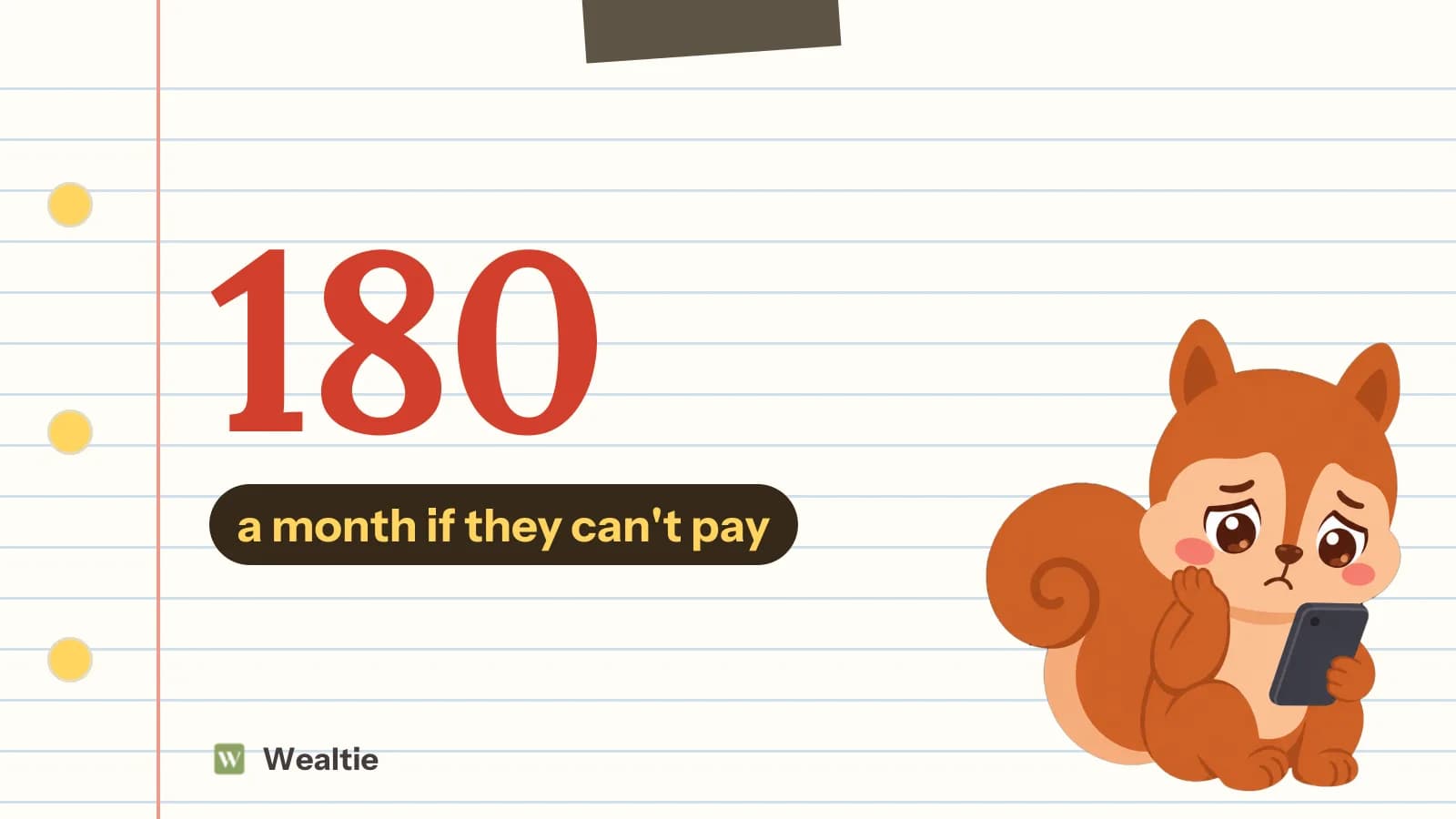
If you co-sign a loan or act as a guarantor, you're responsible for the debt if the borrower can't pay. In a worked example, guaranteeing a 6,000 loan could leave you repaying about 180 a month for three years, so it's worth understanding the risks before you agree.
 By Wealtie Team · 3 min read
Key takeaways
- When you co-sign a loan, you're responsible for the debt if the borrower can't pay.
- In a worked example, guaranteeing a 6,000 loan could mean repaying about 180 a month for three years.
- Co-signing can affect your credit record and your ability to borrow.
- Only agree to an amount you could afford to repay in full yourself.
What does it mean to co-sign a loan?
When you co-sign a loan or act as a guarantor, you promise the lender that the debt will be repaid. If the borrower misses payments, the lender can ask you to pay instead, sometimes for the full amount. People are often asked to do this for a child, a partner, a friend or a relative who can't get credit on their own, or for a rental where the landlord wants extra security.
It's a generous thing to do, but it's also one of the biggest financial risks you can take on for someone else. The terms differ between countries and products, so read the agreement carefully and get advice if you're unsure. Feeling pressure to say yes quickly is common, but taking a few days to think is reasonable.
What could it cost you?
Here's a worked example of guaranteeing a 6,000 loan repaid at about 180 a month over three years, in round numbers that work in any currency:
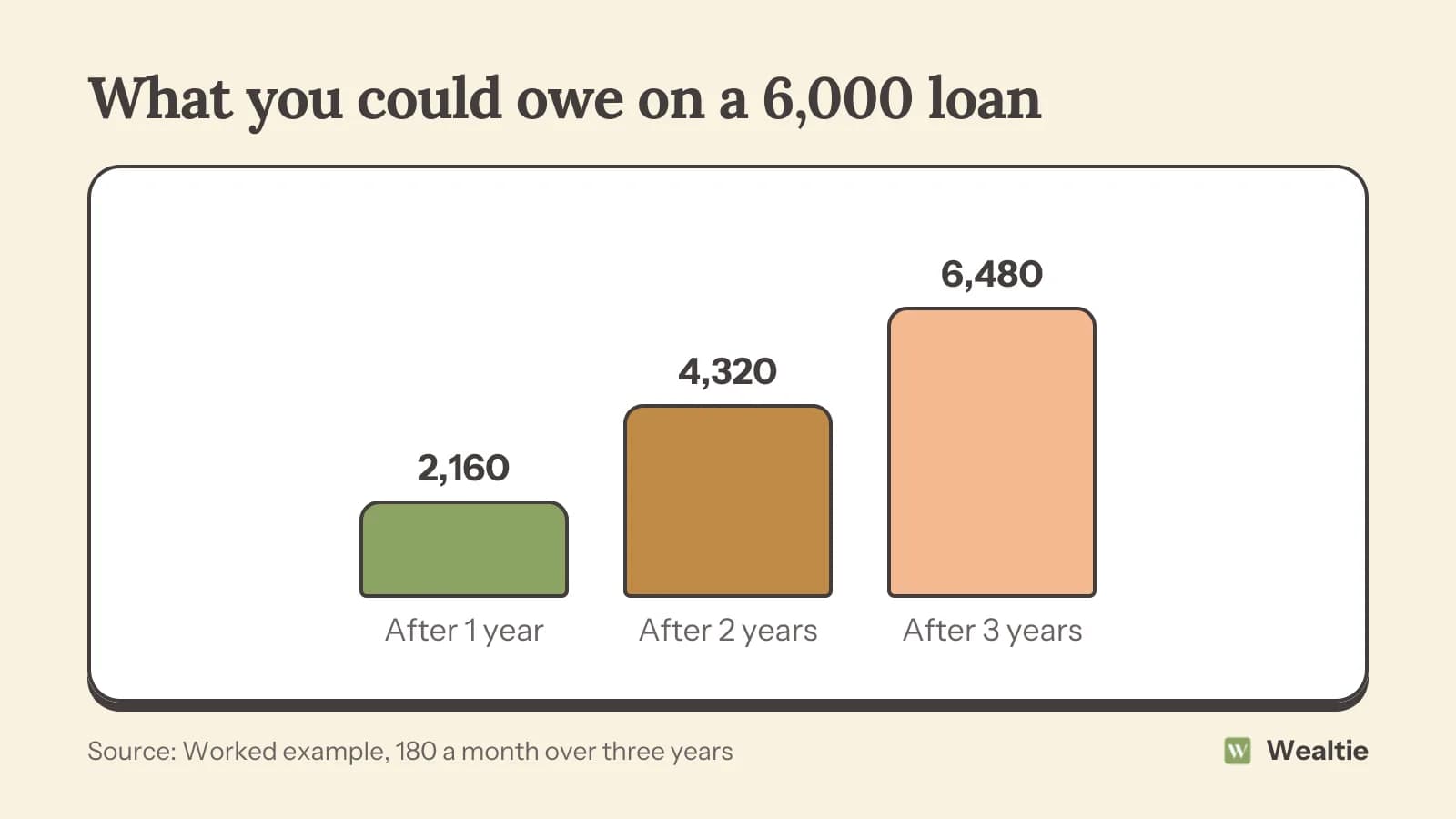
If the borrower stopped paying at the start, you could end up paying about 6,480 over three years, including interest. If they stopped halfway, you'd owe what's left. Your own risk depends on the size of the loan, the terms and how reliable the borrower is. Life events, like a job loss or illness, can stop even a reliable borrower from paying.
Missed payments and charges
If payments are missed before you know about it, late fees and interest can build up. Some agreements let the lender come to you as soon as a payment is missed, without chasing the borrower first.
How does it affect your credit and borrowing?
Depending on the type of agreement and where you live, the debt may appear on your credit record. Missed payments by the borrower could harm your credit score. Lenders may also count the guaranteed debt when you apply for a mortgage or loan, which could reduce how much you can borrow. How to improve your credit score explains how credit records work. If you're planning a big application yourself, like a mortgage, it may be wise to wait until it's done before co-signing.
When might it make sense?
Co-signing can be reasonable when:
- You know the borrower well and trust their reliability
- The amount is small enough that you could repay it in full without hardship
- There's a clear plan for how the borrower will repay
- It's for a short period, like a first rental, after which the borrower can stand alone
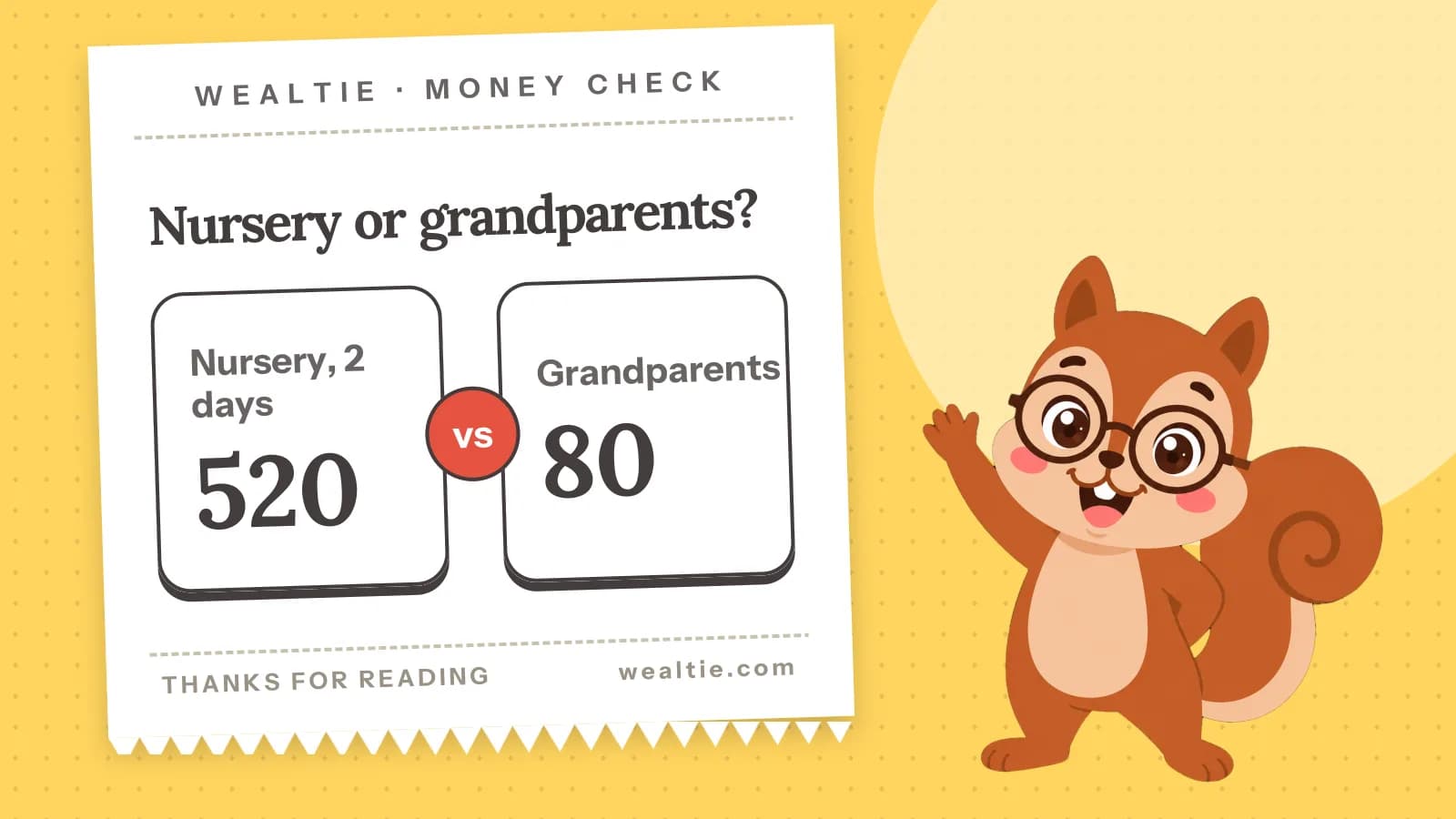
Guaranteeing a student's rent, for example, is common and often lower risk than guaranteeing a large loan. University accommodation costs covers rental guarantors for students.
What questions should you ask first?
Before you agree, ask yourself and the borrower:
- Could I repay the whole amount if I had to, without harming my own finances?
- Why can't the borrower get credit on their own, and is that likely to change?
- How long does the guarantee last, and can I be released from it?
- Will I be told if a payment is missed?
- How would it affect our relationship if I had to pay?
Talking openly about these questions protects both of you. If the answers make you uneasy, saying no kindly is better than a guarantee you can't afford.
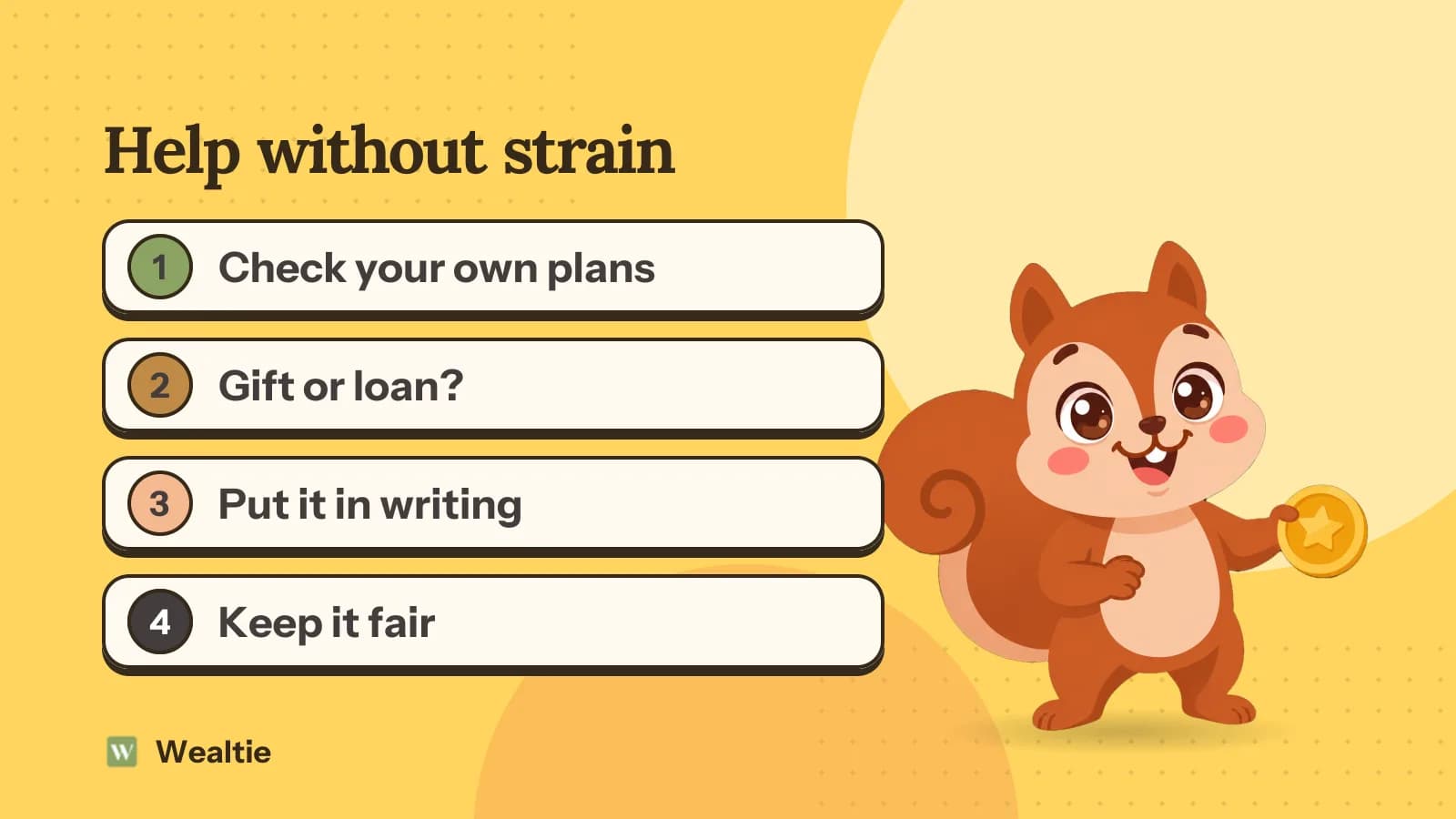
Put an agreement in writing
Even within a family, writing down what you've agreed, like the borrower telling you immediately if they can't pay, helps avoid misunderstandings. It doesn't replace the lender's contract, but it sets expectations.
What are safer alternatives?
You might help in ways that carry less risk:
- Give or lend a smaller amount you can afford to lose
- Help the borrower build their own credit, so they can borrow alone later
- Help with a deposit rather than guaranteeing a whole loan
- Suggest a cheaper option, like a smaller loan or a secured card
How to lend money to a friend covers lending directly, and what to do if your partner has debt covers supporting a partner. Helping someone budget and save towards their own deposit or credit history can be the most lasting help of all.
How do you track a guarantee in Wealtie?
If you've co-signed, add the loan as an account so you can see the balance falling, and keep a note of payment dates. If you ever have to pay, log the payments in your expense categories and adjust your limits in the budget tracker so the rest of your money stays on track.
Questions people ask
The lender can ask you to pay, sometimes the full amount, plus any fees and interest.
It can. The debt may appear on your record, and missed payments could harm your score.
When you trust the borrower, the amount is small enough that you could repay it yourself and the term is short.
Give or lend a smaller amount, help with a deposit or help the borrower build their own credit.
This article is general information, not financial, tax or legal advice. Your situation is your own; check the numbers that apply to you before you act on them.