Budgeting: Are cashback sites worth it? How they work and the catches
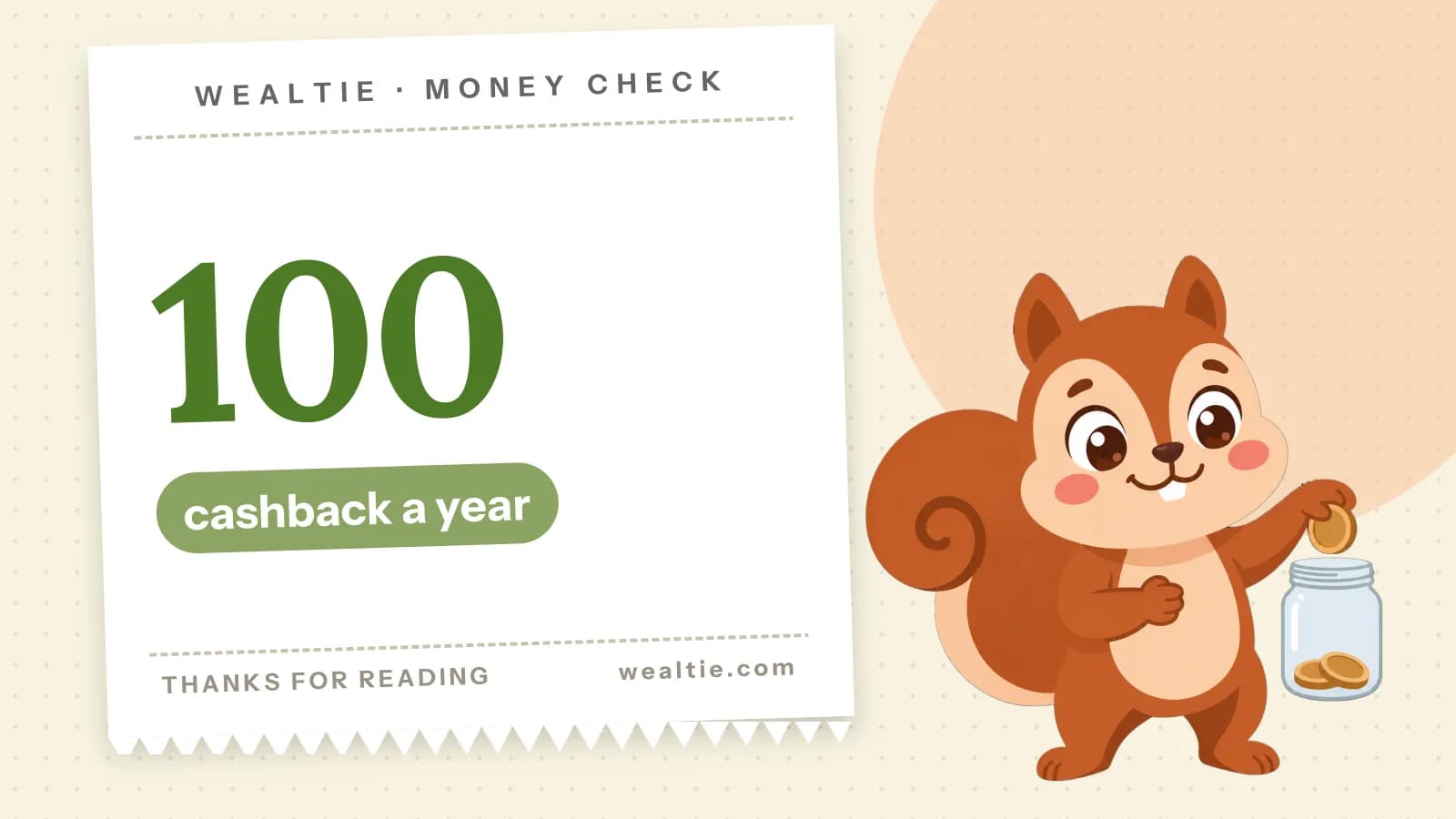
Are cashback sites worth it? They are if you'd buy the item anyway, since they pay back part of what you spend at partner shops, and in a worked example someone earns about 100 a year.
 By Wealtie Team · 3 min read
Key takeaways
- Cashback sites are worth it for purchases you'd make anyway.
- In a worked example, someone earns about 100 a year.
- The biggest payouts usually come from switching insurance or energy.
- Buying more to earn cashback costs far more than it pays.
Are cashback sites worth it?
They can be, as long as they don't change what you buy. Cashback sites and apps pay you a small amount back when you shop with partner retailers through their links. If you were going to buy something anyway, getting money back is a nice bonus. The catch is that cashback is designed to encourage spending, and it's easy to buy things you didn't need because there's money back on them.
Used carefully, cashback can add up to a useful sum each year. Used carelessly, it can cost you far more than it pays.
A good test is to ask whether you'd still buy the item at the same price if there were no cashback. If the answer is yes, take the cashback as a bonus. If the answer is no, the cashback is doing its job for the shop, not for you. Keeping that one question in mind protects you from most of the downsides while letting you collect the benefits.
How do cashback sites work?
Shops pay cashback sites a fee for sending customers their way. The site passes some of that fee to you. You click through from the cashback site or app to the shop, buy as normal, and the cashback is tracked to your account. After a waiting period, often weeks or months, the cashback becomes available to withdraw.
Some cashback apps work differently, giving you money back when you scan receipts or link offers to your card. The idea is the same: a small reward for shopping with certain brands.
How much can you earn from cashback?
Here's a worked example of a year of cashback, in round numbers that work in any currency:
| Source | A year |
|---|---|
| Insurance and energy switches | 50 |
| Holidays | 30 |
| Online shopping | 20 |
| Total | 100 |
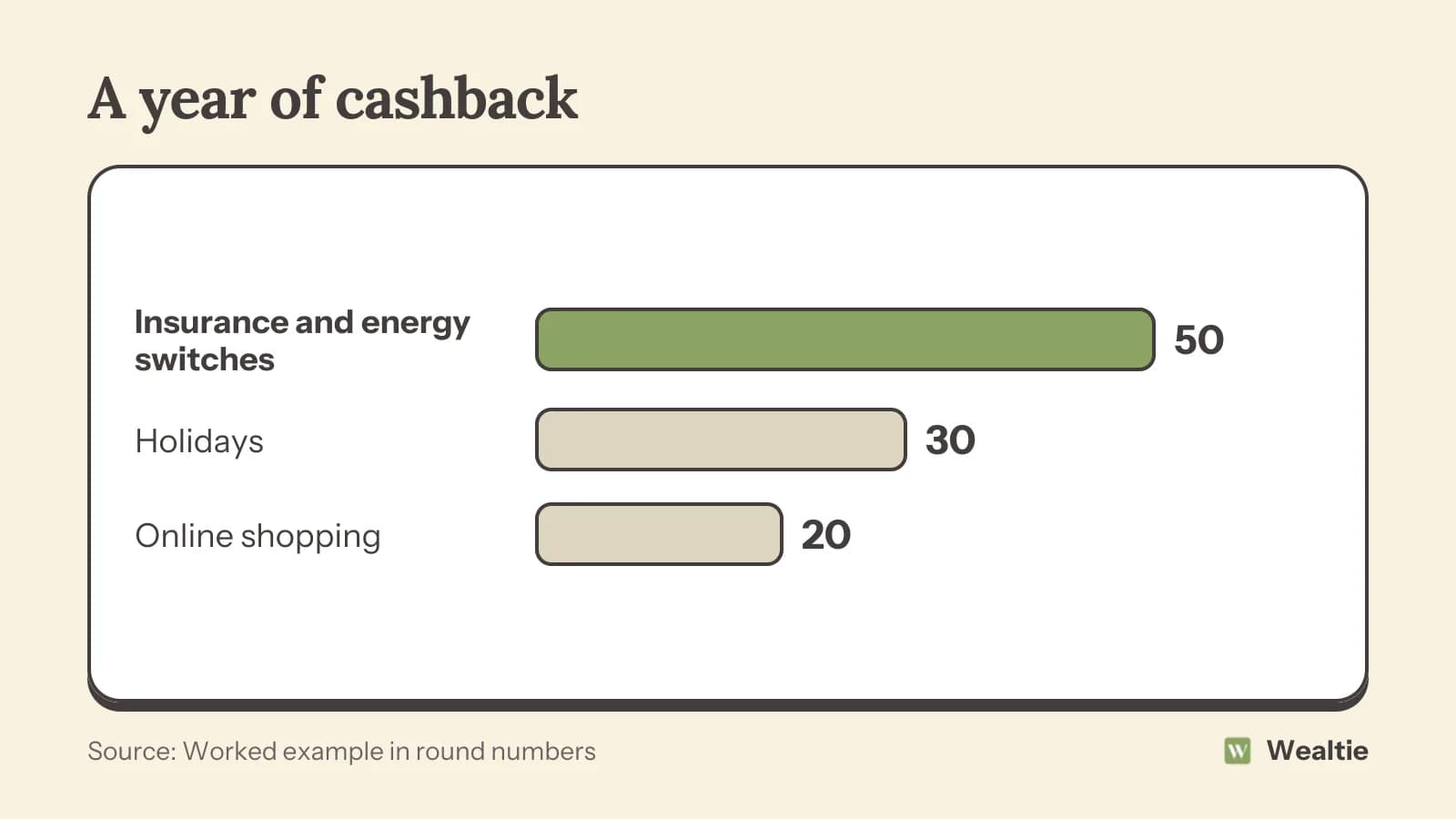
The biggest payouts usually come from switching insurance, energy or broadband, or booking holidays, since the shops pay more for these customers. Everyday shopping often earns small amounts.
This means the best way to use cashback is around a few big decisions each year rather than every small purchase. When your car insurance, home insurance or energy deal comes up for renewal, compare prices, then check whether the best deal has cashback through one of these sites. The same goes for booking a holiday or buying a large appliance. A few minutes of checking at these moments brings in most of the yearly total.
What are the catches?
Spending more to earn more
The biggest risk is buying things because they have cashback. Spending 50 extra to earn 2 back leaves you 48 worse off. Cashback should never be the reason you buy something.
Cashback that doesn't track
Sometimes a purchase doesn't register, especially if you use a discount code from elsewhere or have ad blockers turned on. Most sites let you claim missing cashback, but it takes time. Keeping order confirmations makes these claims much easier to win.
Long waits
Cashback can take weeks or months to become payable, especially for holidays and insurance, where it's paid after the trip or once the policy is confirmed.
Fees and minimum withdrawals
Some sites charge a yearly fee or need a minimum balance before you can withdraw. Check the terms before signing up. A free account with no minimum is usually enough for most people, and paid tiers rarely earn back their fee.
Better deals elsewhere
A shop with cashback isn't always the cheapest. Compare the final price, after cashback, with other shops before buying.
How do you use cashback sites well?
Use them only for things already on your shopping list. Check whether there's cashback before big purchases you've planned, like insurance renewals, holidays or electronics. Compare the total price, not the cashback rate. And withdraw cashback regularly, putting it straight into savings so it doesn't disappear into everyday spending.
Compare with other rewards
Cashback, loyalty programmes and rewards credit cards all work on the same idea: small rewards in return for your spending. They're worth it only if they don't change what or how much you buy. How to stop impulse buying helps you keep spending in check, and the Black Friday budget covers sale season, when cashback offers are everywhere.
How do you track cashback in Wealtie?
Log cashback payouts in the income tracker as they arrive, so you can see what you earn in a year. Keep purchases in your expense categories and stick to your monthly budget, so cashback stays a bonus rather than a reason to spend.
Questions people ask
Yes, if you only use them for purchases you'd make anyway. In a worked example, someone earns about 100 a year.
Shops pay them a fee for sending customers, and the site passes part of that fee to you.
They encourage spending, cashback can fail to track or take months to pay, and some sites have fees or minimum withdrawals.
Usually from switching insurance, energy or broadband, or booking holidays, rather than everyday shopping.
This article is general information, not financial, tax or legal advice. Your situation is your own; check the numbers that apply to you before you act on them.