Budgeting: Black Friday budget: how much to spend and how to stick to it
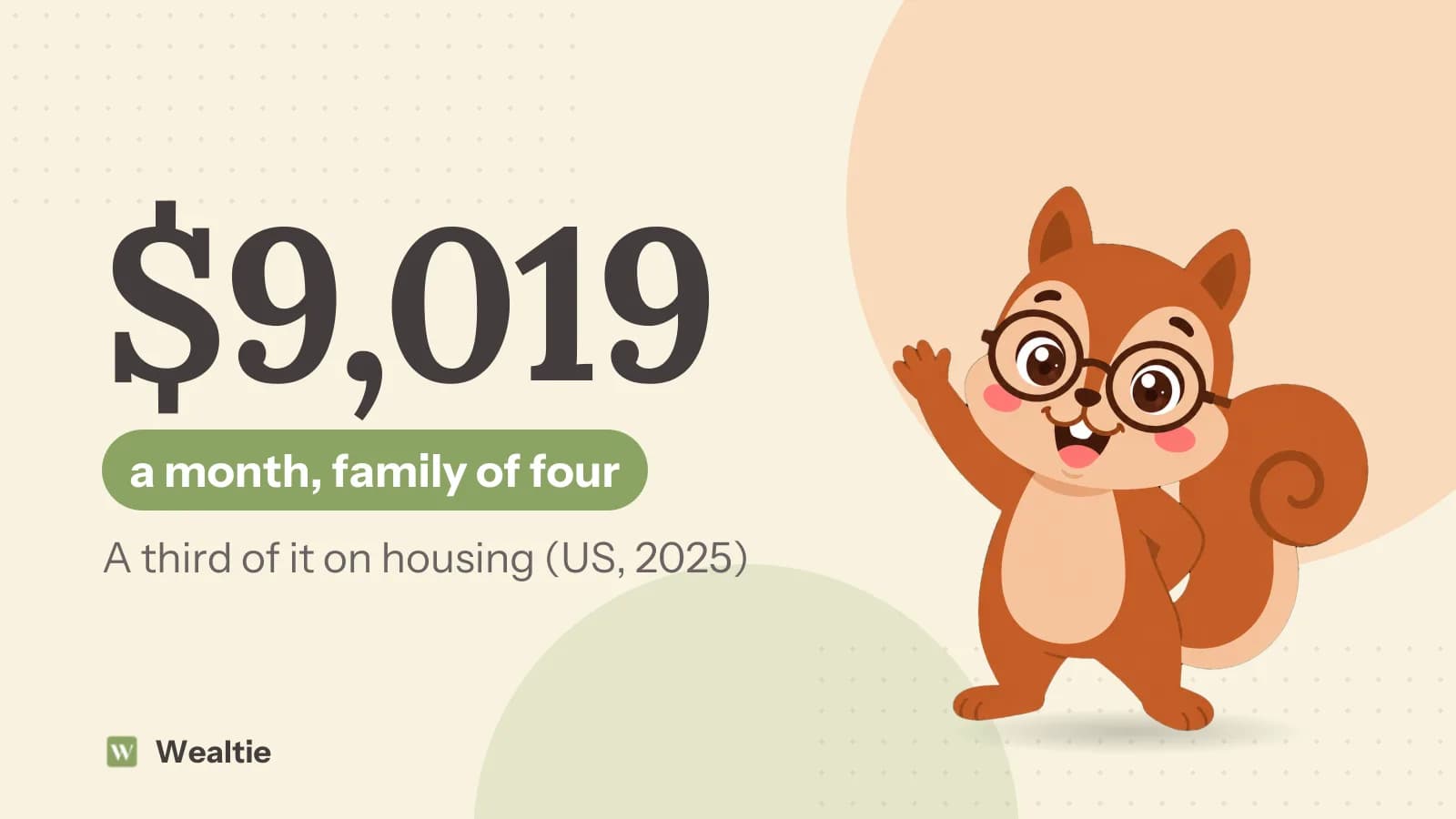
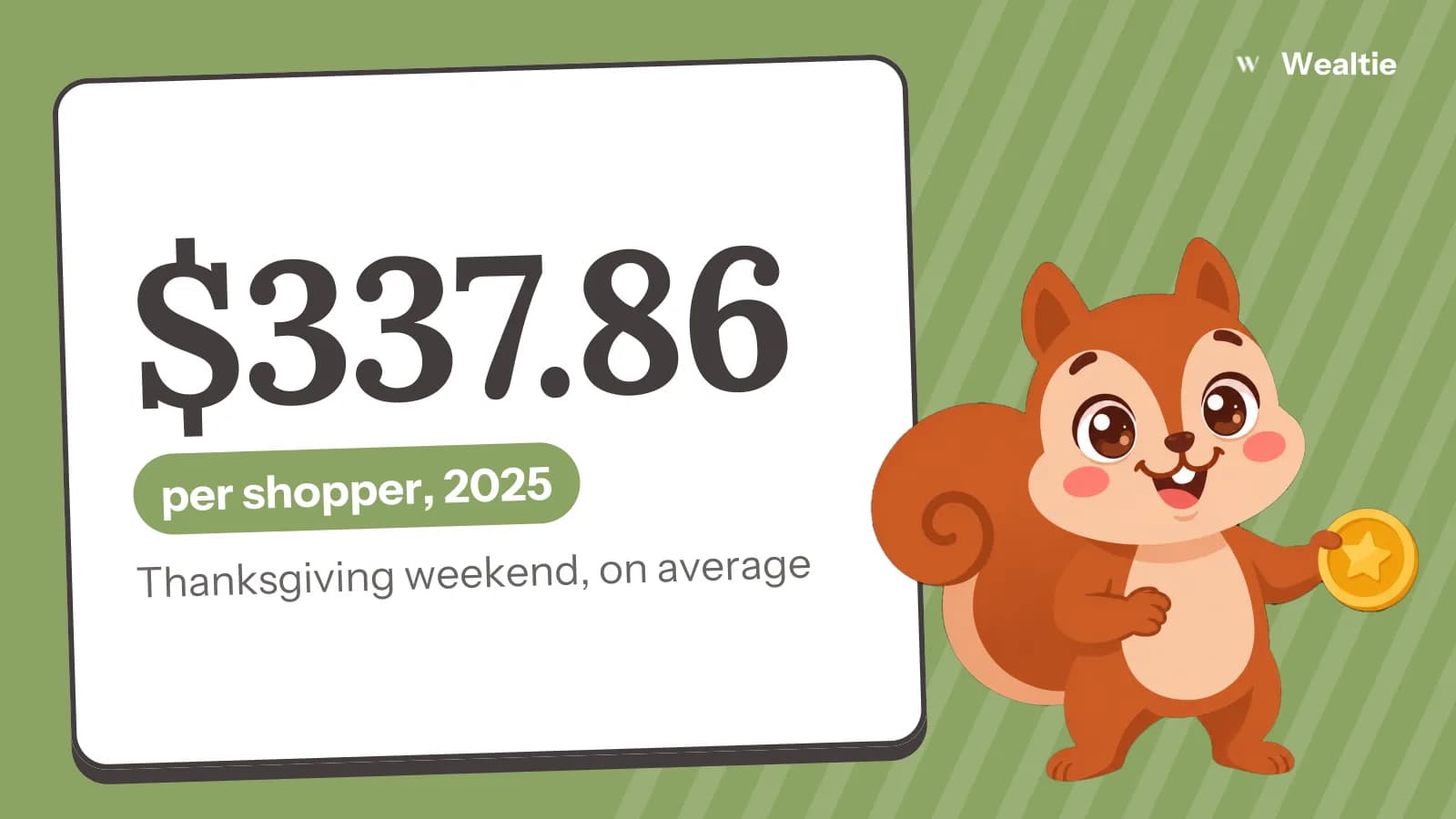
A Black Friday budget is a set total and a list of items you'd buy anyway, each with a target price, decided before the sales start. Shoppers spent $337.86 on average over Thanksgiving weekend 2025, NRF found; your number should come from your own gift list and what you've saved, not from the deals.
 By Wealtie Team · 4 min read
Key takeaways
- A record 202.9 million Americans shopped over Thanksgiving weekend 2025, spending $337.86 each on average on holiday purchases, according to the National Retail Federation.
- About two-thirds of that weekend spending, $225.74, went on gifts, so a Black Friday budget is mostly a gift budget bought early.
- Set the total first, from your gift list and money you already have, then list only items you'd buy in the next three months anyway, each with a target price.
- A discount on something you weren't going to buy is spending, not saving; a waiting rule of 24 hours for anything off the list catches most of it.
- Buy now, pay later and card purchases count in full the day you buy them, not when the instalments or the statement arrive.
How much should you spend on Black Friday?
No more than money you already have: your holiday gift budget plus anything you'd buy in the next three months anyway.
For scale, a record 202.9 million Americans shopped over the five days from Thanksgiving to Cyber Monday in 2025, according to the National Retail Federation. They spent $337.86 each on average on holiday purchases, and about two-thirds of it, $225.74, went on gifts. Black Friday itself drew 80.3 million shoppers in stores and 85.7 million online.
So for most people, a Black Friday budget is a gift budget spent early. If you've set a Christmas budget, Black Friday comes out of it, not on top of it. NRF expects holiday sales in November and December 2026 to grow 4.2% to $1.013 trillion, in its 2026 forecast. That's a lot of advertising aimed at the same weekend. A number set before it starts is the only one that holds.
How do you make a Black Friday budget?
Four steps, done before the sales open.
- Set the total. Start with money you have now: what's left of your gift budget, plus savings set aside for a planned purchase. Not next month's pay, and not a card you'll pay off later.
- List what you'd buy anyway. Gifts on your list, and things you'd replace in the next three months: the vacuum that's dying, the winter coat, the laptop with the failing battery.
- Give each item a target price. Look up what it's sold for over the past few months. The target is the price you'd be happy to pay, not the "was" price on the sale banner.
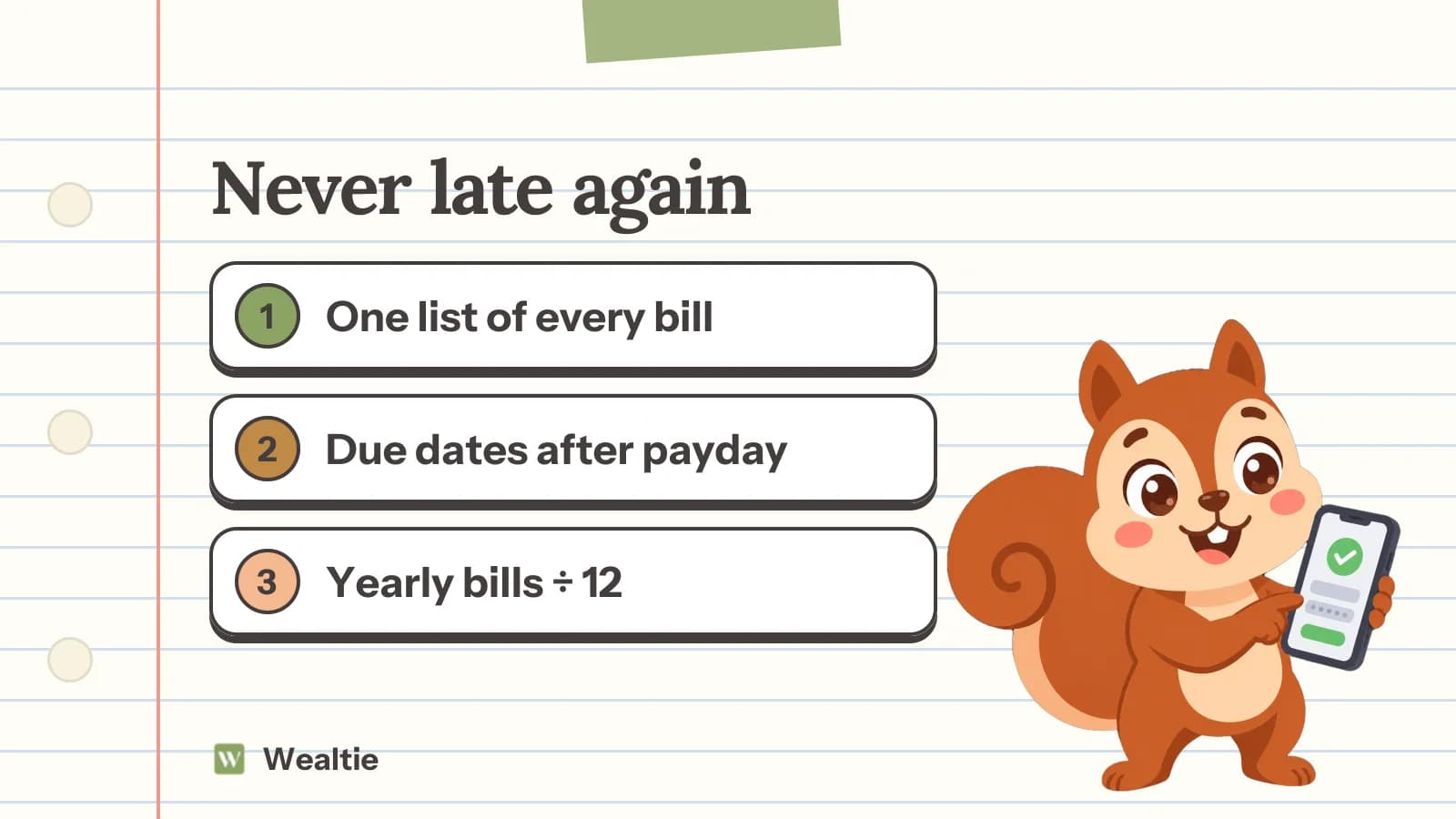
- Track every purchase against the total. Over five days and several shops and sites, it's easy to lose count. Log as you go.
What does a Black Friday budget look like?
Here's a worked example in round numbers, the same in any currency. The total is 600: 450 from the gift budget and 150 saved for a vacuum that needs replacing.
| Item | Target price | Bought for | Left in budget |
|---|---|---|---|
| Vacuum (replacing the old one) | 150 | 139 | 461 |
| Headphones (gift) | 90 | 85 | 376 |
| Board game (gift) | 35 | 35 | 341 |
| Jumper (gift) | 50 | not on sale, waited | 341 |
| Toy set (gift) | 60 | 48 | 293 |
| Skincare set (gift) | 40 | 32 | 261 |
Two things are worth noticing. The jumper wasn't discounted, so it waits for a better price or a different gift. And there's 261 left for the rest of the gift list, which doesn't all need to be bought this weekend.
How do you tell a real deal from a fake one?
Compare the sale price with what the item has sold for over the past few months, not with the crossed-out price next to it.
A "was" price can be a price the item rarely sold at. Price-tracking tools and browser extensions show an item's price history at many big retailers. If the Black Friday price matches what it cost in September, it isn't a Black Friday deal. Set your target price from that history before the weekend, and the decision on the day is yes or no, not "how much is it off?".
For anything not on your list, a discount isn't a saving. Spending 70 on a 100 item you weren't going to buy is 70 spent, not 30 saved.
How do you avoid overspending over the weekend?
Use a waiting rule for anything off the list, and count every purchase in full on the day you make it.
- Wait 24 hours before buying anything that isn't on the list. Most impulse buys don't survive a night. The same rule works all year; how to stop overspending explains the longer version for bigger purchases.
- Count buy now, pay later in full. Four payments of 50 is 200 spent on Friday, not 50. The instalments land in December and January, when holiday bills are already high.
- Pay cards off in full. A deal paid for with interest over three months costs more than full price did.
- Unsubscribe from sale emails the week before, or filter them into a folder you don't open. Fewer prompts, fewer purchases.
What do you do after Black Friday?
Check what you spent against the total, and keep the receipts until the return windows close.
If something you bought isn't on your list after all, return it. Many retailers extend return windows for holiday purchases, but check each one. If you came in under budget, the rest stays in the gift fund for December, and you're ahead.
Then plan for next year. A sinking fund for holidays, a small amount every month from January, turns next November's total into money you already have.
How do you track Black Friday spending?
Give it its own category for the month and log each purchase as you make it.
In Wealtie, add a category for holiday shopping and give it the total from your plan as part of your monthly budget. Every purchase you log, online or in a shop, comes off it, and you see what's left before the next checkout. Budget Health warns you mid-month if your overall spending pace will take you over. The Free plan includes ten expense categories, enough for a holiday one alongside the everyday ones.
Questions people ask
No more than the money you already have for it, usually part of your holiday gift budget plus anything you'd buy in the next three months anyway. For scale, Thanksgiving weekend shoppers spent $337.86 on average in 2025, NRF found.
Set a total from money you already have, list the items you'd buy anyway, give each a target price, and track every purchase over the weekend against the total. Anything off the list waits 24 hours.
For items already on your list, often yes, if the price beats what you've seen it sell for in the past few months. For things you weren't planning to buy, a discount still means spending money you hadn't planned to spend.
Only if you'd buy the item with the money you have today. Count the full price against your budget on the day you buy, because the instalments land in December and January, when holiday bills are already high.
It varies by product and retailer, so compare the price against what the item cost earlier in the autumn rather than the day. A target price set in advance tells you when to buy, whichever day it is.
Sources
- Thanksgiving Holiday Weekend Draws a Record 203 Million Shoppers · National Retail Federation · checked 1 November 2026
- NRF Forecasts 2026 Holiday Sales Growth as Consumers Remain Resilient · National Retail Federation · checked 1 November 2026
This article is general information, not financial, tax or legal advice. Your situation is your own; check the numbers that apply to you before you act on them.