Saving: How to budget for unpaid leave
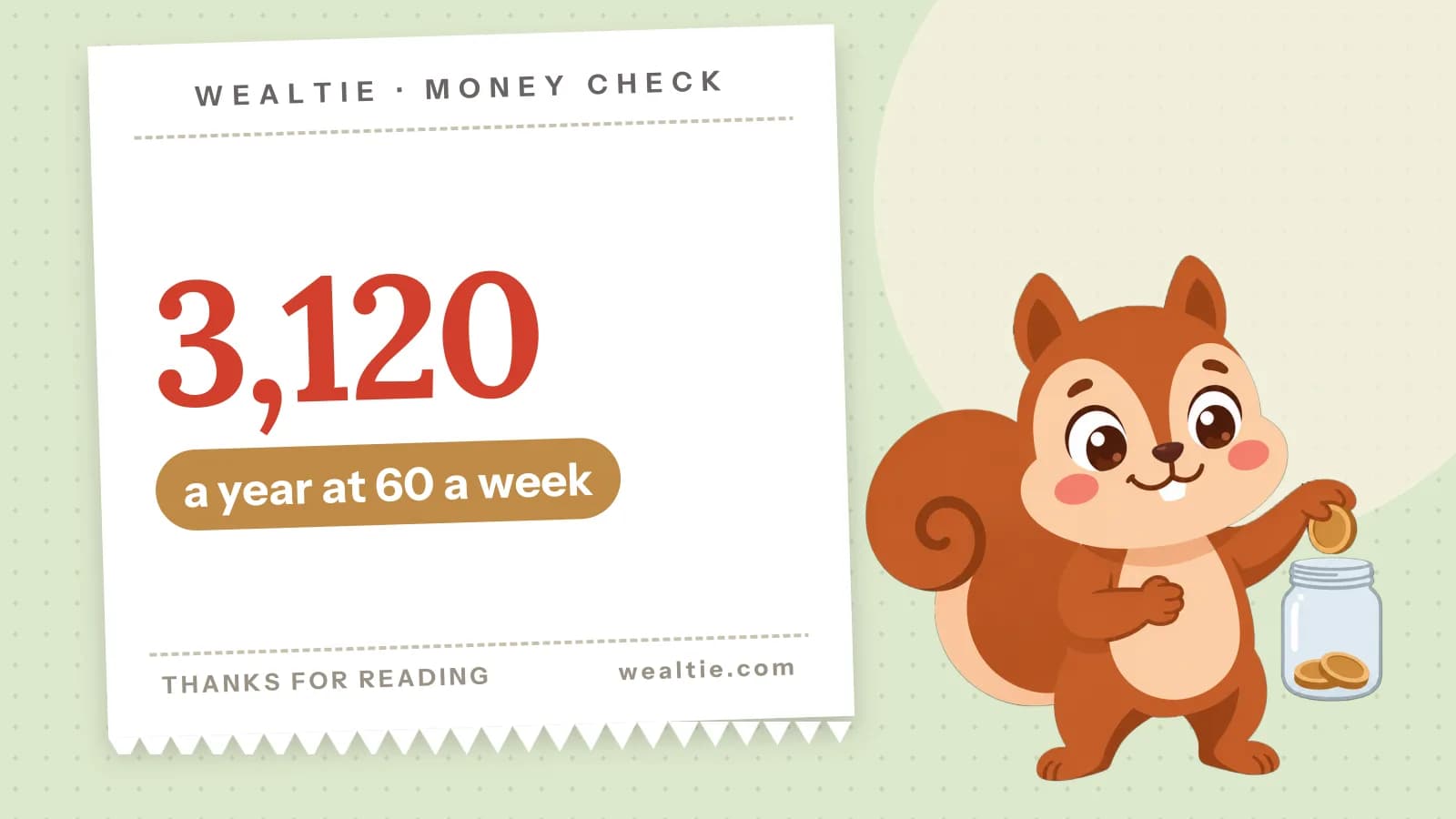
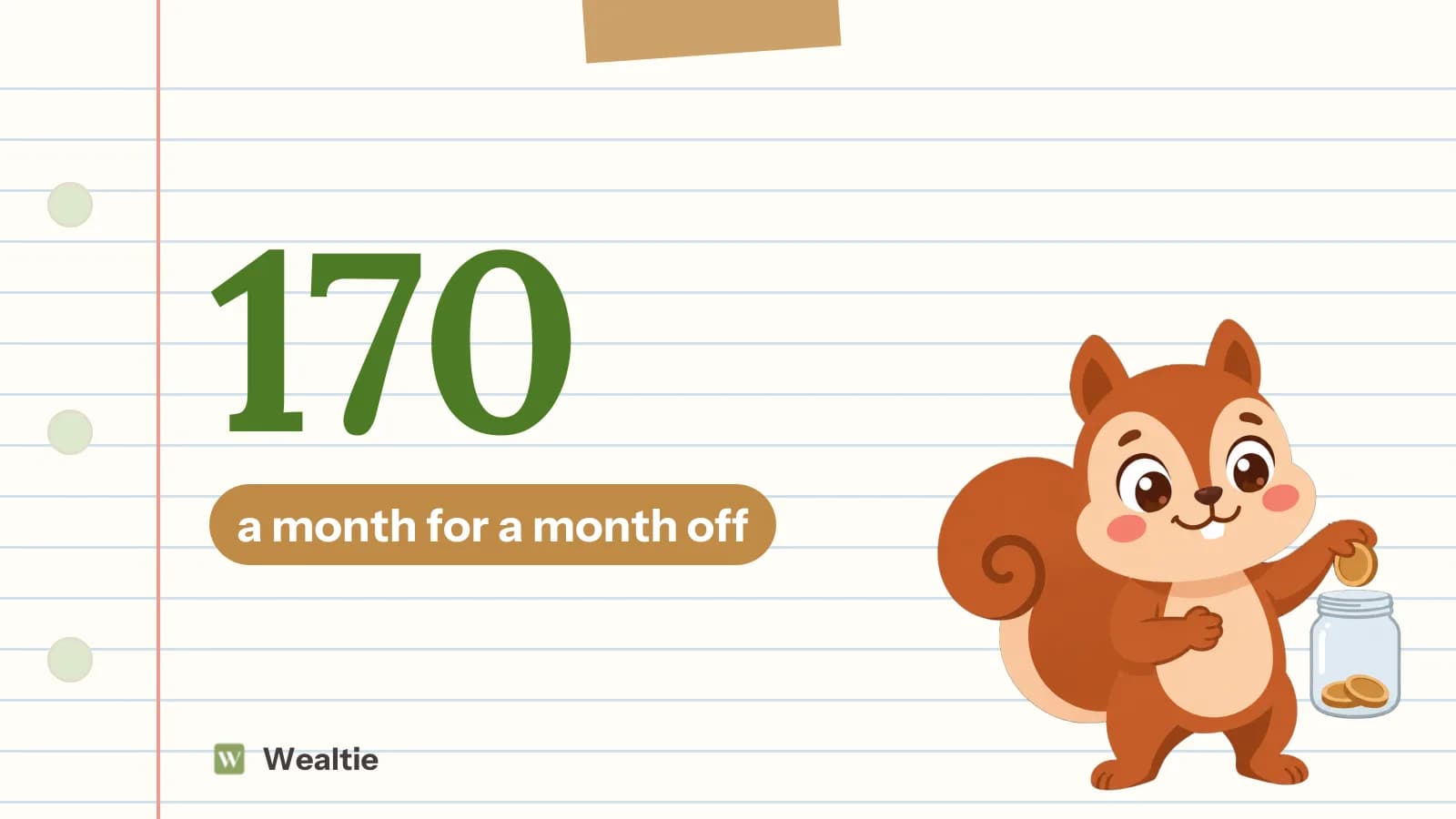
To budget for unpaid leave, work out exactly how much pay you'll lose, check how it affects pension contributions and benefits, and save the gap before you go. In a worked example, a month of unpaid leave costs about 2,000 in lost take-home pay, so saving 170 a month for a year covers it.
 By Wealtie Team · 3 min read
Key takeaways
- A budget for unpaid leave starts with the exact pay you'll lose.
- In a worked example, a month off costs about 2,000 in take-home pay, covered by saving 170 a month for a year.
- Check the effect on pension contributions, holiday entitlement and benefits.
- Pay essential bills before your leave starts, or keep enough in your account to cover them.
How do you budget for unpaid leave?
Find out what you'll lose, plan how to cover it, and save ahead if you can. Unpaid leave can give you time for a long trip, a family event, caring for someone, moving home or a break. Because your pay stops for that time, your bills don't, so planning matters. A clear budget lets you enjoy or focus on the time off rather than worrying about money. Planning it well also makes it easier to ask your employer for the time.
Rights to unpaid leave vary between countries and employers. Check your contract and workplace policies before you plan.
How much pay will you lose?
Ask your employer how unpaid leave will show on your payslip. Your take-home pay is what matters for your budget. If tax and deductions also fall, the loss may be a little less than your full take-home pay. Ask for the figure in writing, so there are no surprises on payday.
Here's a worked example of saving to cover a month of unpaid leave, in round numbers that work in any currency:
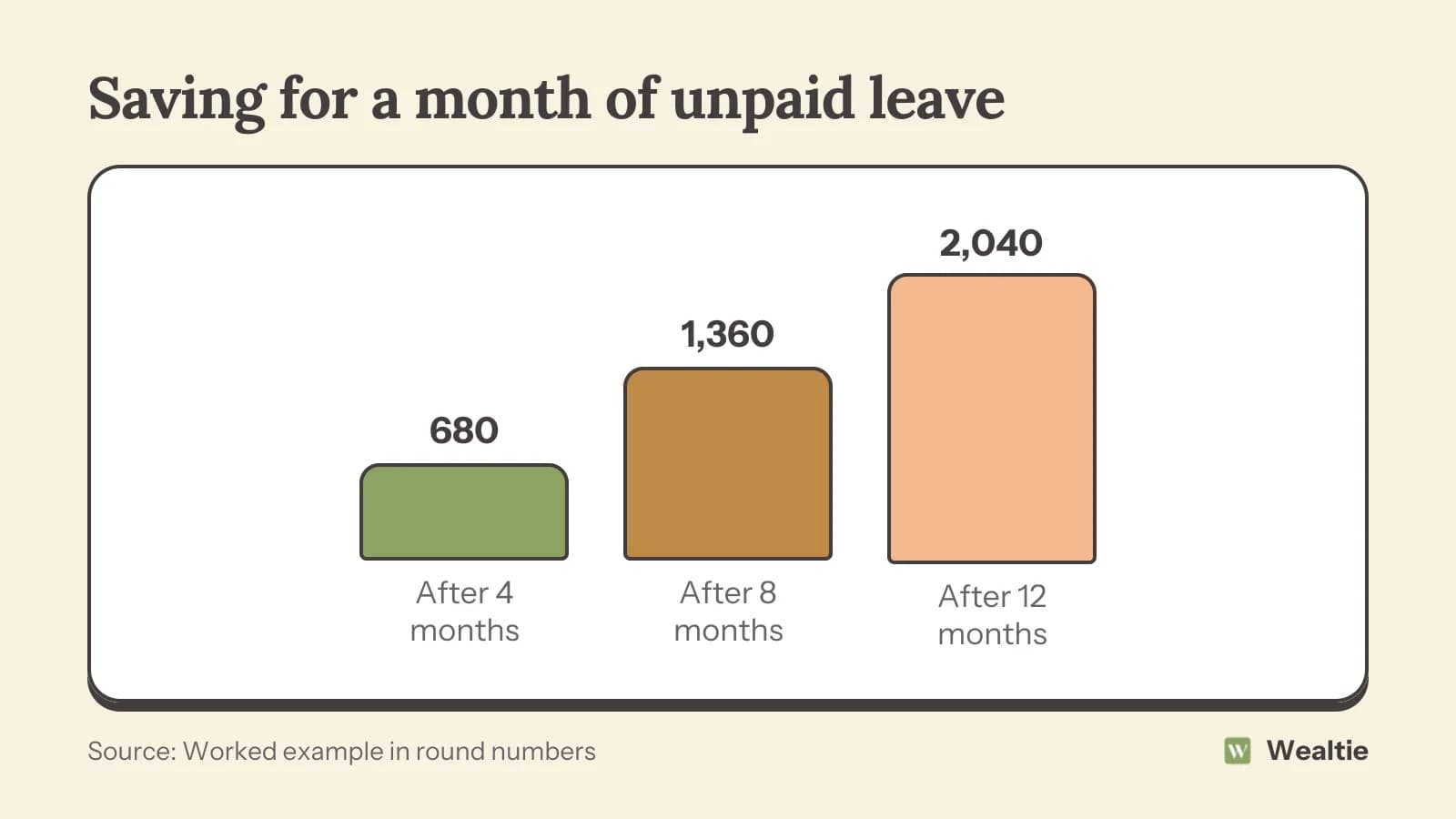
In this example, a month off costs about 2,000 in take-home pay. Saving 170 a month for a year covers it. Two weeks would cost about 1,000. Your own figures depend on your pay and how your employer calculates the deduction.
Check when the deduction lands
Some employers take the deduction in the month you're off, while others spread it or take it later. Knowing which month your pay will be lower helps you plan bills around it.
What else does unpaid leave affect?
Check before you agree:
- Pension contributions, which usually stop for the unpaid period
- Holiday entitlement, which may build up more slowly
- Benefits linked to employment, like insurance through work
- State benefits or credits, which in some places depend on your earnings or contributions
- Length of service, which can matter for future rights
Most of these have small effects for short leave, but they add up for longer periods. For long leave, a short conversation with HR about what changes can save problems later.
How do you cover your bills?
Make sure essential bills are paid. Options include:
- Saving the lost pay in advance, in a separate account
- Paying some bills early, before the leave starts
- Getting one month ahead on bills, so the following month is already covered
- Reducing flexible spending during the leave
If you'll be away, set reminders for any bills that need manual payment, and check that automatic payments have enough money in the account. If you're going abroad, telling your bank or card provider avoids blocked payments.
How do you save for unpaid leave?
Divide the lost pay by the months before your leave and save that amount each month. Keep it in a separate account so it doesn't get spent. A sinking fund works well for planned time off. If you get a bonus or tax refund before your leave, adding it to the fund gives extra breathing room. If your leave is a few months away, starting with a lump sum and adding a smaller amount each month works well.
What if the leave is for caring or illness?
Unpaid leave to care for someone, or to recover yourself, often comes at short notice. An emergency fund helps here. Some countries have specific rights or payments for carers, so check what's available. How to budget for caring for parents and how to budget for time off sick cover these situations in more detail. Some employers offer paid carer's leave or flexible working, so ask before taking unpaid time.
How do you plan spending during the leave?
Decide what the time off will cost, beyond lost pay. A trip, a move or a family event has its own costs. If you're staying at home, plan low-cost days to keep the break restful without extra spending. Setting a budget for the leave period, and checking it weekly, keeps it on track. A small buffer for the month after the leave helps too, since the first payday back may also be affected.
How do you track unpaid leave in Wealtie?
Add a savings account for the leave and move money into it each month as a transfer, which isn't counted as spending. Keep bills set up as recurring transactions with the bill tracker, so you can see what's due during your time off. Track spending during the leave in your expense categories.
Questions people ask
Work out the take-home pay you'll lose, check other effects like pension contributions and save the gap before you go.
Roughly your take-home pay for the time off. In a worked example, a month costs about 2,000.
Contributions usually stop for the unpaid period, so check with your employer.
Save the lost pay in advance, pay some bills early or get a month ahead on bills before your leave starts.
This article is general information, not financial, tax or legal advice. Your situation is your own; check the numbers that apply to you before you act on them.