Budgeting: How to switch bank accounts without missing a payment
To switch bank accounts smoothly, open the new account first, move your income and regular payments across with care, and keep the old account open until everything has cleared. Switching can save on fees and get you better features, and a simple checklist stops payments from being missed.
 By Wealtie Team · 3 min read
Key takeaways
- Switching bank accounts can save on fees and get you better features or service.
- Open the new account before closing the old one, so you're never without a working account.
- List every regular payment and move each one, then keep the old account open for a few weeks.
- Some countries have switching services that move payments for you; check what's available.
Why switch bank accounts?
Because the account you opened years ago may no longer suit you. Banks change fees, features and offers over time, and many people stay with the same account out of habit. Switching can save money on monthly fees and overdraft charges, get you better tools, or move you to a bank with service you prefer.
Common reasons to switch include:
- Monthly account fees you don't need to pay
- High overdraft charges
- Poor customer service or a closing local branch
- Better features elsewhere, like spending notifications or savings pots
- A switching offer or better interest on savings
How much can switching save?
Here's a worked example of the yearly cost of a fee-charging account, in round numbers that work in any currency:
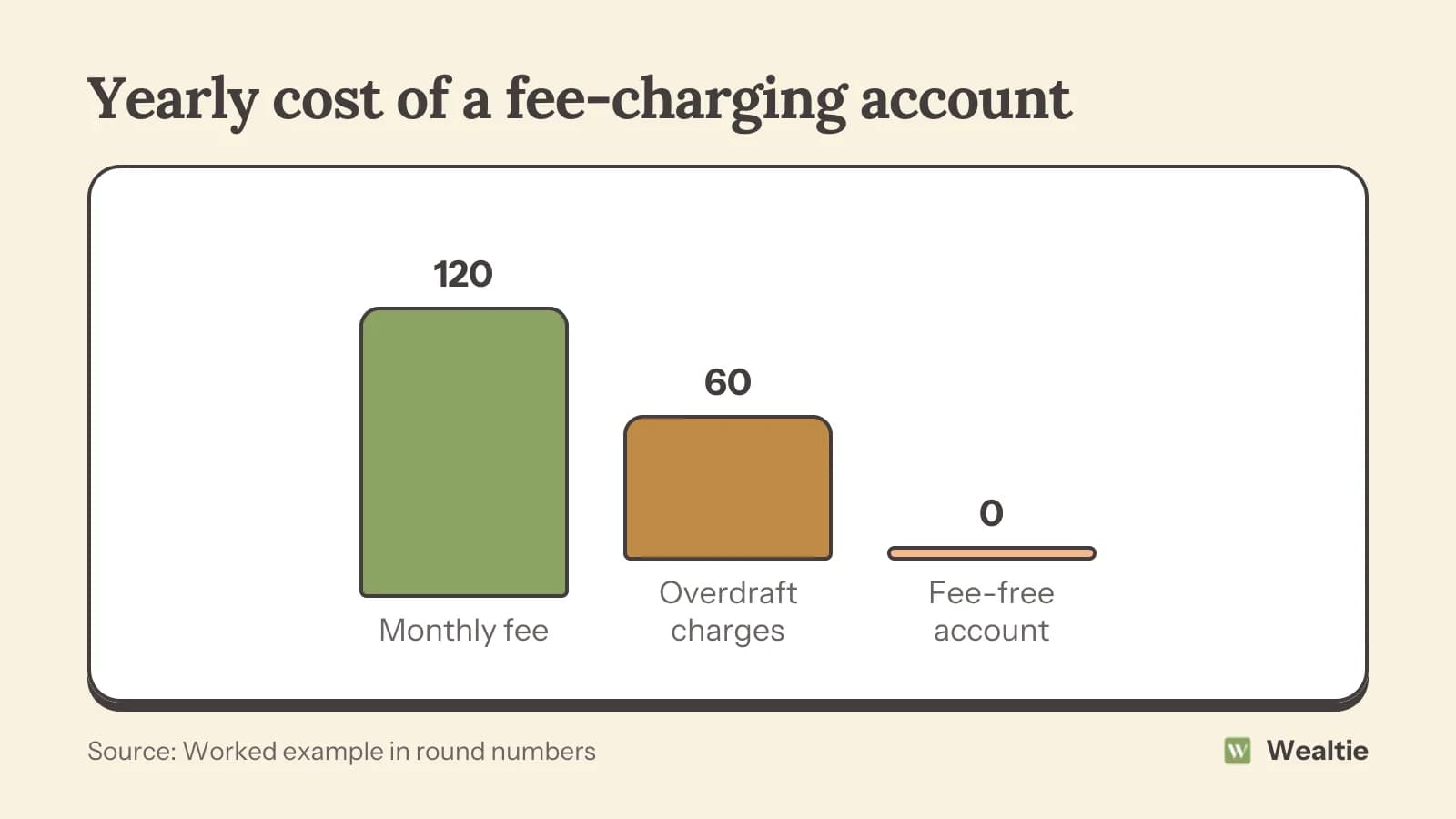
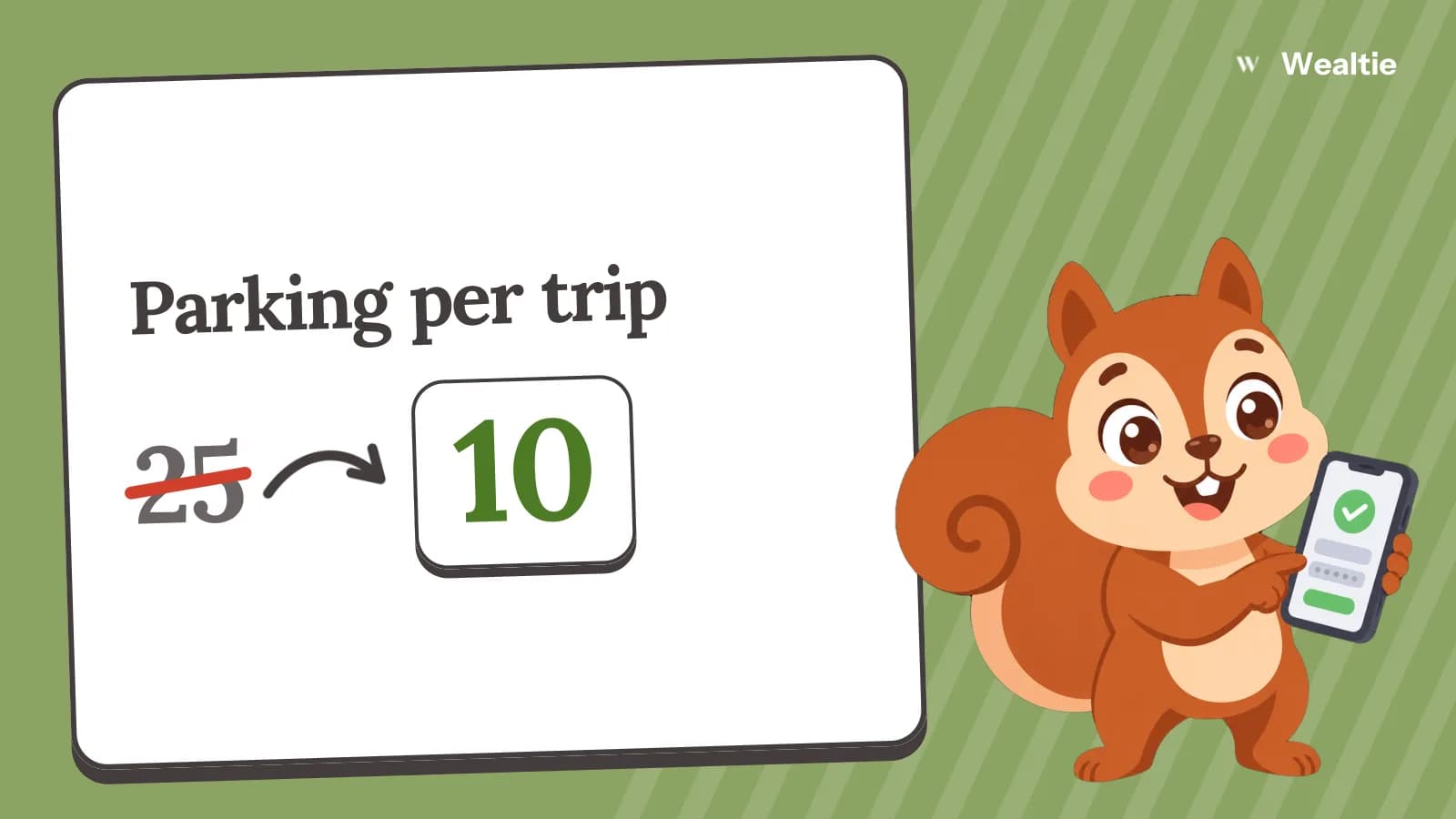
In this example, a 10 monthly fee and occasional overdraft charges cost 180 a year, compared with nothing on a fee-free account. If you use features that come with a paid account, like insurance or perks, compare their value honestly with the fee. How to avoid overdraft fees covers ways to cut those charges too.
What should you check before switching?
Compare more than the headline offer:
- Monthly fees and what they include
- Overdraft limits and charges, if you use an overdraft
- Fees for using your card abroad or withdrawing cash
- How you'll bank: app, online, phone or branch
- Whether savings and other accounts are available
- Any conditions for switching offers, like paying in a set amount each month
Check whether the bank will run a credit check when you apply, since some accounts with overdrafts do. Recent reviews of the bank's app and customer service can tell you a lot about day-to-day use.
How do you switch bank accounts step by step?
Follow a simple order, so nothing is missed.
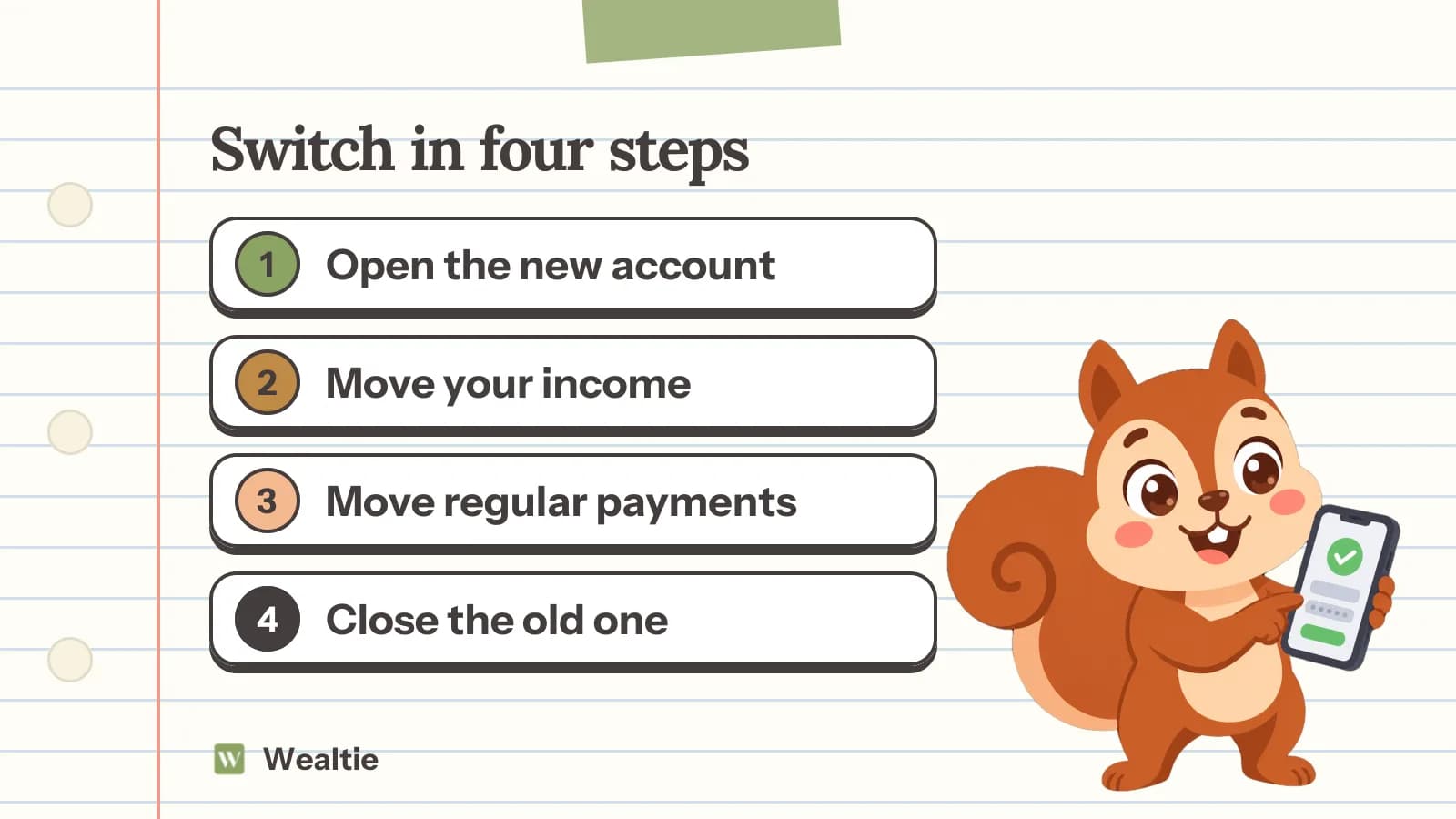
1. Open the new account
Open and set up the new account first, and make sure your card and online banking work. Don't close the old account yet.
2. List every regular payment
Go through the last two or three months of statements on your old account and list everything that comes in and goes out regularly: salary, benefits, rent, bills, subscriptions, loan payments and transfers to savings. Include payments made on your card, like streaming services, since these need updating with your new card details. How to read a bank statement helps you spot every regular item. Annual payments are easy to miss, so check the last twelve months for anything yearly, like insurance or memberships.
3. Move your income
Give your employer and anyone else who pays you the new account details. Check when the change takes effect, so you know which account the next payment will go to.
4. Move regular payments
Update each bill and subscription with your new details, one by one, and tick them off your list. In some countries, a switching service moves regular payments and income for you, and redirects anything still sent to the old account. Check whether one is available where you live.
What should you do with the old account?
Keep it open for a few weeks after you think you've moved everything. Watch for any payments still coming in or going out, and move them as they appear. Once nothing has used it for a full month or two, move any remaining balance and close it.
Keep a final statement for your records, especially if you need it for tax or a mortgage application.
What about savings and other accounts?
You don't have to move everything. Many people keep savings with a different bank from their everyday account, especially if the interest is better. If you have an overdraft on the old account, it needs to be paid off or moved before you can close it. How much to keep in your current account helps you decide how to split money between accounts.
Does switching affect your credit score?
Applying for a new account can involve a credit check, especially if it comes with an overdraft. One application is unlikely to matter much, but avoid applying for several accounts or credit products at once. Closing an old account doesn't usually affect your score unless it had an overdraft or other credit.
How do you keep track while switching in Wealtie?
Add your new bank account as an account in Wealtie and keep the old one until it's closed, updating each balance as you move money across. Your regular payments set up with the bill tracker give you a ready-made checklist of what needs moving. Track spending in your expense categories as usual.
Questions people ask
Open the new account, list every regular payment, move your income and payments one by one, then close the old account once nothing uses it.
A few weeks to a couple of months after switching, until no payments come in or go out.
One application is unlikely to matter much, though accounts with overdrafts may involve a credit check.
No. Many people keep savings with a different bank from their everyday account.
This article is general information, not financial, tax or legal advice. Your situation is your own; check the numbers that apply to you before you act on them.