Income & freelancing: Are paid surveys and reward apps worth it?
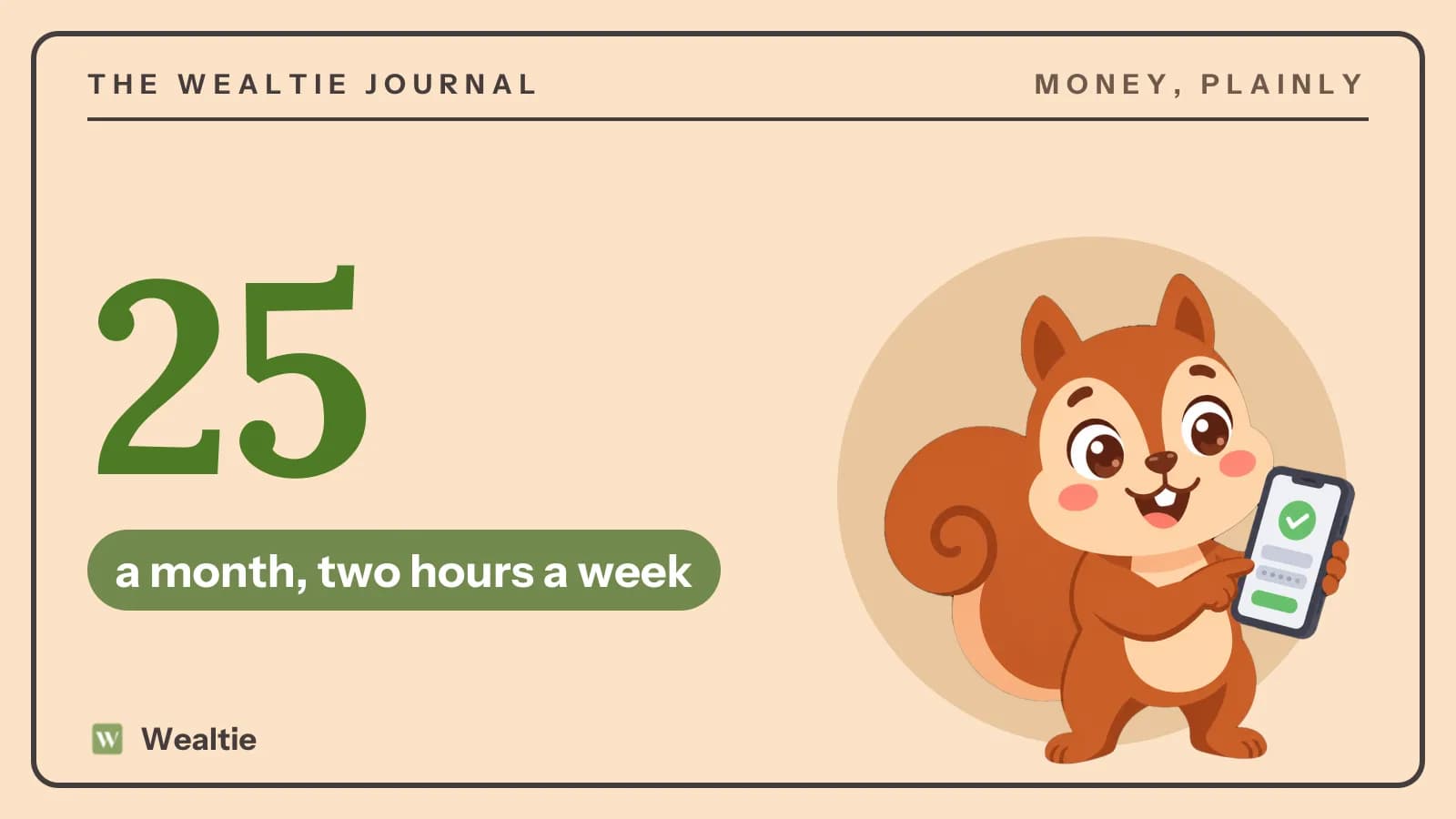
Are paid surveys worth it? They pay small amounts, often a few units an hour, so they suit spare moments rather than serious income, and in a worked example two hours a week earns about 25 a month.
 By Wealtie Team · 3 min read
Key takeaways
- Paid surveys and reward apps pay small amounts and suit spare moments.
- In a worked example, two hours a week earns about 25 a month.
- Never pay to join a survey site, and be wary of requests for bank details.
- Compare the hourly rate with other side income before spending lots of time.
Are paid surveys worth it?
For small amounts of money in spare moments, they can be. Many people use them while commuting or watching TV, when the time would otherwise earn nothing. Paid surveys and reward apps pay you, in cash, vouchers or points, for answering questions, testing products or completing small tasks. They're easy to start and can be done on your phone while waiting or travelling. But the pay is usually low, so they're not a way to earn a meaningful income. Thinking of them as small extras, like a coffee fund, keeps expectations realistic.
The key is knowing what you're earning per hour, and avoiding the scams that use survey offers as bait.
How much do they pay?
Here's a worked example based on earning about 3 an hour, in round numbers that work in any currency:
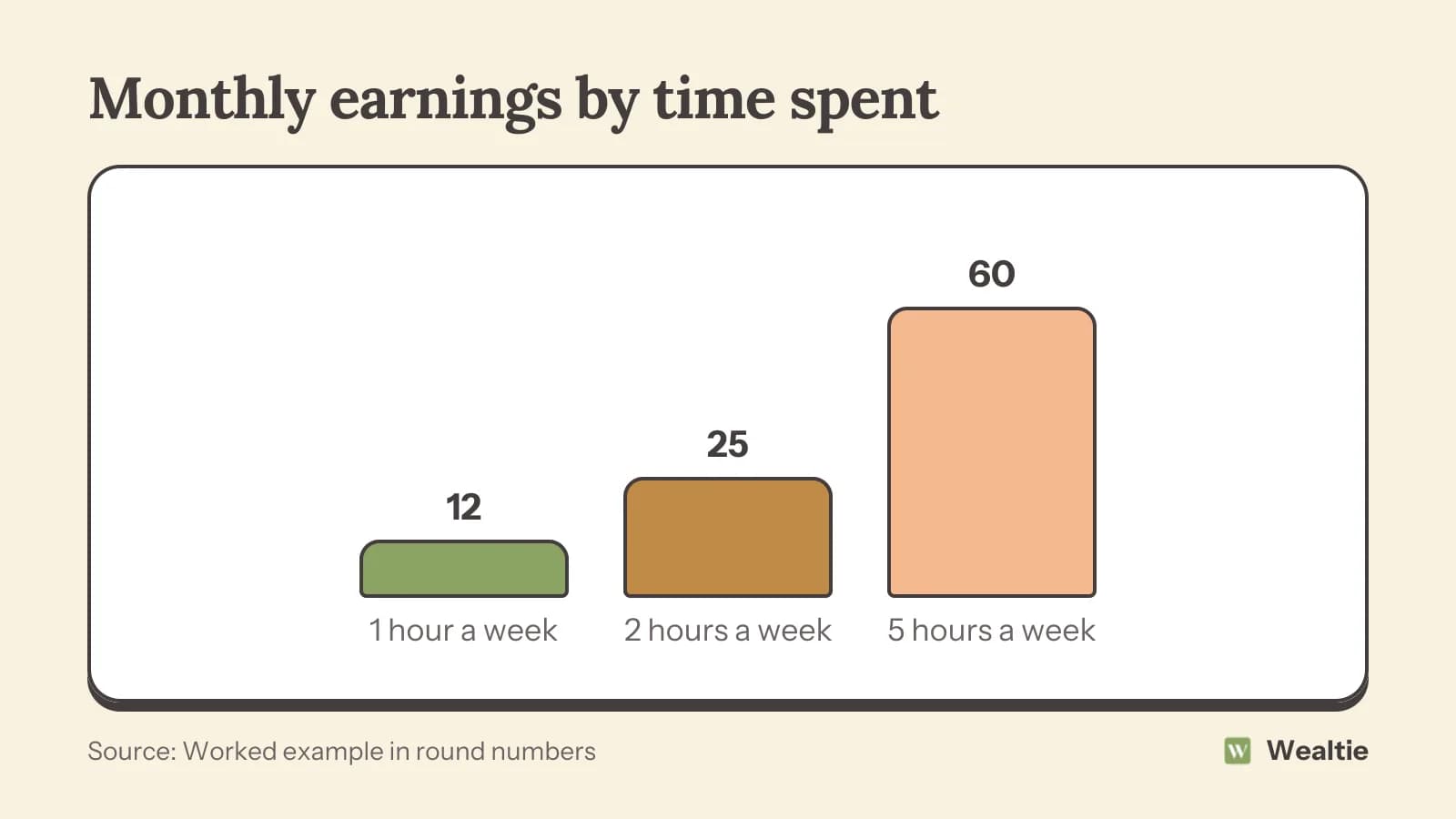
One hour a week earns about 12 a month, two hours about 25 and five hours about 60. Your own earnings depend on the sites you use, how many surveys you qualify for and the payout threshold. Many surveys screen you out after a few questions, which lowers the real hourly rate. Tracking your time for a week shows what you're earning.
What are the downsides?
- Low hourly pay, often well below what other side income pays
- Payout thresholds, where you must reach a minimum before withdrawing
- Disqualifications, where you spend time on a survey and are screened out
- Time drain, since small tasks can eat into evenings
- Data sharing, as sites collect information about you
How do you spot survey scams?
Be cautious of sites or messages that:
- Ask you to pay to join or to reach higher-paying surveys
- Promise large earnings for little effort
- Ask for online banking passwords or card numbers
- Send cheques or payments and ask you to send money back
- Have no clear company information or reviews
Legitimate survey sites are free to join and pay you, not the other way around. If something feels wrong, it probably is. Searching the site's name with the word scam often reveals problems quickly.
Product testing
Some sites offer product testing, where you try items at home and give feedback. You may get to keep the product or receive a small payment. It can be more interesting than surveys, but check that you'd use the products, since free items you don't need aren't a saving.
How do you get the most from survey apps?
Stick to a few well-reviewed sites, complete your profile so you're matched with suitable surveys, and cash out as soon as you reach the threshold. Use them only in spare moments, not as a replacement for better-paid work. Choosing cash or vouchers for things you'd buy anyway, like groceries, gives you real value. Avoid points that can only be spent in a narrow range of shops.
Protect your privacy
Survey sites collect personal information. Use a separate email address for survey accounts, read privacy policies and avoid sharing more than you're comfortable with. Unsubscribing from sites you no longer use keeps your inbox and data under control.
Are there better side incomes?
Often, yes. Selling things you no longer use, freelancing a skill or a part-time job usually pays much more per hour. How to sell things you don't use can bring in more in an afternoon than weeks of surveys. How much should a side hustle make helps you compare options by hourly rate.
Cashback and loyalty rewards
Cashback sites and loyalty schemes can return money on things you already buy, with less time than surveys. Just make sure they don't encourage you to spend more. A reward on something you didn't need is still money spent.
Do you pay tax on survey income?
Small amounts are often below tax thresholds, but rules vary. Keeping a simple record of what you earn makes it easy to check. If you earn regularly from several side incomes, check the rules where you live. How to declare side hustle income covers the general steps.
If you do try surveys, set yourself a limit, like an hour a week, and track what you earn. After a month, you'll know your real hourly rate and can decide whether it's worth carrying on or spending the time on something that pays better.
How do you track survey earnings in Wealtie?
Log survey and app payouts in the income tracker, with their own income category, so you can see what they bring in each month. Comparing that with the hours you spend shows whether they're worth your time, and your expense categories show where the money goes.
Questions people ask
For small amounts in spare moments, yes. In a worked example, two hours a week earns about 25 a month.
Often only a few units per hour, especially after disqualifications.
Legitimate sites are free to join. Avoid sites that ask for payment, banking passwords or promise large earnings.
Selling unused items, freelancing a skill or a part-time job usually pay much more per hour.
This article is general information, not financial, tax or legal advice. Your situation is your own; check the numbers that apply to you before you act on them.