Budgeting: Opportunity cost: how to think about what your money could do instead
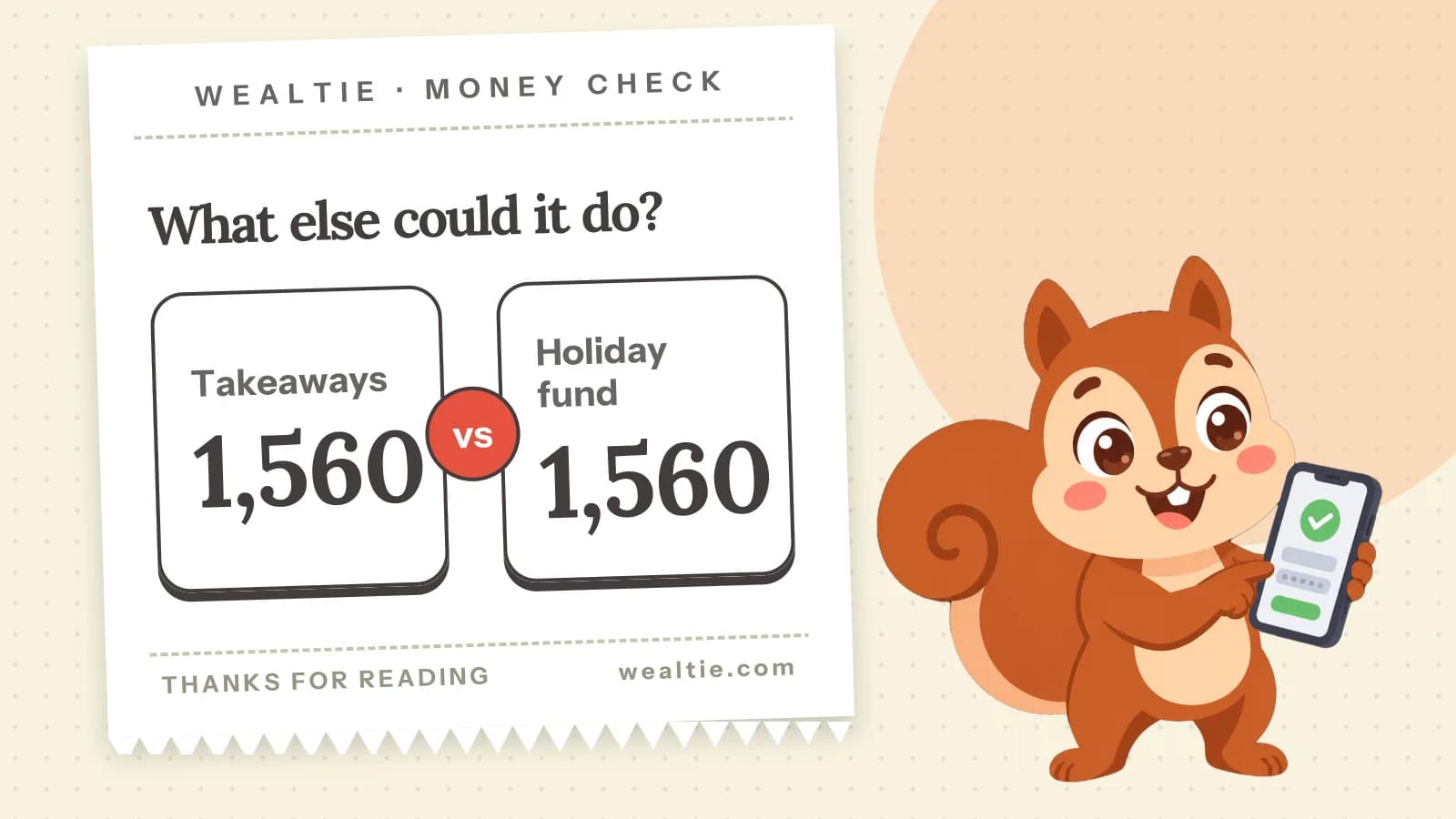
Opportunity cost is what you give up when you choose to spend money one way instead of another. In a worked example, a 30 a week takeaway habit adds up to about 1,560 a year, which could have been a holiday or an emergency fund, and seeing that trade helps you choose on purpose.
 By Wealtie Team · 3 min read
Key takeaways
- Opportunity cost is the value of the next best thing you give up when you spend.
- In a worked example, 30 a week adds up to about 1,560 a year.
- Thinking in trades, like a holiday versus takeaways, makes choices clearer.
- Use it for regular and big spending, not to feel guilty about every small purchase.
What is opportunity cost?
Opportunity cost is what you give up when you make a choice. Every time you spend money on one thing, you can't spend that same money on something else. The opportunity cost is the value of the next best option you didn't choose.
It's an idea from economics, but it's useful in everyday money decisions. It helps you see spending as a trade, not just a price.
What does opportunity cost look like with money?
Here's a worked example in round numbers that work in any currency. Someone spends 30 a week on takeaways.
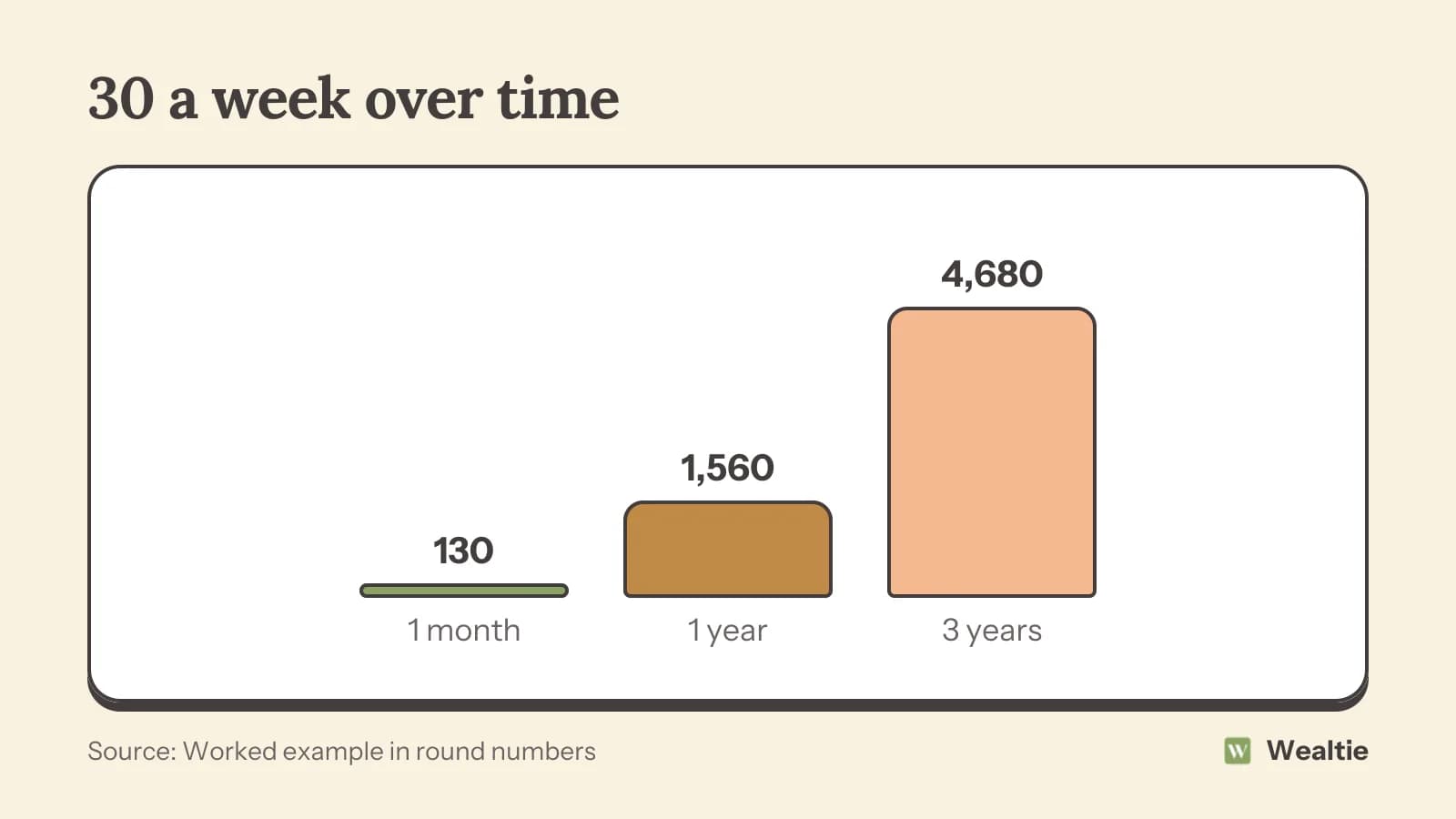
Over a year, that's about 1,560. Over three years, 4,680. The opportunity cost isn't only the money; it's what else the money could have done, like a holiday, a solid start on an emergency fund, or paying off a credit card.
None of this means takeaways are wrong. If they bring real enjoyment, they may be worth it. Opportunity cost just makes the trade visible, so you can decide.
What are everyday examples of opportunity cost?
- Small regular habits, like daily coffee or lunch out, which add up to a holiday or a savings goal over a year
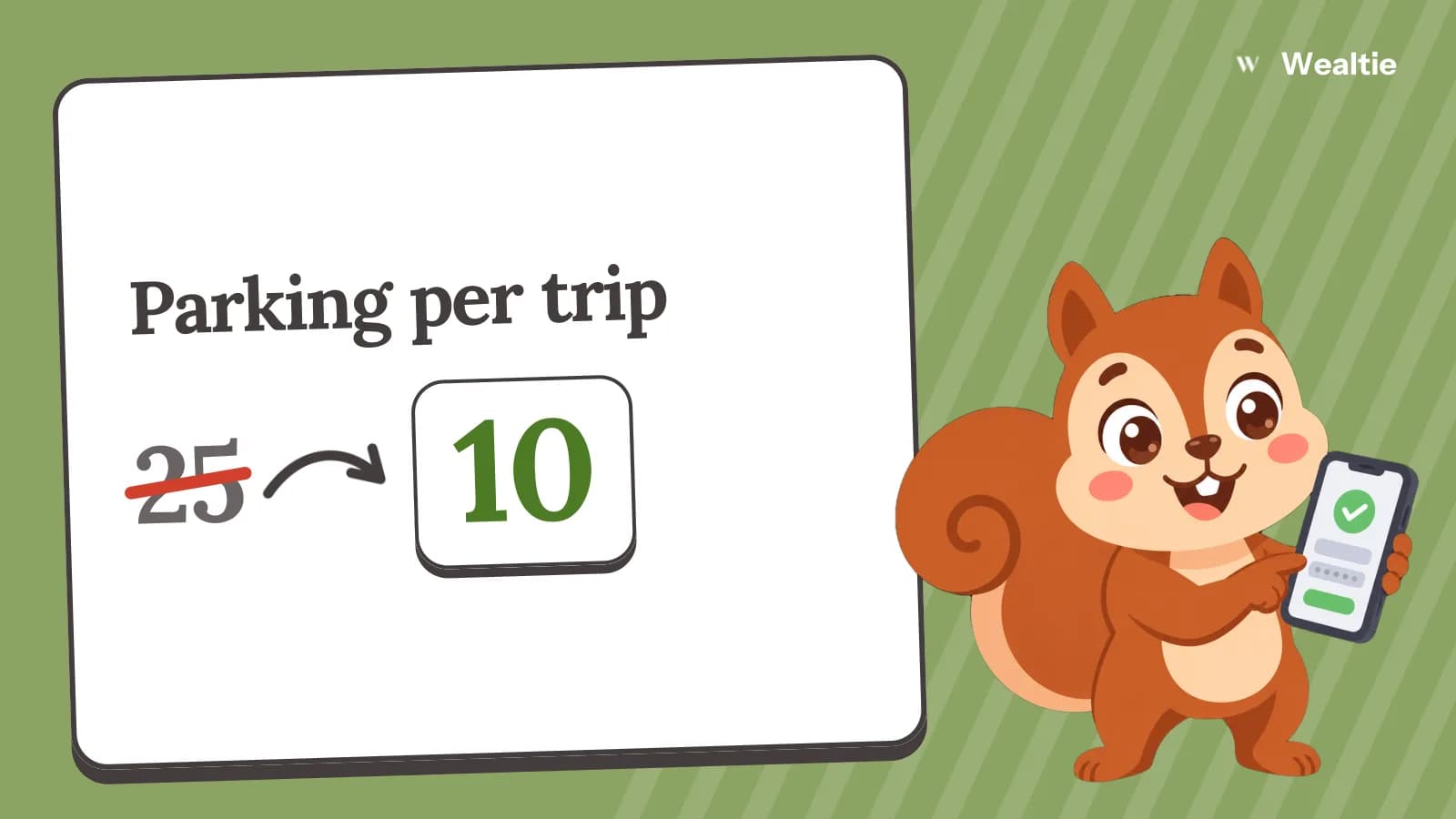
- Buying a new car instead of a used one, where the difference, say 10,000 between a 25,000 new car and a 15,000 used one, could go towards a home deposit or debt
- Paying for convenience, like delivery fees or taxis, instead of saving the money
- Keeping cash in a low-interest account instead of paying off higher-interest debt
- Time, like working extra hours for money versus time with family or rest
Every choice has an opportunity cost, even choosing to save, since saved money isn't being enjoyed now. It applies to free time too: an evening spent shopping is an evening not spent on something else you enjoy.
How do you use opportunity cost in decisions?
Think in trades. Before a bigger or regular purchase, ask: "What else could this money do?" Naming a specific alternative makes it real. "This new phone is the same as two months of my holiday savings" is easier to weigh than "this phone costs a lot".
Some people convert prices into something meaningful to them, like hours of work or days of a goal. If you earn 15 an hour after tax, a 150 purchase is ten hours of work. That can help you decide whether it's worth it to you.
The waiting test
For bigger purchases, write down what you want and what else the money could do, then wait a week. If you still prefer the purchase after seeing the alternative written down, it's probably worth it to you. If the alternative starts to look better, you've learned something about what you value.
Compare against your goals
Opportunity cost is most useful when you have clear goals. If you're saving for something specific, every spending choice becomes a choice between that goal and something else. How to set financial goals helps you decide what you're working towards.
Does opportunity cost apply to saving and investing too?
Yes. Money kept in savings could be used to pay down debt, and money paid into debt can't be saved for an emergency. Choosing between saving and investing involves trade-offs between safety and growth. Should I save or invest covers how to think about those choices.
How do you avoid feeling guilty about every purchase?
Use opportunity cost for the decisions that matter, not every coffee. Thinking about the trade-off for every small purchase can make spending stressful and take the joy out of things you value. Focus on regular habits, which add up over a year, and big purchases, where the trade is large.
Then, once you've set a budget for enjoyment, spend that money freely. You've already weighed the opportunity cost when you made the plan. A budget that includes fun is easier to keep than one that treats every purchase as a sacrifice.
How does opportunity cost help with habits?
Looking at a habit's yearly cost often changes how you feel about it. How much you spend on coffee and how to save money eating out work through common examples. You might keep the habit, trim it or swap it for something you value more. Any of those is fine, as long as it's a choice.
How do you see opportunity cost in Wealtie?
Track spending in your expense categories, so you can see what each habit costs over a month or a year. Add a savings account for each goal, so you can see what you're building towards. A monthly limit in the budget tracker helps you balance enjoyment now with goals later.
Questions people ask
The value of the next best option you give up when you choose to spend money one way instead of another.
Spending 30 a week on takeaways adds up to about 1,560 a year, which could have paid for a holiday or started an emergency fund.
Before big or regular purchases, name a specific alternative the money could go towards, and choose the one you value more.
No. Focus on regular habits and big purchases, and spend your planned enjoyment money freely.
This article is general information, not financial, tax or legal advice. Your situation is your own; check the numbers that apply to you before you act on them.