Income & freelancing: How to negotiate a salary offer
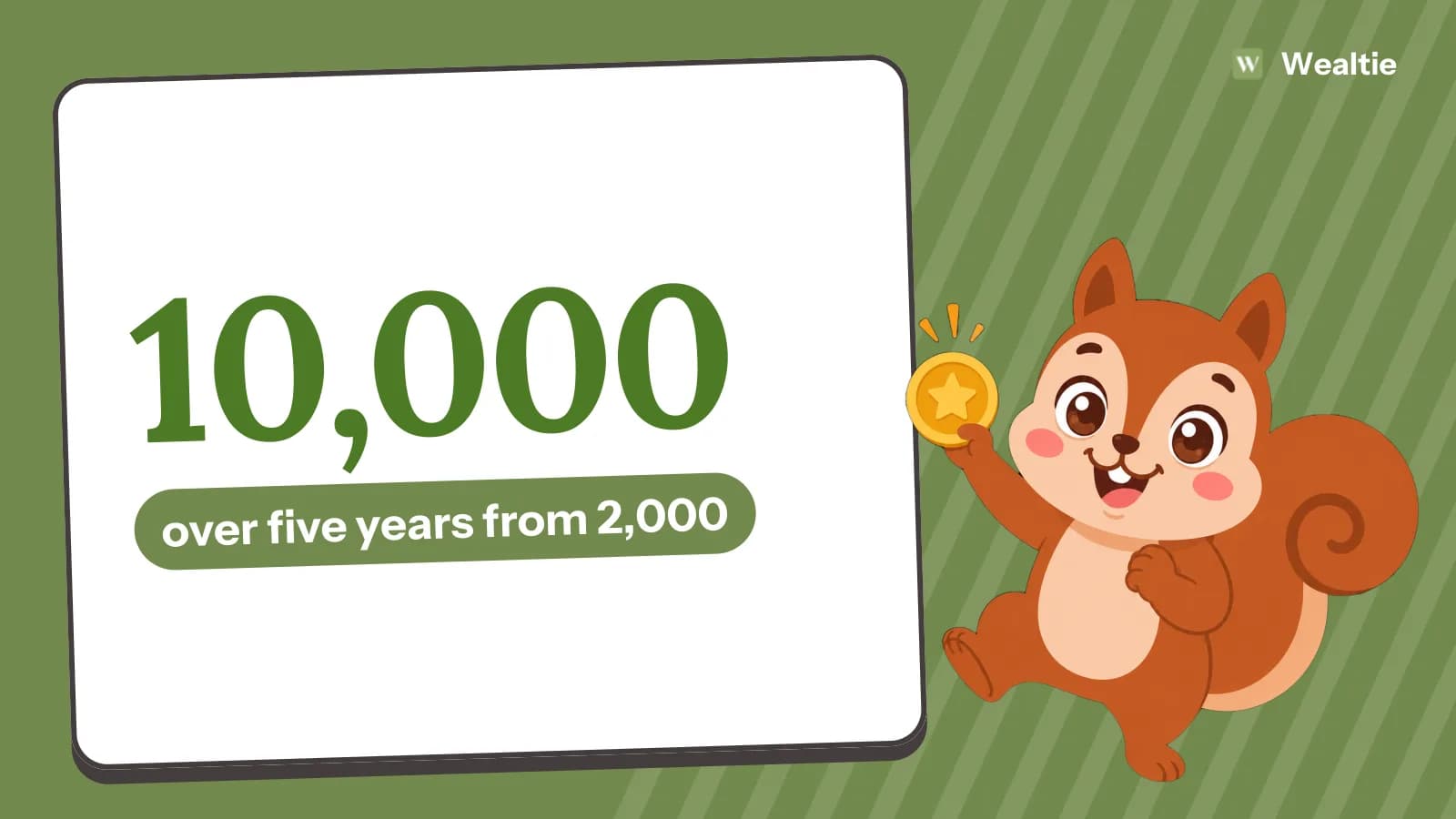
To negotiate a salary offer, research the going rate, decide your number before you talk, ask politely with a reason, and consider benefits if the salary can't move. In a worked example, negotiating 2,000 more a year adds 10,000 over five years, before any future rises.
 By Wealtie Team · 3 min read
Key takeaways
- To negotiate a salary offer, research the going rate and decide your number first.
- In a worked example, 2,000 more a year adds 10,000 over five years, before future rises.
- Ask politely, give a reason and let the employer respond.
- If salary can't move, negotiate benefits, holiday or an early review instead.
Should you negotiate a salary offer?
Usually, yes. Many employers expect some negotiation, and a polite request rarely makes an offer disappear. The worst likely answer is a polite no, which leaves you where you started. The starting salary matters because future rises are often based on it. A small increase now can add up to a large amount over the years. Learning to negotiate a salary offer is one of the most valuable money skills there is. Many people never ask, out of worry, and miss out on money they could have had.
How much is a small increase worth?
Here's a worked example of negotiating 2,000 more a year, before any future rises, in round numbers that work in any currency:
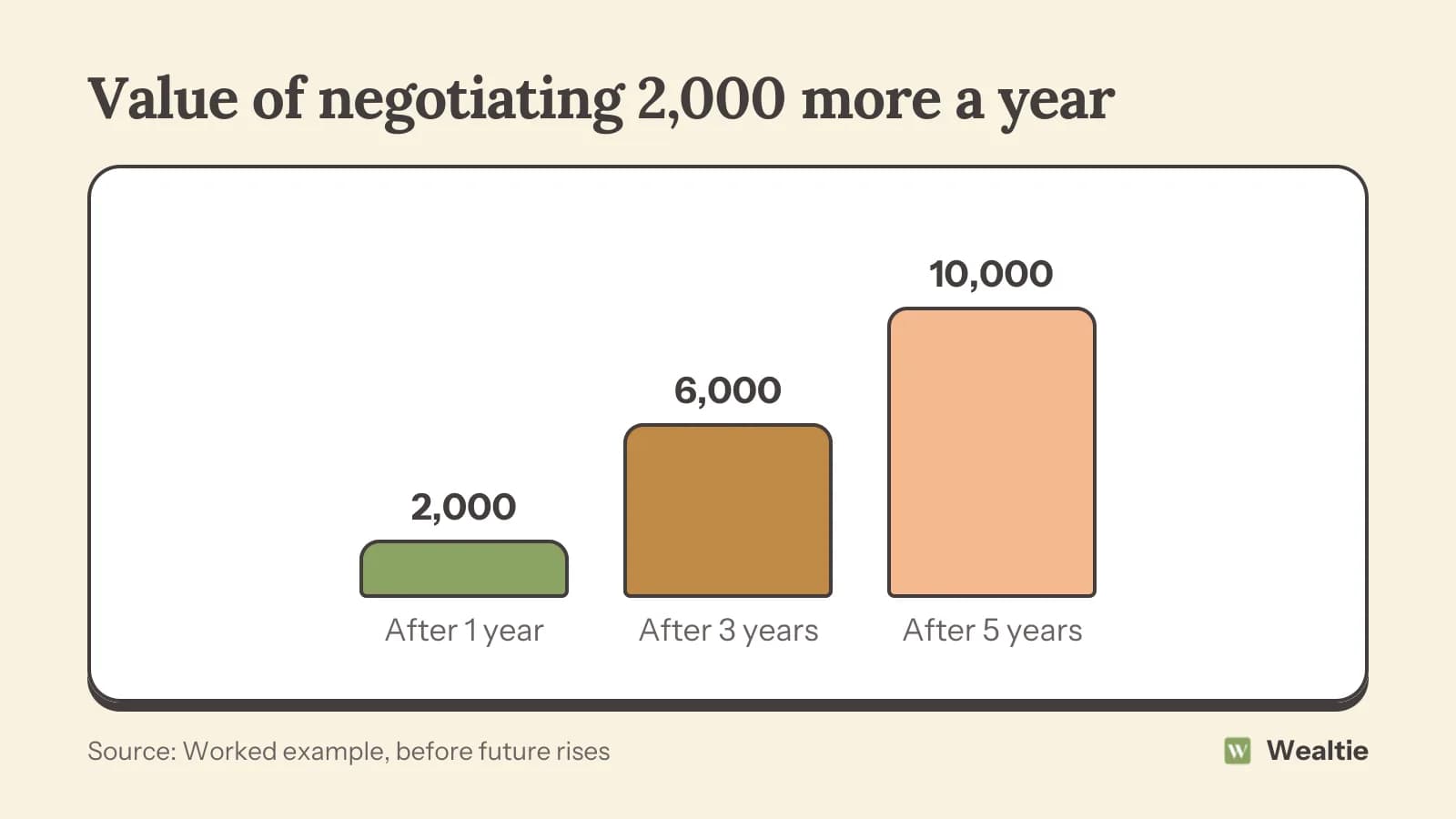
Over five years, that's 10,000 more. If future rises are based on your salary, the gap grows further. A ten-minute conversation can be worth more than many months of careful budgeting. Higher pay can also lift future employer pension contributions, if they're based on salary.
How do you prepare?
Research and decide your number before you talk. Doing this before the offer arrives means you're ready to respond calmly:
- Find the going rate. Look at job adverts, salary surveys and what people in similar roles earn in your area.
- Know your value. List the skills, experience and results you bring.
- Choose your number. Decide the salary you'd like and the lowest you'd accept.
- Look at the whole package. Pension, holiday, flexibility and benefits all have value.
Having a clear number, backed by research, makes the conversation much easier. Practising what you'll say, out loud or with a friend, helps you stay calm.
How do you ask?
Be positive, polite and specific. Thank them for the offer, say you're keen on the role, then ask whether there's flexibility on salary. Give your number and a short reason, like your experience or the going rate for the role. Then stop and let them respond, and listen carefully to what they say. Silence can feel uncomfortable, but it gives the employer time to think.
Asking in writing or on a call
Either works. Writing lets you choose your words carefully. A call can feel more personal and lets you hear their response straight away. Choose what you're comfortable with. Whichever you choose, keep the tone friendly; you'll be working with these people.
What if they say no?
Ask about other parts of the package. If the salary can't move, an employer might offer:
- Extra holiday days
- A higher pension contribution
- Flexible or hybrid working
- A signing bonus
- An earlier salary review, like after six months
- Training or a qualification paid for
Each has a real value, and some cost the employer less than salary, which makes them easier to agree. An earlier review, for example, could bring a rise sooner than waiting a full year. How to negotiate a pay rise covers asking for more once you're in the job. Getting any agreed extras in writing makes sure they happen.
What should you avoid?
Avoid making demands, inventing other offers or apologising for asking. Keep the focus on the value you'll bring, rather than on what you need the money for. Don't accept on the spot if you'd like time to think; it's normal to ask for a day or two. And don't negotiate if you're not prepared to accept a reasonable outcome, since the aim is to agree, not to win. Most employers respect a candidate who negotiates politely and knows their value.
How do you check the final offer?
Get it in writing, with the salary, start date, pension, holiday and any agreed extras. Read it carefully before you sign, and check that everything you discussed is included. Check what the salary means as take-home pay, since that's what you'll budget with. A higher salary can move you into a different tax band, so the take-home increase may be smaller than the headline. Gross vs net income explains the difference. If you're self-employed, how to set your freelance rate covers negotiating rates with clients.
Plan the extra money
Decide in advance what any increase will go towards, like an emergency fund, retirement or paying off a card. Planning it before your first pay stops it quietly turning into extra spending.
How do you track a new salary in Wealtie?
Log your new take-home pay in the income tracker and update your monthly income goal. Track spending in your expense categories, and give the extra money a job, like savings or paying down debt, before it disappears into everyday spending.
Questions people ask
Usually, yes. Many employers expect some negotiation, and a polite request rarely makes an offer disappear.
A number backed by research into the going rate and your experience, with a minimum you'd accept in mind.
Ask about extra holiday, pension, flexibility, a signing bonus or an earlier salary review.
In a worked example, 2,000 more a year adds 10,000 over five years, before future rises.
This article is general information, not financial, tax or legal advice. Your situation is your own; check the numbers that apply to you before you act on them.