Multi-currency & travel: House sitting: how to travel for less by looking after homes
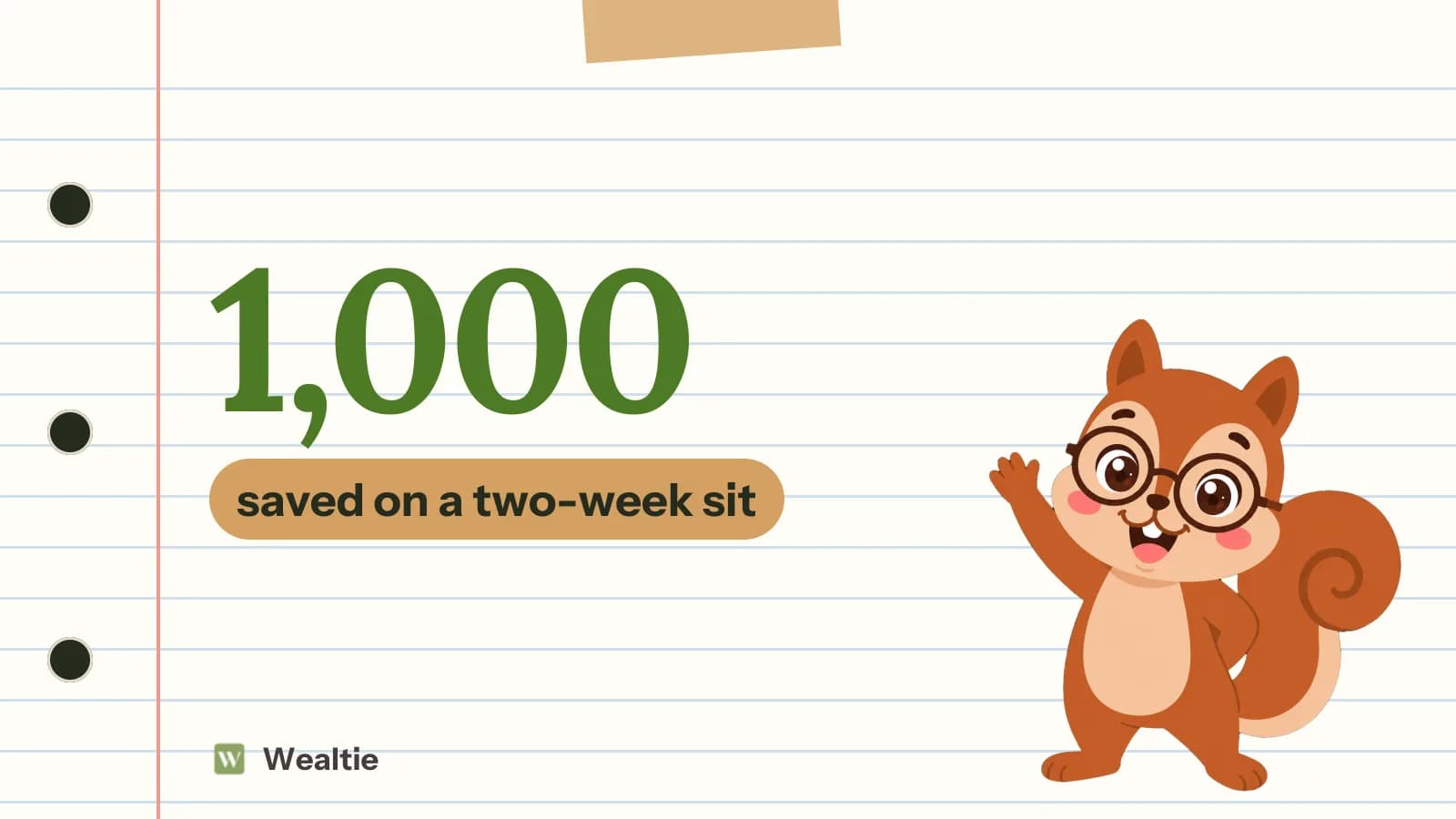
House sitting means staying in someone's home for free while you look after it, and often their pets, while they're away. In a worked example, a two-week house sit saves about 1,000 on accommodation, after membership and travel.
 By Wealtie Team · 3 min read
Key takeaways
- House sitting means free accommodation in return for looking after a home and pets.
- In a worked example, a two-week house sit saves about 1,000.
- Most sits come through membership sites that charge a yearly fee.
- It suits flexible, reliable people who love animals.
What is house sitting?
House sitting is an arrangement where you stay in someone's home while they're away, looking after the house and usually their pets. In return, you get free accommodation. Homeowners get peace of mind and avoid paying for kennels or a pet sitter, and you get to stay somewhere new without paying for a hotel or rental. Sits can last from a weekend to several months, in cities, villages and countryside homes around the world.
It's a swap, not a job. Most house sits are unpaid, and the value comes from the free place to stay.
Many house sitters say the best part isn't the saving but living like a local. You shop in neighbourhood markets, walk the dog through parks tourists never see and get to know a place slowly. For people who work remotely, a long sit can be a chance to spend weeks somewhere new for little more than the cost of staying home. It can also be a gentle way to try out a place you're thinking of moving to, without paying for a long rental first.
How much can house sitting save?
Here's a worked example of two weeks away, comparing a holiday rental with a house sit, in round numbers that work in any currency:
| Option | Cost |
|---|---|
| Holiday rental | 1,400 |
| House sit | 400 |
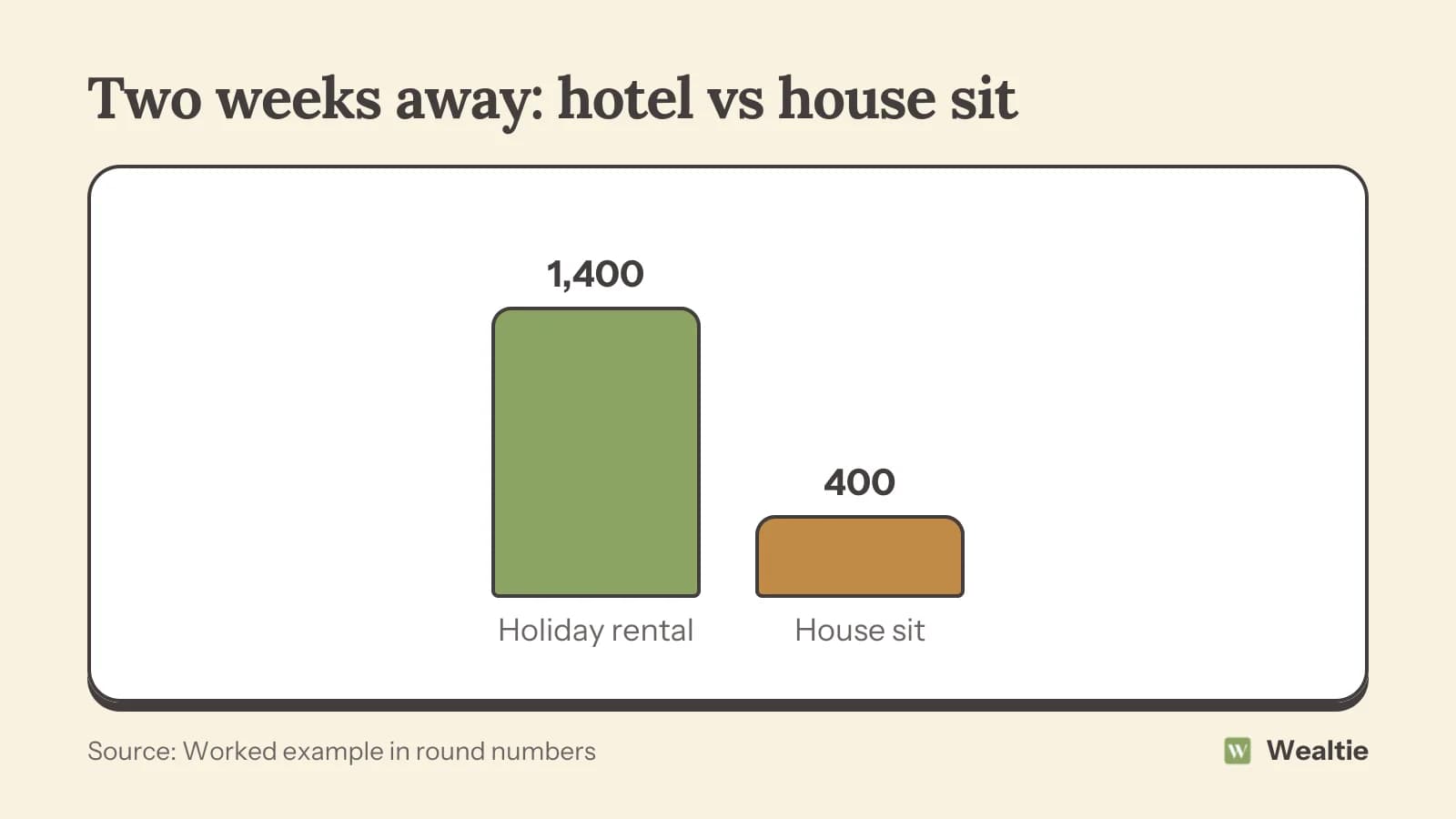
The holiday rental is 100 a night. The house sit figure includes a yearly membership of 150 on a house-sitting site and 250 for travel and getting around. Food costs are similar either way, since you'd buy groceries in both cases. That's about 1,000 saved on one trip, and more if you do several sits a year, since the membership covers them all.
How does house sitting work?
Join a house-sitting site
Most house sits are found through membership websites that connect homeowners and sitters. Sitters pay a yearly fee, and the sites usually offer reviews, identity checks and support if something goes wrong.
Build a profile
Homeowners choose sitters they trust, so a good profile matters. Include a friendly photo, your experience with pets and homes, and references from people who know you. Your first sits might be closer to home while you build reviews.
Apply for sits
Browse listings and apply for sits that fit your dates and skills. Popular locations get many applications, so apply early and explain why you're a good fit.
Agree the details
Before the sit, agree what's expected: pet care, plants, post, cleaning and whether you can have visitors. A video call helps both sides feel comfortable.
What does house sitting cost?
The main costs are the membership fee, travel to and from the sit and your food. Some sits are in remote places where you'll need a car. Homeowners usually provide pet food and cover household bills, but agree this upfront. Budget for any travel insurance too. Is travel insurance worth it? covers what to look for.
Who is house sitting good for?
House sitting suits people who are flexible with dates, reliable and happy to look after animals. Retirees, remote workers and slow travellers often love it, since they can take longer sits. It's harder if you need to travel on fixed dates, like school holidays, since sits depend on when homeowners are away. You'll also spend part of each day on pet care, which means less freedom than a normal holiday. Dogs need walking, and some pets need medicine at set times.
Is house sitting the same as pet sitting?
They overlap, but paid pet sitting is a job, while house sitting is usually an unpaid swap for accommodation. If you'd like to earn from caring for pets at home, pet sitting income covers how.
How do you make house sitting work for your budget?
Use the savings on accommodation to stretch your travel budget or travel more often. Keep a simple budget for food, transport and outings during each sit. The solo travel budget and how to save money on holiday rentals cover other ways to cut the cost of travelling, and how to save for a vacation covers saving for the trips themselves.
How do you track house-sitting trips in Wealtie?
Add a travel category to your expense categories and set a budget for each trip, so you can see how much the sit saved compared with paying for a place to stay. If the sit is abroad, log costs in the local currency and Wealtie converts them with multi-currency support.
Questions people ask
House sitting is staying in someone's home for free while you look after it, and often their pets, while they're away.
In a worked example, a two-week house sit saves about 1,000 compared with a holiday rental, after membership and travel costs.
Usually not. Most house sits are an unpaid swap of free accommodation for looking after the home and pets.
Most are found through membership websites that connect homeowners and sitters, with reviews and identity checks.
This article is general information, not financial, tax or legal advice. Your situation is your own; check the numbers that apply to you before you act on them.