Multi-currency & travel: Is travel insurance worth it? When you need it and what to check
Is travel insurance worth it? Usually, for trips abroad, because medical bills and cancellations can cost far more than the policy, though it's worth checking what your bank or card already covers before you buy.
 By Wealtie Team · 3 min read
Key takeaways
- Travel insurance is usually worth it for trips abroad, because medical bills and cancellations can be very expensive.
- Check whether your bank account, credit card or employer already includes travel cover.
- Buy it when you book, so cancellation is covered from the start.
- An annual policy can cost less than single-trip cover if you travel several times a year.
Is travel insurance worth it?
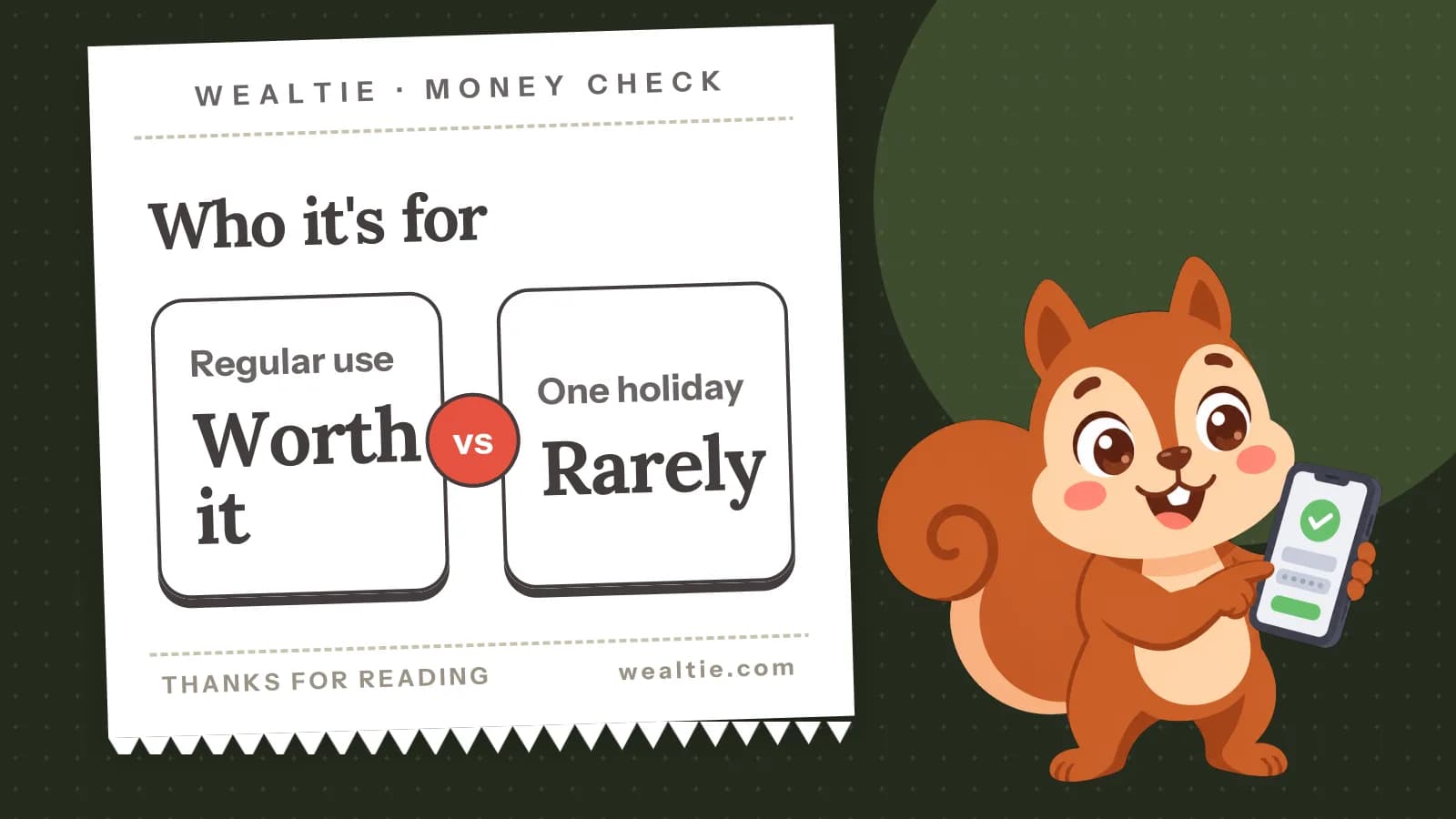
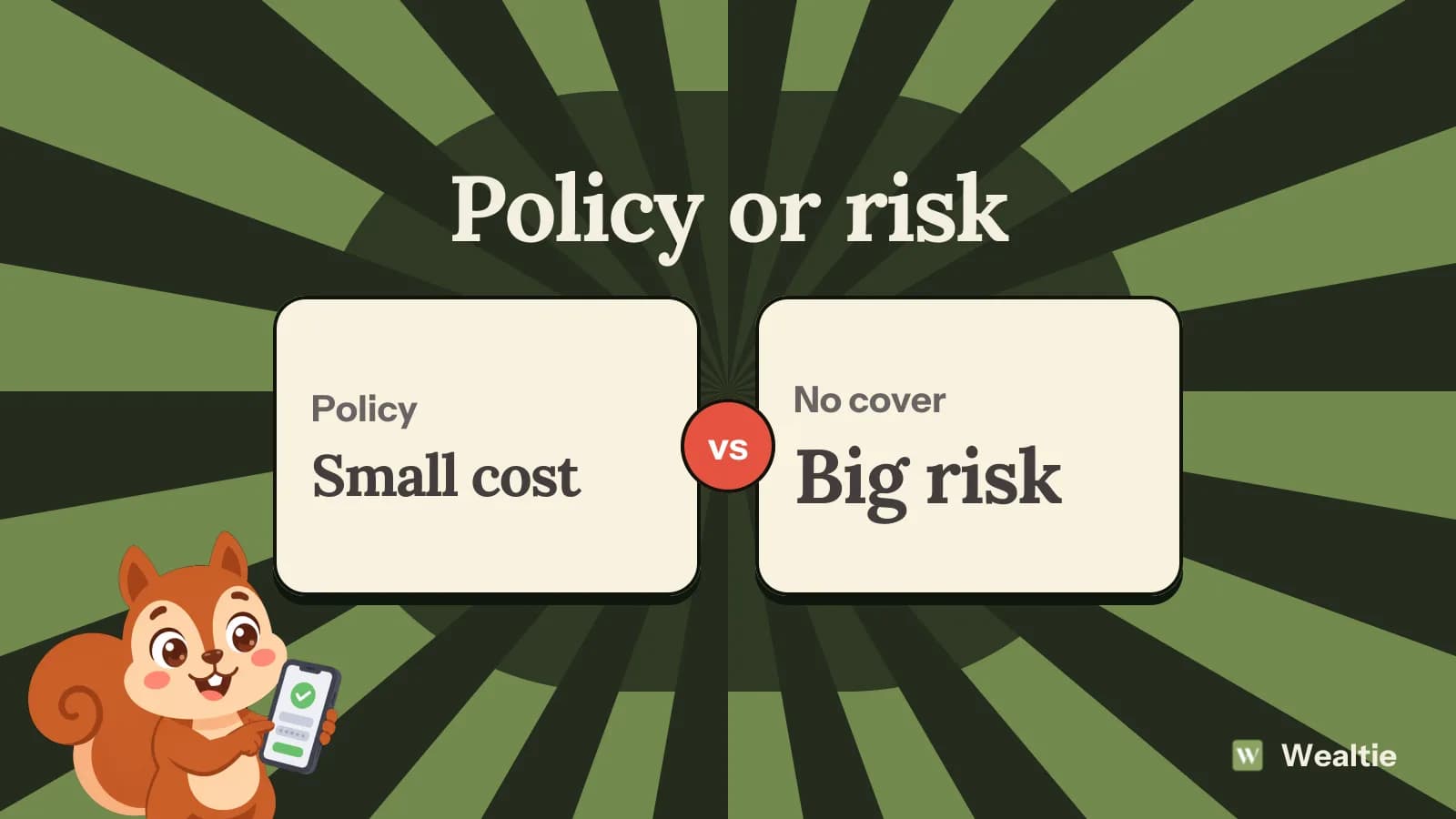
For most trips abroad, yes. The main reasons are medical costs and cancellations. A hospital stay abroad can cost a huge amount without cover, and a cancelled trip can mean losing everything you've paid. A policy usually costs a small fraction of either. It also covers smaller problems that can still be expensive, like a missed connection or lost luggage.
For short trips within your own country, it's less important, since your normal healthcare applies. For a long trip, a trip with expensive bookings, or travel to somewhere with high medical costs, it matters even more, and the policy is a small part of the total cost. Cancellation cover might still be worth it if you've paid a lot upfront.
What does travel insurance cover?
Policies vary, but the main parts are:
- Medical costs abroad, including emergency treatment and getting you home if needed
- Cancellation, if you can't travel for a covered reason like illness
- Missed or delayed travel
- Lost, stolen or damaged belongings and money
- Personal liability, if you injure someone or damage property
Medical cover is the most important part. Make sure it's high enough for where you're going, and check that it includes getting you home, which can be very expensive without cover.
What might you already have?
Check before buying:
- Some bank accounts include travel insurance as a benefit
- Some credit cards offer travel cover if you book with them
- Your employer might cover work trips
- Home insurance sometimes covers belongings away from home
Read the terms of anything you already have, and keep the policy details on your phone when you travel. It may have limits, exclusions or age caps that don't suit your trip. Some countries have reciprocal healthcare arrangements, but these usually don't cover everything, like getting you home, so they're not a replacement for insurance.
When should you buy it?
When you book the trip. Cancellation cover protects you from the moment the policy starts, so if you buy it the week before you travel, you're not covered for anything that happened before that. Buying early means you're protected if something comes up months in advance. Keep receipts for bookings, since you'll need them for any claim.
Single trip or annual policy?
If you travel several times a year, an annual policy often costs less than buying single-trip cover each time. Check the maximum length of each trip it covers, and whether it includes the destinations you'll visit. One trip a year is usually cheaper with a single-trip policy. Some annual policies also cover trips within your own country, which helps if you book stays away from home.
What should you check before buying?
The exclusions and limits:
- Activities: many policies exclude winter sports, diving or adventure activities unless you add them
- Pre-existing medical conditions: you'll usually need to declare these, and not doing so can void the policy
- Excess: how much you pay towards each claim
- Limits on belongings: single-item limits might be too low for expensive gadgets
- Destination: some policies charge more for certain regions
Check whether the policy covers trips you've already booked, and which cancellation reasons are listed, since changing your mind usually isn't one. Be honest on the application. A claim can be refused if information was wrong or left out.
How do you keep the cost down?
Compare policies for the same cover, not just the price. Comparison sites help, but read the key details of the policy itself before you buy, since two policies at the same price can cover very different things. Choose a sensible excess, avoid paying for cover you already have, and consider an annual policy if you travel often. Don't strip out medical cover to save money; that's the part you need most. Older travellers and people with medical conditions may find specialist insurers offer better terms.
If something goes wrong, contact the insurer's emergency line before arranging treatment where you can, keep every receipt, and get written reports for thefts or delays.
Travel insurance sits alongside the few core policies most people need, like contents cover at home. How to budget for a trip abroad has a line for it in its worked example.
How do you track travel insurance in Wealtie?
If you buy an annual policy, set it up as a yearly recurring transaction with the bill tracker, so the renewal doesn't catch you out. Single-trip policies can go in your Travel category, so your expense categories show the trip's full cost.
Questions people ask
For most trips abroad, yes, because medical costs and cancellations can be very expensive. Check whether your bank, card or employer already provides cover.
When you book the trip, so cancellation is covered from the start.
Often, if you travel several times a year. Check the maximum trip length and destinations covered.
It varies, but common exclusions include winter sports and adventure activities without an add-on, and undeclared medical conditions.
This article is general information, not financial, tax or legal advice. Your situation is your own; check the numbers that apply to you before you act on them.