Budgeting: The cost of owning a caravan: yearly running costs
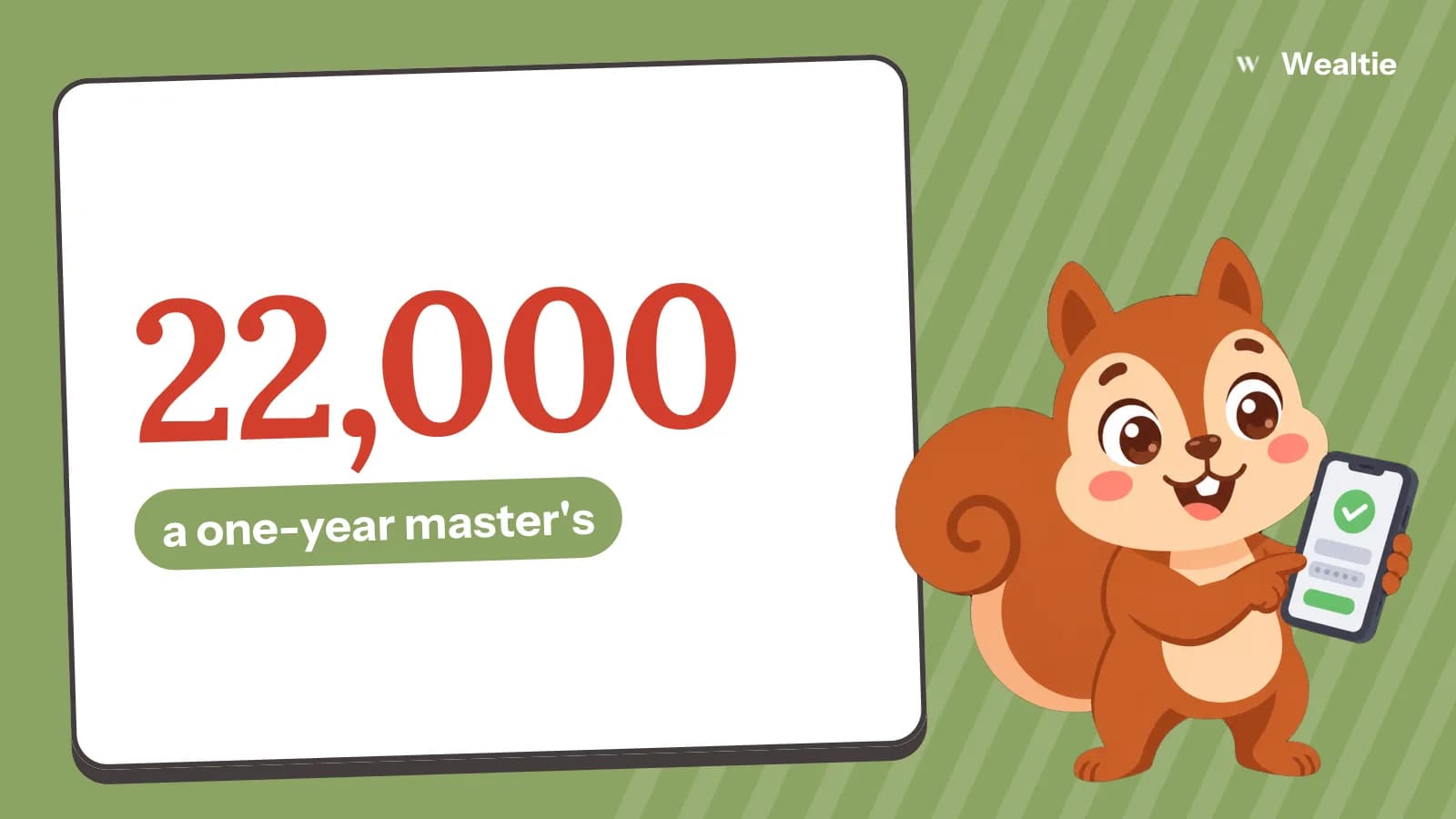
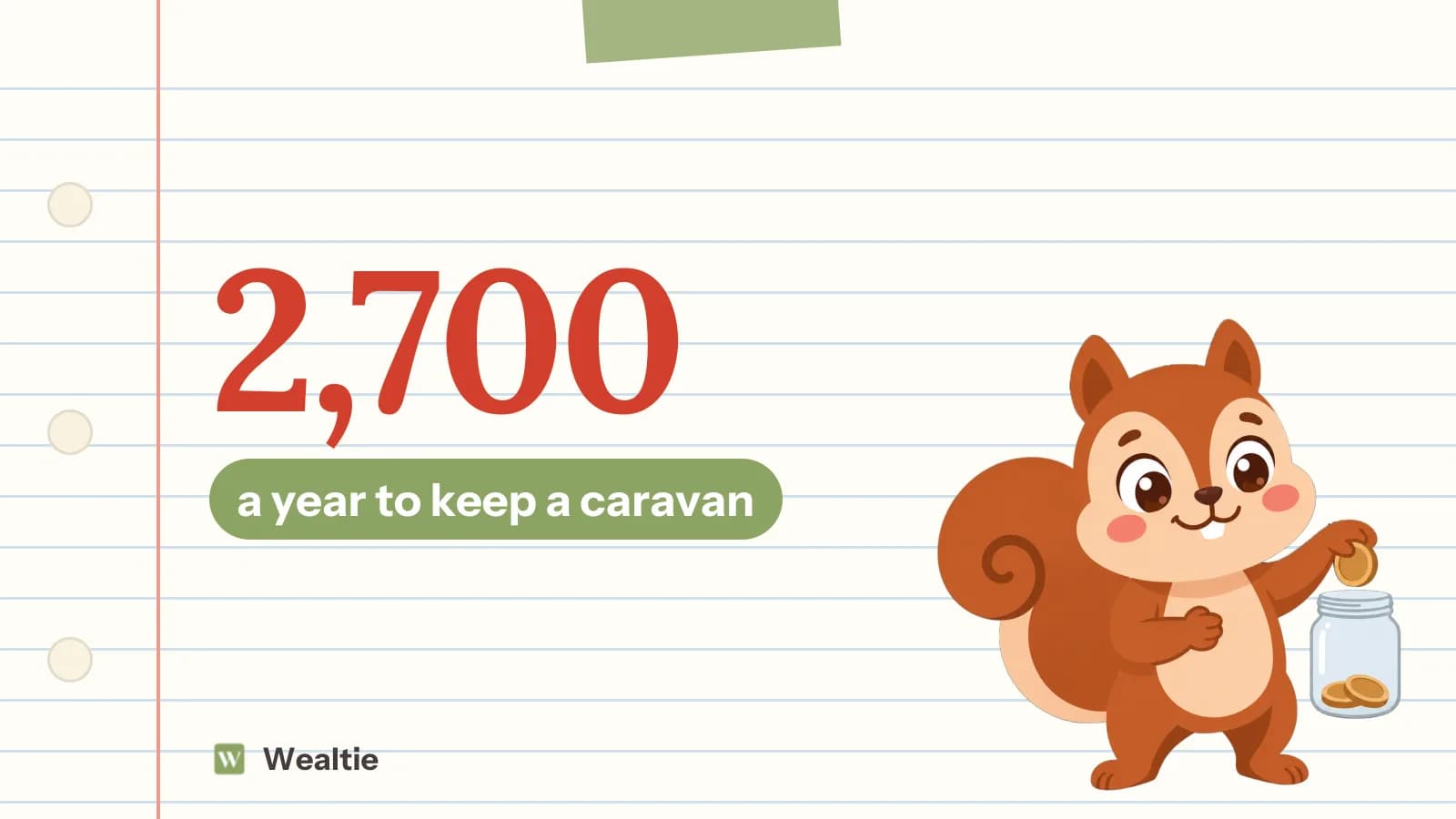
The cost of owning a caravan goes beyond the purchase, with storage, insurance, servicing and site fees every year. In a worked example, a caravan costs 2,700 a year to keep and use, before towing fuel.
 By Wealtie Team · 3 min read
Key takeaways
- The cost of owning a caravan includes storage, insurance, servicing and site fees.
- Caravans lose value over time, which is a hidden cost.
- Owning beats renting only if you holiday often.
- Your car must be able to tow it safely and legally.
What is the cost of owning a caravan?
A caravan gives you a holiday home you can take almost anywhere, and many families love the freedom of packing up and heading off for a weekend or a few weeks. But the cost of owning a caravan doesn't stop when you buy it. Storage, insurance, servicing, site fees and gear add up every year, and the caravan slowly loses value too.
In round numbers that work in any currency, a good used caravan might cost around 10,000 to buy. Here's a worked example of the yearly costs of keeping and using it:
| Yearly cost | Amount |
|---|---|
| Site fees, 4 weeks a year | 1,000 |
| Storage | 600 |
| Insurance | 400 |
| Servicing and repairs | 400 |
| Gas, gear and extras | 300 |
| Total | 2,700 |
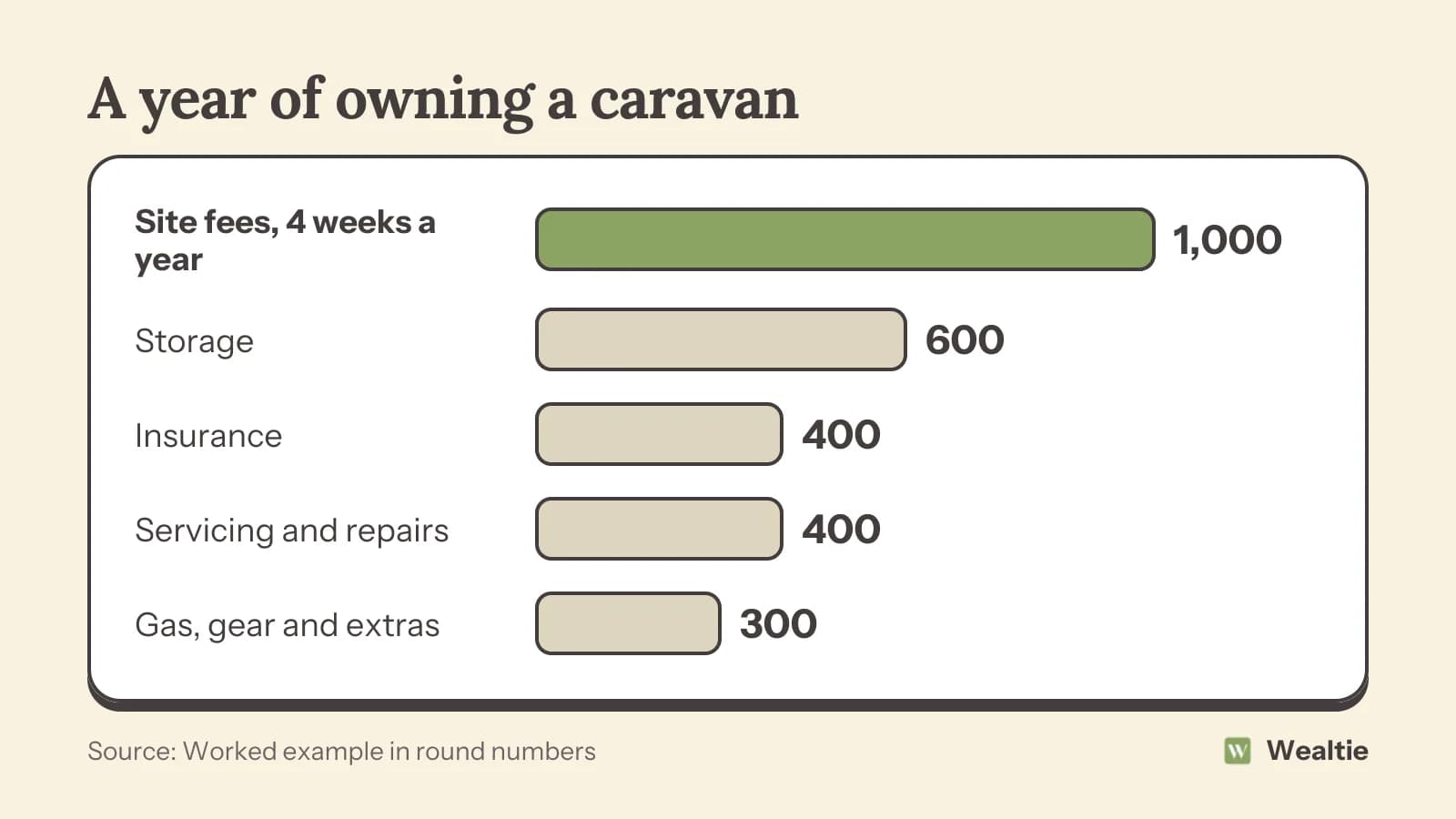
That's 2,700 a year before towing fuel and depreciation. If the caravan loses around 600 in value each year, the true yearly cost is closer to 3,300. Costs vary by caravan size, where you store it and the sites you choose.
What are the main costs?
Buying the caravan
New caravans are expensive and lose value quickly in the first few years. A good used caravan is often better value. Have it checked for damp, which is a common and costly problem.
Storage
If you can't keep it at home, secure storage costs money every month. Some sites offer storage, and some homes have rules against parking caravans on driveways.
Insurance
Caravan insurance covers damage, theft and sometimes contents. Prices depend on value, security and where it's stored.
Servicing
A yearly service checks the brakes, tyres, gas, electrics and damp. Skipping it can lead to expensive repairs and may affect insurance or warranties.
Site fees
Campsites and caravan parks charge per night, with higher prices in summer and school holidays. Clubs often offer discounts to members.
Towing costs
Towing increases fuel use. Your car must be able to tow the caravan's weight, and in some places you may need a particular driving licence for heavier combinations. Check the rules before buying.
Is a caravan cheaper than holiday rentals?
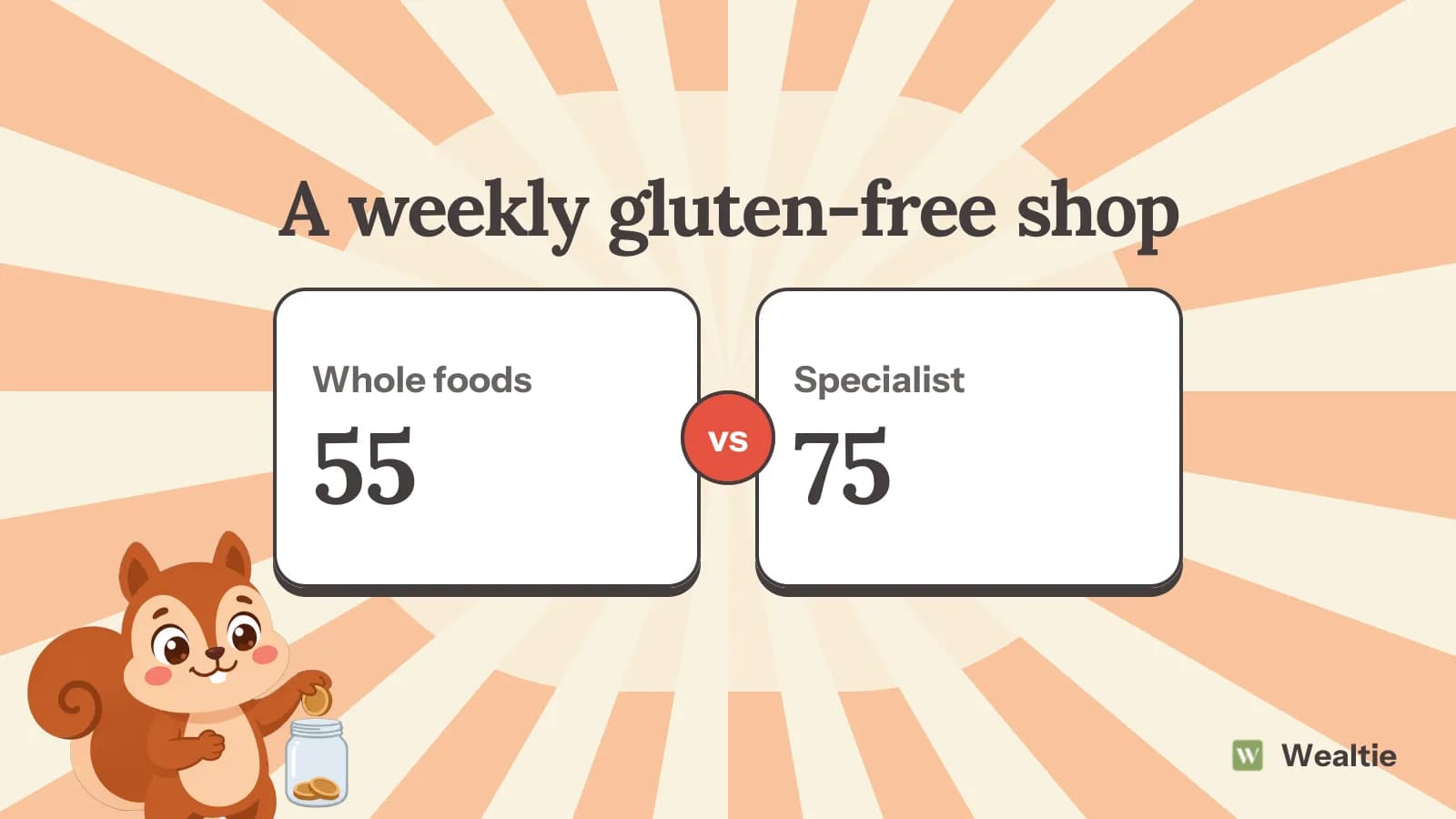
If renting a holiday cottage or lodge costs around 700 a week, four weeks a year costs 2,800. Owning a caravan costs about the same or more once you count depreciation and fuel. Owning becomes better value when you go away often, like many weekends a year as well as longer holidays. If you only go away once or twice a year, renting may be cheaper and easier. How to save money on holiday rentals covers finding good deals.
How do you keep caravan costs down?
Buy used and check carefully
A well-kept used caravan avoids the steepest depreciation. Pay for an independent inspection if you're unsure.
Store at home if allowed
Keeping the caravan on your own property saves storage fees, as long as it's secure and permitted.
Join a caravan club
Club memberships often include discounts on sites, insurance and advice.
Travel off-peak
Site fees drop outside school holidays and summer weekends.
Cook on site
Eating in the caravan instead of eating out keeps holiday spending low. How to plan a staycation budget has more ideas for holidays close to home.
Should you try before you buy?
Renting a caravan for a holiday, or staying in a static caravan at a park, lets you test the lifestyle before committing. You'll see whether you enjoy towing, setting up and caravan life. How to plan a camping trip budget covers another low-cost way to try holidays outdoors.
How do you budget for it?
Add up the yearly costs and divide by twelve to get a monthly amount, then save it in a separate pot. A sinking fund for repairs and replacement tyres means a big bill doesn't spoil the season.
Think about how you'll use the caravan over the next few years. Families with young children often get a lot of use from a caravan during school holidays, while couples may prefer the flexibility of short weekend trips. If your plans are likely to change, like children growing up or a move to a home without space to park it, factor that into the decision. Selling a caravan is usually straightforward, but you'll rarely get back what you paid.
Some families share a caravan with relatives or friends, splitting the costs and the weeks. It can work well with a clear written agreement about who pays for what, who uses it when and how repairs are handled.
Finally, keep a simple log of each trip, including site fees and fuel. It shows the real cost per night and helps you decide whether owning is still the right choice.
How can Wealtie help you track caravan costs?
Log storage, insurance, servicing and site fees in a caravan expense category, and add regular costs like storage as recurring transactions. After a year, you'll know exactly what your caravan costs and whether it's better value than renting.
Questions people ask
In a worked example, a caravan cost about 2,700 a year in site fees, storage, insurance, servicing and extras, before fuel and depreciation.
Only if you go away often. In a worked example, four weeks of holiday rentals cost about the same as a year of caravan costs.
Yes. New caravans lose value quickly in the first few years, which is why many people buy used.
No. Your car must be able to tow the caravan's weight, and some licences limit what you can tow. Check before buying.
This article is general information, not financial, tax or legal advice. Your situation is your own; check the numbers that apply to you before you act on them.