Budgeting: How to budget with student loan repayments
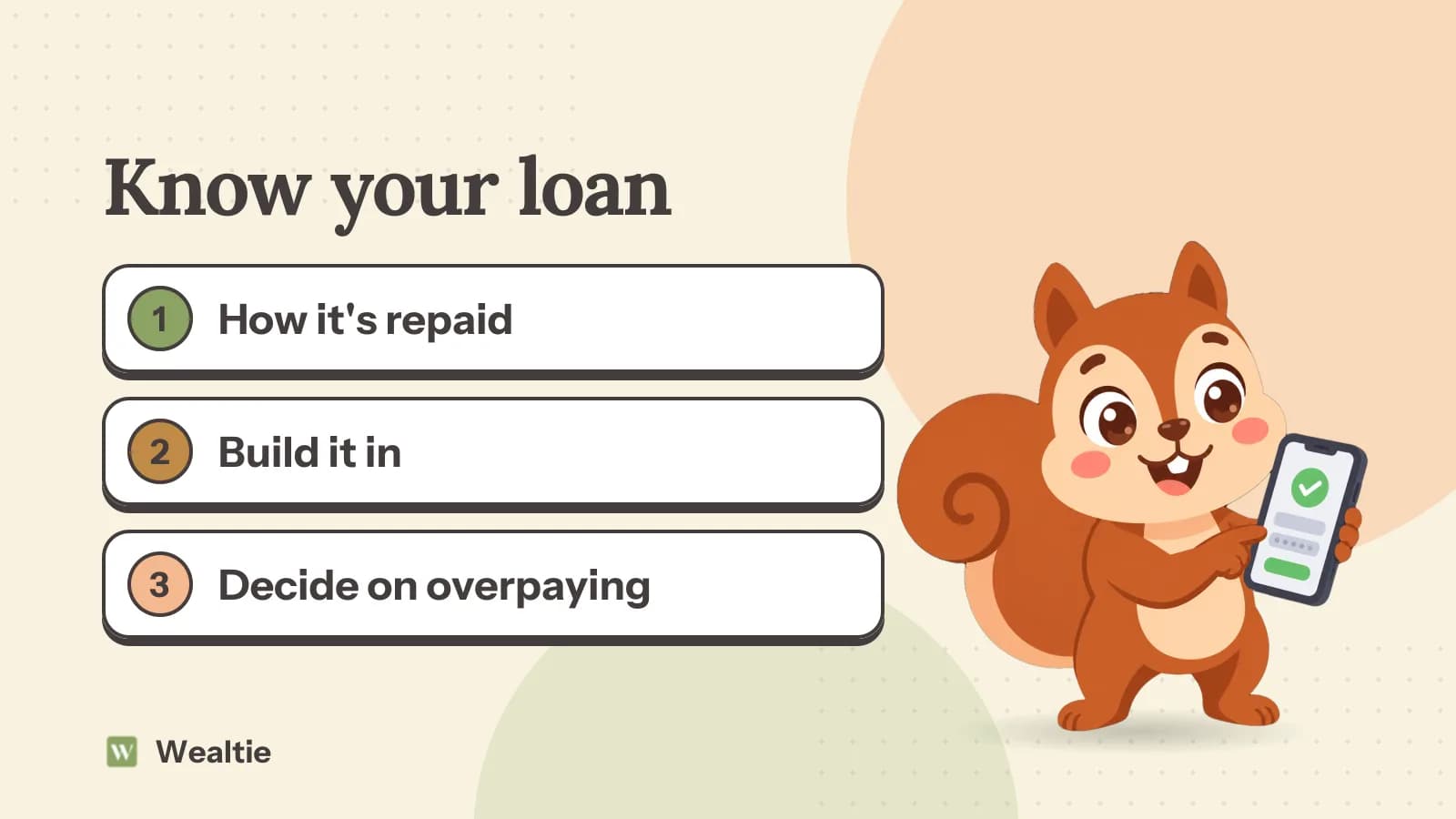
To budget with student loan repayments, find out how yours are calculated, whether they come out of your pay automatically or need paying yourself, and build that amount into your budget as a fixed cost. Then decide whether overpaying is worth it for your loan.
 By Wealtie Team · 3 min read
Key takeaways
- Student loans work differently between countries and plans, so start by finding out exactly how yours is repaid.
- Some are taken from your pay based on income, while others have a fixed monthly payment you pay yourself.
- Treat the repayment as a fixed cost in your budget, before spending money.
- Overpaying doesn't always make sense, especially if the loan is written off after a time, so check your terms first.
How do you budget with student loan repayments?
Find out how your loan is repaid, then treat the repayment like any other fixed bill. Student loans vary a lot between countries and between loan plans, so the first step is understanding yours. Once you know the amount and how it's collected, it fits into a budget the same way rent or a phone contract does.
How are student loans repaid?
There are two common types, and you need to know which you have:
- Income-based repayments, taken from your pay by your employer once you earn above a threshold. The amount changes with your income, and you might pay nothing in a low-earning year.
- Fixed monthly payments, which you pay yourself to a lender, like a normal loan, often over a set number of years.
Some countries have other systems, and some loans have both features. Check your loan provider's official website or your annual statement for the details, and set up an online account if you haven't, since it shows your balance and payments in one place, including the interest rate, the repayment rules and whether any balance is written off after a set time.
How do you build repayments into your budget?
As a fixed cost, before you plan spending. If your repayments come out of your pay automatically, they're already taken before your take-home pay arrives, so budget from the take-home figure. Check your payslip to see the amount each month. Gross vs net income explains how deductions work.
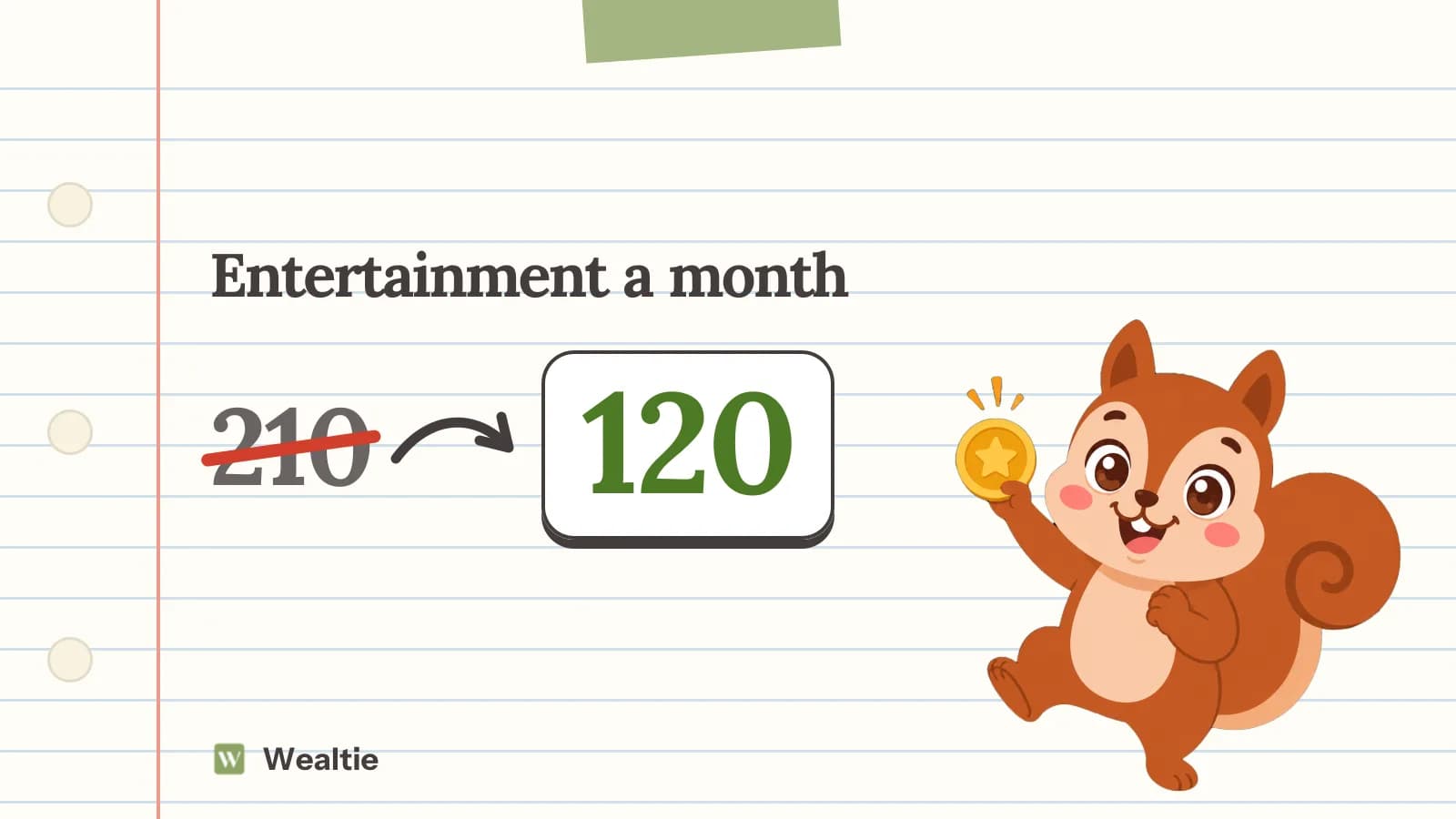
If you pay yourself, put the payment in your budget alongside rent and bills, and set it up as an automatic payment just after payday so it's never late. Here's an example in round numbers that work in any currency: on take-home of 2,100 with a fixed repayment of 120, that 120 comes out with the other bills, before savings and spending money.
Should you overpay your student loan?
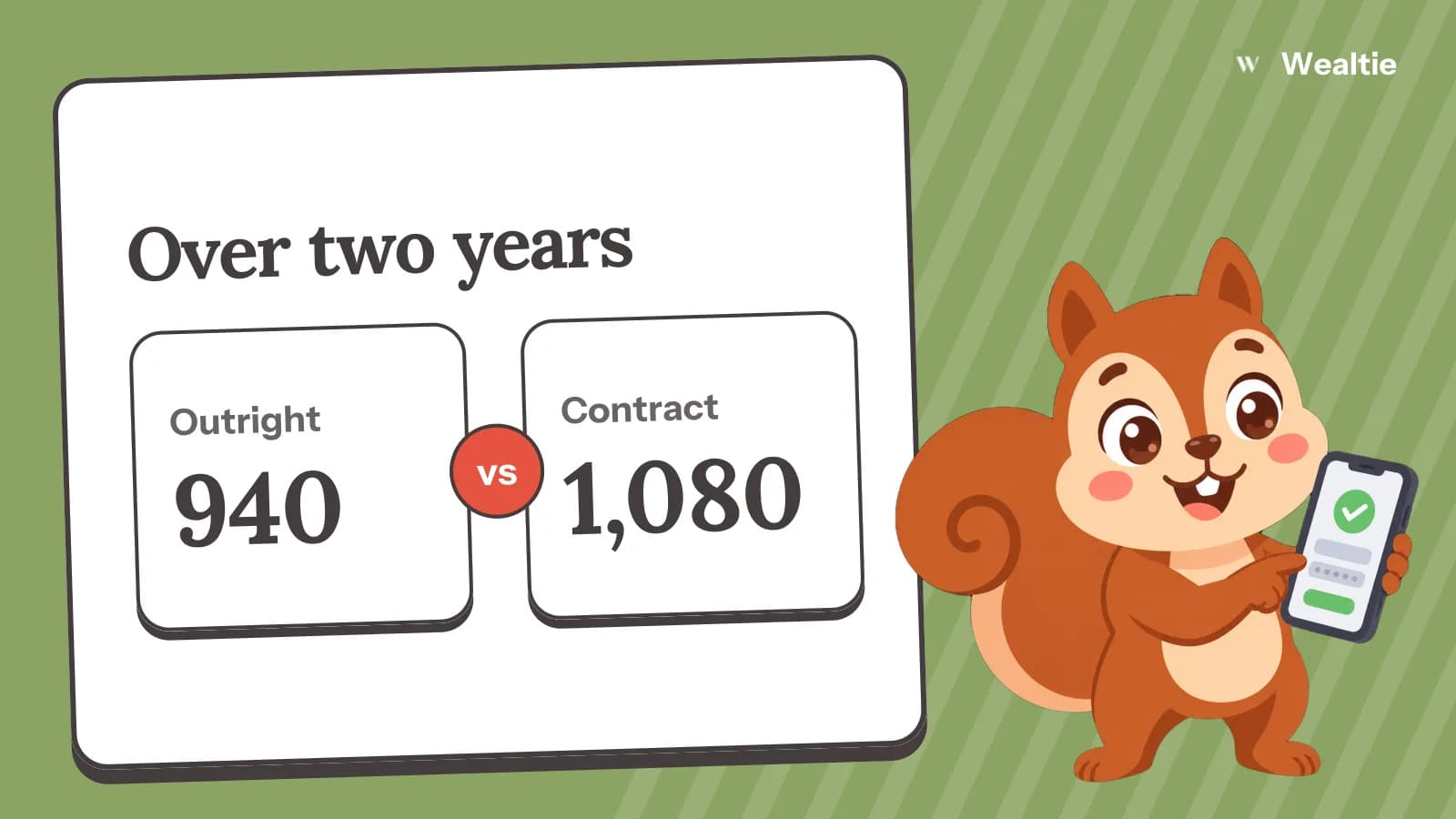
It depends on your loan, and it's worth checking carefully before you do. For a loan with a fixed payment and meaningful interest, overpaying can save interest and finish the loan sooner, much like overpaying any other debt.
For income-based loans that are written off after a period, many people never repay the full balance. Overpaying might mean paying more in total than you otherwise would. Check the rules, and consider whether the money would do more good elsewhere, like an emergency fund, high-interest debt or a home deposit.
In most cases, clearing credit card debt and building an emergency fund come before overpaying a student loan. Saving for a home deposit can also come first, since a larger deposit can lower mortgage costs, which often matters more than the student loan balance. Pay off debt or save goes through the order.
What if you can't afford the repayments?
Contact your loan provider before you miss a payment. Income-based loans adjust automatically if your income falls. For fixed-payment loans, there are often options like reduced payments for a time or a different repayment plan. Ask what's available and get any agreement in writing.
Missing payments on some loans can bring fees and affect your credit record, so it's worth acting early. Free debt advice can help if you've got several debts. Keep records of every conversation and agreement.
Does a student loan affect a mortgage?
It can, because lenders look at your regular outgoings. Repayments taken from your pay reduce your take-home, which lenders consider. Keeping track of your loan and repayments makes the conversation with a lender easier. Have your latest statement ready when you apply, and set a monthly limit in the budget tracker that shows lenders you're managing your money well.
How do you keep track of a student loan?
Check your balance and statement once a year, so you know where you stand. Update your address and details with the provider, since letters about changes can be missed. If you move abroad, check what your loan requires, since some still expect repayments.
How do you track student loan repayments in Wealtie?
If you pay yourself, set the repayment up as a monthly recurring transaction, so it logs itself on the due date. If it comes out of your pay, budget from your take-home in the budget tracker, and set your monthly income goal in the income tracker to the figure that reaches your account. How to budget in your 20s covers the rest of a first budget.
Questions people ask
Find out how your loan is repaid, then treat the repayment as a fixed cost. If it's taken from your pay, budget from your take-home.
Not always. Overpaying can save interest on fixed-payment loans, but may not make sense for income-based loans written off after a time.
Contact the provider before missing a payment. Income-based loans adjust with income, and fixed loans often have hardship options.
They can, because lenders consider regular outgoings, including repayments that reduce your take-home pay.
This article is general information, not financial, tax or legal advice. Your situation is your own; check the numbers that apply to you before you act on them.