Budgeting: Are meal kits worth it? The real cost compared with shopping yourself
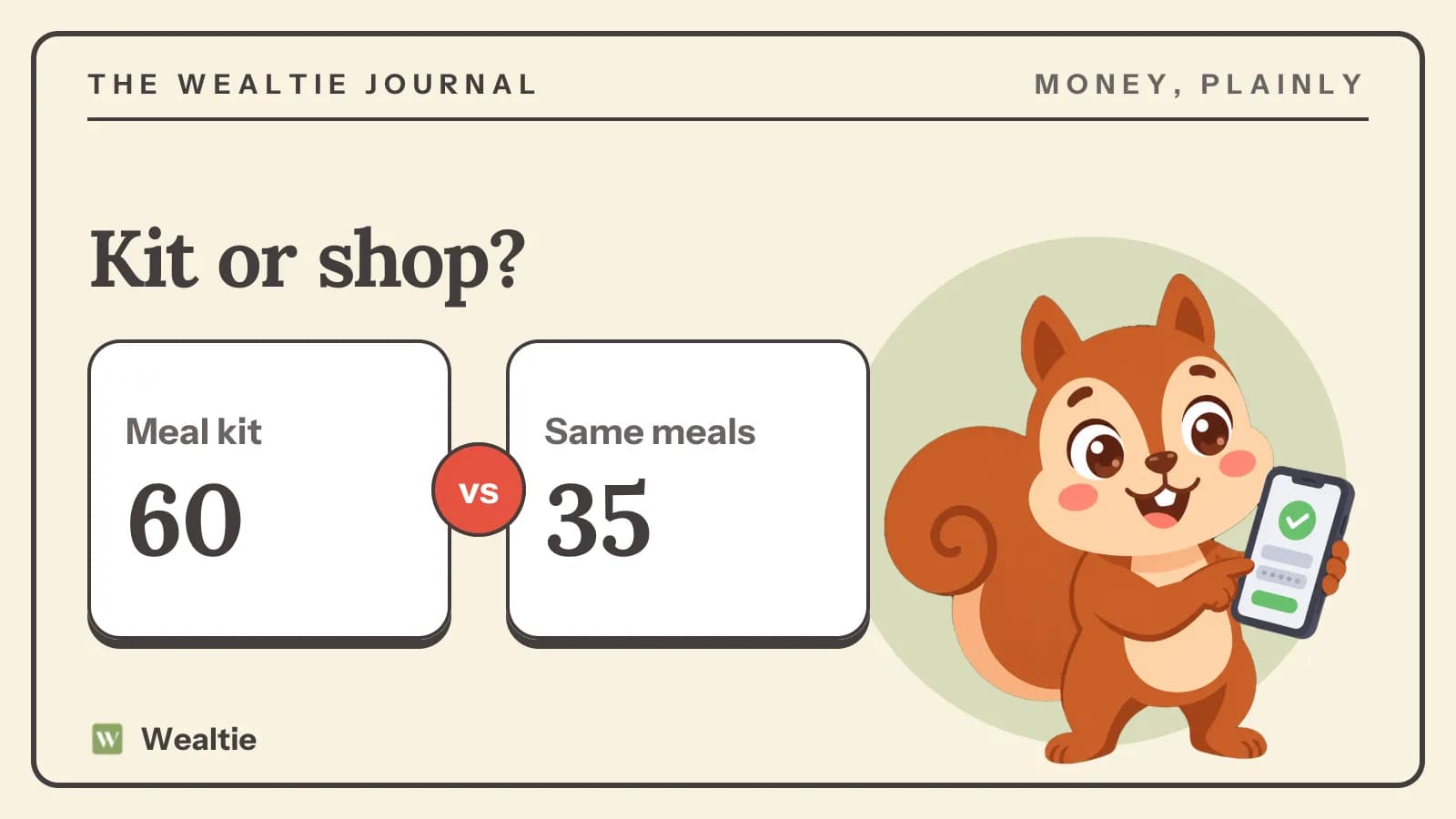
Are meal kits worth it? Only if they replace takeaways or wasted food, since in a worked example a week of kit dinners for two costs about 60, against about 35 for the same meals from the shop.
 By Wealtie Team · 3 min read
Key takeaways
- Meal kits usually cost more than buying the same ingredients from the shop.
- In a worked example, a week of kit dinners for two costs about 60, against about 35 from the shop and 100 in takeaways.
- A kit can save money if it replaces takeaways or cuts food waste.
- Subscriptions roll on automatically, so skip weeks you don't need and track what you pay.
Are meal kits worth it?
They can be, but usually not for saving money on their own. A meal kit delivers recipes with the exact ingredients measured out, which is convenient and cuts down on planning. You pay for that convenience, though, and the same meals bought from a supermarket nearly always cost less. Whether a kit is worth it depends on what it replaces in your week.
If a kit replaces takeaways or expensive ready meals, it can save money. If it replaces cooking from your own shopping, it usually costs more.
How much do meal kits cost compared with shopping?
Here's a worked example for four dinners for two people in a week, in round numbers that work in any currency:
| Option | Cost for the week |
|---|---|
| Takeaways | 100 |
| Meal kit | 60 |
| Same meals from the shop | 35 |
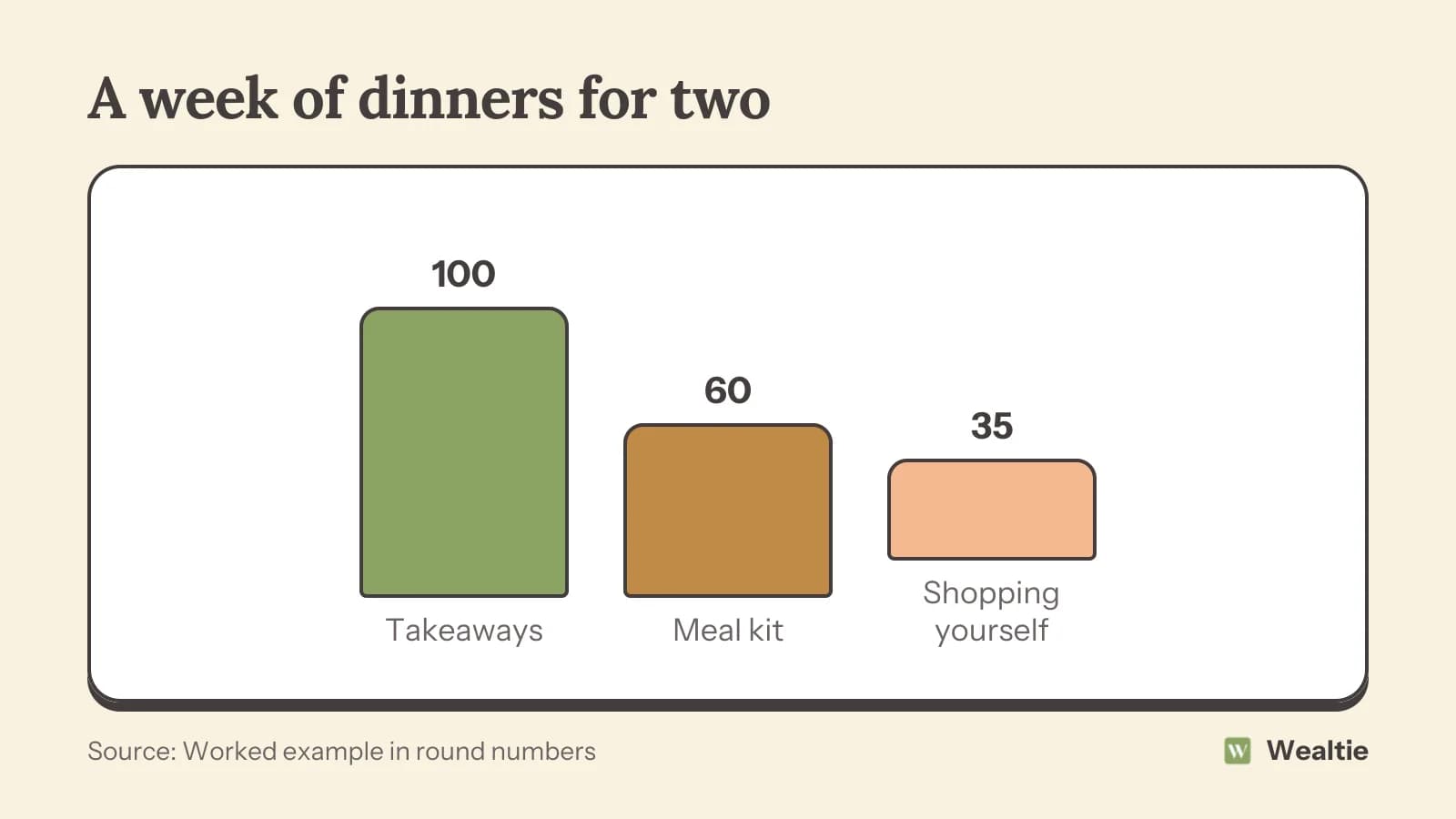
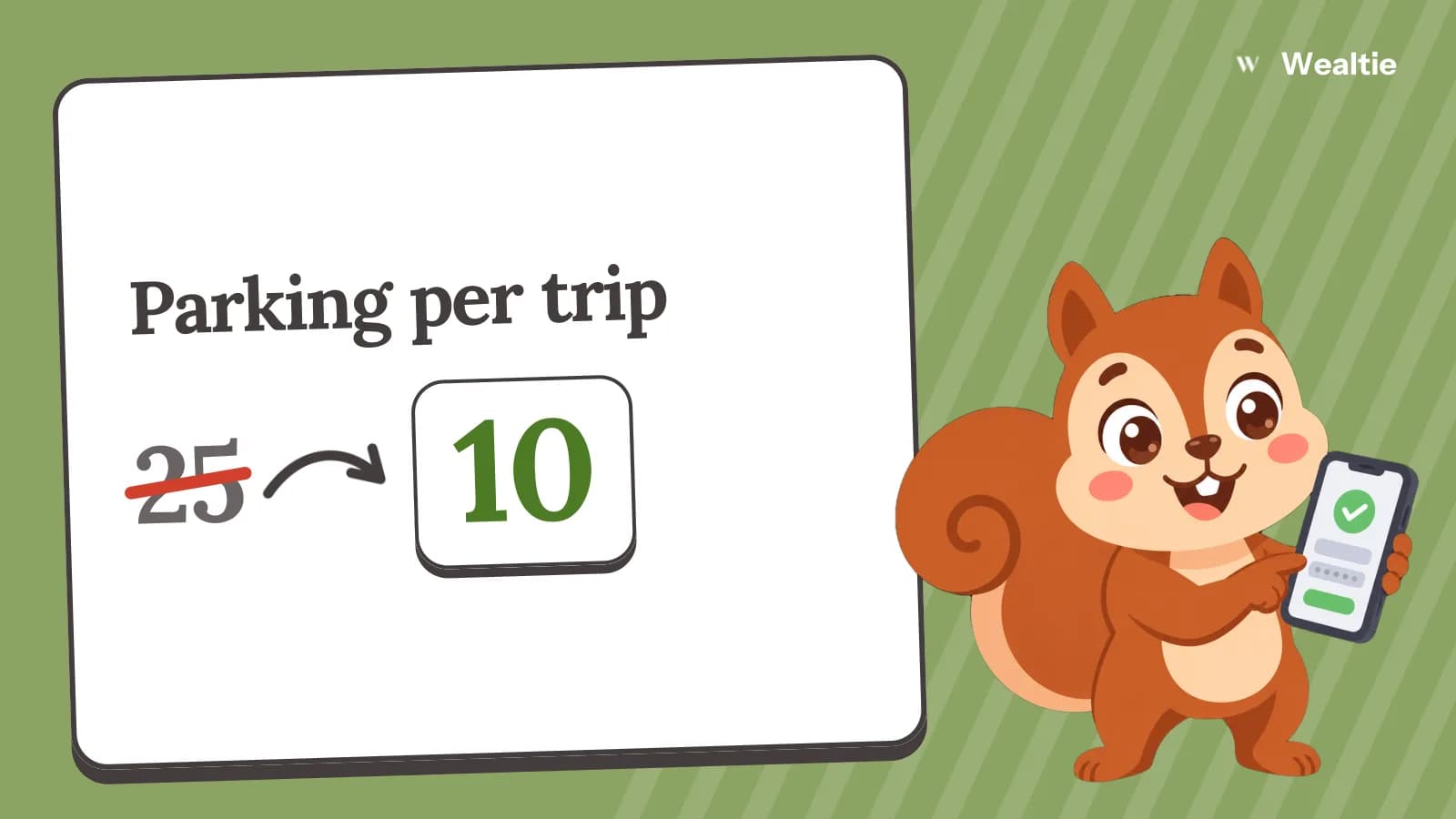
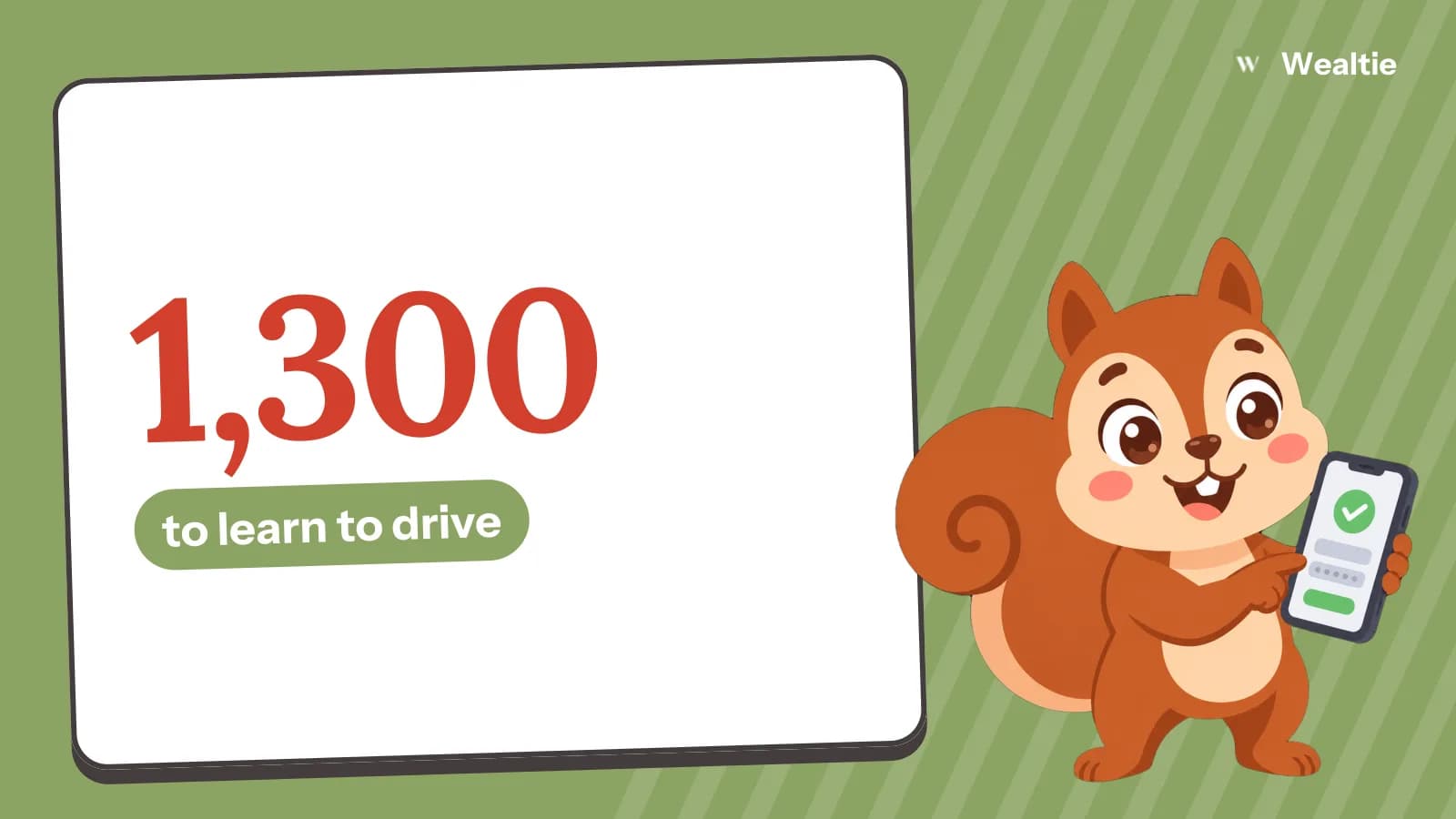
In this example, the kit costs 25 more a week than shopping yourself. Over a year, that's about 1,300. But compared with takeaways, the kit saves 40 a week. Your own figures depend on the kit, your local prices and what you'd otherwise eat.
When does a meal kit save money?
A kit can save money in a few situations:
- It replaces takeaways. If you'd otherwise order in several nights a week, a kit is often cheaper and healthier.
- You waste a lot of food. Exact portions mean nothing goes off in the fridge. If you often throw away half a bag of spinach or a bunch of herbs, that waste has a cost too.
- It stops impulse shopping. Fewer trips to the supermarket mean fewer unplanned extras in the basket.
If one of these is true for you, compare the kit price with what you spend now on takeaways, waste and extras, not with the cost of perfect home cooking.
Counting your time
A kit also saves time spent planning meals and shopping. For busy households, that time has real value, and some people find it's what gets them cooking at all. Just be honest with yourself about whether the time saved changes what you'd otherwise do.
When does a meal kit cost more?
A kit costs more when you'd cook anyway. If you already plan meals and shop from a list, a kit adds cost without much benefit. It can also cost more if you end up buying groceries as well, for lunches, breakfasts and nights the kit doesn't cover, so you pay for two shops.
Delivery fees, premium recipes and add-ons like desserts can push the weekly price up. Introductory discounts can make the first weeks look cheap, but the full price is what you'll pay after that. Portions can also be smaller or larger than your household needs. If you have children or big appetites, you may need to add sides or extra food, which raises the real cost per meal.
How do you get the most from a meal kit?
Treat it as a tool, not a habit you forget about:
- Skip weeks when you're away or have plenty of food at home.
- Choose the cheaper standard recipes rather than premium ones.
- Keep the recipe cards and cook favourites again from your own shopping.
- Cancel if you notice you're not cooking all the meals.
Many people use a kit for a few months to learn new recipes and get into a cooking routine, then switch to shopping for the same meals themselves. That gives you the skills without the ongoing cost.
What are the alternatives?
You can get many of the benefits without a subscription. Planning your meals for the week and shopping from a list cuts waste and impulse buys. Batch cooking on a weekend saves time on busy evenings. Some supermarkets also sell recipe bundles or ready-to-cook packs, which give similar convenience for less, without a weekly commitment. Meal planning on a budget has a simple weekly method, and how to save money on groceries covers ways to bring the shop down further.
If takeaways are the bigger cost, how to save money eating out has ideas for cutting back without giving them up entirely.
Why does a subscription need watching?
Meal kits renew automatically each week, so the cost can carry on long after the novelty fades. It's easy to forget to skip a week or to keep paying for meals you don't cook. Checking your subscriptions every few months keeps them under control. How to cut subscription costs covers a simple review.
How do you track food spending in Wealtie?
Log meal kits, groceries and takeaways in separate expense categories, so you can see what each one costs in a month and compare them honestly. A weekly kit can be set up as a recurring transaction with the bill tracker, so it's logged on the day. A monthly limit for food in the budget tracker shows whether the kit fits.
Questions people ask
Usually not. In a worked example, a week of kit dinners for two costs about 60, against about 35 for the same meals from the shop.
Often, yes. In the same example, a week of takeaways costs about 100, so a kit saves about 40.
Skip weeks you don't need, choose standard recipes, avoid add-ons and reuse the recipe cards with your own shopping.
People who'd otherwise order takeaways, waste a lot of food or struggle to plan meals.
This article is general information, not financial, tax or legal advice. Your situation is your own; check the numbers that apply to you before you act on them.