Budgeting: How to manage money when your mental health is low
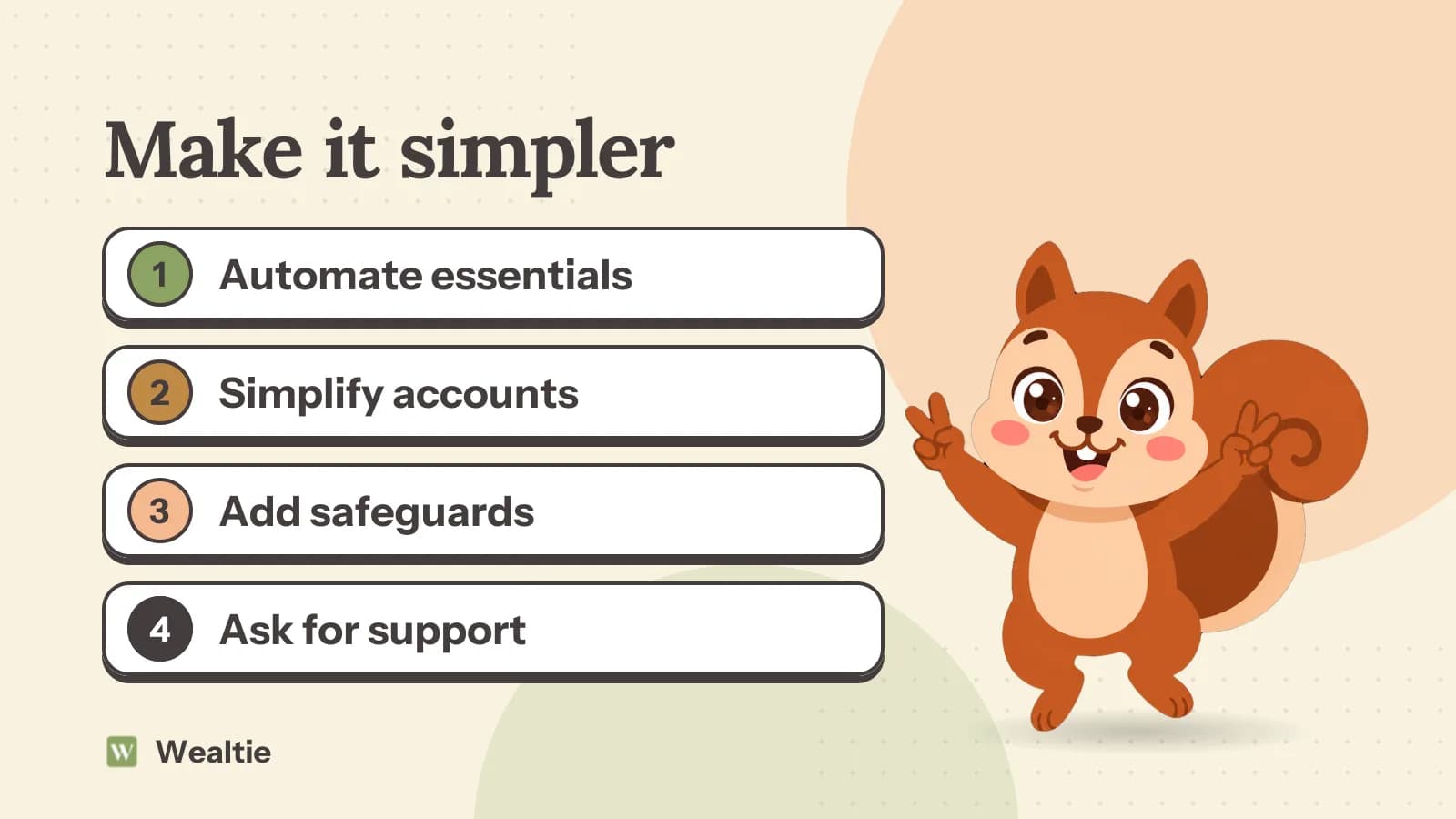
Managing money when your mental health is low is about doing less, not more: automating the essentials, simplifying where you can and putting safeguards in place for difficult days. A basic setup, made on a better day, can protect your finances when you're struggling.
 By Wealtie Team · 3 min read
Key takeaways
- When your mental health is low, simplify your finances rather than trying to do more.
- Automating essential bills protects you on difficult days.
- Safeguards, like spending limits and removing saved cards, help prevent regret.
- Many organisations offer free support with money and mental health together.
How do you manage money when your mental health is low?
By making things simpler, not harder. When you're struggling with depression, anxiety or another mental health condition, keeping on top of bills, budgets and paperwork can feel impossible. Some people avoid their finances entirely; others spend to cope. Both are understandable, and neither means you're bad with money. The aim is a setup that keeps the essentials safe without needing much energy from you.
If you're in crisis or thinking about harming yourself, contact emergency services or a crisis line straight away. Money can wait.
What does a simple setup look like?
Here's a worked example of a simplified monthly setup, in round numbers that work in any currency:
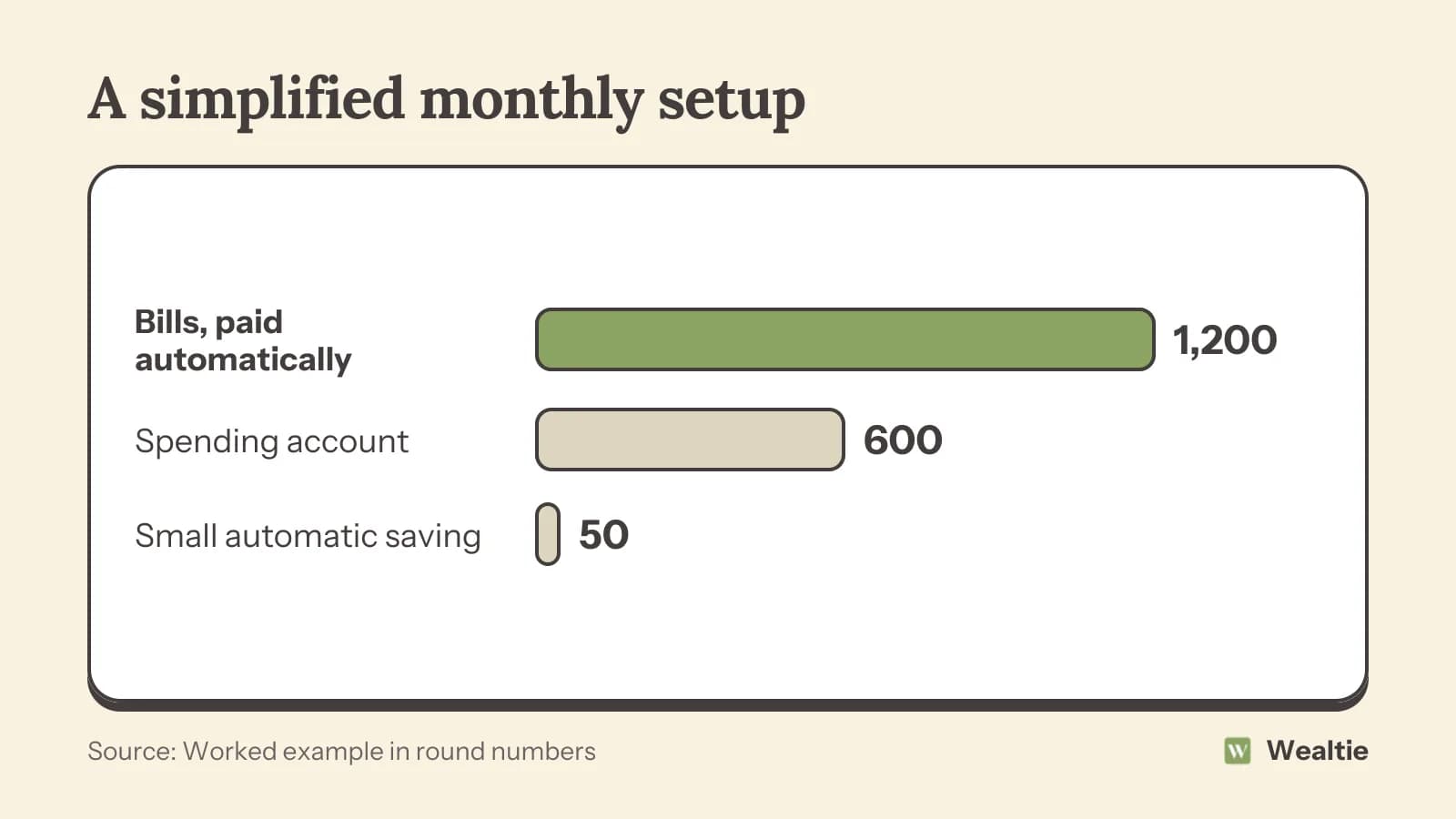
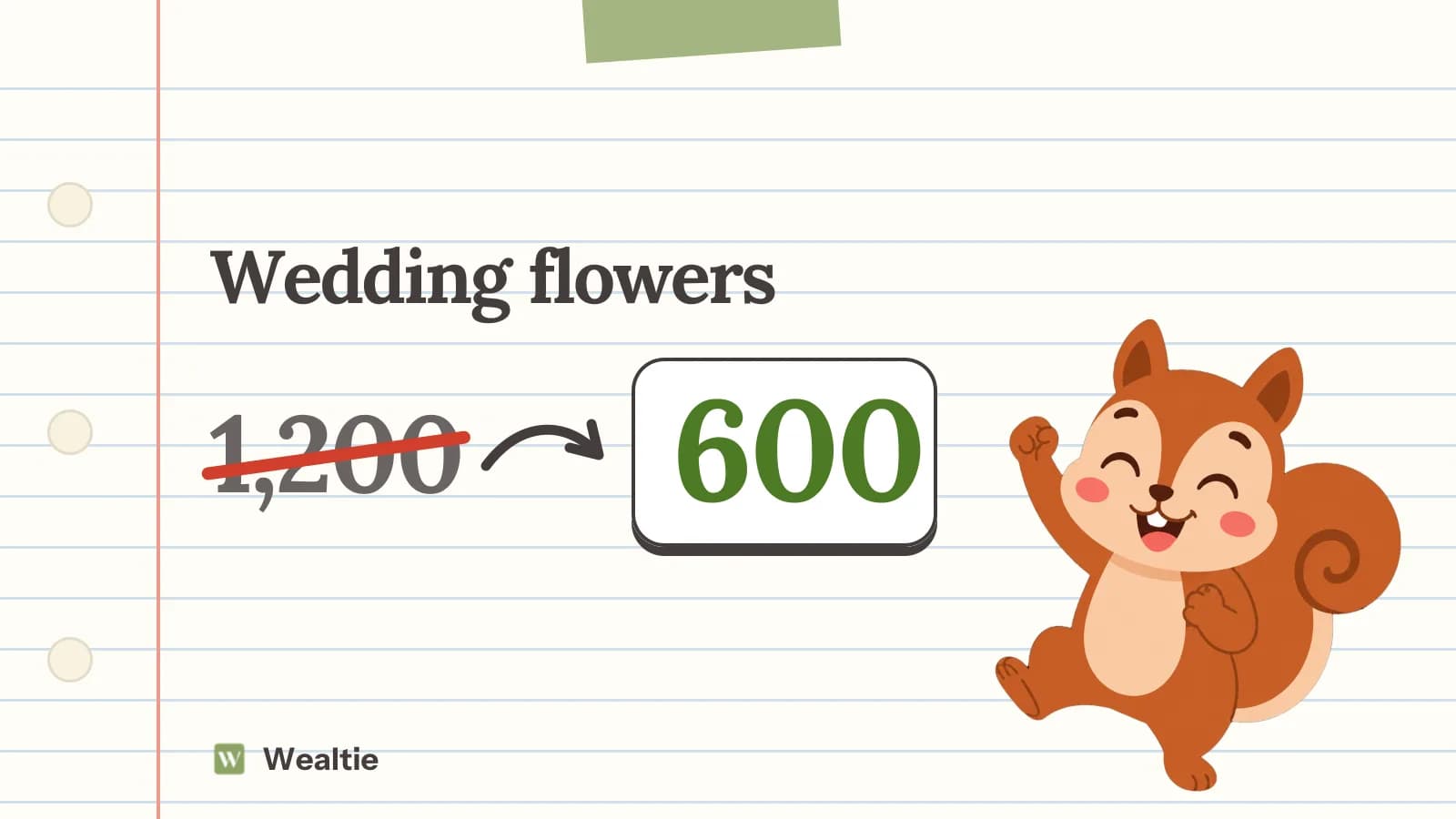
On payday, bills of 1,200 are paid automatically, 50 moves into savings automatically and 600 goes to a spending account. There's nothing to remember and nothing to calculate. Your own figures will differ, but the idea is the same: essentials happen on their own. Setting this up on a better day is an act of kindness to your future self.
How do you automate the essentials?
On a better day, set up automatic payments for rent, energy, phone, insurance and minimum debt repayments, timed for just after payday. This means bills get paid even when you can't face opening your banking app. How to organise your bills helps you list everything, and how to get one month ahead on bills builds extra breathing room.
Keep a small buffer
Leaving a small cushion in your bills account protects against a slightly higher bill or a late payday. Even a little buffer can prevent fees and stress. Some people also keep a written list of their bills and passwords somewhere safe, so a trusted person can help if needed.
How do you protect yourself from impulse spending?
Low moods can lead to spending to feel better. Safeguards set up in advance help:
- Remove saved cards from shopping apps and websites
- Use a separate spending account with a set amount
- Turn on spending notifications or limits in your banking app
- Ask your bank about blocks on certain types of spending, like gambling, where available
- Agree with a trusted person that you'll message them before big purchases
These aren't about willpower. They're about making the easy path the safe one. You can remove them when you feel better, but there's no rush.
Ask someone to help
A trusted friend or family member can help on hard days, like checking your balance, opening letters or reminding you of a bill. Some banks let you add a trusted person to help manage your account in limited ways. Asking for help is a sensible step, not a failure.
How do you deal with letters and bills you've been avoiding?
Take them one at a time, perhaps with someone you trust. Open them, sort them into urgent and not urgent, and deal with one thing. If you've fallen behind, contact the company; many have teams to help customers who are struggling, and they may pause or reduce payments. Telling them about your mental health can help them support you.
Free debt and money advice
Debt advice services can help you make a plan and talk to lenders on your behalf, free and in confidence. Some organisations specialise in supporting people with both money and mental health problems.
What about bigger money decisions?
Try to avoid big financial decisions when you're at your lowest, like taking out loans, cancelling insurance or making large purchases. If a decision can't wait, talk it through with someone you trust first. Writing down the pros and cons, and waiting a day, can also help.
Where can you get support?
Your doctor is a good first step for mental health support. How to afford therapy covers lower-cost options, and how to deal with money anxiety has practical ideas for money worries. You don't have to sort everything out alone. Small steps, taken when you can, are enough.
On the hardest days, it's fine to do nothing with money beyond making sure essentials are paid. The system you set up on better days is there to carry you through the difficult ones, and you can pick it back up when you're ready.
How can Wealtie help?
Setting up your bills as recurring transactions with the bill tracker means they log themselves on their dates, so you can see what's going out without doing anything. A simple limit in the budget tracker shows at a glance how the month is going, without needing to work through detailed expense categories on a hard day.
Questions people ask
Simplify. Automate essential bills, use a separate spending account and set up safeguards against impulse spending.
Open them one at a time, perhaps with someone you trust, and contact companies if you've fallen behind.
Many have teams to support customers who are struggling and may pause or reduce payments.
Your doctor, free debt advice services and organisations that support people with both money and mental health problems.
This article is general information, not financial, tax or legal advice. Your situation is your own; check the numbers that apply to you before you act on them.