Budgeting: How to make a back to school budget without the September shock
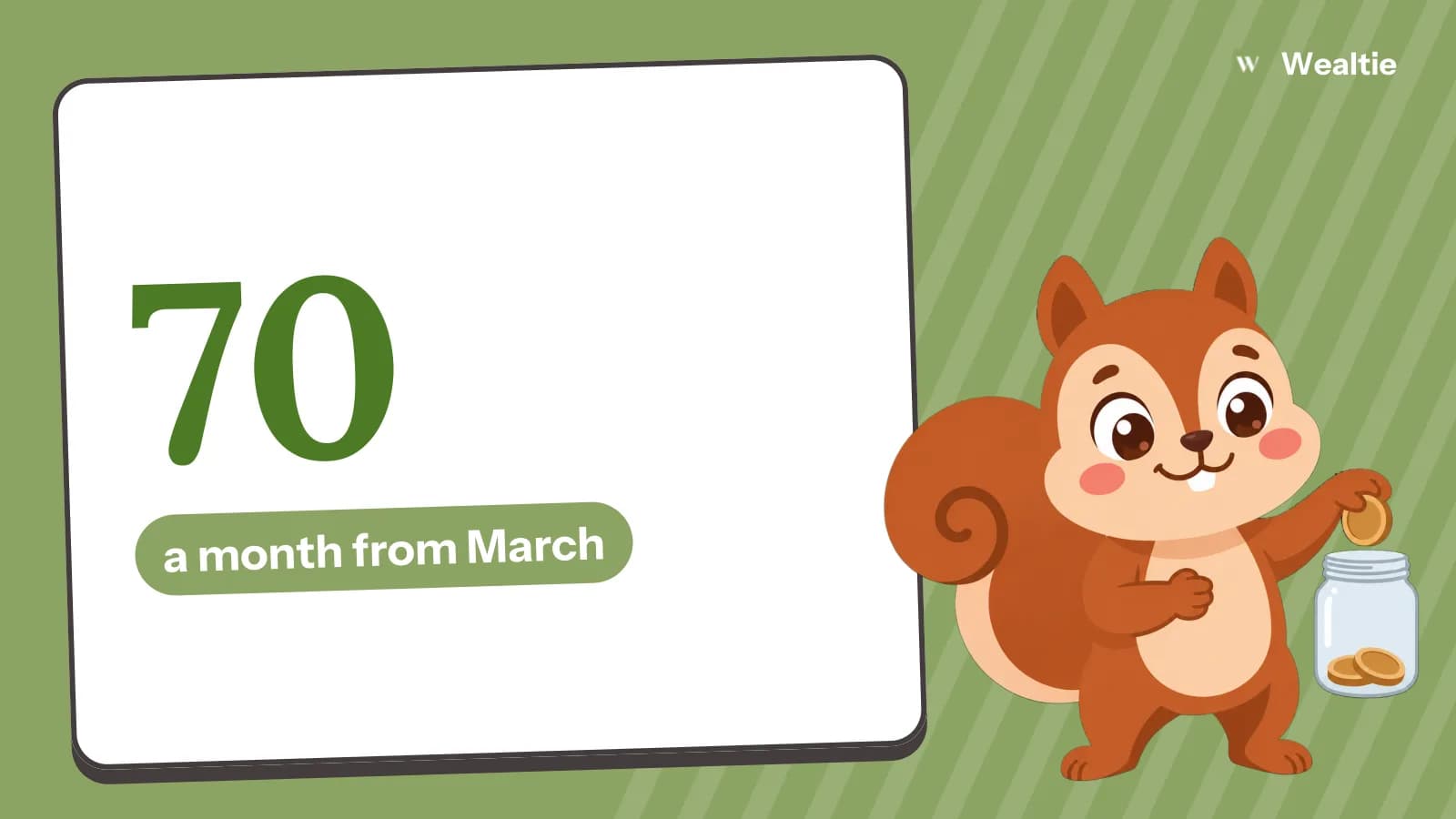
A back to school budget starts with a list of what each child needs, minus what you already have, spread over the months before term starts. In a worked example, two children need about 420, or 70 a month from March.
 By Wealtie Team · 3 min read
Key takeaways
- List what each child needs, then check what you already have, before you buy anything.
- In a worked example, two children need about 420, which is 70 a month saved from March.
- Second-hand uniforms, swaps and buying basics in bulk can cut the total noticeably.
- Spread purchases over the summer instead of buying everything in the last week of August.
How do you make a back to school budget?
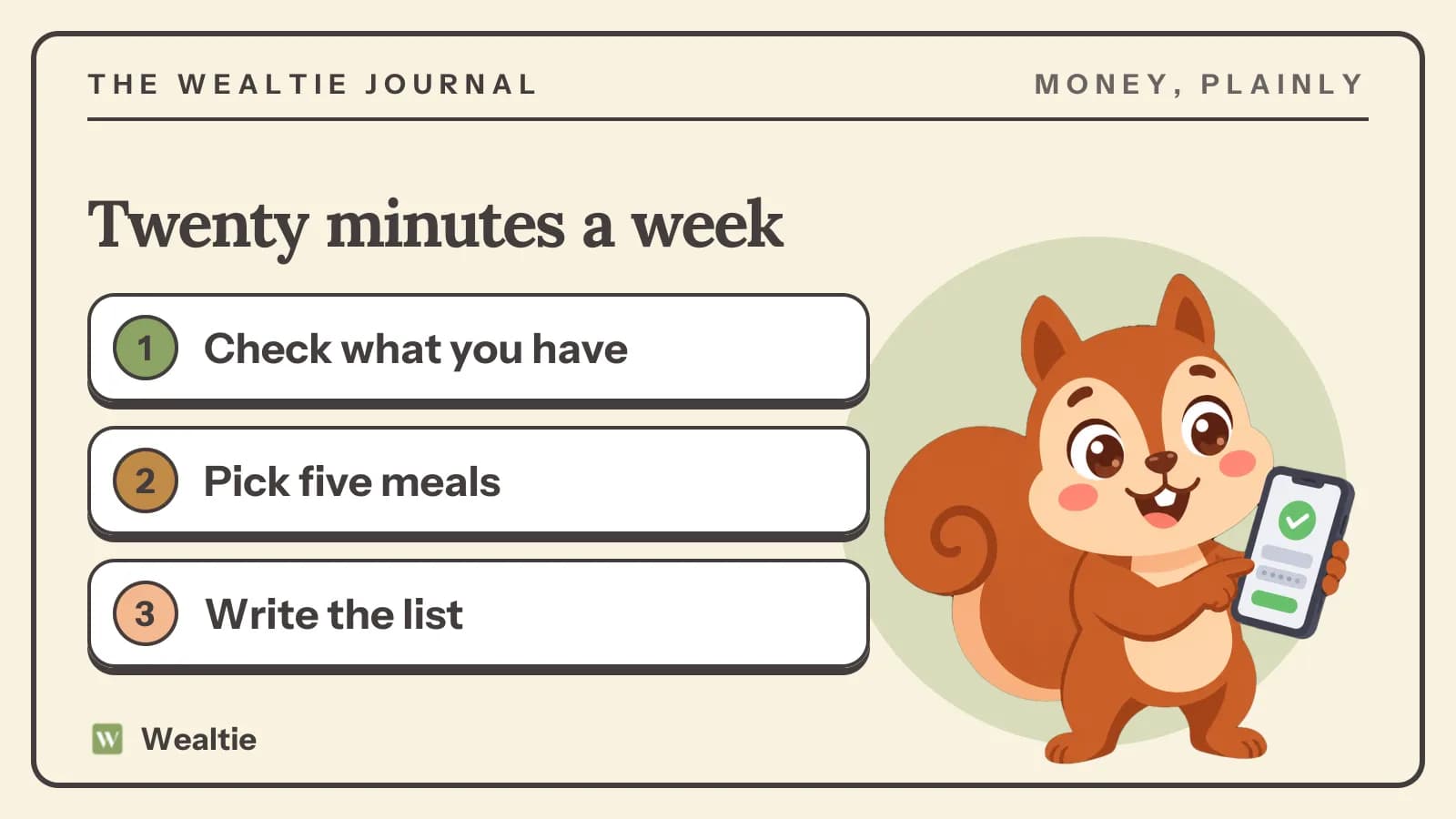
Make a list for each child, cross off what you already have, and price the rest. Then spread the cost over the months before term, so September doesn't arrive with one large bill. Most back to school costs are predictable, which makes them easy to plan for if you start early, and late planning is what makes them painful.
What does back to school cost?
Here's a worked example for two children, in round numbers that work in any currency:
| Item | Amount |
|---|---|
| Uniforms and clothes | 180 |
| Shoes | 120 |
| Bags and supplies | 70 |
| Trips, clubs and fees | 50 |
| Total | 420 |
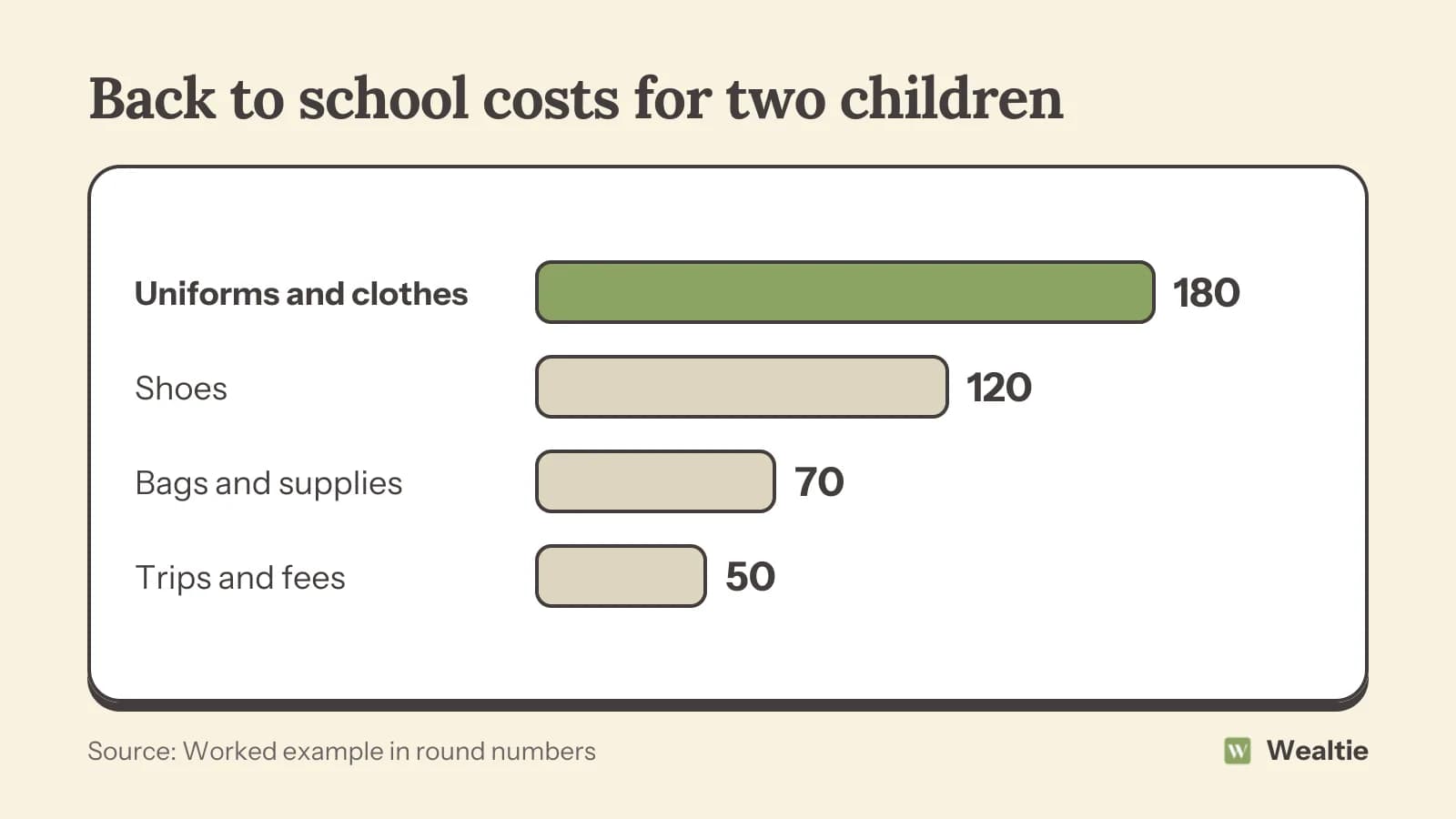
Your list will depend on your children's ages and school. Ask the school for its uniform list before buying, since requirements can change between years and some items are only needed for certain activities. Older children might need a calculator, a laptop or sports kit, which can change the total a lot. Add anything the school's asked for, like a deposit for a trip or lunch money. If the school expects a laptop or tablet, ask whether it can lend one or runs a scheme before you buy, and look at refurbished models.
How do you avoid buying what you already have?
Go through drawers and wardrobes in early summer. Try on last year's uniform, check shoes, and empty old school bags. Children grow unevenly, so a jumper might still fit when trousers don't.
Make a list of what's missing and the sizes needed. Shopping from a list is the single best way to avoid buying things twice. Label everything with your child's name too, since lost uniform is one of the most common reasons parents buy items twice in a year. Older children can help with the list and compare prices.
Where can you save?
A few places, depending on your school:
- Second-hand uniform: many schools run sales or swaps, and branded items are often available second-hand
- Plain items: if the school allows plain clothes in the right colour, they usually cost far less than branded ones
- Shoes: buy once you're sure of the size, close to term starting, so they're not outgrown first
- Supplies: buy basics like pens and paper in bulk to share between children and last the year
- Hand-me-downs: between siblings, cousins or friends
Look for uniform exchange groups online for your school, where parents often give away outgrown items. Ask the school about help with costs if money's tight. Some schools and local authorities have support for uniforms or trips.
When should you start saving?
As early as you can. Saving from March gives you six months to collect 420, which is 70 a month. Starting in July means 210 a month, which is much harder to find in the summer holidays.
If March has already passed, divide what's left by the months remaining and trim the list to what's needed for the first week. A sinking fund works well for this: a separate pot with a clear goal and a monthly transfer. You can use the same pot for other predictable child costs, like birthdays and school trips during the year.
When should you buy?
Spread it out. Buy supplies and bags when you see them at a good price in early summer, uniforms in July, and shoes last. Shopping in stages spreads the cost over a few pay periods and avoids the busiest week for shops.
Online orders for branded uniform can take weeks in summer, so order early if you need them. Keep receipts, in case sizes are wrong or items don't last.
What about the rest of the school year?
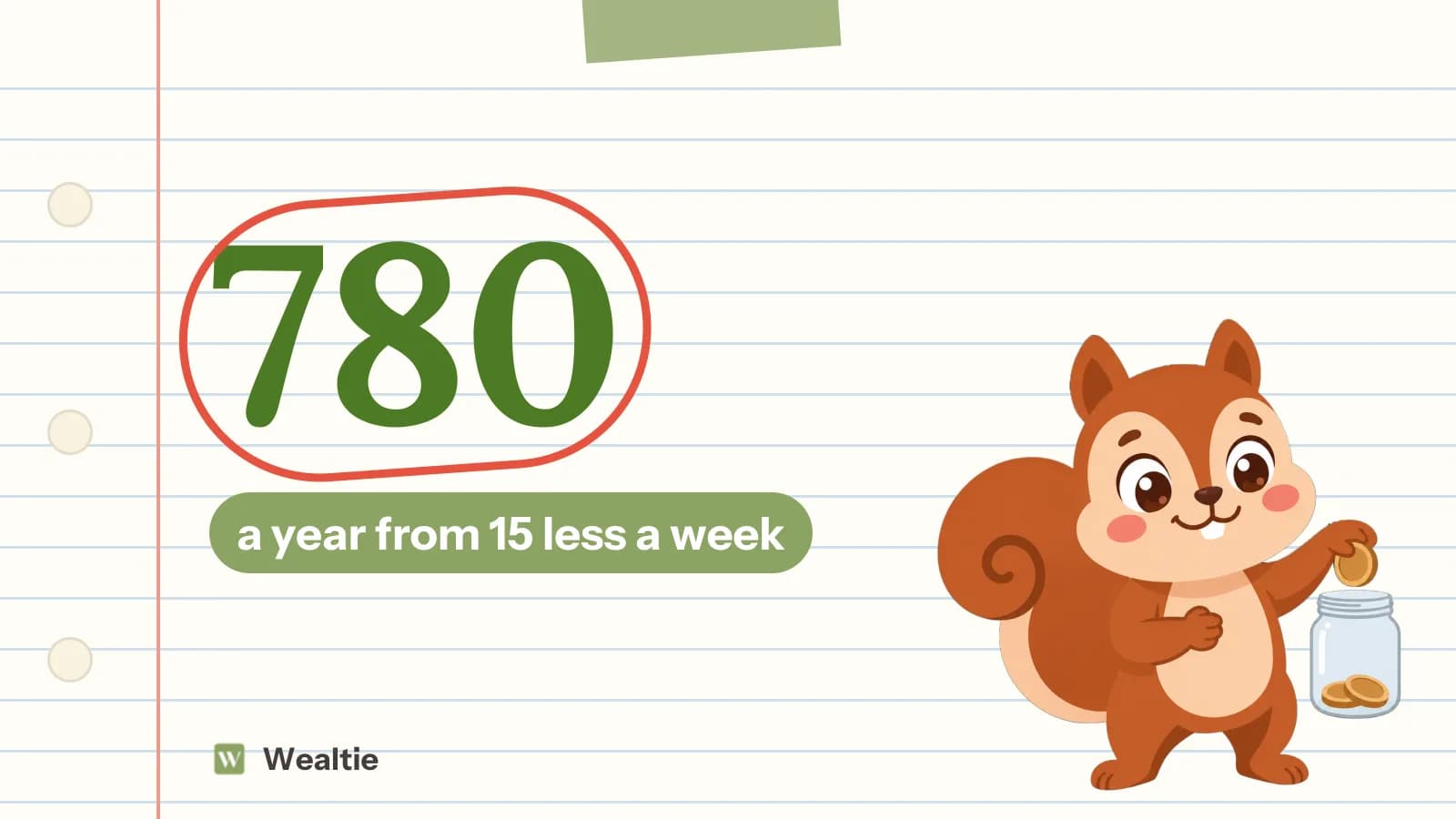
There's more than September. Trips, non-uniform days, school photos, clubs, charity days and the end-of-year present for teachers all add up. Ask the school for a calendar if they have one, and add those to the pot as well. A small monthly amount, say 15, set aside for school extras through the year stops them hitting the weekly budget.
How do you track back to school costs in Wealtie?
Add a savings account for school costs and move the monthly amount into it as a transfer, which isn't counted as spending. Log purchases in a School category, so your expense categories show the full cost, and a monthly limit in the budget tracker shows what's left for the rest of August. The family budget puts school costs alongside the rest of family spending.
Questions people ask
About 420 for two children in a worked example, though ages and school make a big difference. Make a list and price it.
Check what you already have, buy second-hand or plain uniform where allowed, buy shoes last and buy basic supplies in bulk.
As early as you can. Saving from March spreads 420 into six payments of 70.
Some schools and local authorities offer support. Ask the school if money's tight.
This article is general information, not financial, tax or legal advice. Your situation is your own; check the numbers that apply to you before you act on them.