Budgeting: How to save money on glasses and contact lenses
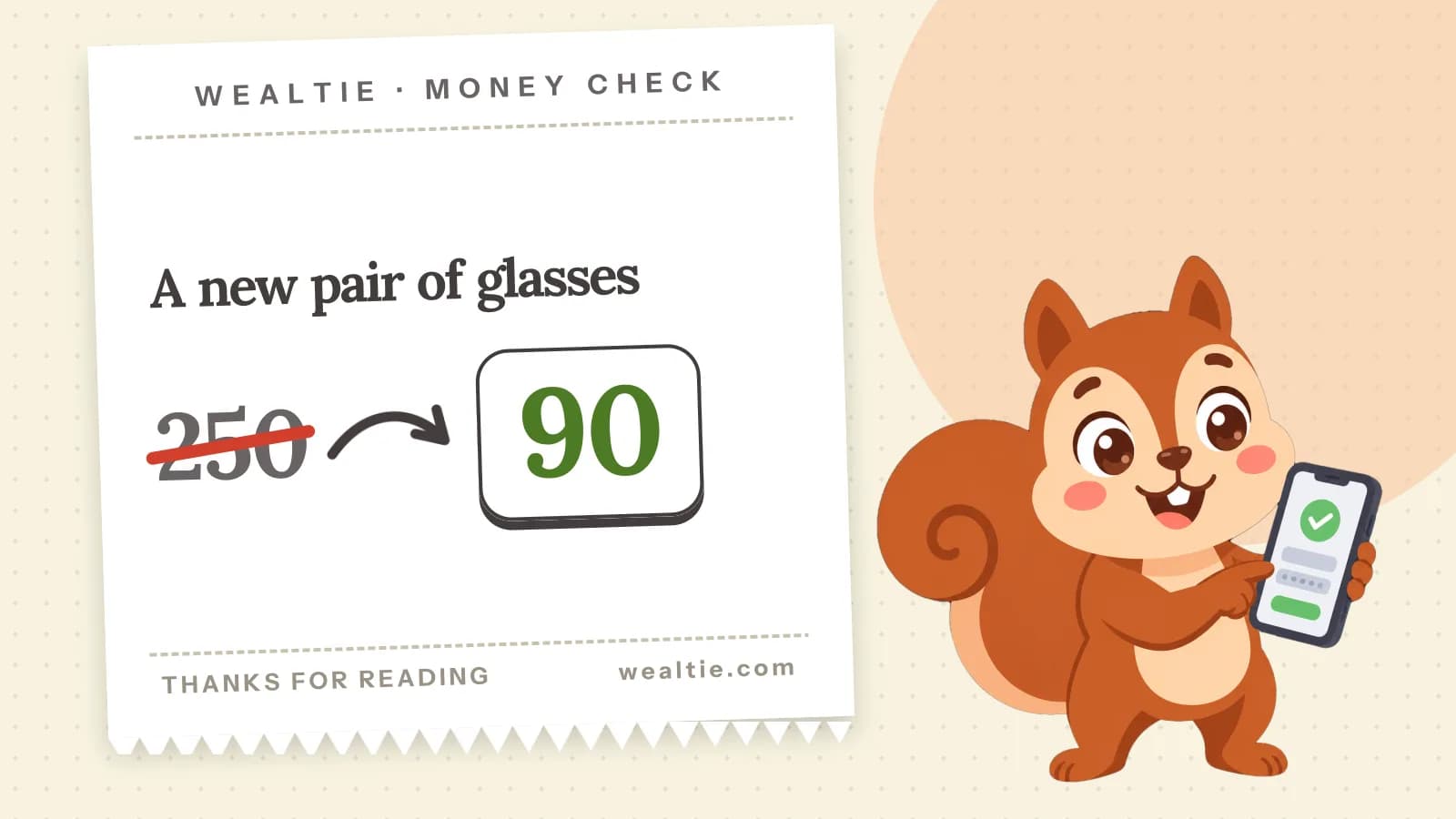
To save money on glasses, get a copy of your prescription, compare frames online and in shops, skip lens extras you don't need, and check whether you're entitled to help with costs. In a worked example, a pair drops from 250 to 90.
 By Wealtie Team · 3 min read
Key takeaways
- Ask for a copy of your prescription, so you can compare prices anywhere.
- In a worked example, cheaper frames, fewer lens extras and buying online cut a pair from 250 to 90.
- Many lens extras are optional, so check which ones you need.
- Some people qualify for free or reduced-cost eye tests and glasses, so check what's available.
How do you save money on glasses?
Shop around with your prescription, choose frames you like at a price you're comfortable with, and only pay for the lens extras you need. Glasses can cost very different amounts for similar results, depending on where you buy them and what's added. Eye care is one of the health costs worth planning for, and how to budget for medical bills shows how to fit it in with the rest. Setting aside a little each month means a new pair doesn't come as a shock when your prescription changes. A few checks before you pay can save a lot.
Where does the saving come from?
Here's a worked example in round numbers that work in any currency:
| Change | Saved |
|---|---|
| Choosing cheaper frames | 100 |
| Skipping lens extras you don't need | 40 |
| Buying online with your prescription | 20 |
| From 250 to | 90 |
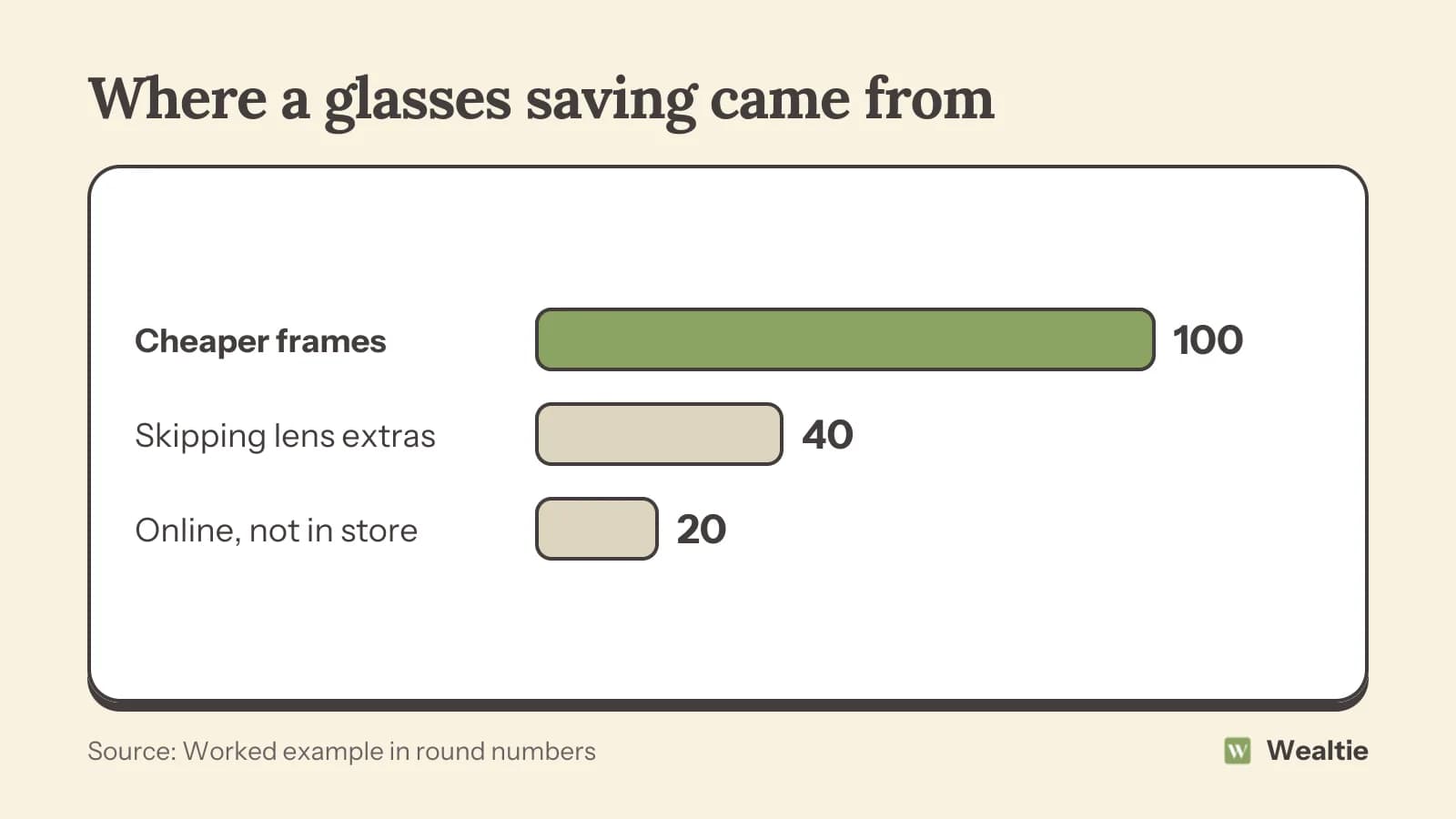
Your own figures depend on your prescription and preferences. Strong prescriptions or varifocals cost more wherever you buy them, but the same principles apply. If your prescription hasn't changed, reusing your current frames with new lenses can be cheaper still, and many opticians will fit new lenses to frames you bring in.
Why should you get a copy of your prescription?
So you can buy glasses anywhere. After an eye test, ask for a copy of your prescription. In many places you're entitled to it. With it, you can compare prices at different shops and online, rather than being tied to the place that did the test. You'll also need your pupillary distance, the measurement between your pupils, so ask for that too.
Keep eye tests up to date, as recommended by your optician. Eye tests check eye health as well as vision. Some opticians offer free or low-cost eye tests, especially if you then buy glasses elsewhere, so compare the test price as well as the glasses.
Which lens extras do you need?
Some, but not all. Common extras include thinner lenses, anti-glare coatings, scratch-resistant coatings, blue-light filters and tints. Some are useful for certain prescriptions or uses, while others are optional. Ask your optician which ones make a difference for you, and skip the rest. Optician packages that bundle several extras can look good value, but check you'd want each item on its own. For a strong prescription, thinner lenses can be worth it. For a mild one, they often aren't.
Is buying glasses online cheaper?
Often. Online sellers can be much cheaper for frames and basic lenses. The trade-off is fit: you can't try them on in person, and adjustments might be harder. Many online sellers offer virtual try-on, home try-on or easy returns. For complex prescriptions, like varifocals, buying from an optician who can fit and adjust them may be worth the extra.
Are contact lenses cheaper than glasses?
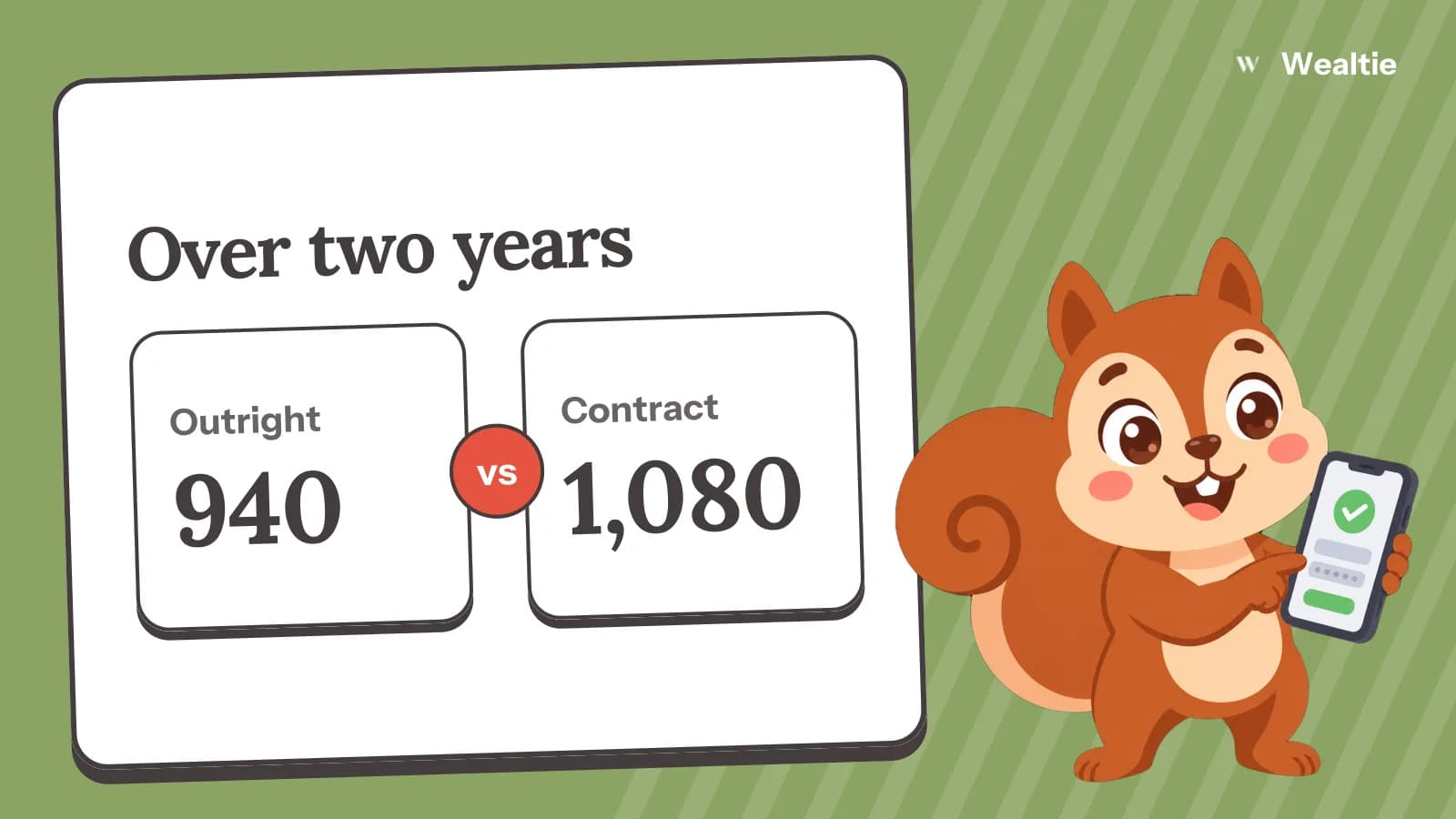
It depends on the type. Daily lenses are convenient but can cost more over a year than a pair of glasses. For example, daily lenses at 30 a month come to 360 a year, while monthly lenses at 15 a month come to 180. Many people use both, with glasses at home and contacts for sport or occasions, which can cut the contact lens cost. Follow your optician's advice on what suits your eyes.
Buying lenses in larger quantities, or from online suppliers with your prescription, can lower the cost. Sunglasses with your prescription are a nice extra, but a cheap pair of clip-ons or wearing contacts with ordinary sunglasses can do the same job for less.
Can you get help with costs?
Possibly. In some countries, certain groups get free or reduced-cost eye tests and vouchers towards glasses, such as children, students, older people or people on certain benefits. Some employers pay for eye tests and glasses if you use a screen for work. Check what's available where you live and at your workplace.
How do you make glasses last?
Keep them in a case, clean them with the right cloth, and have them adjusted if they slip. A spare pair, even a cheap one, avoids paying for urgent replacements if you break your main pair. Check whether repairs are covered by a warranty.
How do you track eye care costs in Wealtie?
Log eye tests, glasses and lenses in a Health category, so your expense categories show what eye care costs over a year. Contact lens subscriptions can be set up as recurring transactions with the bill tracker, so they log themselves and you can see what's due.
Questions people ask
Ask for a copy of your prescription and pupillary distance, compare frames online and in shops, and skip lens extras you don't need.
Often, especially for simple prescriptions. For varifocals or complex prescriptions, an optician's fitting may be worth the extra.
Not always. Daily lenses can cost more over a year than a pair of glasses, while monthly lenses cost less.
Some groups get free or reduced-cost eye tests and glasses in some countries, and some employers pay for screen users. Check what's available.
This article is general information, not financial, tax or legal advice. Your situation is your own; check the numbers that apply to you before you act on them.