Wealtie logoWealtie

Money & budgeting blog: Plain answers, sources included

Straight answers to everyday money questions: how much to save, how to set a budget you'll keep, what to do when your pay changes from month to month. Every post works through real numbers and shows where they come from.
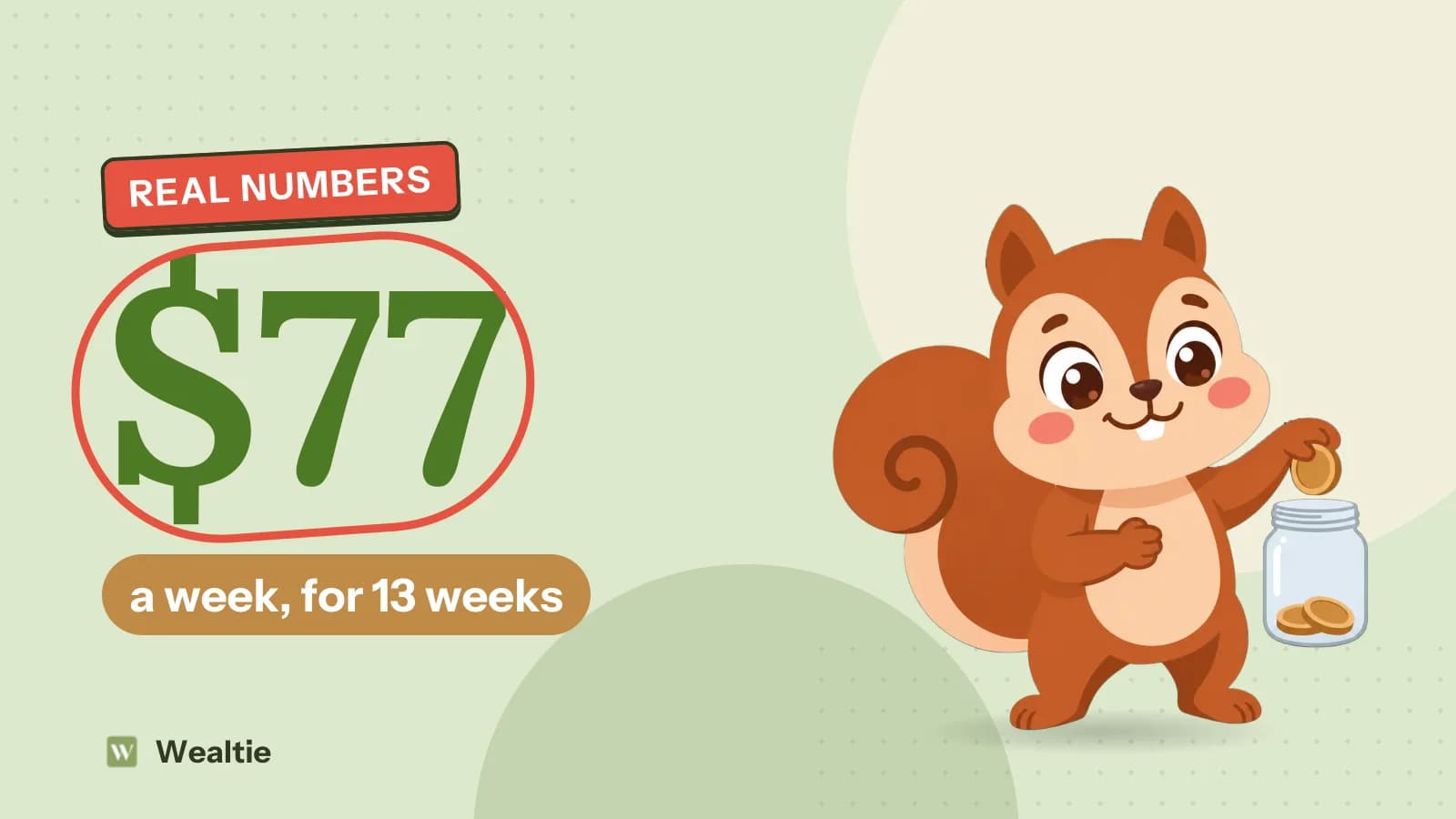
  • Wally drops a coin into a jar next to a circled $77, labelled a week, for 13 weeks.
    SAVING

    How to save $1,000 fast: a three-month plan with the numbers

    The fastest realistic way to save $1,000 is $77 a week for 13 weeks: about $200 a month trimmed from two or three categories, plus $400 of one-off money from things you sell or extra hours. Here's how to save 1000 dollars fast, with the numbers.

    · 4 min read
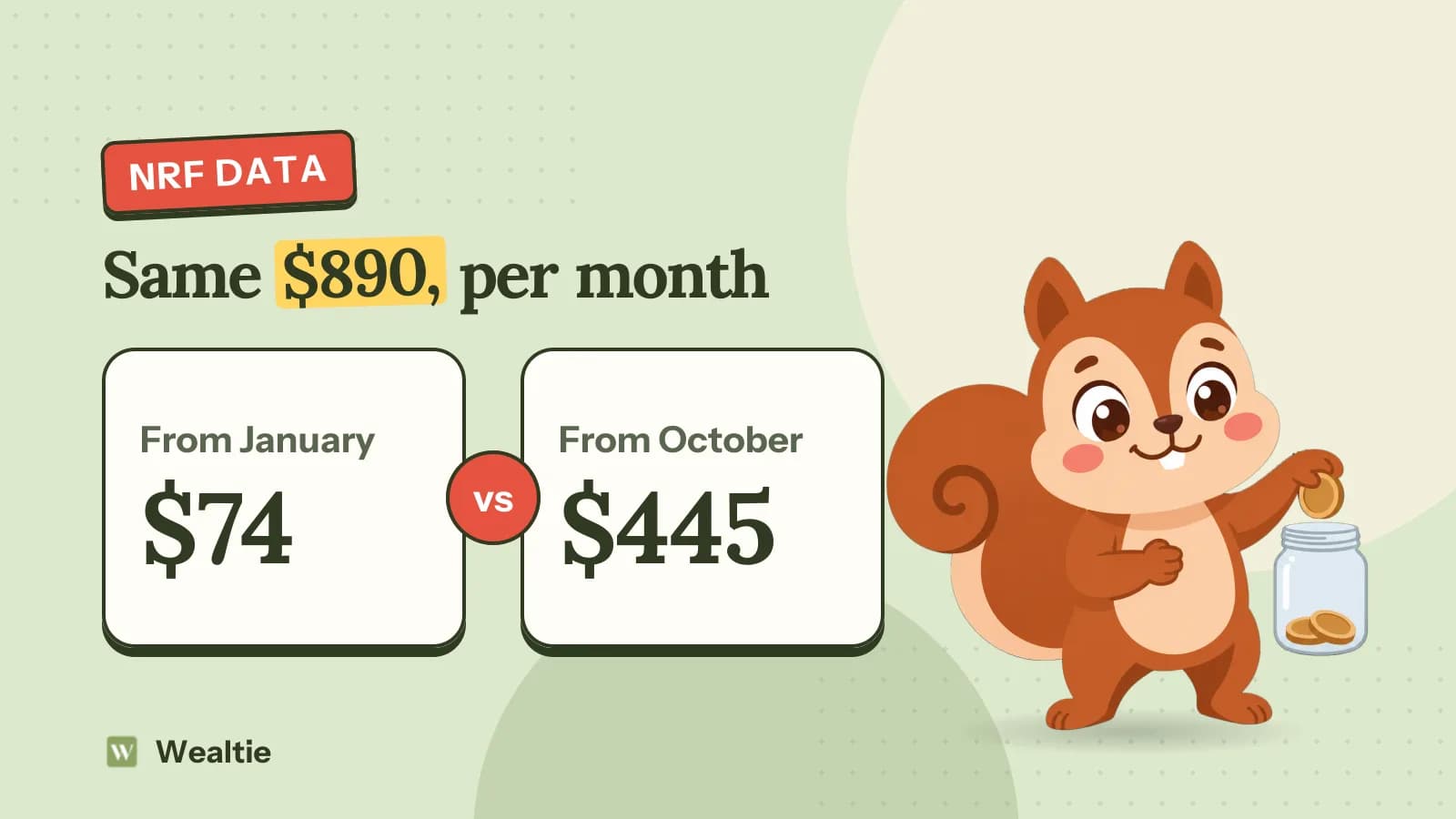
  • Wally drops a coin into a jar beside the same $890 of holiday spending saved per month: $74 starting in January, $445 starting in October.
    SAVING

    What is a sinking fund? Save for the bills you know are coming

    A sinking fund is money you put aside each month for a cost you know is coming but don't pay monthly, like car insurance, a car service or holiday gifts. Divide the bill by the months until it's due and move that amount on payday.

    · 5 min read

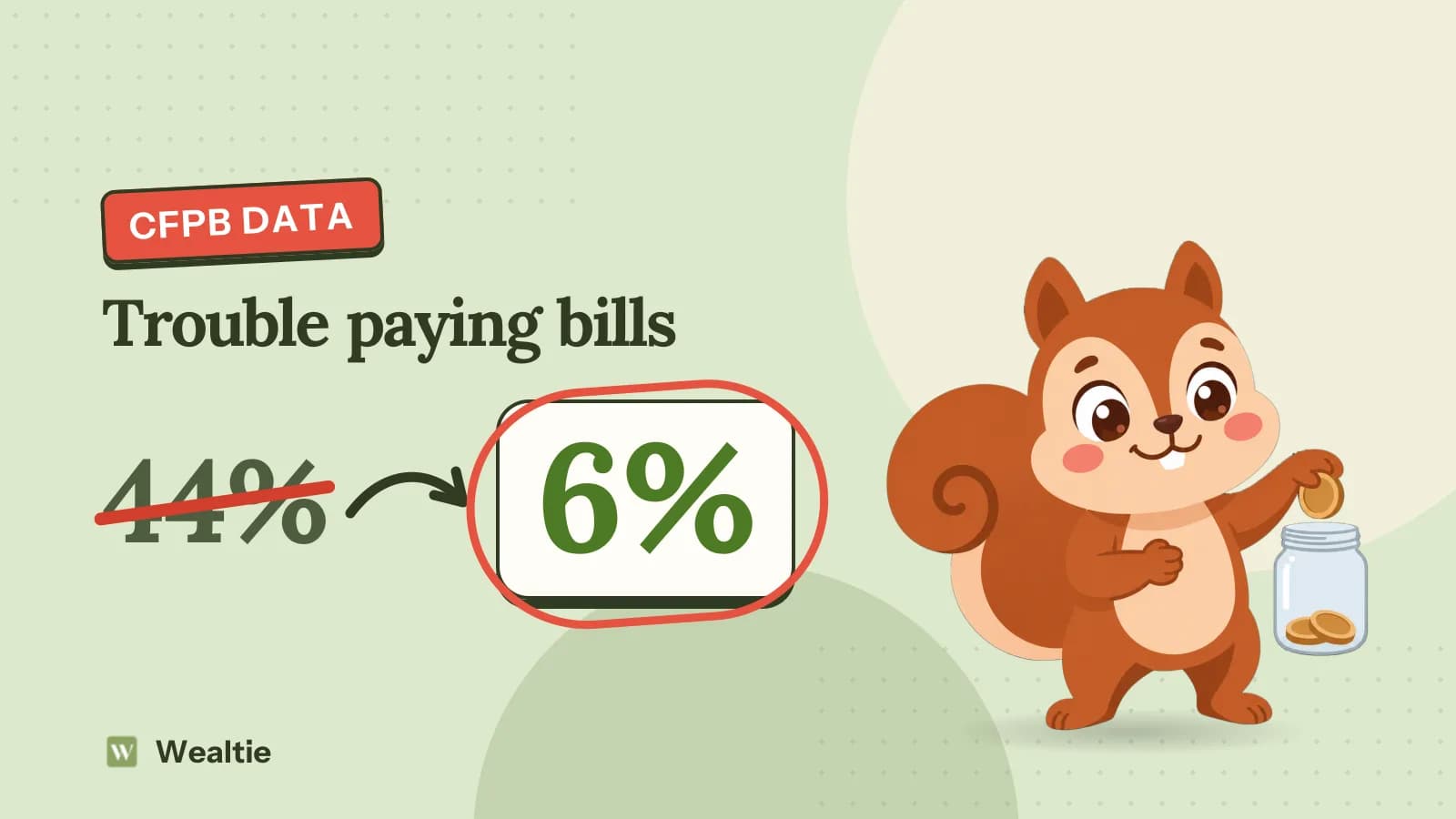
  • Wally dropping a coin into a jar beside "Trouble paying bills": 44% crossed out, then 6% circled, from CFPB data on people with less than versus at least a month of income saved.
    SAVING

    How much should be in an emergency fund? Start with one month

    Aim for one month of take-home income in your emergency fund first. In CFPB research, 44% of people with some savings but less than a month of income had trouble paying a bill in the past year. Among those with at least a month saved, 6% did.

    · 3 min read

The weekly email

New posts, once a week

Once a week, the new posts on budgeting, saving and everyday money. Nothing else, and one click to leave.